

Solo Speciality Coffee: Your Complete Brewing Guide
The art of brewing solo speciality coffee has transformed the way coffee enthusiasts approach their daily ritual. Whether you're working from home, living alone, or simply prefer to craft one exceptional cup at a time, mastering single-serve specialty coffee brewing opens up a world of flavor possibilities. Unlike mass-market coffee, specialty-grade beans demand attention to detail, precise techniques, and an understanding of how each variable affects your final cup. This comprehensive guide explores everything you need to know about brewing outstanding solo speciality coffee that rivals your favorite café.
Understanding Solo Speciality Coffee Fundamentals
Solo speciality coffee refers to the practice of brewing individual servings of high-quality, specialty-grade coffee beans with precision and care. This approach prioritizes freshness, consistency, and the ability to experiment with different origins and profiles without committing to large batches.
What Makes Coffee "Specialty Grade"
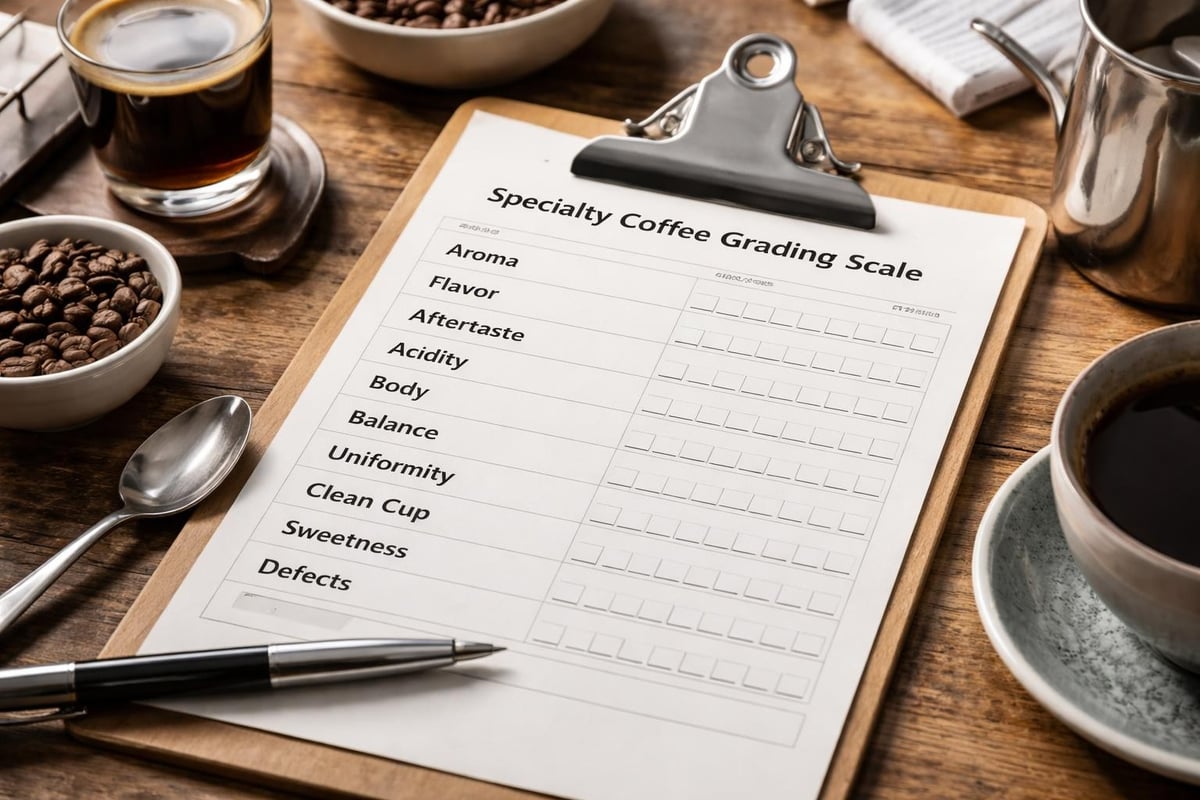
Specialty coffee must score 80 points or higher on a 100-point scale evaluated by certified Q Graders. These professionals assess factors including aroma, flavor, aftertaste, acidity, body, balance, and overall quality. The beans must be free from defects, properly processed, and roasted to highlight their unique characteristics.
Key characteristics of specialty coffee:
- Traceable origin with detailed farm or region information
- Ethical sourcing with fair compensation for farmers
- Recent roast date, typically within 2-4 weeks
- Distinctive flavor notes reflecting terroir
- Careful processing and quality control throughout production
The best specialty coffee selections showcase these attributes through transparent sourcing and meticulous roasting practices that preserve the beans' inherent qualities.
Why Brew Solo Instead of Batch
Brewing solo speciality coffee offers several advantages over traditional batch brewing methods. Each cup receives individual attention, allowing you to adjust variables based on the specific beans you're using. Freshness remains optimal since you're only brewing what you'll consume immediately.
Single-serve brewing also reduces waste significantly. Rather than discarding half a pot of coffee that's been sitting on a warming plate for hours, you brew exactly one serving at peak freshness. This approach proves particularly valuable when exploring different single origin beans that each require unique brewing parameters.
Essential Equipment for Solo Speciality Coffee Brewing
The right tools make the difference between mediocre and exceptional solo speciality coffee. While you don't need every gadget on the market, certain pieces of equipment prove essential for consistent results.
Core Brewing Devices
| Brewing Method | Brew Time | Difficulty Level | Flavor Profile |
|---|---|---|---|
| Pour Over (V60, Chemex) | 2.5-4 minutes | Intermediate | Clean, bright, nuanced |
| AeroPress | 1-3 minutes | Beginner | Versatile, smooth, rich |
| French Press | 4-5 minutes | Beginner | Full-bodied, heavy, bold |
| Moka Pot | 4-6 minutes | Intermediate | Concentrated, intense, espresso-like |
| Clever Dripper | 3-4 minutes | Beginner | Balanced, forgiving, clean |
Each method offers distinct advantages for solo speciality coffee preparation. The AeroPress excels in versatility and portability, making it ideal for travelers and experimenters. Pour-over methods like the V60 provide exceptional clarity and highlight subtle flavor notes, though they require more technique. According to comprehensive brewing guides, mastering one method thoroughly before expanding your repertoire yields better results than owning multiple devices you rarely use.
Precision Tools That Matter
Beyond your primary brewing device, certain accessories elevate your solo speciality coffee game:
- Digital scale with 0.1g precision – Essential for consistent coffee-to-water ratios
- Burr grinder – Provides uniform particle size for even extraction
- Gooseneck kettle – Offers pour control for methods like V60 or Chemex
- Thermometer – Ensures proper water temperature (195-205°F)
- Timer – Tracks extraction time for repeatability
Investing in a quality burr grinder ranks as the single most impactful upgrade for home brewing. Blade grinders produce inconsistent particle sizes that lead to simultaneous over-extraction and under-extraction, creating muddy, bitter flavors. Burr grinders, whether manual or electric, crush beans uniformly for balanced extraction.
Selecting Beans for Solo Speciality Coffee
Choosing the right beans transforms your solo speciality coffee experience from ordinary to extraordinary. With single-serve brewing, you have the freedom to explore diverse origins, processing methods, and roast levels without committing to large quantities.
Origin Characteristics and Flavor Profiles
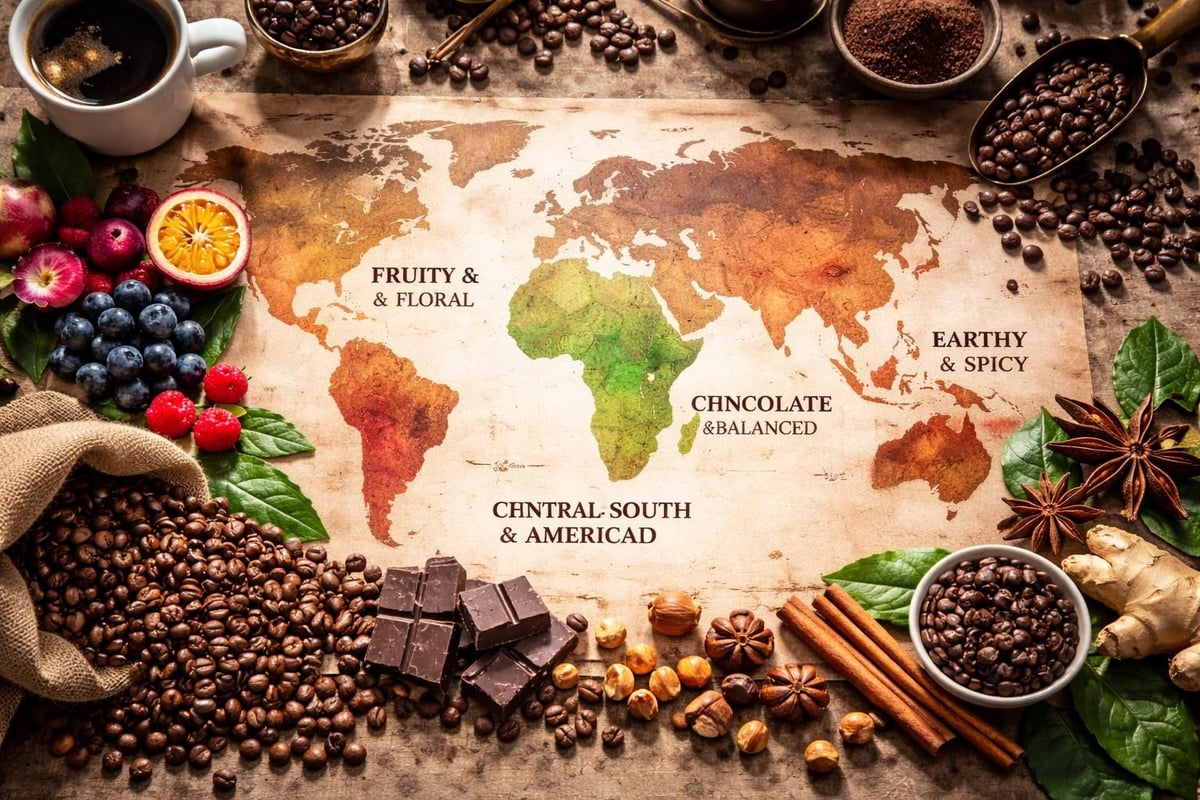
Different growing regions produce beans with distinctive flavor characteristics shaped by altitude, soil composition, climate, and processing traditions. Understanding these regional profiles helps you select beans that match your preferences.
African coffees (Ethiopia, Kenya, Rwanda) typically showcase bright acidity with fruity, floral, and wine-like notes. Ethiopian beans often exhibit blueberry, jasmine, and bergamot flavors, while Kenyan coffees deliver bold blackcurrant and citrus notes.
Central and South American coffees (Colombia, Guatemala, Brazil) tend toward balanced, approachable profiles with chocolate, nut, and caramel sweetness. Peru coffee beans frequently offer mild acidity with pleasant cocoa and almond notes that appeal to a wide range of palates.
Asian and Pacific coffees (Sumatra, Java, Papua New Guinea) deliver earthy, herbal, and spicy characteristics with heavy body and low acidity. These origins work particularly well for French press and cold brew preparations.
Roast Levels and Their Impact
Roast level dramatically affects how solo speciality coffee tastes, regardless of origin. Light roasts preserve origin characteristics and acidity, medium roasts balance origin flavors with roast development, and dark roasts emphasize roast character over origin.
For specialty coffee appreciation, light to medium roasts typically showcase the beans' unique qualities most effectively. These roast levels allow you to taste terroir, processing method, and varietal distinctions. Exploring freshly roasted coffee within two weeks of the roast date ensures you experience the full flavor spectrum before aromatic compounds degrade.
Storage and Freshness Considerations
Proper storage extends your beans' peak flavor window. Store whole beans in an airtight, opaque container at room temperature away from light, heat, and moisture. Avoid freezing or refrigerating, as temperature fluctuations introduce condensation that accelerates staling.
Purchase beans in quantities you'll consume within 2-3 weeks. Solo speciality coffee brewing makes this easier since you're only preparing one cup at a time. Buying smaller bags of coffee more frequently ensures superior freshness compared to storing large quantities that gradually lose vibrancy.
Mastering Brewing Variables for Perfect Solo Speciality Coffee
Consistency in solo speciality coffee comes from controlling five key variables: coffee dose, water volume, grind size, water temperature, and brew time. Each parameter affects extraction and final cup quality.
Coffee-to-Water Ratio
The foundation of repeatable solo speciality coffee starts with a consistent ratio. Most specialty coffee professionals recommend ratios between 1:15 and 1:17 (coffee to water by weight).
Common starting ratios:
- 1:15 ratio – Stronger, more concentrated (example: 20g coffee to 300g water)
- 1:16 ratio – Balanced, versatile (example: 18.75g coffee to 300g water)
- 1:17 ratio – Lighter, tea-like (example: 17.65g coffee to 300g water)
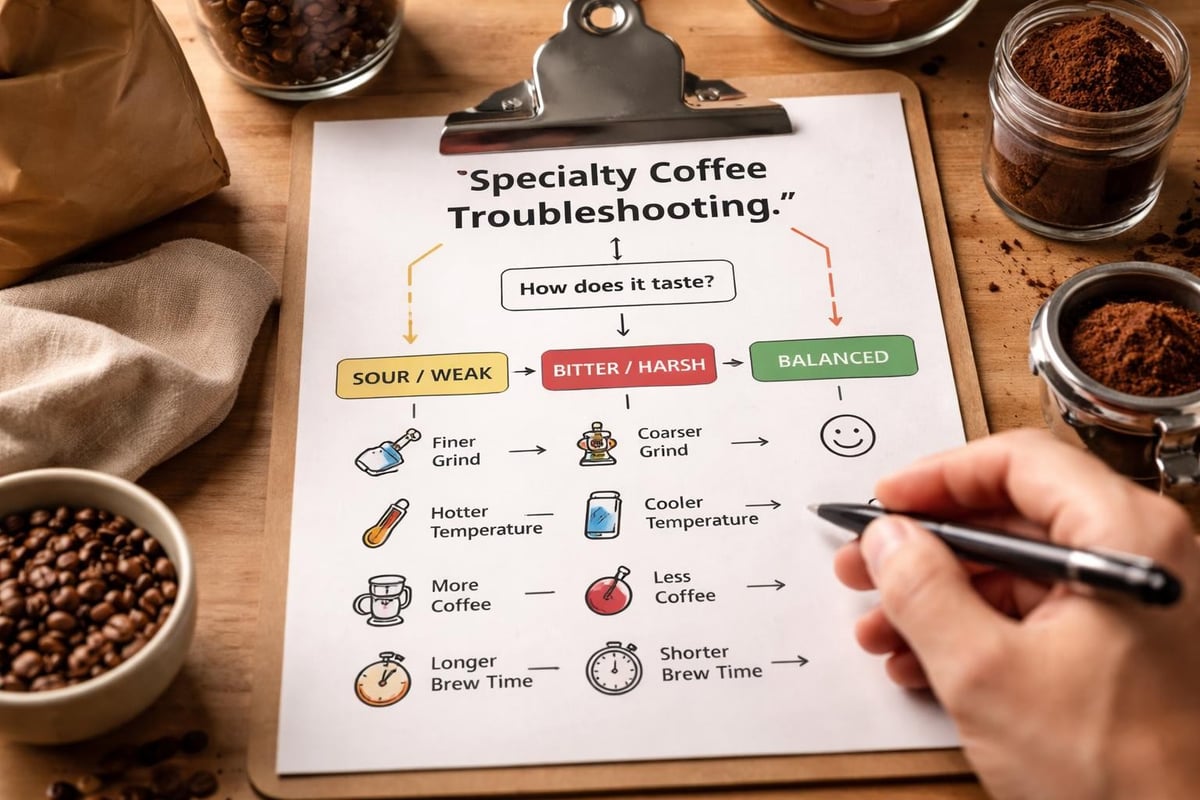
Start with 1:16 and adjust based on taste. If your coffee tastes weak or sour, increase the coffee dose or decrease water. If it tastes harsh or bitter, decrease coffee or increase water. Using a digital scale eliminates guesswork and enables precise adjustments.
Grind Size and Extraction
Grind size determines how quickly water extracts soluble compounds from coffee grounds. Finer grinds increase surface area, accelerating extraction, while coarser grinds slow extraction. Matching grind size to your brewing method proves critical for balanced solo speciality coffee.
| Brewing Method | Grind Size | Texture Reference |
|---|---|---|
| Espresso | Extra Fine | Powdered sugar |
| AeroPress (short brew) | Fine | Table salt |
| Pour Over (V60) | Medium-Fine | Fine sand |
| Drip Coffee | Medium | Regular sand |
| French Press | Coarse | Sea salt |
| Cold Brew | Extra Coarse | Breadcrumbs |
Experts at Tom's Guide emphasize that grind size adjustments make the single biggest impact on extraction after choosing your brewing method. When troubleshooting flavor issues, adjust grind size before changing other variables.
Water Temperature and Quality
Water temperature affects extraction speed and the types of compounds dissolved. The ideal range for most solo speciality coffee brewing methods falls between 195°F and 205°F.
Temperature guidelines:
- 195-198°F – Lighter roasts, preserves delicate flavors
- 200-203°F – Medium roasts, balanced extraction
- 203-205°F – Darker roasts, fuller extraction
Water quality matters equally. Use filtered water with balanced mineral content (150 parts per million total dissolved solids works well). Avoid distilled water, which under-extracts, and heavily mineralized water, which over-extracts and tastes flat.
Brew Time and Technique
Each brewing method has an optimal contact time between water and coffee grounds. Deviating significantly from these windows leads to under-extraction (sour, weak) or over-extraction (bitter, harsh).
Proper technique ensures even saturation and extraction. For pour-over solo speciality coffee, start with a bloom phase (30-45 seconds with twice the coffee's weight in water) to release carbon dioxide. Then pour in concentric circles, maintaining consistent water level, and finish within your target time.
Advanced Techniques for Elevating Your Solo Speciality Coffee
Once you've mastered the fundamentals, advanced techniques allow you to fine-tune flavors and explore creative brewing approaches. These methods require practice but deliver exceptional results for dedicated enthusiasts.
Dialing In Different Origins
Each coffee origin and roast level performs best with specific parameters. African coffees with bright acidity often shine with slightly cooler water (195-198°F) and medium-fine grinds that preserve clarity. South American coffees benefit from balanced parameters around 200°F with medium grinds.
Keep brewing notes documenting dose, grind setting, water temperature, and brew time for each coffee you purchase. This reference system helps you quickly dial in new beans and refine your approach over time. The specialty coffee collection at Velours de Paris Coffee provides detailed tasting notes and brewing recommendations for each origin, simplifying the dialing-in process.
Water Chemistry Optimization
Serious solo speciality coffee enthusiasts experiment with water chemistry to optimize extraction. The ideal water contains specific amounts of calcium and magnesium (for extraction) and bicarbonate (for buffering). Third Wave Water and other products offer mineral packets that transform distilled water into ideal brewing water.
Temperature Profiling
Advanced brewers adjust water temperature during the brewing process to emphasize different flavor compounds. Starting with slightly cooler water (195°F) extracts delicate aromatics and acidity, then finishing with hotter water (205°F) extracts body and sweetness. This technique works particularly well with pour-over methods where you control water additions.
Creating a Solo Speciality Coffee Routine
Consistency breeds excellence in solo speciality coffee brewing. Establishing a repeatable routine ensures you start each day with a perfectly crafted cup while minimizing decision fatigue.
Morning Workflow Optimization
Design your brewing station for efficiency. Keep your scale, grinder, brewing device, filters, and kettle within arm's reach. Measure and grind beans immediately before brewing to preserve aromatics. Heat water while grinding to streamline the process.
Efficient brewing sequence:
- Heat water to target temperature (2-3 minutes)
- Weigh and grind beans (30 seconds)
- Prepare brewing device with filter (30 seconds)
- Bloom coffee grounds (30-45 seconds)
- Complete brewing process (2-4 minutes depending on method)
- Enjoy immediately while at optimal temperature
This routine delivers exceptional solo speciality coffee in under 10 minutes from start to finish, making it practical for busy weekday mornings.
Experimentation and Tasting
Dedicate weekend mornings to experimentation. Brew the same coffee using different methods, grind sizes, or ratios to understand how each variable affects flavor. Taste critically, noting acidity, body, sweetness, bitterness, and aftertaste.
Resources like specialty coffee brewing guides for beginners offer structured approaches to developing your palate and refining technique through deliberate practice.
Equipment Maintenance and Care
Proper equipment maintenance ensures consistent solo speciality coffee quality and extends your gear's lifespan. Coffee oils and residue accumulate in grinders and brewing devices, eventually imparting stale, rancid flavors to fresh coffee.
Grinder Cleaning Protocol
Clean your grinder every two weeks for daily use. Disassemble burrs according to manufacturer instructions and brush away coffee particles and oils. Some grinders allow washing burrs with soap and water, but ensure complete drying before reassembly to prevent rust.
Run grinder cleaning tablets monthly to remove coffee oils from burrs and grinding chamber. These tablets absorb residue without leaving flavors behind. Alternatively, grind white rice to similar effect, though tablets work more thoroughly.
Brewing Device Maintenance
Different devices require specific cleaning approaches:
- Pour-over cones and drippers – Wash with hot, soapy water after each use, removing all coffee oils
- AeroPress – Rinse plunger and chamber after brewing, deep clean weekly
- French press – Disassemble completely weekly to clean mesh screens and plunger rod
- Gooseneck kettles – Descale monthly with citric acid or vinegar solution
Replace paper filters after each use and rinse reusable metal filters thoroughly to prevent oil buildup. Replace rubber seals on AeroPress annually to maintain proper pressure during brewing.
Solo Speciality Coffee Cost Analysis and Value
Investing in solo speciality coffee equipment and premium beans represents a significant upfront cost, but the long-term value proposition proves compelling compared to café purchases.
Financial Breakdown
| Expense Category | Initial Investment | Monthly Cost | Annual Cost |
|---|---|---|---|
| Quality Grinder | $150-300 | $0 | $0 (one-time) |
| Brewing Device | $25-100 | $0 | $0 (one-time) |
| Scale and Kettle | $50-100 | $0 | $0 (one-time) |
| Specialty Beans (12oz/week) | $0 | $60-80 | $720-960 |
| Total First Year | - | - | $945-1,360 |
| Café Coffee (1/day at $5) | $0 | $150 | $1,825 |
After the first year, solo speciality coffee costs roughly $720-960 annually versus $1,825 for daily café visits. You save $865-1,105 per year while enjoying coffee that often exceeds café quality since you control every variable and use beans at peak freshness.
At Velours de Paris Coffee, new customers can maximize value by using the code WELCOME10 for 10% off their first order, reducing the initial bean investment while exploring different origins and roast profiles. This discount helps offset startup costs as you build your home brewing setup.
Quality and Satisfaction Benefits
Beyond financial savings, solo speciality coffee brewing offers intangible benefits. You develop skills and knowledge that deepen your appreciation for coffee as a craft. You control ingredients completely, avoiding excess sugar, artificial flavors, or dairy that café drinks often contain. You experiment freely with diverse origins and processing methods impossible to explore through café menus.
The ritual of brewing home coffee creates a meditative morning practice that reduces stress and establishes positive routines. Many enthusiasts report that the five-minute brewing process provides mental space for reflection and intention-setting before the day's demands begin.
Troubleshooting Common Solo Speciality Coffee Issues
Even experienced brewers encounter occasional challenges with solo speciality coffee. Understanding common problems and their solutions helps you quickly correct issues and maintain consistency.
Sour or Under-Extracted Coffee
Sourness indicates under-extraction, meaning insufficient soluble compounds dissolved during brewing. Multiple factors cause this issue:
Solutions for sour coffee:
- Grind finer to increase extraction
- Increase water temperature by 2-3°F
- Extend brew time slightly
- Ensure water fully saturates all grounds during bloom
- Check that beans aren't too freshly roasted (less than 3 days can taste grassy)
Under-extraction often results from brewing too quickly or using water that's too cool. Lighter roasts require particular attention to extraction, as their denser structure demands slightly longer contact time.
Bitter or Over-Extracted Coffee
Bitterness signals over-extraction, where water dissolved too many compounds including unpleasant bitter elements. This creates harsh, astringent flavors that linger unpleasantly.
Solutions for bitter coffee:
- Grind coarser to slow extraction
- Decrease water temperature by 2-3°F
- Shorten brew time
- Reduce coffee dose slightly
- Ensure water isn't too hot (above 205°F)
Over-extraction frequently occurs with dark roasts or very fine grinds. French press coffee often tastes bitter when steeped beyond five minutes or ground too fine for the brewing method.
Weak or Watery Coffee
Weak coffee lacks body and intensity despite proper extraction. This usually stems from incorrect coffee-to-water ratio rather than extraction issues.
Increase your coffee dose by 1-2 grams while maintaining the same water volume. Verify your scale's accuracy with a calibration weight. Check that you're using the coffee dose and water volume you intended, as mistakes in measurement create disappointing results.
Inconsistent Results
Variability between cups indicates insufficient control over brewing variables. Review each parameter methodically:
Consistency checklist:
- Grind immediately before brewing (not the night before)
- Use scale for coffee and water measurements
- Record water temperature for each brew
- Time your brewing process
- Note grind setting on your grinder
Creating a brewing log eliminates inconsistency by revealing patterns in successful and unsuccessful brews. After 10-15 logged sessions, you'll identify the precise parameters that work best for your equipment, water, and preferences.
Seasonal and Flavored Solo Speciality Coffee Exploration
While purists often focus exclusively on single-origin specialty coffees, seasonal and flavored options offer enjoyable variety for solo speciality coffee routines. High-quality flavored coffees use natural extracts applied to premium beans, creating sophisticated alternatives to plain coffee.
Natural Flavoring Approaches
The best flavored specialty coffees start with quality beans and use natural flavoring oils applied post-roast. This preserves the beans' inherent characteristics while adding complementary notes. Poor-quality flavored coffees use artificial flavors and low-grade beans, resulting in one-dimensional, chemical-tasting brews.
Look for flavored coffees specifying "natural flavors" and listing the base bean origin. French vanilla coffees built on smooth Central American beans offer balanced sweetness, while hazelnut blends complement nutty Brazilian or Colombian bases.
Seasonal Favorites
Seasonal solo speciality coffee creates variety throughout the year. Spring and summer call for bright, fruity African origins served hot or as cold brew coffee for refreshing afternoon enjoyment. Fall and winter suit rich, chocolatey Central American coffees and warm spice-forward flavored options like cinnamon hazelnut or Mexican chocolate.
Rotating your coffee selection seasonally prevents palate fatigue and keeps your morning routine interesting. Purchase smaller quantities more frequently to explore diverse profiles while maintaining freshness.
Mastering solo speciality coffee transforms your daily coffee ritual into an opportunity for creativity, skill development, and consistent excellence. By controlling variables, selecting quality beans, and refining your technique, you'll craft café-quality beverages at home while saving money and deepening your appreciation for specialty coffee. Velours de Paris Coffee offers meticulously sourced, small-batch roasted beans perfect for solo brewing, with detailed origin information and brewing guidance that helps you achieve exceptional results from your first cup. Start your journey with their curated selection and discover how premium beans elevate every element of your home brewing experience.