

Peru Coffee: Complete Guide to Origins and Flavor
Peru has quietly emerged as one of the world's most important coffee producers, combining favorable growing conditions with sustainable farming practices that yield exceptional specialty-grade beans. Nestled along the Andes Mountains, Peruvian coffee farms benefit from high altitudes, rich volcanic soil, and ideal microclimates that create distinctive flavor profiles prized by roasters worldwide. For coffee enthusiasts seeking smooth, balanced cups with bright acidity and sweet notes, peru coffee represents an outstanding choice that reflects both traditional cultivation methods and modern quality standards. Understanding what makes these beans special helps consumers appreciate the craftsmanship behind every cup.
Geographic Origins and Growing Regions
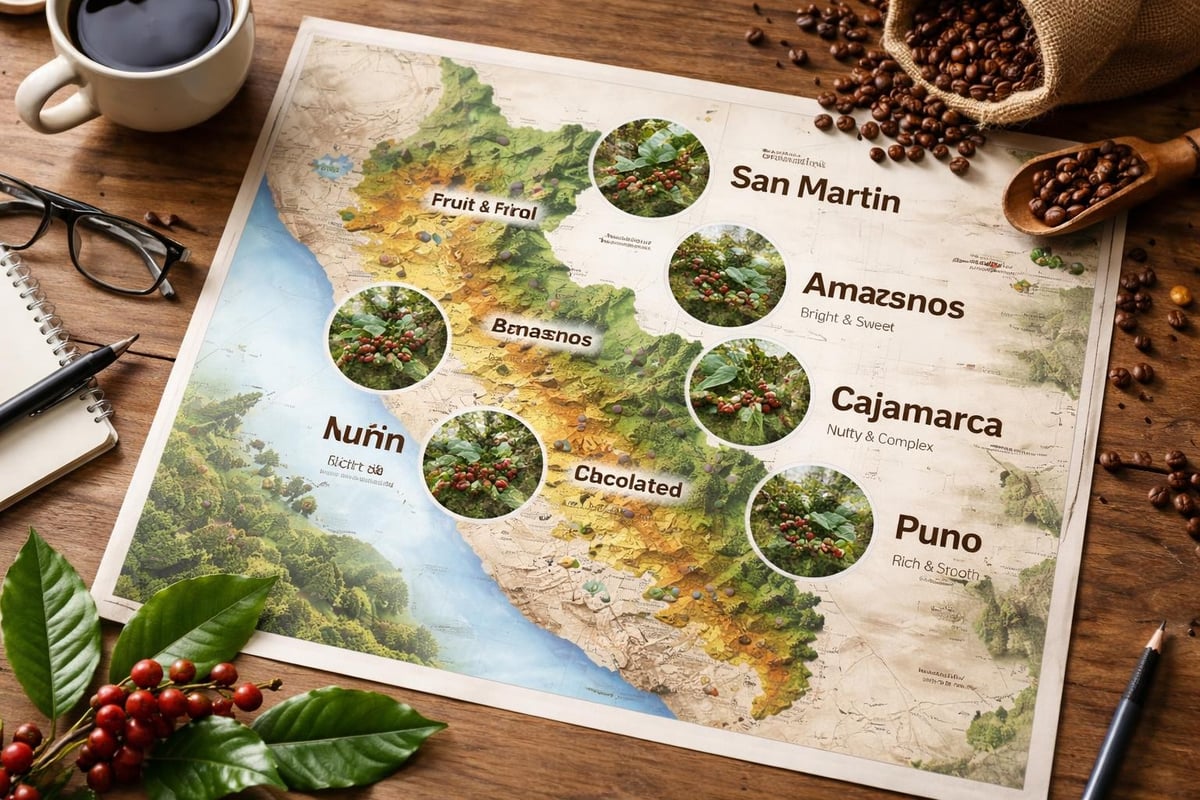
Peru's coffee production concentrates in three primary departments that collectively account for a significant portion of national output. According to recent production data, San Martín, Amazonas, and Cajamarca contributed 60.6% of total coffee production in August 2024, demonstrating the concentrated geographic importance of these zones.
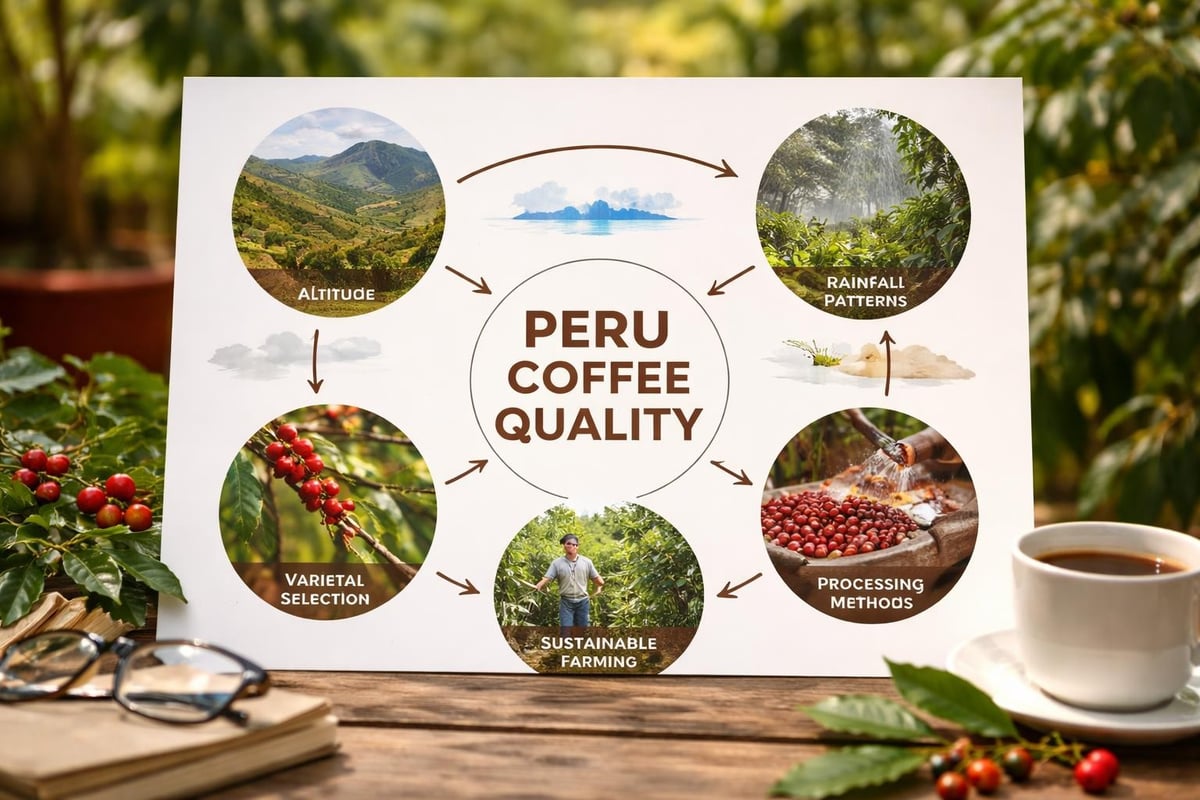
The northern regions benefit from altitudes ranging between 1,200 and 2,100 meters above sea level. This elevation creates slower cherry maturation, allowing beans to develop more complex sugars and nuanced flavors. Mountain microclimates provide consistent temperatures without extreme heat, while afternoon cloud cover protects plants from excessive sun exposure.
Climate and Soil Characteristics
Peruvian coffee farms occupy unique ecological niches where the Amazon basin meets Andean slopes. These transition zones feature rich, well-draining soils enriched by volcanic minerals and organic matter from tropical forests. Rainfall patterns typically provide 1,500 to 2,000 millimeters annually, distributed across distinct wet and dry seasons that support healthy coffee plant growth.
Temperature consistency matters tremendously for quality. Most growing areas maintain averages between 15 and 24 degrees Celsius throughout the year. This stability allows cherries to ripen evenly, reducing defects and ensuring uniform flavor development across harvests.
Flavor Profile and Tasting Notes
Peru coffee typically presents a medium body with bright, clean acidity that appeals to those who appreciate balanced complexity. Common tasting notes include milk chocolate, caramel, nuts, and stone fruits, though specific characteristics vary by region and processing method.
Northern Region Profiles:
- San Martín: Nutty sweetness with citrus brightness
- Amazonas: Floral aromatics with chocolate undertones
- Cajamarca: Balanced acidity with caramel notes
Southern Region Profiles:
- Junín: Rich body with cocoa and dried fruit
- Puno: Clean cup with delicate floral qualities
The cup quality stems from careful attention throughout cultivation and processing. Most Peruvian producers use washed processing methods that emphasize clarity and brightness, though natural and honey-processed lots are becoming more common as roasters seek diverse flavor experiences.
When sourcing single origin coffee from Peru, discerning roasters look for lots that showcase regional terroir while maintaining consistent sweetness and clean finish characteristics that define exceptional Peruvian beans.
Production Methods and Farming Practices
Peru stands out globally as a leader in certified organic and Fair Trade arabica production. According to World Coffee Research, the country has established itself as the top producer of certified Fair Trade and organic arabica coffee worldwide, reflecting widespread adoption of sustainable farming principles among smallholder producers.
Approximately 95% of Peruvian coffee comes from small family farms averaging just 2 to 3 hectares. These producers typically cultivate coffee alongside other crops in agroforestry systems that maintain biodiversity and soil health. Traditional shade-grown methods protect coffee plants while preserving native forest canopy.
Harvest and Processing Standards
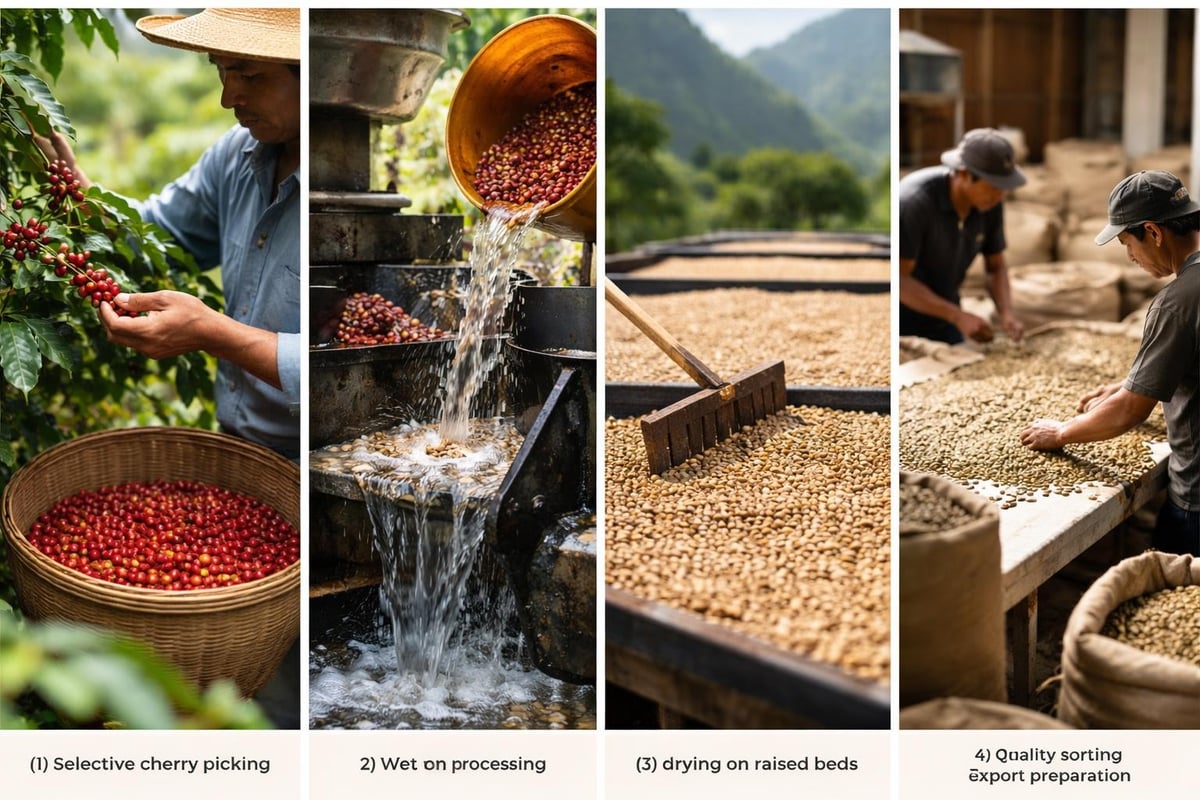
Selective hand-picking remains the standard across Peru's coffee regions. Workers make multiple passes through farms, choosing only ripe cherries at peak maturity. This labor-intensive approach ensures quality but requires significant workforce coordination during harvest months from April through September.
Post-harvest processing follows rigorous protocols:
- Cherries are pulped within hours of picking to prevent fermentation defects
- Beans undergo fermentation for 12 to 36 hours depending on ambient temperature
- Washing removes mucilage using clean mountain water sources
- Drying occurs on raised beds or patios for 10 to 15 days
- Final moisture content reaches 10 to 12% before storage
Quality control checkpoints at each stage identify and remove defective beans, maintaining the high standards that specialty buyers expect from peru coffee.
Market Position and Export Trends
Peru ranks among the top ten coffee-producing nations globally, with production volumes showing continued growth. Statistical projections indicate steady output increases from 2015/16 through 2025/26, reflecting both expanded cultivation areas and improved yields from existing farms.
Export data from 2024 reveals the economic importance of coffee to Peru's agricultural sector. The country exported 240,250 tons of coffee valued at over one billion dollars, demonstrating robust international demand despite challenges including climate variability and price fluctuations.
| Year | Production Volume | Key Export Markets | Primary Certifications |
|---|---|---|---|
| 2024 | 355,000 tons | United States, Germany, Belgium | Organic, Fair Trade, Rainforest Alliance |
| 2025 | 370,000 tons (projected) | Europe 48%, North America 35%, Asia 12% | Organic, Fair Trade, UTZ |
| 2026 | 380,000 tons (forecast) | Diversifying to Asian markets | Expanding direct trade relationships |
The United States remains the largest importer of Peruvian beans, followed by European markets where organic certification commands premium prices. Growing interest from Asian consumers presents new opportunities for producers seeking to diversify their customer base.
Varietals and Genetic Diversity
Typica and Caturra dominate Peruvian coffee plantations, representing approximately 70% of cultivated plants. These traditional arabica varietals produce excellent cup quality but face challenges from coffee leaf rust and other diseases that affect high-altitude farms.
Progressive farmers are diversifying their genetic base by introducing disease-resistant varietals:
- Catimor: Rust-resistant hybrid offering reliable yields
- Bourbon: Heirloom variety prized for exceptional sweetness
- Pache: Compact plants suitable for high-density planting
- Gesha: Limited experimental lots producing premium pricing
Varietal selection balances productivity, disease resistance, and cup quality. While traditional Typica may yield less per hectare, its superior flavor commands higher prices in specialty markets, offsetting lower production volumes.
Recent regional growth patterns show promise for continued expansion. Six regions experienced production increases in July 2024, contributing to a 3.6% rise in national output and demonstrating the scalability of quality-focused cultivation across diverse growing zones.
Sustainability and Social Impact
Certification programs play an essential role in Peruvian coffee production, providing market access and price premiums that support smallholder livelihoods. Organic certification costs are often shared through cooperative structures, making participation accessible to farmers who might otherwise lack resources for individual certification.
Fair Trade premiums fund community development projects including schools, health clinics, and infrastructure improvements in remote coffee-growing regions. These investments strengthen rural communities while creating incentives for younger generations to continue family farming traditions.
Environmental Benefits of Peruvian Coffee Farming:
- Carbon sequestration through shade tree preservation
- Watershed protection in headwater regions
- Biodiversity conservation within farm boundaries
- Soil health improvement through organic matter management
- Reduced chemical inputs protecting water quality
Cooperative organizations help members access technical assistance, credit, and direct market connections that improve profitability. These structures prove particularly valuable for women farmers, who constitute approximately 30% of coffee producers but historically faced barriers to market participation.
Brewing Recommendations for Peru Coffee
Peru coffee's balanced profile makes it versatile across brewing methods, though certain approaches highlight specific characteristics. The beans' medium body and bright acidity shine particularly well in pour-over preparations that emphasize clarity and nuanced flavors.
Optimal Brewing Parameters
Different methods bring out distinct qualities in Peruvian beans:
| Brewing Method | Grind Size | Water Temperature | Brew Time | Flavor Emphasis |
|---|---|---|---|---|
| Pour Over | Medium-fine | 195-205°F | 3-4 minutes | Brightness, clarity |
| French Press | Coarse | 200-205°F | 4 minutes | Body, sweetness |
| Espresso | Fine | 200°F | 25-30 seconds | Chocolate, caramel |
| Cold Brew | Extra coarse | Room temp | 12-16 hours | Smoothness, low acidity |
For those exploring premium options, Velours de Paris Coffee offers carefully sourced beans that showcase the best characteristics of world-class growing regions. New customers can save 10% on their first order using code WELCOME10 at Velours de Paris Coffee, making it easy to experience exceptional quality at an accessible price point.
Water quality significantly impacts extraction and final cup characteristics. Filtered water with balanced mineral content between 75 and 250 parts per million produces optimal results, avoiding both flat under-extraction and harsh over-extraction common with extremely soft or hard water.
Historical Development and Cultural Significance
Peru's specialty coffee history traces back to the 18th century when coffee first arrived from neighboring countries. However, commercial production only gained momentum in the mid-20th century as farmers recognized the economic potential of high-quality arabica cultivation.
The 1980s and 1990s brought significant challenges as political instability disrupted rural areas where coffee farms operated. Despite these difficulties, dedicated farmers maintained their plantations, preserving genetic diversity and traditional cultivation knowledge that would prove valuable as specialty markets emerged.
Modern Peruvian coffee culture reflects a growing appreciation for local production. Urban centers like Lima now feature specialty cafes serving domestically produced beans, fostering pride in national coffee heritage. This internal market development complements export success, creating diverse revenue streams for producers.
Tourism initiatives increasingly highlight coffee as part of Peru's culinary identity, with farm visits and cupping experiences attracting international visitors interested in agricultural tourism and origin stories behind their favorite beverages.
Quality Grading and Selection Criteria
Peruvian coffee exports follow standardized grading systems based on defect counts, bean size, and cup quality. Premium specialty lots meet strict criteria that distinguish them from commercial-grade offerings.
Specialty Grade Requirements:
- Maximum 5 defects per 350 grams of green beans
- Screen size 15 or larger for most premium lots
- Cup score of 80 points or higher on the SCA scale
- Moisture content between 10% and 12%
- Uniform color indicating proper processing and storage
Buyers often request pre-shipment samples to verify quality before committing to container purchases. This practice protects both parties while ensuring that roasters receive beans matching their quality specifications and flavor expectations.
Traceability has become increasingly important in specialty markets. Many cooperatives now provide detailed lot information including farm location, altitude, processing method, and harvest date. This transparency supports direct trade relationships and allows roasters to market origin stories that resonate with consumers seeking authenticity.
Challenges and Future Outlook
Climate change presents the most significant long-term challenge for peru coffee production. Rising temperatures push optimal growing zones to higher elevations, potentially reducing suitable cultivation areas. Increased rainfall variability affects flowering patterns and harvest timing, requiring adaptive management strategies.
Generational transition concerns many cooperative leaders as young people migrate to urban areas seeking alternative employment. Improving farm profitability through quality premiums and value-added processing helps make coffee farming more attractive to the next generation.
Investment in processing infrastructure enables producers to capture more value. Wet mills, drying facilities, and storage warehouses allow cooperatives to maintain quality through the supply chain while potentially engaging in direct export that eliminates intermediary margins.
Research initiatives focus on climate-resilient varietals that maintain cup quality while tolerating warmer temperatures and variable rainfall. These genetic improvement programs require years of testing but promise solutions that support sustainable production as environmental conditions evolve.
The specialty coffee market continues expanding globally, creating opportunities for Peruvian producers who consistently deliver quality and compelling origin narratives. As consumers become more knowledgeable about coffee origins, demand for traceable, sustainably produced peru coffee should continue growing through 2026 and beyond.
Regional development programs supported by export revenues improve infrastructure in remote growing areas. Better roads reduce transportation costs and cherry spoilage, while access to electricity enables more controlled drying processes that enhance consistency.
Exploring the diverse offerings available through specialty coffee collections allows enthusiasts to compare Peruvian beans against other renowned origins, developing palate recognition for the characteristics that make each region distinctive while appreciating the craftsmanship that quality producers invest in every harvest.
Peru coffee represents an exceptional choice for those seeking balanced, approachable profiles with bright acidity and sweet complexity rooted in high-altitude cultivation and sustainable farming practices. The dedication of smallholder producers combined with favorable terroir creates beans that satisfy both casual drinkers and discerning specialists. When you're ready to experience premium coffees sourced from the world's finest regions and roasted in small batches for exceptional freshness, explore the carefully curated selection at Velours de Paris Coffee, where quality and flavor meet in every cup.