

Single Origin Beans: Your Complete Guide (2026)
Coffee enthusiasts worldwide have developed a deep appreciation for the distinct character and traceable quality that single origin beans bring to each cup. Unlike blended coffees that combine beans from multiple regions, these specialty offerings showcase the unique terroir, climate, and cultivation methods of one specific geographic location. Understanding what sets these beans apart helps coffee lovers make informed decisions about their daily brew and discover flavor profiles that resonate with their individual preferences. As the specialty coffee industry continues to evolve in 2026, the demand for transparency and exceptional quality has positioned single origin offerings at the forefront of consumer interest.
Understanding Single Origin Coffee
Single origin coffee represents beans sourced from a single producer, crop, or region within one country. This designation provides complete transparency about where your coffee comes from, allowing roasters and consumers to trace each batch back to its exact origin.
The term itself carries significant weight in the specialty coffee industry. When you purchase single origin beans, you're investing in a product with a clear geographical identity. This might mean beans from a specific farm in Ethiopia, a particular estate in Colombia, or a designated growing region in Guatemala.
Key characteristics include:
- Traceable origin to one specific location
- Distinct flavor profile reflecting local terroir
- Seasonal availability based on harvest cycles
- Higher quality standards and careful selection
- Direct relationships between roasters and producers
The Terroir Factor
Terroir encompasses all environmental factors that influence coffee flavor. Altitude, soil composition, rainfall patterns, and temperature fluctuations all contribute to the unique characteristics found in single origin beans.
Coffee grown at higher elevations typically develops more complex acidity and brighter flavor notes. The cooler temperatures at altitude slow the cherry maturation process, allowing sugars to develop more fully within the bean. Meanwhile, volcanic soil common in many coffee-growing regions provides essential minerals that contribute to distinctive taste profiles.
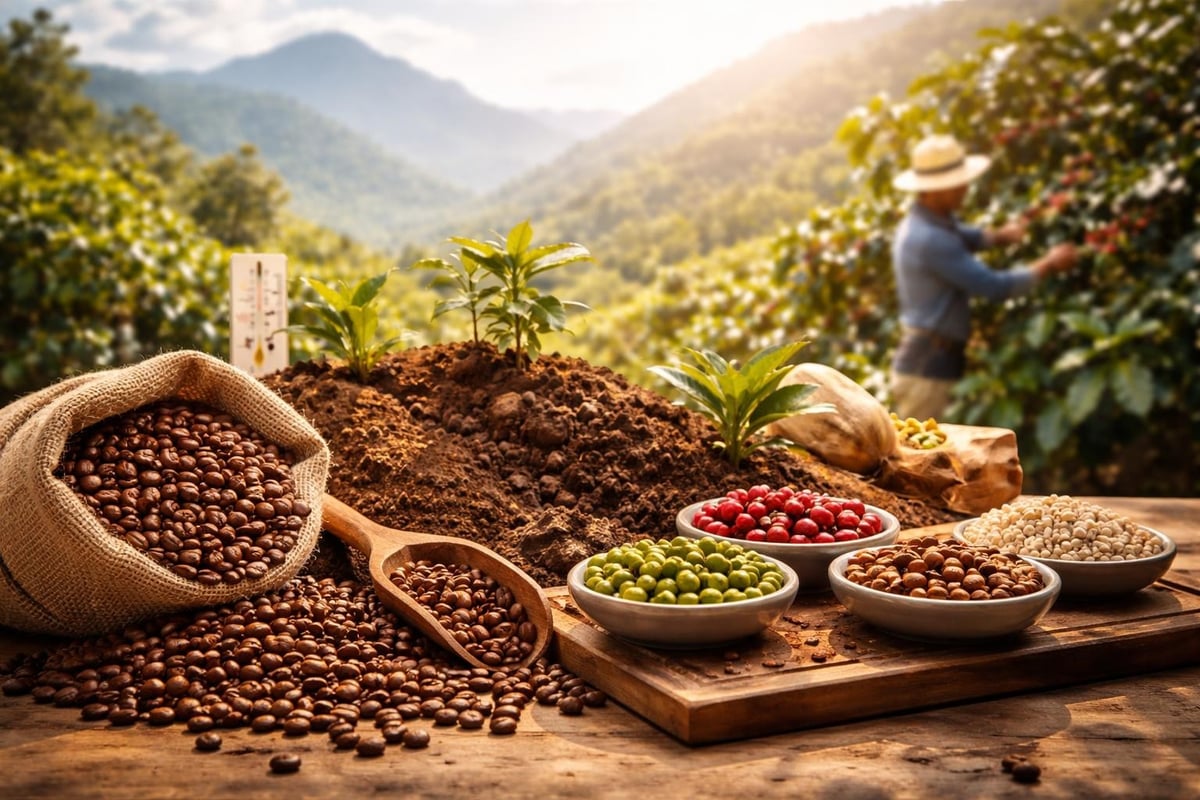
Processing methods also play a crucial role. Washed, natural, and honey-processed coffees from the same origin can taste remarkably different, demonstrating how post-harvest techniques influence final cup characteristics.
Popular Single Origin Regions
The world's premier coffee-growing regions each offer distinctive flavor profiles that appeal to different palate preferences. Understanding these regional characteristics helps consumers navigate the diverse landscape of specialty coffee options.
Ethiopian Origins
Ethiopia holds legendary status as coffee's birthplace. Ethiopian single origin beans deliver complex, wine-like acidity with pronounced fruit and floral notes. Regions like Yirgacheffe and Sidamo produce beans with jasmine, blueberry, and bergamot characteristics that captivate specialty coffee enthusiasts.
Natural processing remains common in Ethiopia, where cherries dry with the fruit still attached to the bean. This method intensifies fruity flavors and creates bold, memorable cups.
Central and South American Profiles
Colombian, Costa Rican, and Guatemalan beans offer balanced profiles with chocolate, nut, and caramel notes. These single origin offerings provide approachable flavor profiles that work exceptionally well for daily consumption.
| Region | Typical Flavors | Acidity Level | Body |
|---|---|---|---|
| Colombia | Chocolate, caramel, citrus | Medium-high | Medium |
| Guatemala | Cocoa, apple, floral | Bright | Full |
| Costa Rica | Honey, citrus, almond | Crisp | Light-medium |
| Brazil | Nutty, chocolate, low acid | Low | Heavy |
Brazilian beans stand apart with their nutty, chocolatey character and lower acidity. The country's unique climate and processing methods produce beans ideal for espresso and darker roasts.
Asian and Pacific Islands
Indonesian coffees from Sumatra and Sulawesi deliver earthy, herbaceous notes with heavy body. These single origin beans appeal to those seeking bold, syrupy cups with minimal acidity.
The innovative Bali Blue showcases how Indonesian origins can produce clean, complex profiles when processed carefully. Meanwhile, Brazil Santos demonstrates South America's contribution to smooth, accessible single origin offerings.
Flavor Profile Development
Single origin beans express flavor differently based on roast level, brewing method, and freshness. Understanding these variables helps coffee lovers extract maximum potential from their purchases.
Roast Level Impact
Light roasts preserve origin characteristics most faithfully. The bean's inherent acidity, fruit notes, and floral aromatics shine through without being masked by roast development. These roasts work particularly well for pour-over and drip brewing methods.
Medium roasts balance origin character with developed sweetness. Caramelization begins to create chocolate and nut notes while maintaining some of the bean's distinctive regional qualities. This versatility makes medium roasts popular for both filter coffee and espresso applications.
Dark roasts emphasize:
- Roast character over origin specificity
- Bold, smoky, and bitter notes
- Reduced acidity and brightness
- Heavy body and lingering finish
- Consistency across different origins
While dark roasting can minimize some origin distinctions, skilled roasters still preserve core characteristics that identify the bean's geographic source.
Brewing Method Considerations
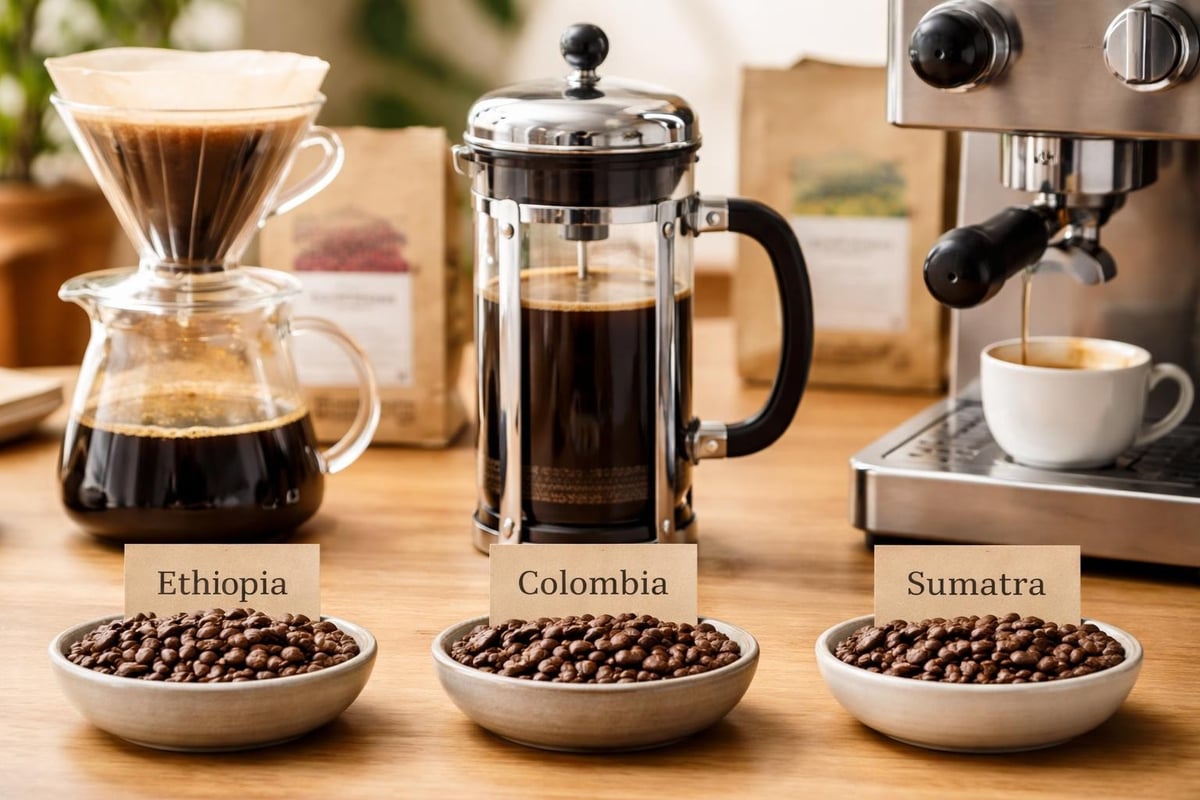
Different preparation techniques highlight various aspects of single origin beans. Pour-over methods like V60 and Chemex emphasize clarity and brightness, making them ideal for showcasing delicate Ethiopian or Kenyan profiles.
French press extraction creates fuller body and heavier mouthfeel, working beautifully with Indonesian and Brazilian beans. The immersion brewing process captures oils and solids that paper filters remove, resulting in richer cups.
Espresso preparation concentrates flavors and requires careful parameter adjustment. Single origin espresso has gained popularity as roasters develop profiles specifically for this brewing method, though it remains more challenging than traditional espresso blends.
Sourcing and Quality Standards
The specialty coffee industry has established rigorous standards for evaluating and grading single origin beans. These quality metrics ensure consumers receive exceptional products worth premium pricing.
Grading Systems
Specialty grade coffee scores 80 points or higher on the 100-point Specialty Coffee Association scale. Professional cuppers evaluate aroma, flavor, aftertaste, acidity, body, balance, uniformity, clean cup, sweetness, and overall quality.
Defect counting also influences grading. Specialty grade allows zero primary defects and fewer than five secondary defects per 350-gram sample. Primary defects include black beans, sour beans, and foreign matter, while secondary defects encompass broken beans, insect damage, and partial blacks.
Direct Trade Relationships
Many specialty roasters establish direct relationships with coffee producers, bypassing traditional commodity markets. These partnerships ensure fair compensation for farmers while giving roasters access to exceptional lots.
Direct trade allows roasters to request specific processing methods, provide feedback on quality, and secure consistent supply of prized beans. Specialty coffee roasters often travel to origin during harvest season to cup samples and select specific micro-lots.
Transparency in sourcing has become increasingly important to consumers who want to know their coffee supports sustainable farming practices and fair labor conditions. Single origin beans naturally lend themselves to this transparency since their specific origin is part of their identity.
Selecting Your Perfect Single Origin
Choosing the right single origin beans requires understanding your flavor preferences and brewing capabilities. Consider these factors when exploring new origins and profiles.
Identifying Flavor Preferences
Start by analyzing coffees you already enjoy. Do you gravitate toward bright, acidic cups or prefer smooth, low-acid options? Fruit-forward flavors or chocolate and nut notes? Your existing preferences guide origin selection.
Flavor preference mapping:
- Bright and fruity: Ethiopian, Kenyan, Rwandan origins
- Balanced and sweet: Colombian, Costa Rican, Guatemalan beans
- Bold and earthy: Sumatran, Sulawesi, Indian coffees
- Smooth and chocolatey: Brazilian, Honduran, Peruvian varieties
- Complex and wine-like: Burundian, Yemeni, select Ethiopian lots
Experimenting with different regions helps develop your palate and discover new favorites. Many coffee enthusiasts maintain rotation of several origins rather than committing to a single source.
Freshness and Storage
Single origin beans showcase their best qualities within two to four weeks of roasting. Purchase from roasters who provide roast dates and buy quantities you'll consume within this window.
Proper storage preserves freshness. Keep beans in airtight containers away from light, heat, and moisture. Avoid refrigeration, which introduces condensation and accelerates staling. Room temperature storage in opaque, sealed containers provides optimal conditions.
For those ready to explore premium single origins, specialty coffee roasters offer carefully selected beans roasted in small batches to ensure peak freshness and flavor development.
Seasonal Availability
Unlike blended coffees designed for year-round consistency, single origin beans follow harvest cycles. Ethiopian coffees typically arrive in spring, Central American origins in winter and spring, and Indonesian harvests in summer and fall.
This seasonality means your favorite origin may not always be available. Specialty roasters rotate offerings based on harvest schedules, providing opportunities to explore diverse origins throughout the year.
Comparing Single Origin and Blended Coffee
Both single origin beans and blends serve important roles in the specialty coffee landscape. Understanding their differences helps consumers choose appropriately for different occasions and preferences.
Consistency Versus Exploration
Blended coffees prioritize consistency. Roasters combine beans from multiple origins to create reliable flavor profiles available year-round. When one origin experiences quality fluctuations or becomes unavailable, roasters adjust blend components to maintain the target profile.
Single origin offerings celebrate diversity and seasonal variation. Each harvest brings subtle differences in flavor, creating unique experiences with every purchase. This variability appeals to enthusiasts seeking exploration and discovery.
| Aspect | Single Origin | Blended Coffee |
|---|---|---|
| Flavor Profile | Unique, origin-specific | Balanced, consistent |
| Availability | Seasonal, limited | Year-round |
| Traceability | Complete transparency | Multiple sources |
| Price Point | Often premium | Variable |
| Best For | Exploration, pour-over | Daily drinking, espresso |
Espresso Applications
Traditional espresso blends combine beans with complementary characteristics. Brazilian beans might provide chocolate notes and body, while Ethiopian beans add brightness and complexity. This approach creates balanced shots that work well with milk.
Single origin espresso challenges roasters to develop profiles that work standalone. When successful, these offerings deliver distinctive shots that showcase origin character. However, they often require more precise brewing parameters than forgiving espresso blends.
The Future of Single Origin Coffee
The specialty coffee industry continues evolving in 2026, with single origin beans playing an increasingly central role. Several trends are reshaping how consumers discover and experience these distinctive offerings.
Micro-Lot Specialization
Producers increasingly isolate exceptional small-lot harvests for separate processing and marketing. These micro-lots might come from specific sections of a farm, particular coffee varieties, or experimental processing methods.
Specialty roasters compete for access to these limited offerings, which command premium prices and attract enthusiastic collectors. The micro-lot movement has created new economic opportunities for producers who invest in quality improvement.
Experimental Processing
Innovation in post-harvest processing has exploded recently. Carbonic maceration, extended fermentation, and hybrid processing methods create unprecedented flavor profiles from familiar origins.
These experimental lots demonstrate that origin alone doesn't determine flavor. Processing variables can transform beans from the same farm into dramatically different products, expanding the definition of what single origin coffee can be.
Climate Change Adaptation
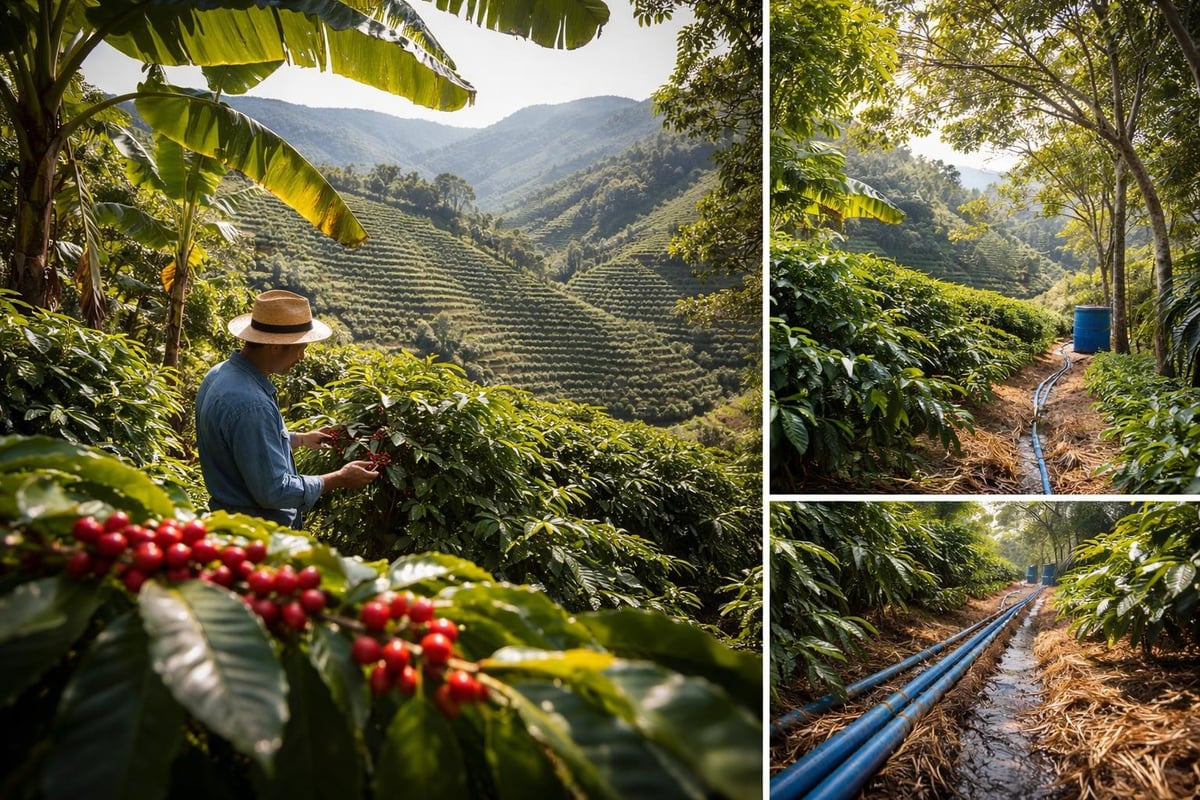
Rising temperatures and shifting rainfall patterns threaten traditional coffee-growing regions. Producers are exploring higher elevations, developing heat-resistant varieties, and implementing shade-growing systems to adapt.
Adaptation strategies include:
- Planting coffee at higher altitudes
- Developing drought-resistant cultivars
- Implementing agroforestry systems
- Investing in water conservation infrastructure
- Diversifying income through intercropping
These changes will influence flavor profiles and availability of single origin beans in coming years. Supporting sustainable producers helps ensure these exceptional coffees remain available for future generations.
Technology and Traceability
Blockchain technology and QR code systems now allow consumers to trace beans from specific farms to their cup. Scanning a package reveals detailed information about the producer, processing method, roast profile, and optimal brewing parameters.
This technological transparency strengthens connections between consumers and producers while providing educational opportunities. As specialty coffee continues evolving, expect even more sophisticated traceability systems that document every step of the supply chain.
Brewing Tips for Maximum Enjoyment
Extracting optimal flavor from single origin beans requires attention to brewing fundamentals. These techniques help showcase the unique characteristics that make your chosen origin special.
Water Quality and Temperature
Water comprises over 98% of brewed coffee, making quality crucial. Use filtered water free from chlorine and excessive mineral content. Total dissolved solids between 75-250 ppm provide ideal extraction without introducing off-flavors.
Temperature affects extraction rate and flavor balance. Light roasted single origin beans benefit from higher temperatures (200-205°F) that fully extract complex flavors. Medium and dark roasts work well at slightly lower temperatures (195-200°F) that reduce bitterness.
Grind Size Optimization
Grind size dramatically impacts extraction. Too fine creates over-extraction and bitterness, while too coarse results in weak, sour coffee. Match grind size to your brewing method:
- Extra coarse: Cold brew
- Coarse: French press, cupping
- Medium-coarse: Chemex, Clever dripper
- Medium: Drip coffee makers, pour-over
- Medium-fine: AeroPress, siphon
- Fine: Espresso machines
- Extra fine: Turkish coffee
Invest in a quality burr grinder for consistent particle size. Blade grinders create uneven grounds that extract irregularly, masking the nuanced flavors of premium single origin beans.
Ratio and Timing
Standard brewing ratio starts at 1:16 (coffee to water by weight). One gram of coffee per 16 grams of water produces balanced extraction. Adjust this ratio based on personal preference and specific origin characteristics.
Timing varies by method. Pour-over typically completes in 2.5-4 minutes, French press in 4 minutes, and espresso in 25-30 seconds. Consistent timing helps maintain reproducible results and identifies when adjustments are needed.
Economic Impact and Fair Trade
The single origin coffee movement has created new economic opportunities throughout producing countries. Understanding these impacts helps consumers make purchasing decisions aligned with their values.
Producer Premiums
Single origin designations often command higher prices than commodity-grade coffee. This premium compensates producers for quality focus, sustainable practices, and the additional labor required for careful sorting and processing.
Farmers who invest in quality improvement can earn significantly more per pound than those selling to commodity markets. This economic incentive encourages better agricultural practices and environmental stewardship.
Community Development
Revenue from specialty single origin sales funds community improvements in producing regions. Farmers invest in education, healthcare, infrastructure, and agricultural research that benefit entire communities.
Some roasters establish formal partnerships that direct portions of sales toward specific development projects. These initiatives create long-term positive impact beyond individual transactions.
Certification Programs
Various certifications help consumers identify beans meeting specific standards. Fair Trade certification ensures minimum pricing and community development premiums. Organic certification verifies cultivation without synthetic pesticides or fertilizers.
Rainforest Alliance and UTZ certifications focus on environmental sustainability and social responsibility. While these programs add costs, they provide frameworks for continuous improvement in producing communities.
Understanding single origin beans opens a world of diverse flavors and meaningful connections to coffee-producing regions worldwide. From the bright, fruity notes of Ethiopian highlands to the smooth chocolate character of Brazilian estates, each origin tells a unique story through its distinctive cup profile. Whether you're exploring lighter roasts that showcase delicate terroir characteristics or prefer bold, full-bodied options, selecting quality beans from transparent sources ensures exceptional experiences. Velours de Paris Coffee specializes in sourcing premium single origin beans from the world's finest regions, roasting them in small batches to preserve the exceptional flavors that make each origin special and delivering the freshness that specialty coffee demands.