

Home Coffee: Elevating Your Daily Brew Experience
The ritual of preparing home coffee has evolved from a simple morning necessity into an art form that rivals the finest café experiences. As consumers increasingly seek quality, convenience, and control over their daily brew, understanding the nuances of crafting exceptional coffee at home becomes essential. Whether you're drawn to the precision of espresso, the smoothness of cold brew, or the classic appeal of drip coffee, mastering your home coffee routine transforms every cup into a moment of genuine pleasure.
Understanding the Foundation of Exceptional Home Coffee
The journey to outstanding home coffee begins with selecting premium beans that match your taste preferences and brewing method. Single-origin coffees deliver distinct flavor profiles that reflect their geographic origins, while carefully crafted blends offer complexity and balance. The freshness of your beans directly impacts flavor quality, making small-batch roasted options particularly valuable for home brewers who appreciate nuanced taste experiences.
Storage practices significantly influence how your beans maintain their character over time. Whole beans retain their aromatic compounds and oils far longer than pre-ground coffee, which begins losing flavor within minutes of grinding. Invest in an airtight container stored in a cool, dark location to preserve the integrity of your coffee. Avoid refrigeration, as moisture and temperature fluctuations can compromise bean quality and introduce unwanted flavors into your morning cup.
Bean Selection and Roast Levels
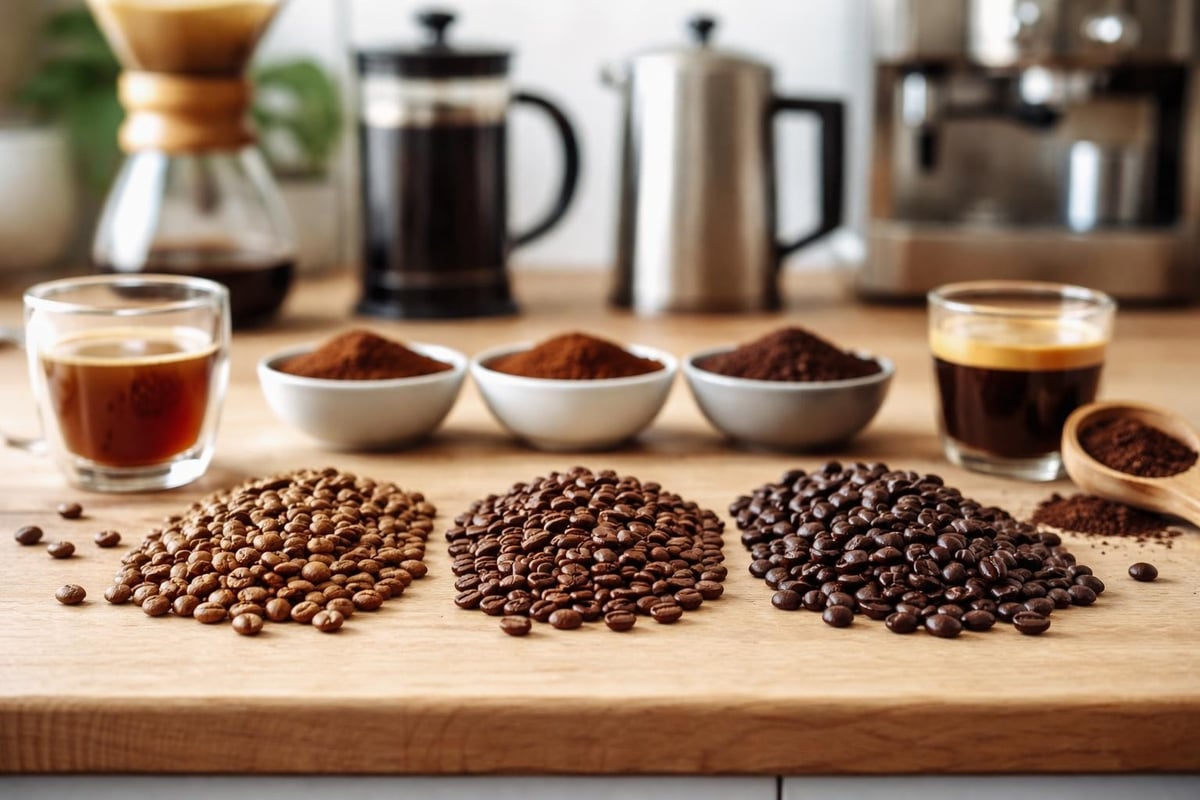
Understanding roast profiles helps you align bean selection with your preferred brewing methods and taste preferences. Light roasts preserve origin characteristics and bright acidity, making them ideal for pour-over and drip methods that highlight subtle flavor notes. Medium roasts balance origin character with developed sweetness, offering versatility across brewing techniques. Dark roasts deliver bold, robust flavors with lower acidity, perfectly suited for espresso and French press applications.
For those exploring specialty coffee options, consider experimenting with different origins and processing methods. Washed coffees tend toward clean, bright profiles, while natural processed beans often exhibit fruit-forward sweetness. Honey-processed coffees fall somewhere between, offering complexity that engages discerning palates.
Essential Equipment for Your Home Coffee Setup
Building an effective home coffee station requires selecting equipment that matches your brewing preferences and skill level. The market offers options ranging from simple manual brewers to sophisticated automatic machines, each delivering distinct advantages. Your choice should reflect both your desired coffee style and the time you're willing to invest in preparation.
| Equipment Type | Best For | Skill Level | Price Range |
|---|---|---|---|
| French Press | Full-bodied coffee | Beginner | $20-$60 |
| Pour-Over | Clean, nuanced flavor | Intermediate | $15-$100 |
| Espresso Machine | Concentrated shots | Advanced | $200-$3000+ |
| Automatic Drip | Convenience, batch brewing | Beginner | $50-$300 |
| Cold Brew Maker | Smooth, low-acid coffee | Beginner | $25-$80 |
Grinder quality often matters more than brewer choice when pursuing exceptional home coffee results. Blade grinders create inconsistent particle sizes that lead to uneven extraction, while burr grinders deliver uniform grounds essential for balanced flavor. Conical burr grinders offer excellent performance at moderate price points, making them popular among serious home brewers who value consistency.
Evaluating Modern Coffee Machines
Today's coffee machine market presents overwhelming choices, from compact units perfect for small kitchens to sophisticated systems that replicate café-quality beverages. The Terra Kaffe Demi offers an excellent balance of automation and compact design for those seeking espresso convenience without sacrificing counter space. For those wanting even more capabilities, the Terra Kaffe TK-02 brings high-end coffee shop experiences directly to your kitchen with impressive automation features.
Budget-conscious consumers should consider machines like the Cuisinart Grind, Tamp and Brew, which integrates grinding and brewing functions at accessible price points. Meanwhile, the Russell Hobbs Everyday Espresso Machine demonstrates that affordability and versatility can coexist in home coffee equipment.
Mastering Brewing Techniques at Home
Water quality and temperature critically influence extraction and flavor development in home coffee preparation. Use filtered water to eliminate chlorine and mineral imbalances that distort taste. Most brewing methods perform optimally between 195-205°F, though cold brew obviously requires different parameters. Investing in a variable temperature kettle provides precise control that elevates consistency across brewing sessions.
The coffee-to-water ratio serves as the foundation for repeatable results. While personal preference ultimately dictates your ideal strength, starting with standard ratios provides a reliable baseline for experimentation:
- French Press: 1:15 ratio (1 gram coffee per 15 grams water)
- Pour-Over: 1:16 ratio for balanced extraction
- Espresso: 1:2 ratio (18g coffee yields 36g espresso)
- Cold Brew: 1:8 ratio for concentrate, diluted to taste
Perfecting the Pour-Over Method
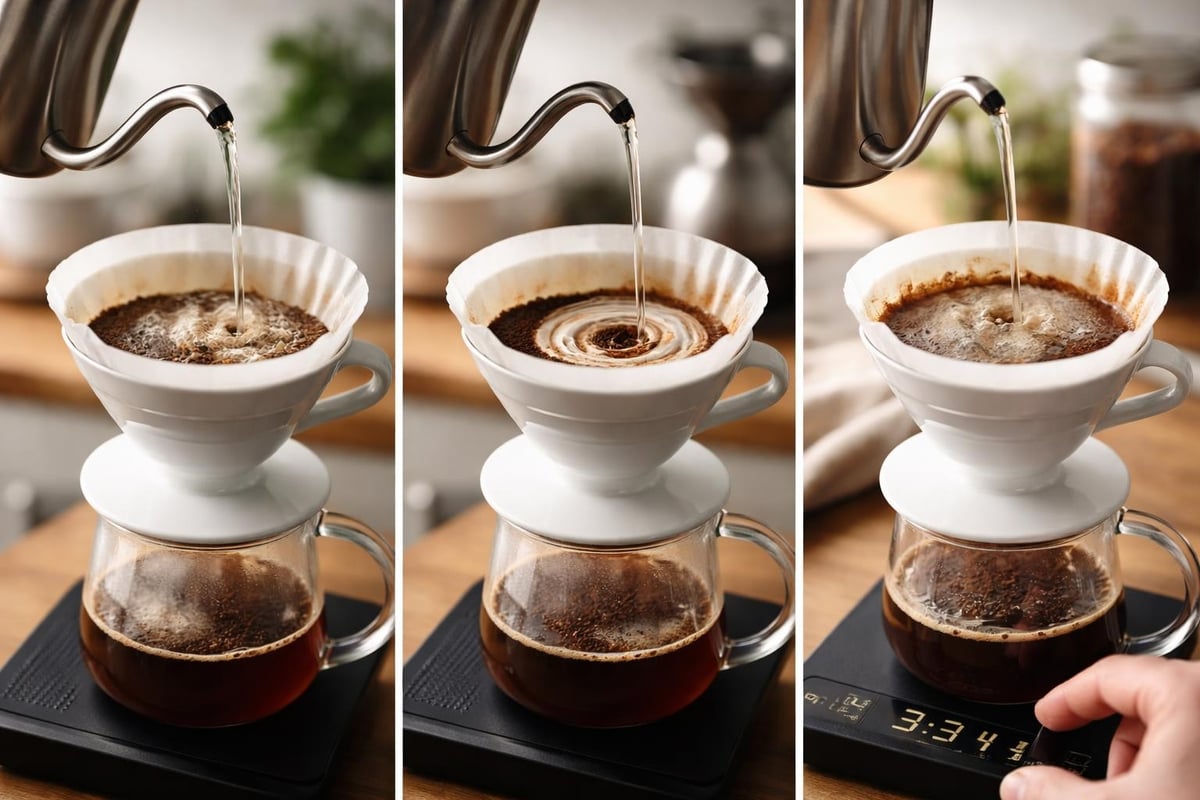
Pour-over brewing rewards patience and precision with exceptional clarity and flavor complexity. Begin by rinsing your filter with hot water to eliminate paper taste and preheat your brewer. Add medium-fine grounds and create a small well in the center. Start your timer and pour just enough water to saturate the grounds, allowing them to bloom for 30-45 seconds as carbon dioxide escapes.
Continue pouring in slow, concentric circles, maintaining consistent water contact with the grounds while avoiding the filter walls. Total brew time should fall between 2.5-3.5 minutes for optimal extraction. This methodical approach, detailed in comprehensive brewing guides from Victrola Coffee Roasters, transforms simple equipment into a precision brewing instrument.
Exploring Coffee Varieties for Home Brewing
Diversifying your home coffee experience means exploring different flavor profiles and origins that match various moods and occasions. Single-origin coffees showcase the terroir and unique characteristics of specific regions, from Ethiopian floral notes to Colombian chocolate undertones. These coffees excel when brewed using methods that highlight their distinctive qualities rather than masking them.
Blended coffees offer consistency and complexity by combining beans from multiple origins or roast levels. A well-crafted breakfast blend delivers reliable morning satisfaction with balanced acidity and sweetness. More adventurous coffee blends might incorporate beans from three or more regions, creating layered flavor experiences that evolve as the cup cools.
Flavored Coffee Options
Flavored coffee brings variety and excitement to your home coffee repertoire without requiring additional syrups or additives. Quality flavored coffee uses natural and artificial flavorings applied to freshly roasted beans, infusing them with everything from classic vanilla to seasonal favorites. Options like cinnamon hazelnut or pumpkin spice offer comforting warmth, while mocha satisfies chocolate cravings.
For those seeking premium beans with exceptional flavor profiles, starting your journey with a trusted roaster ensures quality and consistency. Save 10% use code: WELCOME10 when you explore Velours de Paris Coffee's curated selection, where small-batch roasting and careful sourcing guarantee freshness in every bag.
Advanced Techniques for Coffee Enthusiasts
Temperature profiling in espresso extraction represents an advanced technique that dramatically impacts flavor balance. Pre-infusion at lower temperatures gently saturates the coffee puck before ramping to full pressure, reducing channeling and improving evenness. Some home espresso machines now offer programmable temperature curves, allowing you to emphasize brightness or body depending on your bean selection and desired outcome.
Dialing in your grind size requires systematic adjustment and careful tasting. Too coarse yields sour, under-extracted coffee with thin body, while too fine creates bitter, over-extracted brews with astringent finish. Make small adjustments between brewing sessions, changing only one variable at a time to isolate its impact on flavor.
Cold Brew Mastery
Cold brew coffee delivers smooth, low-acid results perfect for warm weather enjoyment or gentle morning sipping. The extended steeping time extracts different flavor compounds than hot brewing, emphasizing sweetness while minimizing acidity. Coarse grounds steeped in cold water for 12-24 hours create concentrated coffee that dilutes with water, milk, or ice.
Experiment with different cold brew coffee beans to discover how origin and roast level influence the final product. Medium roasts often perform exceptionally well, offering chocolate and nutty notes without overwhelming bitterness. Store your concentrate in the refrigerator for up to two weeks, providing convenient access to refreshing coffee whenever needed.
Troubleshooting Common Home Coffee Challenges
Inconsistent results frustrate even experienced home brewers, but systematic troubleshooting identifies and resolves most issues. Sour coffee typically indicates under-extraction caused by coarse grind, insufficient contact time, or water temperature below optimal range. Conversely, bitter coffee signals over-extraction from fine grind, extended brewing time, or excessively hot water.
Weak or watery coffee often results from incorrect coffee-to-water ratios rather than brewing technique failures. Measure your coffee and water by weight rather than volume for precision and repeatability. A digital scale eliminates guesswork and enables you to replicate successful brews while adjusting parameters when needed.
Equipment Maintenance and Care
Regular cleaning prevents rancid oils and mineral deposits from compromising your home coffee quality. Rinse removable parts after each use and perform deep cleaning weekly using appropriate cleaners. Espresso machines require backflushing and group head cleaning to maintain optimal performance. Neglecting maintenance gradually degrades flavor quality and potentially damages equipment over time.
Descaling removes mineral buildup that restricts water flow and affects temperature stability. Use manufacturer-recommended descaling solutions at intervals based on water hardness and usage frequency. Grinders benefit from periodic purging with rice or specialized cleaning tablets that absorb residual oils without damaging burrs.
Building Your Coffee Knowledge
Continuous learning elevates your home coffee experience from routine to refined pursuit. Resources like JavaPresse's perfect coffee starter guide provide foundational knowledge, while more detailed brewing guides from Magnetic North Coffee offer method-specific techniques for various brewing approaches.
Tasting coffee mindfully develops your palate and helps you articulate preferences. Note characteristics like acidity, body, sweetness, and finish. Compare coffees side-by-side to highlight differences between origins, roast levels, or processing methods. This deliberate attention transforms passive consumption into active appreciation that guides future purchasing decisions.
Exploring Seasonal and Limited Offerings
Many specialty roasters release seasonal coffees that showcase harvest timing and unique processing experiments. These limited-availability beans provide opportunities to expand your flavor vocabulary and discover unexpected preferences. Best sellers often represent crowd-pleasing profiles, making them safe choices when exploring unfamiliar roasters or origins.
Sampling different options through sample packs allows you to experience variety without committing to full-size bags. This approach proves particularly valuable when building your home coffee foundation or introducing friends and family to specialty coffee culture.
Convenience Options for Busy Schedules
Modern life sometimes demands convenience without sacrificing quality. Coffee pods and capsules offer speed and consistency, though environmental considerations and per-cup costs deserve evaluation. Premium capsule systems now deliver respectable quality approaching traditional brewing methods, making them viable options for rushed mornings or office settings.
Pre-ground coffee certainly provides convenience but compromises freshness compared to whole bean options. If choosing pre-ground, purchase smaller quantities and consume quickly to minimize flavor degradation. Store in airtight containers away from light and heat, understanding that even ideal storage cannot fully prevent quality decline once beans are ground.
Decaffeinated Coffee Excellence
Quality decaf coffee has improved dramatically through advanced processing methods that preserve flavor while removing caffeine. Swiss Water Process and CO2 decaffeination produce cleaner results than traditional chemical methods, delivering evening coffee enjoyment without sleep disruption. Many specialty roasters now apply the same sourcing and roasting standards to decaf as their caffeinated offerings.
Brewing decaf coffee follows identical parameters as regular coffee, though slightly finer grind sometimes compensates for reduced soluble compounds. Don't assume decaf requires different techniques; apply the same attention to water quality, temperature, and timing for optimal results.
Mastering home coffee requires dedication to quality beans, proper equipment, and refined technique, but the rewards manifest in every exceptional cup. Whether you prefer the precision of espresso, the clarity of pour-over, or the convenience of automated brewing, understanding fundamental principles empowers you to craft café-quality beverages in your own kitchen. Elevate your daily ritual with premium, small-batch roasted beans from Velours de Paris Coffee, where exceptional sourcing and careful roasting ensure freshness and flavor in every bag you brew.