

Freshly Roasted Coffee: Unlocking Peak Flavor in 2026
The coffee industry has experienced a remarkable transformation over the past decade, with consumers increasingly seeking quality over convenience. At the heart of this specialty coffee movement lies one fundamental principle: freshness matters. Understanding what separates freshly roasted coffee from mass-produced alternatives can elevate your daily coffee ritual from a mundane routine into an exceptional sensory experience that showcases the true potential locked within each bean.
The Science Behind Fresh Coffee Roasting
Roasting coffee is a complex chemical process that transforms raw green beans into the aromatic brown beans we recognize. During roasting, temperatures reaching 400-450°F trigger hundreds of chemical reactions, including the Maillard reaction and caramelization, which develop the flavors and aromas we associate with great coffee.
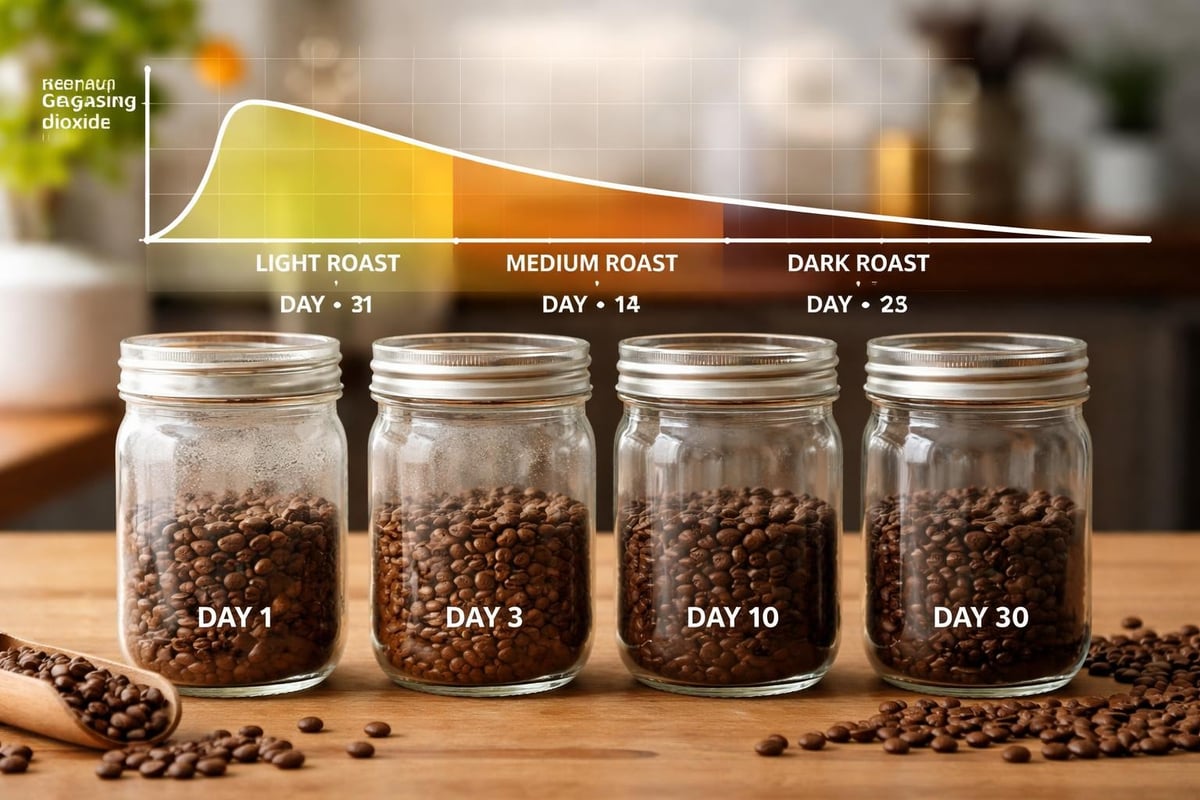
The magic happens in the days immediately following the roast. Freshly roasted coffee undergoes a degassing period where it releases carbon dioxide trapped during roasting. This process significantly impacts extraction quality and flavor development. Most specialty roasters recommend allowing beans to rest for 24-72 hours after roasting before brewing, though the optimal window varies depending on roast level and brewing method.
Peak Flavor Windows
Understanding when coffee reaches its peak requires knowing the freshness timeline:
- Days 3-7: Optimal flavor for most brewing methods
- Days 7-14: Still excellent quality with proper storage
- Days 14-30: Good quality begins to decline gradually
- Beyond 30 days: Noticeable staleness and flavor loss
The National Coffee Association provides detailed guidelines on maintaining freshness throughout these critical periods. Their research demonstrates that proper handling during the first month after roasting makes the difference between exceptional and mediocre coffee.
Identifying Truly Fresh Coffee
Not all coffee labeled as "fresh" actually delivers on that promise. The specialty coffee industry has developed specific markers that help consumers identify genuinely freshly roasted coffee.
Roast Date vs. Best By Date: The single most important indicator is the roast date printed on the bag. Quality roasters always include this information, while commercial brands typically only provide a "best by" date that may be 12-24 months in the future. A true roast date tells you exactly when the beans were roasted, allowing you to calculate freshness accurately.
Visual and Aromatic Indicators
Fresh beans exhibit distinct characteristics that diminish over time. When you open a bag of recently roasted coffee, you should experience an immediate, intense aroma. This olfactory intensity indicates the presence of volatile compounds that contribute to flavor complexity.
Visual inspection reveals additional clues. Freshly roasted coffee often appears slightly oily on the surface for darker roasts, though lighter roasts remain dry. The beans should have a uniform color without any fading or dullness that suggests oxidation.
| Freshness Indicator | Fresh Coffee | Stale Coffee |
|---|---|---|
| Aroma intensity | Strong, complex | Weak, flat |
| Bean appearance | Vibrant, uniform | Dull, faded |
| Oil presence | Visible (dark roasts) | Dried or absent |
| Degassing | Active CO2 release | Minimal activity |
Storage Methods That Preserve Quality
Even the finest freshly roasted coffee deteriorates rapidly without proper storage. Commonwealth Coffee Roasters explains that protecting beans from four primary enemies-heat, light, air, and moisture-preserves quality throughout the consumption window.
Airtight Containers: Transfer beans to containers with tight-sealing lids immediately after opening the original bag. Glass, ceramic, or stainless steel containers work best, as they don't absorb odors or impart flavors.
The storage environment matters tremendously. Keep coffee in a cool, dark location away from heat sources like stoves or direct sunlight. Room temperature (60-70°F) in a pantry or cabinet provides ideal conditions. Many coffee enthusiasts debate freezing beans, but this practice only benefits long-term storage exceeding one month and requires specific procedures to prevent moisture contamination.
Packaging Technology
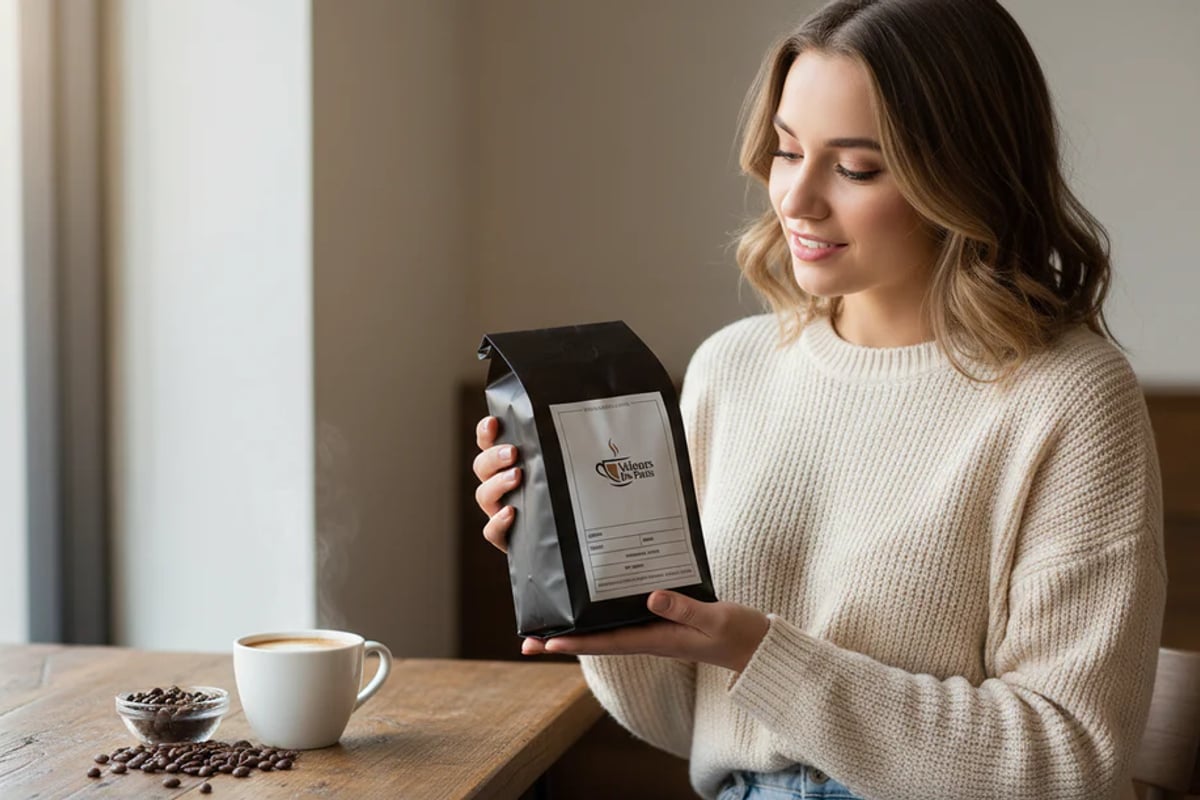
Modern coffee packaging has evolved to extend freshness significantly. One-way valve bags allow carbon dioxide to escape while preventing oxygen from entering, maintaining optimal conditions for degassing without compromising freshness. Melbourne Coffee Beans discusses how vacuum sealing and specialized valve systems work together to preserve flavor compounds.
For those exploring different coffee varieties, starting with sample packs allows you to experience multiple origins and roast profiles while maintaining optimal freshness through smaller quantities.
The Flavor Difference You Can Taste
The sensory experience of freshly roasted coffee differs dramatically from pre-ground or stale alternatives. When coffee is fresh, you taste the intended flavor profile the roaster carefully developed-whether that's bright citrus notes in a light Ethiopian roast or rich chocolate undertones in a medium Brazilian blend.
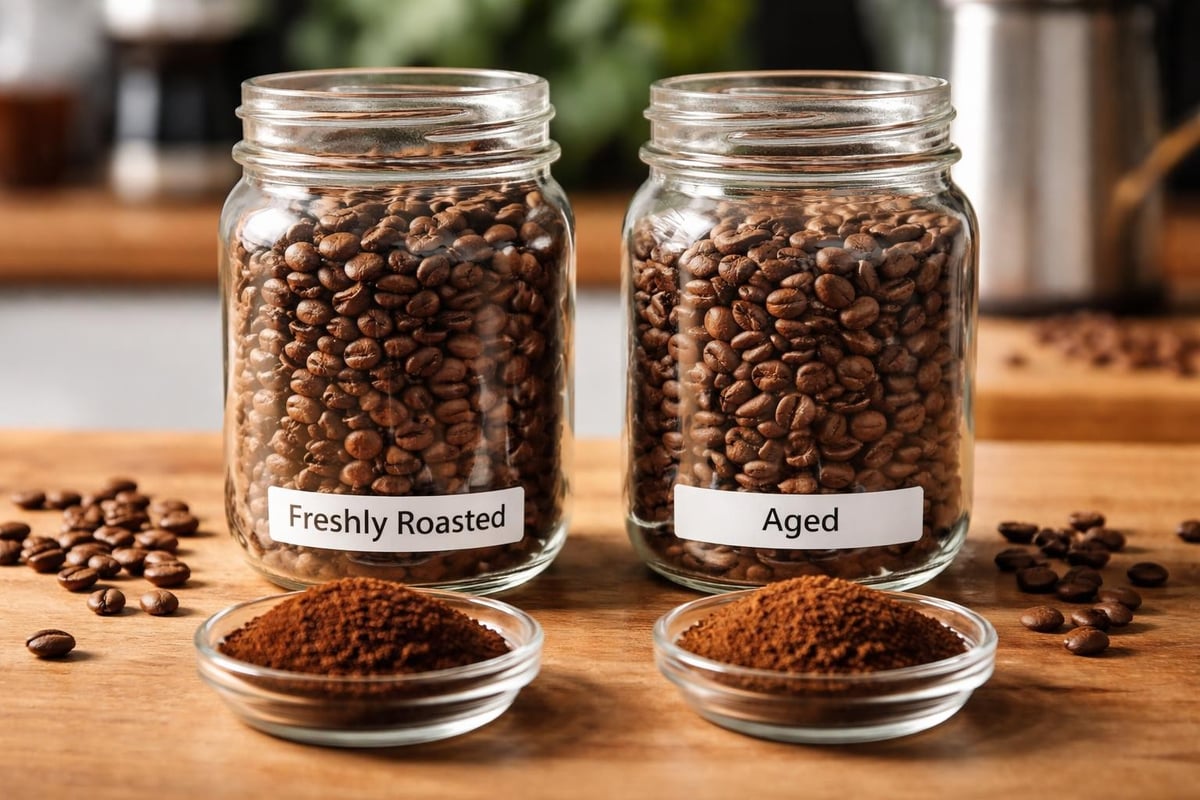
Fresh coffee delivers clarity and definition. Individual tasting notes remain distinct rather than blending into a generic "coffee" flavor. A quality single origin coffee showcases the unique characteristics of its growing region, processing method, and varietal when consumed at peak freshness.
Brewing Variables and Freshness
The relationship between freshness and brewing cannot be overstated. Fresh beans require different extraction parameters than older coffee. During the first few days after roasting, increased CO2 content can cause channeling in espresso or excessive bubbling in pour-over methods.
Adjusting grind size, water temperature, and brew time compensates for these freshness-related variables:
- Grind slightly coarser for very fresh beans (days 1-3)
- Use standard parameters during peak window (days 4-14)
- Grind slightly finer as beans age (days 15-30)
- Increase brew temperature for older beans to improve extraction
Small Batch Roasting Advantages
Large commercial roasters prioritize shelf stability over peak flavor, often roasting darker to mask the taste of stale beans. Small batch roasting, by contrast, focuses on highlighting origin characteristics and achieving precise roast profiles that enhance natural flavors.
Small batch roasters typically roast only what they can sell within days or weeks, ensuring customers receive genuinely freshly roasted coffee. This approach allows for greater quality control, experimentation with roast profiles, and the ability to source exceptional micro-lots that larger operations overlook.
The relationship between roaster and consumer grows stronger through this model. When you purchase from specialty roasters who provide roast dates and freshness guarantees, you're supporting a business model that prioritizes quality over mass production. IntelligentHQ explores how this investment in freshly roasted coffee delivers returns through enhanced flavor and customization opportunities.
Regional Sourcing and Fresh Roasting
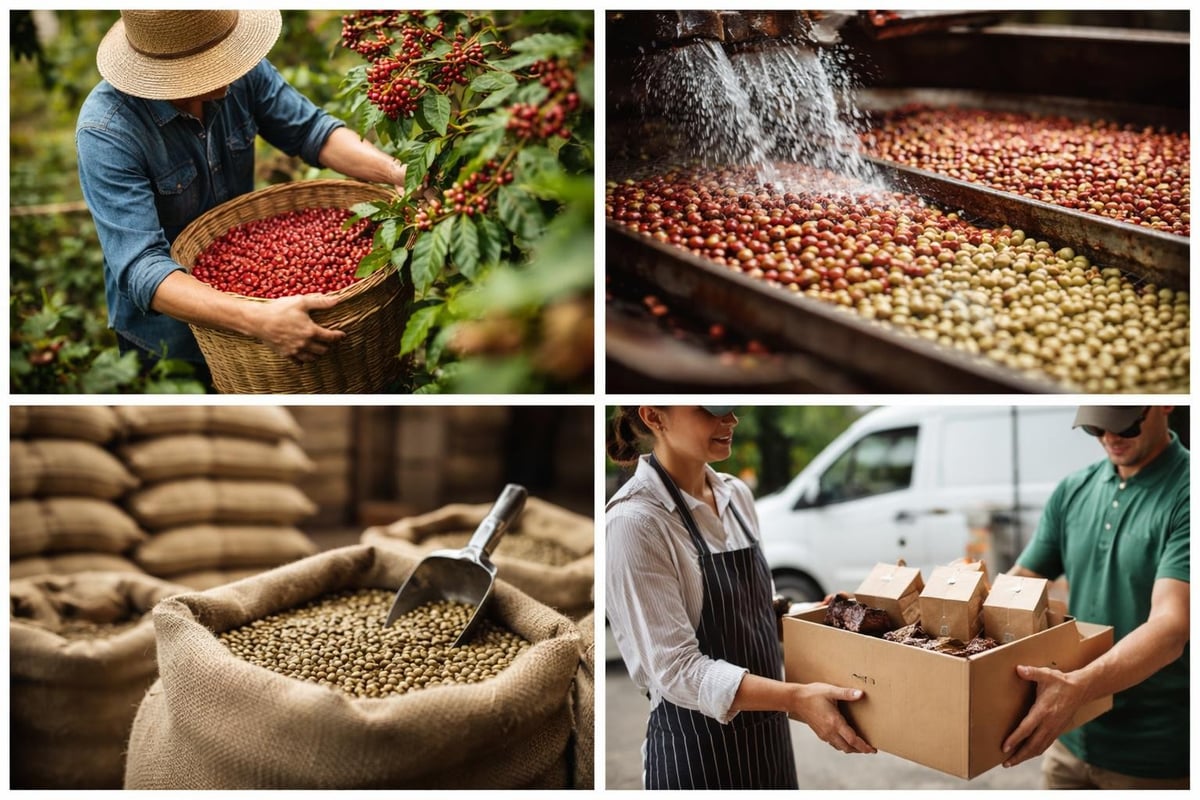
The journey from farm to cup matters tremendously for coffee quality. Freshly roasted coffee starts with exceptional green beans sourced from premier growing regions worldwide. Ethiopia, Colombia, Guatemala, Kenya, and Brazil each produce beans with distinct flavor profiles shaped by altitude, soil composition, climate, and processing methods.
Direct Trade Relationships: Progressive roasters establish direct relationships with coffee farmers, ensuring better compensation and access to higher-grade beans. These partnerships also provide transparency about cultivation practices, harvest timing, and processing methods that impact final cup quality.
When green beans arrive at the roastery, proper storage maintains their potential. Green coffee stored in climate-controlled environments retains quality for months, but once roasted, the clock starts ticking immediately. This is why timing the roast to align with customer orders ensures maximum freshness upon delivery.
Seasonal Variations
Coffee is an agricultural product with harvest seasons varying by region. Understanding these cycles helps consumers appreciate why certain origins taste best during specific months:
| Region | Harvest Season | Peak Availability |
|---|---|---|
| Central America | November-March | January-May |
| East Africa | October-December | December-April |
| South America | April-August | June-October |
| Indonesia | May-August | July-November |
Exploring coffee blends provides consistency year-round while showcasing how master roasters combine complementary beans to create balanced, complex flavor profiles.
Health and Wellness Benefits
Beyond superior flavor, freshly roasted coffee offers notable health advantages. Farm Fresh Delivery discusses how fresh coffee provides smoother energy boosts and better digestion compared to stale alternatives.
The antioxidant content in coffee begins degrading immediately after roasting. Fresh beans contain higher concentrations of chlorogenic acids and polyphenols, compounds linked to various health benefits including reduced inflammation and improved metabolic function. Stale coffee loses these beneficial compounds while developing potentially harsh or bitter flavors that can cause digestive discomfort.
Reduced Acidity: Properly roasted and fresh coffee often presents balanced acidity rather than the sharp, unpleasant sourness associated with over-roasted or stale beans. This makes fresh coffee gentler on sensitive stomachs while maintaining the brightness that makes specialty coffee enjoyable.
Building Your Fresh Coffee Routine
Incorporating freshly roasted coffee into your daily routine requires minimal effort but delivers maximum rewards. Start by purchasing smaller quantities more frequently rather than bulk buying. A two-week supply ensures you consume coffee within its peak freshness window.
Invest in quality storage equipment. An airtight container costs just a few dollars but preserves hundreds of dollars worth of coffee over time. Cherry Mouth Roasters emphasizes the importance of buying fresh, locally roasted beans and maintaining proper storage conditions.
Developing Your Palate
Tasting freshly roasted coffee regularly trains your palate to recognize quality indicators and flavor nuances. Keep notes about different origins, roast levels, and brewing methods. This practice enhances appreciation and helps you identify your preferences across the vast spectrum of coffee flavors.
Consider exploring specialty coffee offerings that highlight exceptional growing conditions and meticulous processing. These coffees often showcase what's possible when every step from farm to cup prioritizes quality.
If you're just beginning your fresh coffee journey, taking advantage of introductory offers helps you sample various options without significant investment. These opportunities make trying premium freshly roasted coffee more accessible while discovering which profiles resonate with your taste preferences.
Professional Applications
Coffee shops, restaurants, and offices benefit enormously from serving freshly roasted coffee. Amokka Coffee shares storage tips specifically for commercial environments, including ordering practices that ensure constant rotation and optimal freshness.
Businesses that prioritize fresh coffee distinguish themselves in competitive markets. Customers increasingly recognize and appreciate quality, making fresh coffee a differentiator that builds loyalty and justifies premium pricing.
Employee Satisfaction: Providing freshly roasted coffee in workplace settings demonstrates investment in employee experience. Quality coffee improves morale, productivity, and creates moments of genuine enjoyment throughout the workday.
For commercial applications, partnering with roasters who provide consistent quality, reliable delivery schedules, and appropriate packaging sizes ensures operations run smoothly while maintaining the highest standards. This relationship between roaster and business creates a supply chain focused on freshness from roasting through service.
Sustainable Freshness Practices
The pursuit of freshly roasted coffee aligns naturally with sustainability goals. Small batch roasting reduces waste by producing only what customers need. Direct trade relationships ensure farmers receive fair compensation, supporting communities and encouraging sustainable farming practices.
Purchasing whole bean coffee and grinding immediately before brewing eliminates packaging waste associated with single-serve pods while delivering superior freshness and flavor. For those who prefer convenience, exploring coffee pods and capsules from roasters who prioritize freshness within this format provides middle-ground solutions.
Local Roasting Benefits: Supporting local or regional roasters reduces transportation time and carbon footprint while ensuring beans reach you within days of roasting. This geographical proximity enables the freshness that defines specialty coffee while building community connections.
The environmental impact extends beyond carbon considerations. Fresh coffee requires less product to achieve satisfying flavor, potentially reducing overall consumption. When each cup delivers exceptional quality, satisfaction comes from smaller quantities, making premium freshly roasted coffee both economically and environmentally sensible.
Understanding and appreciating freshly roasted coffee transforms your daily brewing ritual into an experience that honors the craftsmanship, agricultural excellence, and scientific precision behind every cup. By prioritizing roast dates, proper storage, and peak consumption windows, you unlock flavors and aromas that mass-produced alternatives simply cannot deliver. Whether you're exploring flavored coffee varieties or diving deep into single origins, Velours de Paris Coffee provides small-batch roasted beans that arrive at your door within days of roasting, ensuring every cup captures the exceptional quality and freshness that defines truly premium coffee.