

Best Specialty Coffee: Your Complete 2026 Guide
Finding the best specialty coffee transforms your daily caffeine ritual into an exceptional sensory experience. Specialty coffee represents the pinnacle of the coffee industry, with beans scoring 80 points or higher on a 100-point scale evaluated by certified Q Graders according to standards set by the Specialty Coffee Association. This commitment to quality encompasses every stage, from cultivation and harvesting to roasting and brewing, ensuring that each cup delivers distinctive flavors and remarkable complexity. As the third wave of coffee culture continues to evolve in 2026, consumers increasingly seek transparency, sustainability, and extraordinary taste in their daily brew.
What Defines the Best Specialty Coffee
The specialty coffee designation requires rigorous standards that separate exceptional beans from commodity-grade coffee. These standards evaluate everything from bean size and defect count to moisture content and sensory characteristics.
Grading and Scoring Standards
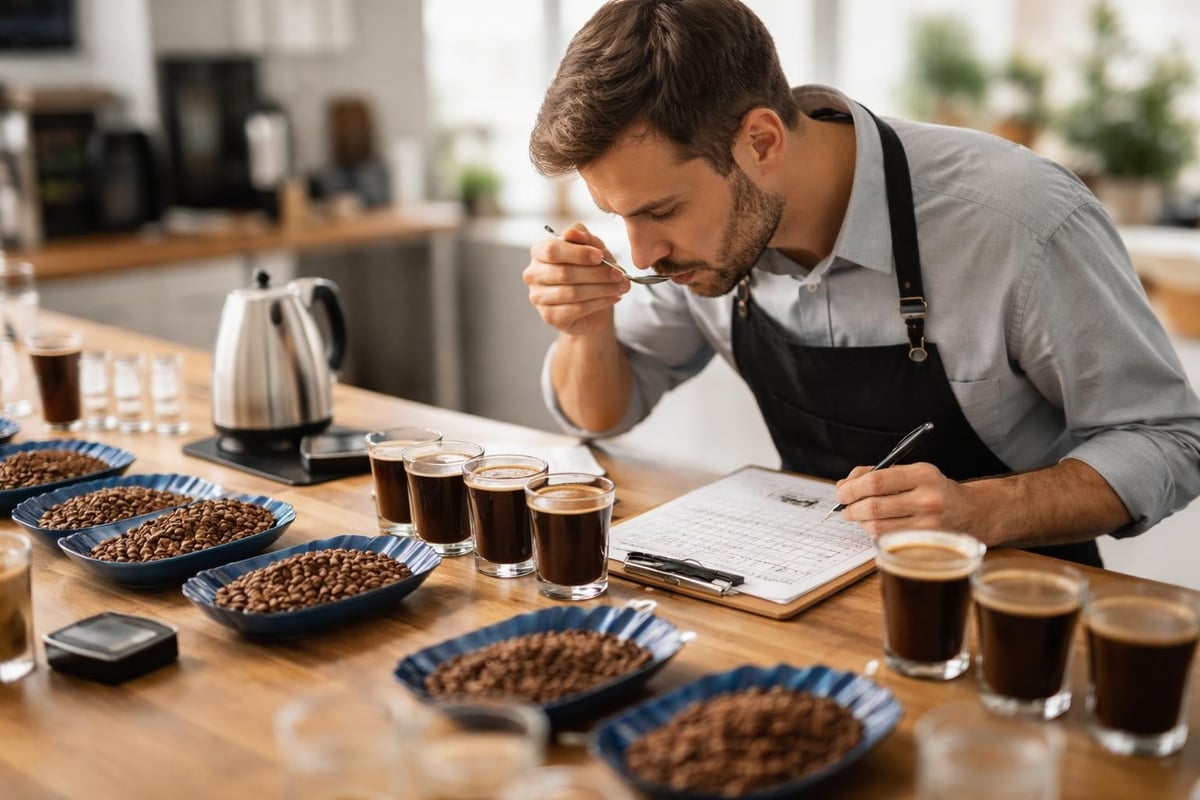
Specialty coffee undergoes meticulous evaluation through cupping protocols that assess aroma, flavor, aftertaste, acidity, body, balance, sweetness, cleanliness, and uniformity. Professional tasters score each attribute, and only coffees achieving 80 points or higher earn specialty status.
Key grading criteria include:
- Zero primary defects and fewer than five secondary defects per 300-gram sample
- Consistent bean size within specified screen sizes
- Moisture content between 10% and 12% for optimal preservation
- Clean cup profile without taste defects or contamination
- Traceability to specific farms, cooperatives, or regions
The distinction between commodity and specialty coffee becomes immediately apparent when you compare flavor profiles side by side. While mass-market coffee often tastes flat and bitter, the best specialty coffee reveals nuanced notes ranging from bright citrus and stone fruit to rich chocolate and toasted nuts.
Origin and Terroir Impact
Geography profoundly influences coffee flavor characteristics. Altitude, soil composition, climate patterns, and processing methods create distinct regional profiles that define the best specialty coffee from each origin.
| Origin Region | Altitude Range | Flavor Profile | Processing Method |
|---|---|---|---|
| Ethiopian Highlands | 1,500-2,200m | Floral, citrus, berry notes | Natural, washed |
| Colombian Andes | 1,200-2,000m | Caramel, nuts, medium acidity | Washed |
| Kenyan Plateaus | 1,400-2,000m | Bright acidity, blackcurrant, wine-like | Washed, double fermented |
| Costa Rican Valleys | 1,200-1,700m | Honey, stone fruit, balanced | Honey, washed |
| Sumatran Islands | 1,000-1,500m | Earthy, herbal, full body | Wet-hulled |
Single-origin offerings showcase these terroir-driven characteristics, allowing coffee enthusiasts to experience the distinct personality of each growing region. Many roasters now provide detailed information about farm elevation, varietal, and processing method, enabling informed purchasing decisions.
Sourcing the Best Specialty Coffee Beans
Direct trade relationships and transparent sourcing practices distinguish superior specialty coffee roasters from conventional suppliers. The best specialty coffee typically comes through relationships that ensure fair compensation for farmers while maintaining quality standards.
Direct Trade and Farmer Relationships
Forward-thinking roasters establish long-term partnerships with coffee producers, often visiting farms regularly to collaborate on quality improvement initiatives. These relationships bypass traditional commodity markets, allowing farmers to receive premium prices for exceptional harvests.
This approach benefits everyone involved. Farmers gain financial stability and incentives to invest in quality-focused cultivation techniques. Roasters secure access to outstanding beans with consistent characteristics year after year. Consumers receive exceptional coffee with documented provenance and ethical credentials.
Benefits of direct trade sourcing:
- Higher compensation for coffee farmers and workers
- Investment in sustainable agricultural practices
- Quality feedback loops between roasters and producers
- Transparent pricing and supply chain documentation
- Long-term crop planning and relationship stability
Some roasters participate in competitive auctions like the Cup of Excellence, where top-scoring lots command premium prices while elevating entire regional quality standards. These competitions identify exceptional micro-lots that represent the absolute pinnacle of specialty coffee production.
Seasonal Availability and Freshness
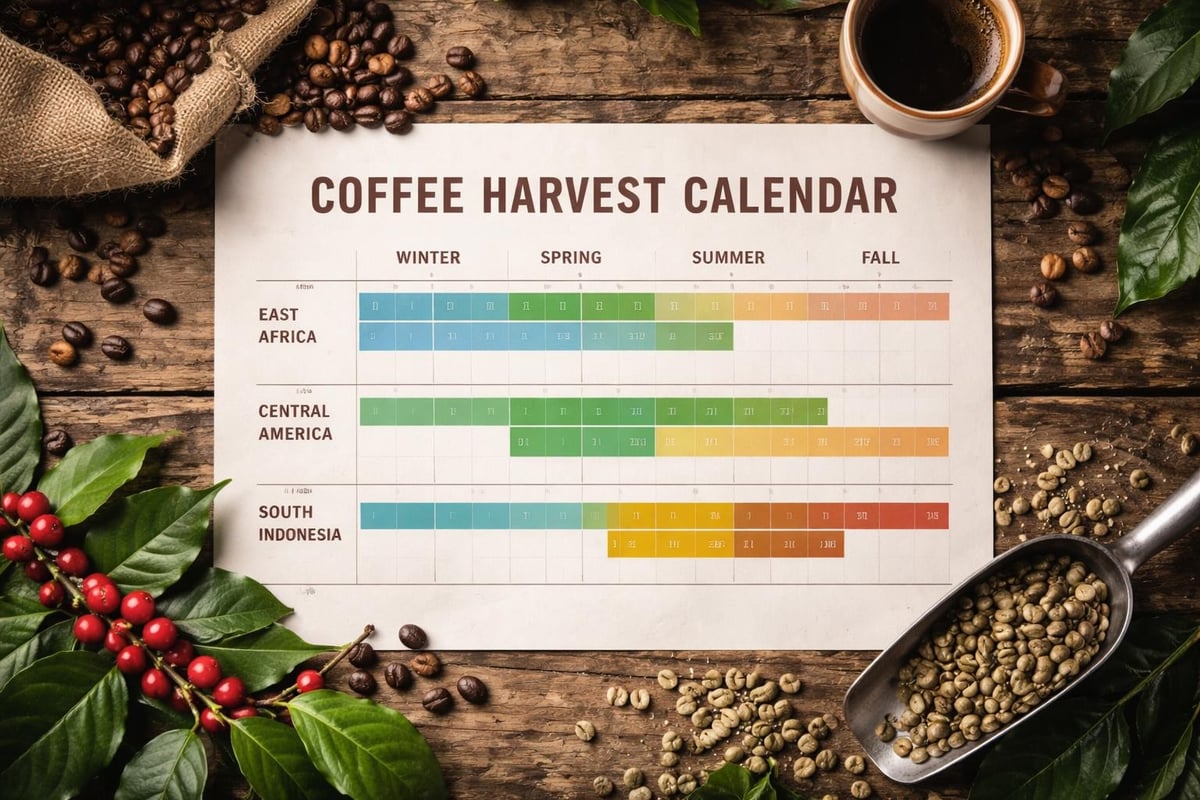
Coffee is an agricultural product with distinct harvest seasons that vary by hemisphere and region. Understanding these cycles helps you access the best specialty coffee at peak freshness throughout the year.
East African harvests typically arrive between November and March, while Central American coffees reach roasters from January through May. South American origins span May through September, and Indonesian coffees become available from May through December. Knowledgeable roasters rotate their offerings seasonally, ensuring you receive recently harvested beans with vibrant flavor characteristics.
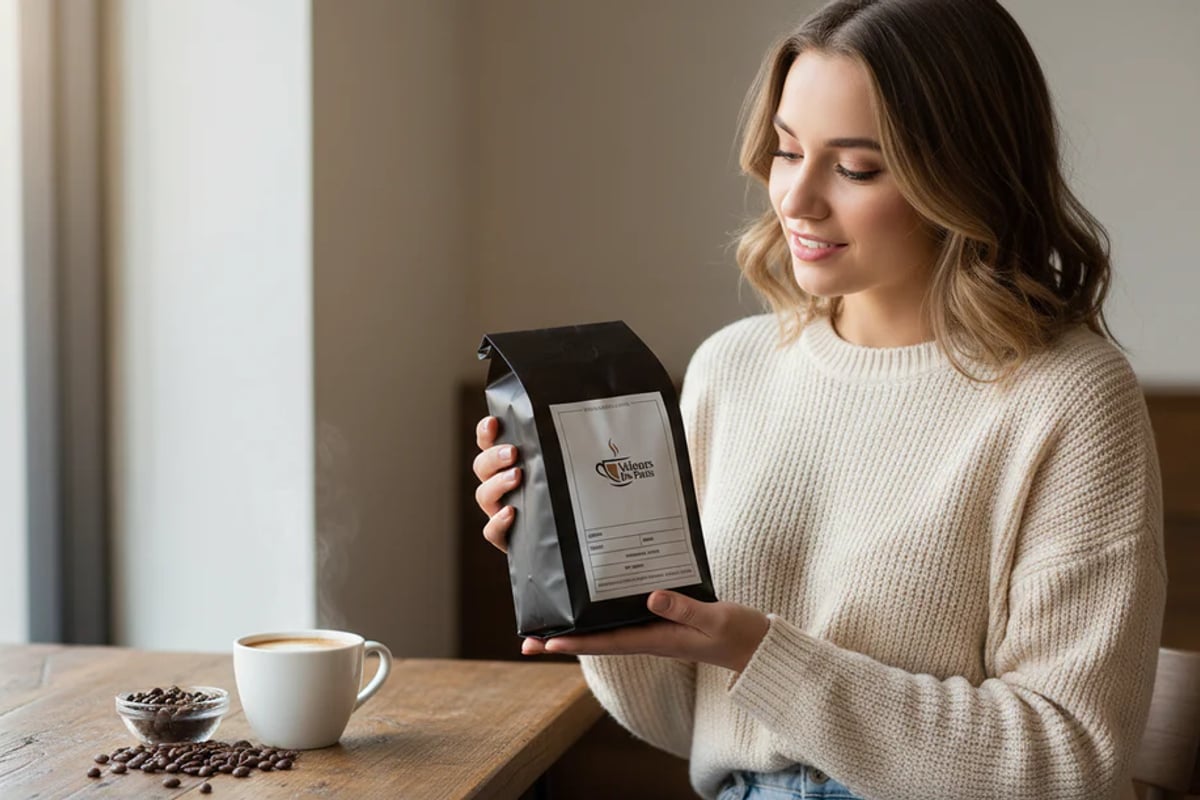
Fresh coffee tastes dramatically better than stale beans. Specialty coffee begins losing volatile aromatic compounds within weeks of roasting, with noticeable degradation after 30 days. The best specialty coffee reaches consumers within two to four weeks of roasting, packaged in valve-sealed bags that allow CO2 release while preventing oxygen exposure.
Roasting Techniques for Specialty Coffee Excellence
Roasting transforms green coffee beans into the aromatic, flavorful products we brew and enjoy. The best specialty coffee roasters approach this craft with scientific precision and artistic sensibility, developing custom roast profiles that highlight each origin's unique characteristics.
Small-Batch Roasting Advantages
Small-batch roasting allows meticulous attention to detail impossible in large commercial operations. Roasters can monitor temperature curves minute by minute, adjusting airflow and heat input to achieve desired development levels.
This hands-on approach produces superior results. Large-batch industrial roasters must compensate for uneven heat distribution and variable bean density, often resulting in some beans roasting faster than others. Small batches receive uniform heat application, ensuring consistent development throughout the entire lot.
Velours de Paris Coffee exemplifies this commitment to quality through careful small-batch roasting that preserves the distinctive characteristics of their premium beans. Freshly roasted coffee delivers aromatic complexity and flavor clarity that gradually diminishes with time, making the roasting schedule a critical quality factor. When you're ready to experience exceptional specialty coffee, save 10% on your first order with code WELCOME10 and discover the difference that artisanal roasting makes in every cup.
Roast Level Selection
Roast degree significantly impacts flavor expression. Light roasts preserve origin characteristics, acidity, and delicate floral or fruity notes. Medium roasts balance origin characteristics with developed sweetness and body. Dark roasts emphasize roast-derived flavors like chocolate, caramel, and toasted nuts while reducing acidity and origin-specific nuances.
The best specialty coffee roasters select roast levels based on each bean's inherent characteristics rather than applying uniform profiles across all origins. Ethiopian naturals might receive light roasts that showcase their wild berry aromatics, while Brazilian pulped naturals might develop better at medium levels that amplify their chocolatey sweetness.
Roast level characteristics:
- Light (City/City+): Bright acidity, pronounced origin character, tea-like body
- Medium (Full City): Balanced acidity and sweetness, rounded body, broader appeal
- Medium-Dark (Vienna): Reduced acidity, enhanced body, caramelized sweetness
- Dark (French): Low acidity, heavy body, roast-dominant flavors
Understanding your personal preferences helps you select appropriate roast levels. Experiment across the spectrum to discover which expressions you enjoy most.
Brewing Methods That Showcase Quality
Even the best specialty coffee fails to impress when brewed improperly. Extraction science determines how effectively water dissolves desirable compounds while leaving behind unpleasant elements.
Variables That Control Extraction
Five primary variables influence coffee extraction: grind size, water temperature, brew time, coffee-to-water ratio, and water quality. Mastering these parameters unlocks the full potential of premium beans.
| Variable | Optimal Range | Impact |
|---|---|---|
| Grind Size | Method-dependent | Controls extraction speed and surface area |
| Water Temperature | 195-205°F (90-96°C) | Affects solubility and extraction efficiency |
| Brew Time | 2-8 minutes | Determines extraction percentage |
| Coffee Ratio | 1:15 to 1:17 | Influences strength and concentration |
| Water Quality | 50-175 ppm TDS | Impacts flavor clarity and extraction |
Grind size requires particular attention. Fine grinds increase surface area and extraction speed, suitable for espresso's short contact time. Coarse grinds slow extraction, ideal for immersion methods like French press. Using the wrong grind size produces either under-extracted sourness or over-extracted bitterness.
Popular Brewing Methods Compared
Different brewing methods emphasize various aspects of coffee flavor. Pour-over techniques like Chemex or V60 produce clean, bright cups that highlight delicate nuances. Immersion methods like French press generate fuller body with more texture. Espresso concentrates flavors into intense, syrupy shots perfect for milk-based drinks.
Influential figures like James Hoffmann have popularized precise brewing techniques through detailed educational content, helping enthusiasts achieve cafe-quality results at home. His methodical approach to variables and consistency has elevated home brewing standards across the specialty coffee community.
Method selection guide:
- Pour-over: Best for highlighting clarity, acidity, and subtle flavors
- French press: Ideal for full-bodied, textured experiences
- Espresso: Perfect for concentrated intensity and milk drinks
- AeroPress: Versatile for experimentation and travel
- Cold brew: Smooth, low-acid option for warm weather
Experimenting with different methods using the same beans reveals how dramatically technique influences the final cup. The best specialty coffee adapts to various approaches, displaying different facets of its complex flavor profile.
Storage and Preservation Best Practices
Proper storage extends the enjoyment window for specialty coffee. Four primary enemies degrade coffee quality: oxygen, moisture, heat, and light. Minimizing exposure to these elements preserves freshness longer.
Optimal Storage Conditions
Store coffee in airtight containers kept in cool, dark locations. Avoid refrigeration or freezing for beans you'll consume within three weeks, as temperature fluctuations cause condensation that damages cell structure. For long-term storage beyond one month, freezing in vacuum-sealed portions works effectively.
Original valve-sealed bags provide adequate short-term storage when rolled tightly and clipped. Dedicated coffee canisters with CO2 valves offer superior protection by allowing degassing while preventing oxygen ingress. Glass jars look attractive but admit light unless stored in cabinets.
Grind coffee immediately before brewing rather than pre-grinding large quantities. Ground coffee stales dramatically faster than whole beans due to exponentially increased surface area exposed to air. A burr grinder ensures particle uniformity while preserving flavor integrity better than blade grinders.
Flavor Profiles and Tasting Notes
Developing your palate enhances appreciation for the best specialty coffee. Professional cuppers identify dozens of distinct aromatics and flavors, categorized using standardized lexicons that facilitate communication about coffee characteristics.
Understanding the Coffee Flavor Wheel
The Specialty Coffee Association's flavor wheel organizes attributes hierarchically, from broad categories like fruity or nutty to specific descriptors like blueberry or hazelnut. This systematic approach helps identify and articulate taste experiences.
Common flavor categories include:
- Fruity: Berry, citrus, stone fruit, tropical fruit
- Sweet: Caramel, honey, chocolate, vanilla
- Nutty: Almond, hazelnut, peanut, walnut
- Floral: Jasmine, rose, chamomile, lavender
- Spicy: Cinnamon, clove, pepper, cardamom
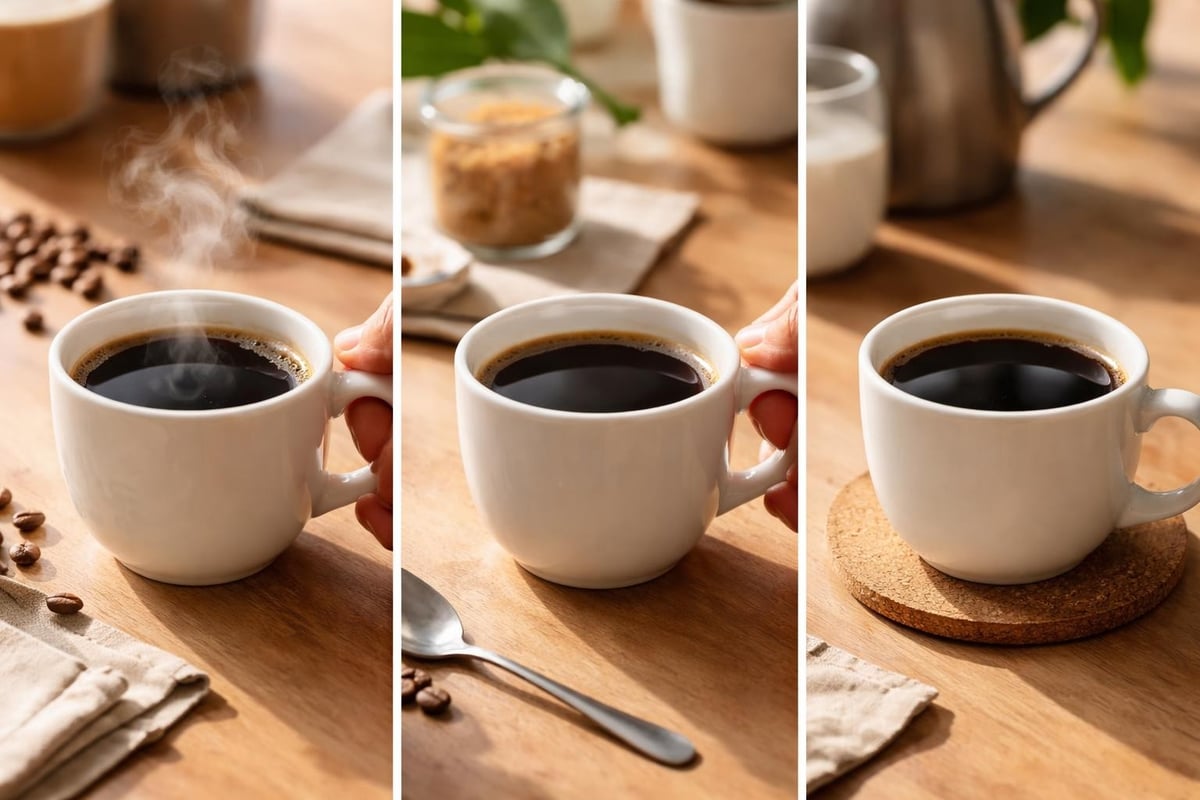
Tasting coffee thoughtfully involves noting aroma before sipping, observing initial flavor impressions, mid-palate development, and aftertaste characteristics. Temperature changes reveal different aspects as coffee cools from hot to warm to room temperature.
Developing Your Palate
Regular comparative tasting accelerates palate development. Cup multiple coffees side by side, noting differences in acidity, sweetness, body, and flavor notes. Start with contrasting origins like bright Ethiopian versus earthy Sumatran to recognize broad distinctions before progressing to subtle variations.
Resources like Sprudge provide ongoing education about coffee culture, industry trends, and tasting techniques that help enthusiasts deepen their appreciation. Engaging with specialty coffee communities, whether online or at local cafes, exposes you to diverse perspectives and recommendations.
Keeping a tasting journal documents your experiences and preferences over time. Note brewing parameters, impressions, and ratings to track which characteristics you enjoy most. This personal database guides future purchasing decisions and helps you communicate preferences to roasters and baristas.
Specialty Coffee Trends in 2026
The specialty coffee industry continues evolving rapidly, with several significant trends shaping the landscape this year. Sustainability, transparency, and innovation drive developments across production, roasting, and retail sectors.
Sustainability and Regenerative Agriculture
Environmental consciousness increasingly influences purchasing decisions. The best specialty coffee producers adopt regenerative practices that restore soil health, sequester carbon, and enhance biodiversity. Shade-grown coffee supports bird habitats and forest ecosystems while producing beans with more complex flavor development.
Climate change impacts coffee-growing regions through temperature shifts, altered rainfall patterns, and increased pest pressure. Forward-thinking farms implement adaptation strategies including varietal selection, agroforestry systems, and water conservation techniques. Consumers supporting these efforts through purchasing decisions help ensure long-term specialty coffee availability.
Processing Innovation
Experimental processing methods generate excitement among coffee enthusiasts seeking novel flavor experiences. Anaerobic fermentation, extended fermentation periods, and yeast inoculation create unique flavor profiles impossible through traditional processing.
These techniques require careful execution to avoid defects while developing desirable characteristics. Successful results command premium prices and demonstrate how processing innovation expands specialty coffee's flavor potential beyond origin and varietal alone.
Emerging processing methods:
- Carbonic maceration adapted from winemaking
- Controlled yeast fermentation with specific strains
- Extended drying periods with specific humidity control
- Hybrid processing combining multiple techniques
- Experimental substrate fermentation
While some enthusiasts embrace these innovations enthusiastically, others prefer traditionally processed coffees that clearly express terroir. The best specialty coffee landscape accommodates both preferences, offering diversity that keeps the category vibrant and engaging.
Building Your Specialty Coffee Collection
Creating a home coffee program with rotating selections keeps your palate engaged and expands your understanding of the specialty coffee spectrum. Strategic purchasing ensures fresh beans always available while allowing exploration of different origins and roast styles.
Subscription Services and Direct Ordering
Many specialty roasters offer subscription programs delivering freshly roasted coffee on regular schedules. These services introduce you to carefully selected beans you might not discover independently, often with detailed information about origin, processing, and recommended brewing methods.
Direct ordering from roasters ensures maximum freshness since beans ship shortly after roasting. Understanding roast dates and planning consumption accordingly optimizes the taste experience. Order quantities matching your consumption rate over two to three weeks rather than stockpiling large amounts that will stale.
Building relationships with your preferred roasters enables personalized recommendations based on your taste preferences. Many small-batch operations welcome customer feedback and questions, creating community connections that enhance the specialty coffee experience beyond mere transactions.
Exploring Different Origins and Styles
Systematic exploration across coffee-producing regions develops comprehensive understanding of how geography influences flavor. Establish a rotation alternating between familiar favorites and new discoveries, balancing comfort with adventure.
Consider exploring offerings from Velours de Paris Coffee's diverse selection to experience how expert roasting brings out the best in beans from various origins. Their commitment to showcasing regional characteristics through appropriate roast development exemplifies how thoughtful craftsmanship elevates specialty coffee.
Regional exploration strategy:
- Month 1: Ethiopian natural-processed for bright fruit flavors
- Month 2: Colombian washed for balanced sweetness
- Month 3: Kenyan AA for vibrant acidity
- Month 4: Brazilian pulped natural for chocolate notes
- Month 5: Sumatran wet-hulled for earthy complexity
- Month 6: Costa Rican honey-processed for tropical fruit
Documenting your experiences creates reference points for understanding personal preferences. Over time, patterns emerge revealing which characteristics resonate most strongly, whether that's bright acidity, full body, floral aromatics, or chocolatey sweetness.
Specialty Coffee Equipment Essentials
Quality equipment complements premium beans by enabling proper extraction and presentation. While elaborate setups appeal to dedicated enthusiasts, relatively modest investments yield substantial improvements over basic consumer-grade gear.
Grinders and Brewing Devices
A capable burr grinder represents the single most impactful equipment upgrade. Consistent particle size distribution enables even extraction, preventing the simultaneous under-extraction and over-extraction that occurs with uneven grinds from blade grinders.
Entry-level burr grinders start around $100, with significant quality improvements through the $200-$400 range. Higher-end models offer finer adjustment increments, faster grinding, and better particle uniformity, though diminishing returns set in above $500 for home use.
Brewing equipment selection depends on preferred methods and lifestyle factors. Pour-over setups require minimal investment but demand technique development. Espresso machines involve substantial initial costs and steeper learning curves but reward dedication with cafe-quality results at home.
Scales and Temperature Control
Precision tools remove guesswork from brewing, enabling reproducible results. A simple digital scale measuring to 0.1-gram accuracy costs $20-$30 and transforms brewing consistency. Tracking exact coffee doses and water volumes eliminates a major variable source.
Temperature-controlled kettles maintain optimal brewing temperature while providing precise pouring control for pour-over methods. Gooseneck spouts facilitate slow, even water distribution over the coffee bed, supporting proper bloom and extraction phases.
| Equipment Category | Budget Option | Premium Option | Key Features |
|---|---|---|---|
| Grinder | $100-$150 | $400-$600 | Burr type, grind range, retention |
| Scale | $20-$30 | $100-$150 | Accuracy, timer, water resistance |
| Kettle | $40-$60 | $120-$180 | Temperature control, pour rate |
| Brewer | $30-$50 | $200-$400 | Capacity, materials, versatility |
Investing in quality equipment pays long-term dividends through better-tasting coffee and reduced waste from failed brewing attempts. Well-maintained gear lasts years or decades, amortizing costs across thousands of cups.
The Economics of Specialty Coffee
Understanding specialty coffee pricing helps appreciate the value delivered and supports informed purchasing decisions. While premium beans cost more than supermarket alternatives, the price differential reflects genuine quality differences and ethical sourcing practices.
Price Points and Value Assessment
Specialty coffee typically ranges from $15 to $30 per pound for retail whole beans, with micro-lot and competition-winning coffees commanding higher prices. This translates to approximately $0.60 to $1.20 per cup for home brewing, comparable to or less than mainstream coffee shop pricing.
Comparing this cost to the $4-$6 spent on coffeehouse beverages reveals substantial savings for home brewing enthusiasts. A $20 bag yielding 30 cups costs $0.67 per serving versus $5 for a cafe latte, though the experiences differ in preparation effort and ambiance.
The best specialty coffee delivers exceptional value when evaluated holistically. Superior flavor, ethical sourcing, environmental sustainability, and support for artisan producers justify premium pricing for consumers prioritizing quality and values alignment over mere caffeine delivery.
Supporting Sustainable Supply Chains
Your purchasing decisions influence coffee industry economics. Choosing specialty coffee from transparent roasters ensures more money reaches producing communities versus commodity markets where farmers receive minimal compensation.
Fair pricing enables investments in quality improvement, environmental stewardship, and community development. These investments create positive feedback loops where better coffee commands higher prices, incentivizing continued excellence while improving livelihoods throughout the supply chain.
Resources like guides to specialty coffee help consumers understand what distinguishes quality offerings from marketing hype, empowering educated decisions that align spending with values. As specialty coffee culture matures, transparency and traceability increasingly differentiate exemplary roasters from commodity rebranders.
Finding the best specialty coffee elevates your daily ritual while supporting sustainable practices and artisan craftsmanship throughout the supply chain. Understanding quality markers, brewing fundamentals, and flavor development enables you to maximize enjoyment from premium beans. Velours de Paris Coffee delivers exceptional specialty coffee through careful sourcing, small-batch roasting, and unwavering commitment to quality in every bag. Explore their curated selection to discover how expert craftsmanship and premium beans create extraordinary coffee experiences that transform ordinary mornings into memorable moments.