

Bag of Coffee: Your Complete Guide to Premium Beans
Every bag of coffee tells a story. From the remote hillsides where beans are cultivated to the careful roasting process that unlocks complex flavors, premium coffee represents a journey of craftsmanship and dedication. Understanding what distinguishes an exceptional bag of coffee from mediocre alternatives empowers consumers to make informed purchasing decisions and elevate their daily brewing ritual. Whether you're exploring single origin varieties or expertly crafted blends, the packaging itself holds critical information about freshness, quality, and provenance.
What Makes a Quality Bag of Coffee Stand Out
The exterior of a bag of coffee provides essential information that directly impacts your brewing experience. Premium specialty coffee roasters understand that transparency builds trust and helps consumers appreciate the dedication behind each batch.
Reading the Label Information
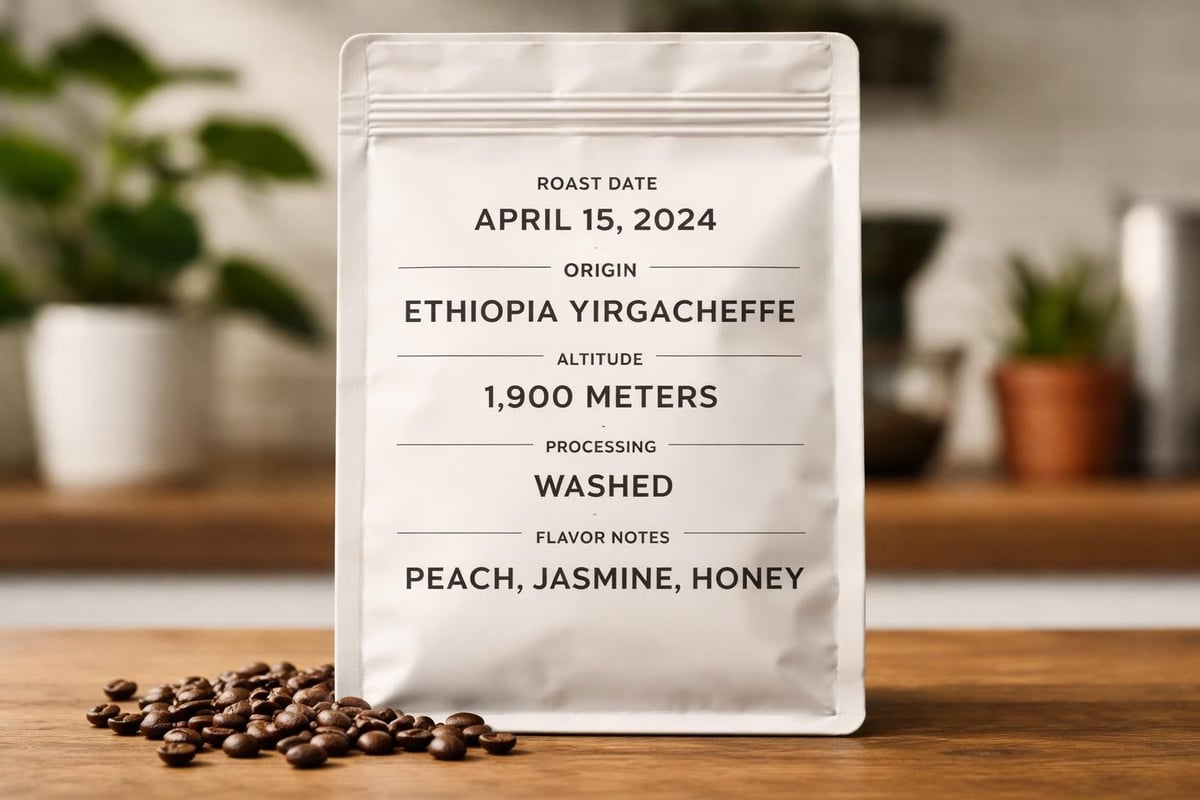
Modern coffee bag labeling requirements ensure consumers receive accurate product information. Beyond regulatory compliance, specialty roasters include details that passionate coffee enthusiasts value.
Key elements to look for include:
- Roast date: The single most important freshness indicator
- Origin information: Country, region, or specific farm
- Altitude: Higher elevations typically produce denser, more complex beans
- Processing method: Washed, natural, or honey-processed
- Flavor notes: Tasting descriptors to guide expectations
- Roast level: Light, medium, or dark classifications
The roast date deserves special attention. Unlike expiration dates, which provide minimal useful information, roast dates tell you exactly when your coffee reached peak flavor development. Most specialty coffee tastes best between 7 and 30 days after roasting, though this varies by roast level and brewing method.
Understanding Packaging Technology
Coffee packaging design directly affects how long beans maintain their optimal flavor profile. The most sophisticated bags of coffee incorporate multiple features working together to preserve freshness.
| Feature | Purpose | Benefit |
|---|---|---|
| One-way valve | Releases CO2, blocks oxygen | Prevents staleness without bag bursting |
| Foil lining | Blocks light and moisture | Preserves aromatic compounds |
| Resealable zipper | Enables easy opening/closing | Maintains freshness after opening |
| Opaque exterior | Shields from UV light | Prevents flavor degradation |
The one-way degassing valve represents a crucial innovation in coffee packaging. Freshly roasted beans release carbon dioxide for several days after roasting. Without a valve, this gas would inflate the bag until it burst. The valve allows CO2 to escape while preventing oxygen from entering, creating an ideal storage environment.
Selecting the Right Bag of Coffee for Your Preferences
Choosing your ideal bag of coffee requires understanding your taste preferences, brewing methods, and consumption patterns. The specialty coffee market offers remarkable diversity, from bold espresso blends to delicate single-origin offerings.
Single Origin Versus Blends
Single origin coffees showcase the unique characteristics of a specific region, farm, or even microclot. These bags of coffee appeal to enthusiasts who appreciate distinct terroir expressions and want to explore how geography influences flavor.
Single origin advantages:
- Distinctive regional characteristics
- Traceability to specific producers
- Seasonal availability creates variety
- Educational tasting experiences
Blends combine beans from multiple origins to achieve consistent flavor profiles year-round. Master roasters carefully balance different coffees to create harmonious cups that highlight complementary characteristics while minimizing individual weaknesses.
Blends excel in situations requiring reliability. Commercial establishments need consistent flavor profiles that customers recognize and expect. Home brewers who value predictability also appreciate well-crafted blends that deliver familiar experiences with each bag of coffee.
Roast Level Considerations
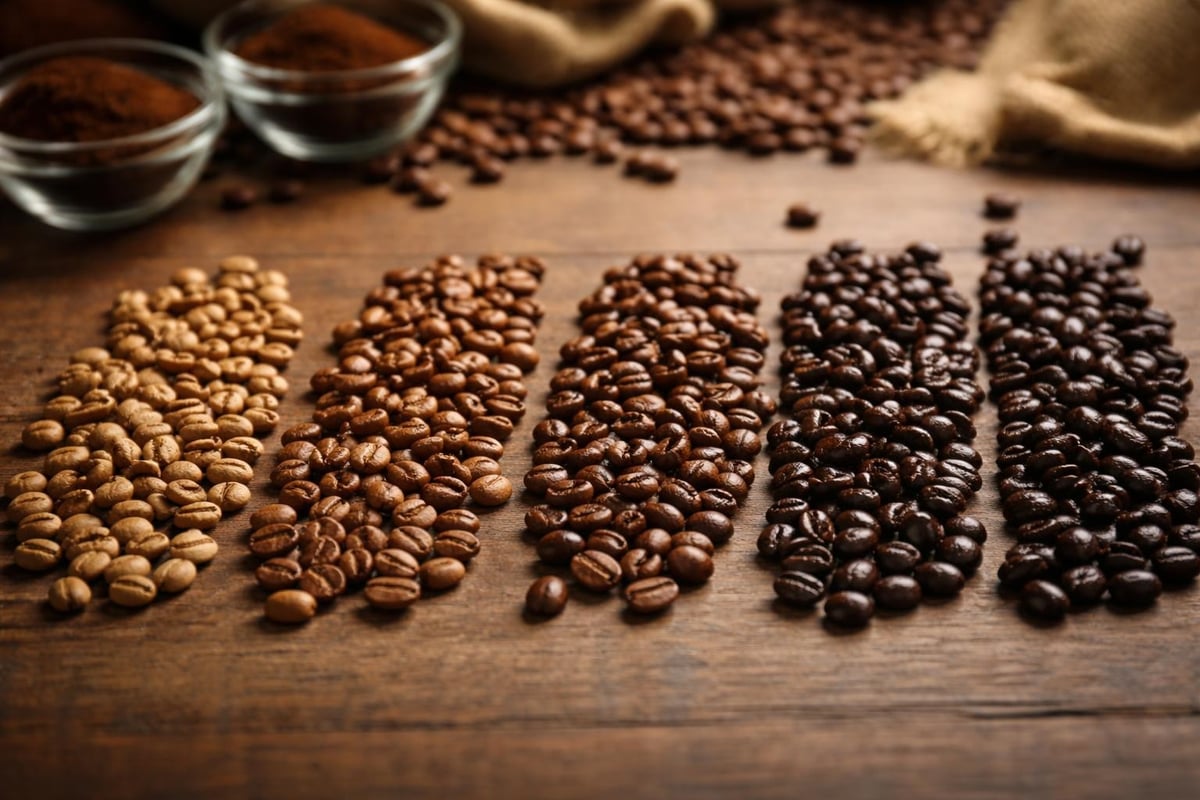
Roast level dramatically influences flavor development and determines which brewing methods work best. Understanding these differences helps you select the appropriate bag of coffee for your equipment and preferences.
Light roasts preserve origin characteristics, emphasizing acidity, floral notes, and fruity flavors. These roasts work exceptionally well in pour-over methods and require precise brewing parameters to extract properly.
Medium roasts balance origin characteristics with roast-developed flavors. These versatile bags of coffee suit multiple brewing methods and appeal to broader audiences. Caramelization begins creating sweetness while maintaining distinct origin notes.
Dark roasts emphasize roast-developed flavors like chocolate, caramel, and toasted nuts. Origin characteristics recede as pyrolysis creates bold, smoky profiles. These excel in espresso applications and with cream-based drinks.
Proper Storage After Opening Your Bag of Coffee
Even the highest-quality bag of coffee deteriorates rapidly without proper storage. Understanding coffee's enemies helps you implement protective measures that extend freshness and preserve investment in premium beans.
Environmental Factors That Degrade Coffee
The four enemies of coffee freshness:
- Oxygen: Causes oxidation and staling
- Light: Breaks down aromatic compounds
- Heat: Accelerates degradation reactions
- Moisture: Promotes staleness and potential mold growth
Each factor accelerates flavor loss through different chemical pathways. Oxygen exposure triggers oxidation reactions that create cardboard-like staleness. Light energy breaks molecular bonds in volatile aromatic compounds. Heat speeds all chemical reactions, including undesirable ones. Moisture disrupts the beans' cellular structure and can introduce unwanted flavors.
Best Practices for Maintaining Freshness
Store your bag of coffee in a cool, dark location away from heat sources. Kitchen cabinets positioned away from stoves or dishwashers work well. Avoid transparent containers unless stored in completely dark areas.
Optimal storage conditions:
- Temperature: 60-75°F (consistent room temperature)
- Location: Dark cabinet away from appliances
- Container: Original bag with valve or airtight ceramic/steel canister
- Humidity: Low moisture environment
- Quantity: Only what you'll use within 2-3 weeks
Refrigeration and freezing remain controversial topics among coffee professionals. While freezing can extend shelf life for unopened bags stored long-term, frequent temperature fluctuations create condensation that damages beans. For daily use, room temperature storage in the original bag of coffee provides the best results.
Decoding Specialty Coffee Terminology on Packaging
Premium bags of coffee often include terminology that seems mysterious to newcomers. Understanding these indicators helps you appreciate the quality and make selections aligned with your preferences.
Processing Methods Explained
Processing describes how coffee cherries transform into green beans ready for roasting. This critical step shapes flavor profiles as dramatically as origin or roast level.
| Processing Method | Description | Typical Flavors |
|---|---|---|
| Washed (Wet) | Pulp removed before drying | Clean, bright, complex acidity |
| Natural (Dry) | Whole cherry dried intact | Fruity, wine-like, full body |
| Honey/Pulped Natural | Partial pulp removal | Sweet, balanced, syrupy body |
| Anaerobic | Fermentation without oxygen | Funky, intense, experimental |
Washed processing creates clean, articulate cups that highlight origin terroir. Natural processing imparts fruit-forward sweetness and heavier body. Honey processing offers middle ground with enhanced sweetness and moderate fruit notes. Each bag of coffee processed differently from identical cherries will taste distinct.
Altitude and Growing Conditions
Elevation information appears on quality bags of coffee because altitude directly correlates with bean density and flavor complexity. Higher elevations experience cooler temperatures and slower cherry maturation, allowing more time for sugars and complex compounds to develop.
Beans grown above 4,000 feet (1,200 meters) generally exhibit greater complexity, pronounced acidity, and distinctive characteristics. Lower elevation coffees tend toward milder profiles with less acidity and simpler flavor structures. While altitude alone doesn't guarantee quality, it provides useful context for understanding a coffee's potential character.
Evaluating Value in Premium Coffee Purchases
Price per bag of coffee varies dramatically across the specialty market. Understanding value requires looking beyond simple cost comparisons to consider quality factors, ethical sourcing, and true cost per cup.
Breaking Down Cost Components
What influences the price of a bag of coffee:
- Green bean cost: Origin, rarity, quality scores
- Processing complexity: Standard versus experimental methods
- Roasting approach: Small batch versus large scale
- Freshness commitment: Quick turnover versus extended shelf life
- Certifications: Organic, Fair Trade, Rainforest Alliance
- Packaging materials: Basic versus premium protection
Premium specialty coffee commands higher prices because of investments throughout the supply chain. Direct trade relationships pay farmers sustainable wages. Small batch roasting ensures optimal flavor development. Advanced packaging preserves freshness. These factors create superior experiences worth the incremental cost for discerning consumers.
Calculating True Cost Per Cup
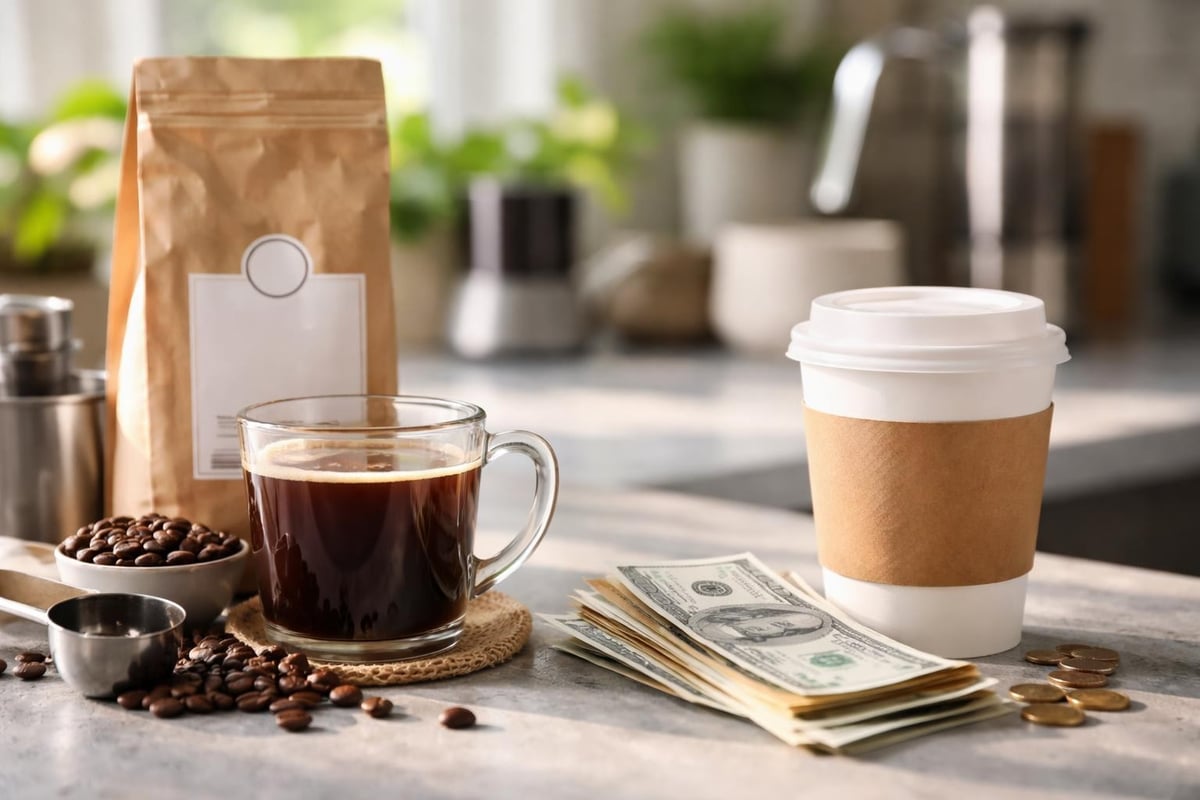
A twelve-ounce bag of coffee yields approximately 24 standard cups using the recommended ratio of two tablespoons (10 grams) per six-ounce cup. A $18 bag of coffee costs $0.75 per cup, dramatically less than café purchases while often delivering superior quality when brewed properly at home.
For those new to specialty coffee, starting with smaller quantities makes sense while developing preferences. New customers can save 10% using code WELCOME10 when exploring premium offerings, making the initial investment more accessible.
The Importance of Freshness in Every Bag of Coffee
Freshness represents the most critical quality factor in specialty coffee. Even exceptional beans decline rapidly after roasting, making the roast date your primary selection criterion when choosing a bag of coffee.
How Coffee Ages After Roasting
Coffee reaches peak flavor approximately 7-14 days after roasting, depending on roast level and intended brewing method. During this period, CO2 degassing slows, allowing water to extract flavors more evenly. Before this window, excessive gas interferes with extraction. After this window, oxidation and staling progressively diminish quality.
Freshness timeline for roasted coffee:
- Days 1-3: Heavy degassing, challenging extraction
- Days 7-14: Peak flavor development
- Days 15-30: Good quality with proper storage
- Days 31-60: Noticeable decline in vibrancy
- Beyond 60 days: Significant staleness apparent
Understanding how packaging affects freshness helps explain why proper storage matters so much. Even the best bag of coffee degrades when exposed to oxygen, light, heat, or moisture.
Why Roast Date Matters More Than Expiration Date
Many commercial bags of coffee display only expiration dates, sometimes 12-24 months after packaging. These dates reflect food safety regulations rather than peak quality windows. Specialty roasters prominently display roast dates because they understand informed consumers prioritize freshness.
When examining any bag of coffee, look for roast dates within the past two weeks for optimal results. Beans roasted more than a month ago have likely passed their prime, regardless of packaging quality. This commitment to freshness separates specialty coffee from commodity alternatives.
Exploring Different Coffee Categories and Varieties
The specialty coffee world encompasses remarkable diversity. Each bag of coffee represents unique growing conditions, processing decisions, and roasting philosophies that create distinct drinking experiences.
Geographic Origins and Their Characteristics
African coffees typically showcase bright acidity, floral aromatics, and fruit-forward complexity. Ethiopian varieties often present blueberry and jasmine notes, while Kenyan coffees deliver pronounced citrus and berry characteristics.
Central and South American coffees offer balanced profiles with chocolate, nut, and caramel sweetness. Colombian coffees provide reliable, approachable flavors, while Costa Rican beans emphasize clean, bright acidity with honey sweetness.
Asian and Pacific coffees tend toward earthy, herbal, and spicy notes with heavier body. Indonesian coffees deliver distinctive earthy complexity, while Papua New Guinea coffees balance fruit notes with syrupy body.
Exploring offerings from Velours de Paris Coffee's collection allows you to experience these regional differences and discover personal preferences.
Flavored Coffee Options
Flavored coffees introduce additional aromatic compounds after roasting, creating distinctive profiles that appeal to those seeking variety. Premium flavored options use natural extracts rather than artificial additives, ensuring quality matches base bean standards.
These varieties work particularly well in scenarios where traditional coffee profiles might seem monotonous. Seasonal offerings like pumpkin spice or peppermint provide festive alternatives, while year-round options like hazelnut or vanilla caramel satisfy consistent cravings for specific flavor combinations.
Sustainability and Ethical Considerations
Each bag of coffee purchased represents choices affecting farmers, communities, and ecosystems. Understanding certifications and sourcing practices helps align purchases with values while supporting positive industry change.
Certification Programs Explained
Fair Trade certification ensures farmers receive minimum prices covering production costs plus premiums for community development. This system provides economic stability for smallholder farmers facing volatile commodity markets.
Organic certification prohibits synthetic pesticides and fertilizers, promoting environmental health and reducing chemical exposure for farm workers. Organic farming often enhances soil health and biodiversity, though certification costs can burden small producers.
Rainforest Alliance focuses on comprehensive sustainability covering environmental protection, worker rights, and community wellbeing. This holistic approach addresses multiple aspects of sustainable coffee production.
Direct Trade represents relationships where roasters work directly with farmers or cooperatives, often paying above Fair Trade minimums while building long-term partnerships. Though not formally certified, these relationships can deliver superior results for all parties.
The Real Impact of Your Coffee Purchase
The global coffee industry employs over 125 million people, predominantly smallholder farmers in developing nations. Your choice of which bag of coffee to purchase directly influences livelihoods, environmental practices, and community development in origin countries.
Premium specialty coffee that pays sustainable prices enables farmers to invest in quality improvements, environmental conservation, and education for their children. This creates positive cycles where quality improvements justify higher prices, which fund further investments. Supporting roasters committed to ethical sourcing amplifies these positive impacts.
Brewing Methods and Their Bag of Coffee Requirements
Different brewing techniques extract coffee compounds differently, making certain bags of coffee better suited to specific methods. Understanding these relationships optimizes your purchasing decisions and brewing results.
Matching Coffee to Brewing Equipment
Espresso machines require specific grind sizes, roast levels, and bean characteristics. Medium to dark roasts with balanced acidity work best, as pressure extraction emphasizes body and minimizes bright acidity that can taste sour in espresso.
Pour-over methods excel with light to medium roasts showcasing complex acidity and distinct origin characteristics. The slower, controlled extraction highlights subtle flavors that would overwhelm espresso or get lost in French press.
French press suits medium to dark roasts with bold flavors and heavier body. The immersion brewing and metal filter allow oils and fine particles through, creating rich, textured cups.
Cold brew benefits from medium to dark roasts with chocolate and nut profiles. The extended steeping time and cold temperature extract different compounds than hot brewing, emphasizing sweetness while minimizing acidity.
Each brewing method deserves consideration when selecting your next bag of coffee. A light Ethiopian coffee that shines in pour-over might taste thin and sour as espresso. Conversely, a dark Italian roast perfect for espresso might seem flat and one-dimensional in pour-over.
Choosing the right bag of coffee transforms daily routines into exceptional experiences. By understanding packaging details, freshness indicators, origin characteristics, and storage best practices, you'll consistently select premium beans that deliver outstanding results. Whether you prefer the bright complexity of single origins or the balanced reliability of expert blends, Velours de Paris Coffee offers carefully curated selections roasted in small batches to ensure every cup exceeds expectations.