

Coffee Paris: The Ultimate Guide to Parisian Coffee Culture
Paris has long been synonymous with café culture, where coffee serves as both a social ritual and an art form. The relationship between coffee Paris enthusiasts and their beloved brew extends far beyond a simple morning caffeine fix. From the iconic zinc-topped counters of traditional bistros to the sleek espresso bars of the modern specialty movement, understanding coffee Paris culture reveals insights into quality, tradition, and the pursuit of exceptional flavor that resonates with coffee lovers worldwide.
The Historical Significance of Coffee Paris Culture
The story of coffee Paris began in the 17th century when the first coffeehouses opened their doors, transforming the city's social landscape forever. These establishments quickly became gathering places for intellectuals, artists, and revolutionaries who shaped European thought and culture. Parisian cafés evolved into cultural institutions that defined the city's identity as much as its architecture or cuisine.
Traditional Parisian coffee culture emphasized the experience over speed. Parisians would spend hours at café tables, nursing a single espresso while reading newspapers, writing novels, or engaging in philosophical debates. This approach to coffee consumption created a distinct relationship between the beverage and lifestyle that continues to influence how people appreciate coffee today.
The Traditional Parisian Coffee Experience
Classic coffee Paris service follows specific customs that distinguish it from other coffee traditions. When ordering at a traditional café, patrons encounter several standard options:
- Un café – a single shot of espresso
- Un café allongé – espresso with hot water added
- Un café crème – espresso with steamed milk
- Un noisette – espresso with a small amount of milk
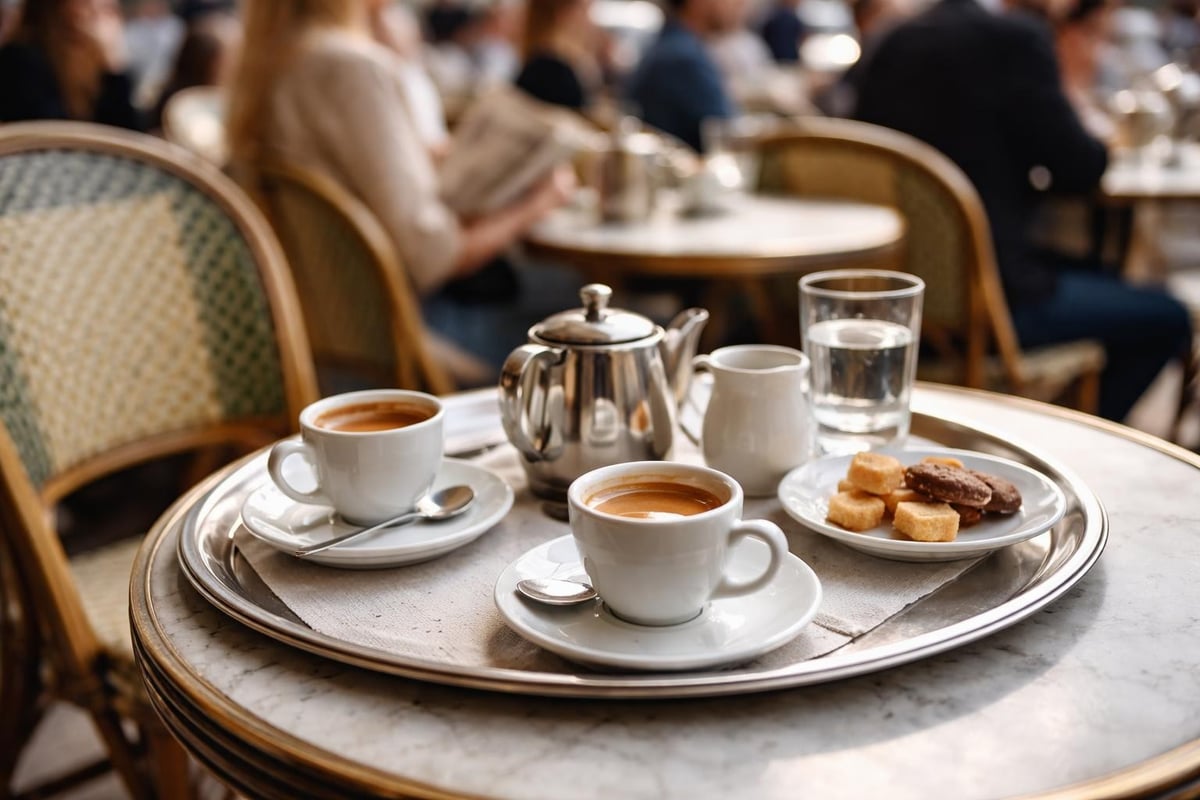
The ritual extends beyond the drink itself. Servers deliver coffee on small trays with a glass of water, sometimes a small square of chocolate. The presentation matters as much as the quality, creating a complete sensory experience that honors the beverage's importance in daily life.
Modern Specialty Coffee Movement in Paris
While traditional cafés maintain their historic charm, the specialty coffee scene has transformed coffee Paris culture in recent years. This evolution brings together old-world appreciation for quality with new-world innovation in sourcing, roasting, and brewing techniques.
The modern coffee Paris movement emphasizes traceability and craftsmanship. Specialty roasters work directly with farmers, ensuring fair compensation while accessing exceptional green coffee beans. This direct relationship allows roasters to understand the terroir, processing methods, and unique characteristics that define each origin.
Third Wave Coffee Establishments
Contemporary specialty shops approach coffee with the same reverence that fine dining establishments apply to food. These cafés invest in precision equipment, rigorous barista training, and carefully curated beans that showcase specific flavor profiles. Modern Parisian coffee shops compete on quality rather than tradition, proving that innovation can coexist with respect for heritage.
The shift toward specialty coffee has introduced Parisians to brewing methods previously uncommon in the city:
- Pour-over techniques highlighting single-origin characteristics
- Cold brew preparations emphasizing smoothness and complexity
- Aeropress methods offering portable precision
- Siphon brewing creating theatrical presentations
- Nitro cold brew delivering creamy texture without dairy
| Traditional Approach | Specialty Approach | Common Ground |
|---|---|---|
| Dark roast profiles | Light to medium roasts | Quality matters |
| Espresso-based drinks | Multiple brew methods | Craftsmanship focus |
| Blend preference | Single-origin emphasis | Terroir appreciation |
| Social experience priority | Flavor profile priority | Coffee as culture |
Understanding Coffee Paris Roasting Philosophy
The approach to roasting coffee Paris style reflects both geographic location and cultural values. French roast traditionally meant darker profiles that created bold, smoky flavors with reduced acidity. This roasting philosophy emerged partly from historical necessity-darker roasts masked inconsistencies in lower-quality beans while creating uniform flavor profiles.
Modern specialty roasters challenge this convention by highlighting origin characteristics through lighter roasting approaches. These profiles preserve delicate floral notes, fruit-forward acidity, and complex sweetness that darker roasts would eliminate. The contrast between traditional French roast and contemporary light roast represents broader tensions between preservation and innovation.
Small Batch Roasting Benefits
Specialty roasters practicing small batch techniques achieve consistency and quality that large-scale operations cannot match. This approach offers several advantages:
- Precise temperature control throughout the roasting process
- Immediate quality assessment for every batch produced
- Flexibility to adjust profiles based on bean characteristics
- Freshness guarantee with shorter time between roasting and consumption
- Traceability linking specific farms to individual batches
Small batch roasting aligns perfectly with the coffee Paris emphasis on craftsmanship and quality. Just as single-origin beans showcase specific terroir, small batch roasting honors that uniqueness by applying customized profiles that enhance rather than obscure natural flavors.
Sourcing Premium Coffee for Paris Standards
Meeting coffee Paris quality expectations requires exceptional sourcing practices. The finest coffee comes from specific growing regions where altitude, climate, soil composition, and processing methods combine to create distinctive profiles. Premium beans typically originate from elevations between 1,200 and 2,000 meters, where slower maturation develops complex sugars and nuanced flavors.
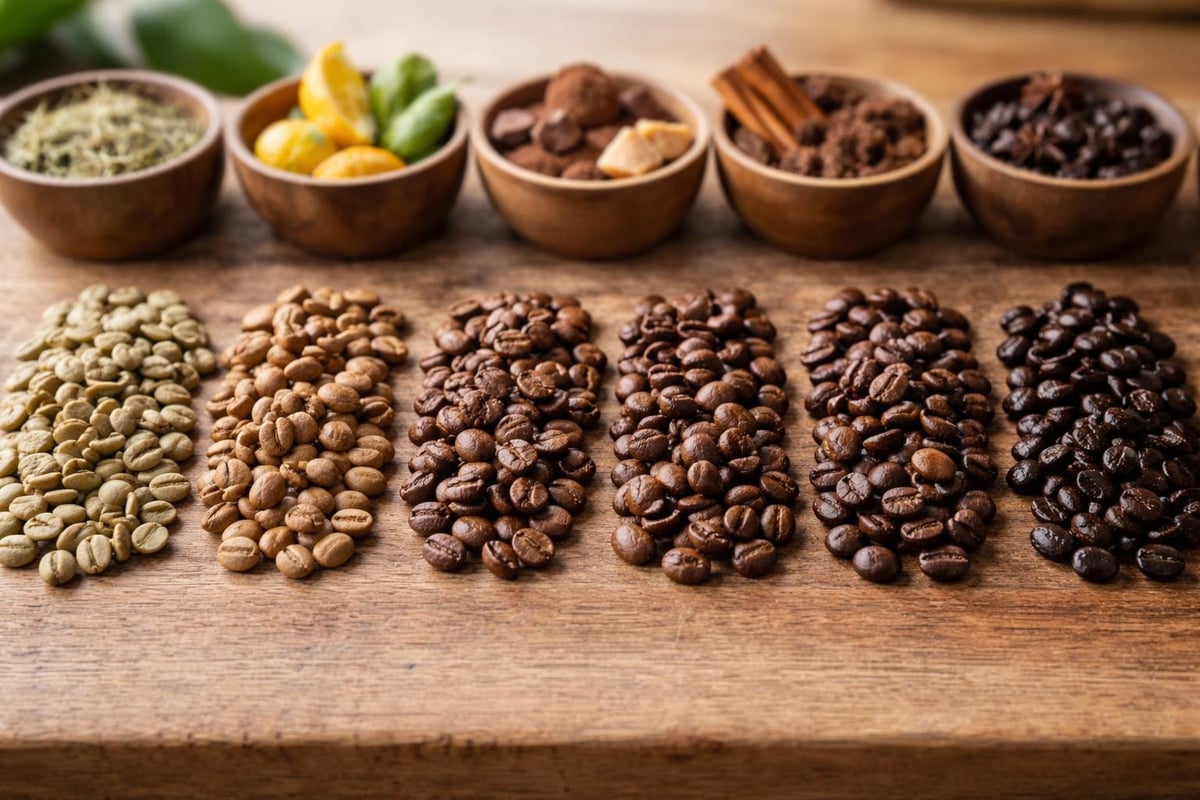
Geographic origin profoundly impacts flavor characteristics. Ethiopian coffees often display floral and berry notes, while Colombian beans tend toward chocolate and nut profiles. Brazilian coffees typically offer low acidity with heavy body, whereas Kenyan beans feature bright acidity with fruity complexity. Understanding these regional signatures allows roasters and consumers to select beans matching their preferences.
Direct Trade Relationships
The specialty coffee movement prioritizes direct relationships between roasters and farmers. This model ensures fair compensation while providing feedback that improves quality over time. Farmers receive prices significantly above commodity rates, enabling investments in better processing equipment, selective harvesting, and sustainable farming practices.
Direct trade benefits extend beyond economics. Roasters gain access to limited microlots showcasing exceptional quality. Farmers develop long-term partnerships providing financial stability. Consumers enjoy transparency knowing exactly where their coffee originated and how producers were compensated.
At Velours de Paris Coffee, we exemplify this commitment by sourcing beans from the world's finest regions and roasting them in small batches to preserve their exceptional characteristics. For those new to premium coffee, using code WELCOME10 provides a 10% discount on your first order through Velours de Paris Coffee, making it easier to experience the difference that quality sourcing and careful roasting create.
Brewing Methods That Honor Coffee Paris Traditions
Proper brewing technique determines whether carefully sourced and expertly roasted beans achieve their potential. Each brewing method extracts different compounds, creating unique flavor profiles from identical beans. Understanding these variables allows coffee enthusiasts to customize their experience while honoring the craftsmanship invested in production.
Espresso Preparation Standards
Espresso remains the foundation of coffee Paris culture, whether served in traditional cafés or specialty shops. Proper espresso requires precise control over multiple variables:
| Variable | Standard Range | Impact on Flavor |
|---|---|---|
| Dose | 18-20 grams | Strength and body |
| Extraction time | 25-30 seconds | Balance and sweetness |
| Water temperature | 195-205°F | Extraction efficiency |
| Pressure | 9 bars | Crema and texture |
| Grind size | Fine | Contact time and extraction |
Achieving consistency across these parameters separates adequate espresso from exceptional shots. Professional baristas spend years developing the sensitivity to recognize when extraction progresses optimally versus when adjustments become necessary.
Alternative Brewing Approaches
While espresso dominates traditional coffee Paris service, alternative methods offer different advantages. Pour-over brewing highlights clarity and brightness, making it ideal for showcasing specialty coffee with complex flavor profiles. French press preparation emphasizes body and oils, creating rich mouthfeel that some coffee lovers prefer.
Cold brew methods have gained popularity for their smooth, low-acid profiles. This technique involves steeping coarse grounds in cold water for 12-24 hours, extracting different compounds than hot brewing methods. The result offers sweetness and smoothness particularly appealing during warm weather, while cold brew coffee concentrates can be enjoyed over ice or diluted to taste.
The Role of Freshness in Premium Coffee
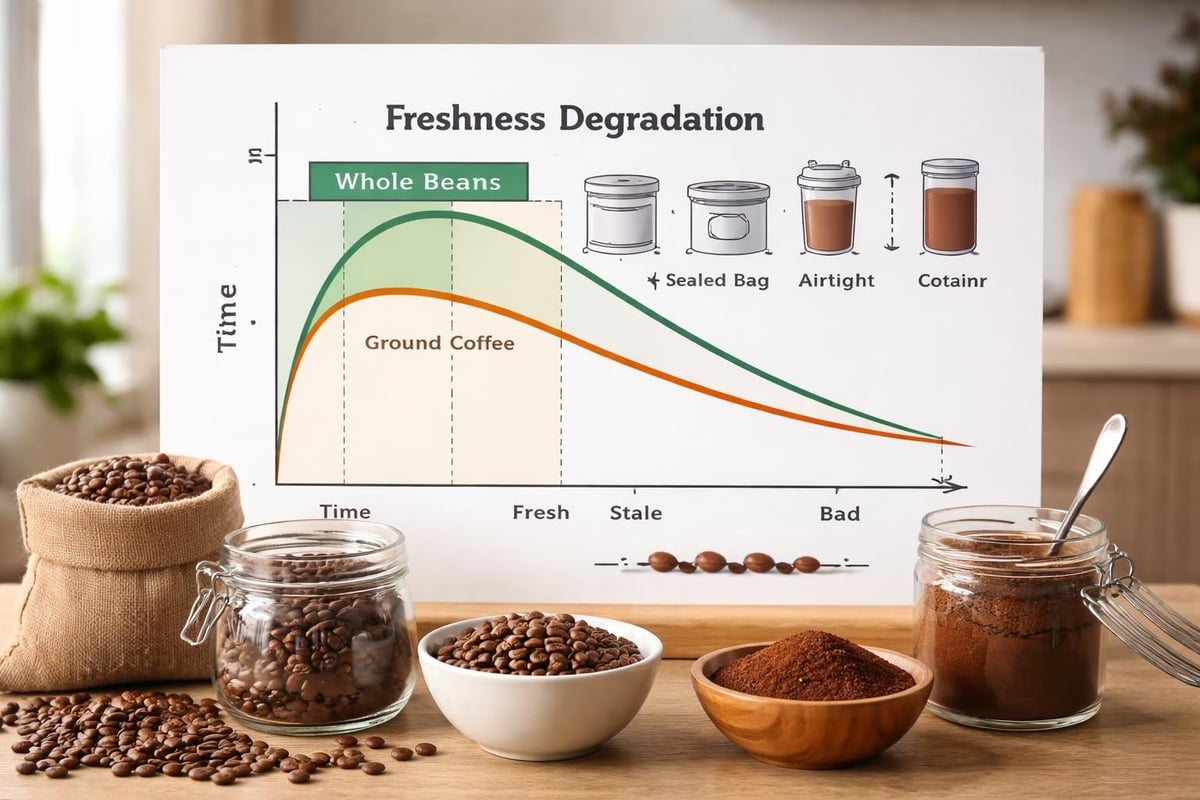
Freshness dramatically impacts coffee quality, yet many consumers underestimate its importance. Green coffee beans maintain stability for months when stored properly, but roasted coffee begins degrading immediately upon cooling. Oxygen exposure triggers oxidation that dulls flavors and eliminates aromatic compounds that define exceptional coffee.
Peak flavor typically occurs 3-14 days after roasting, allowing carbon dioxide release while aromatic oils remain vibrant. Beyond three weeks, noticeable degradation occurs even with proper storage. After two months, most specialty characteristics disappear regardless of storage conditions. This reality explains why freshly roasted coffee commands premium prices and dedicated enthusiasts purchase smaller quantities more frequently.
Proper Storage Techniques
Protecting roasted coffee from degradation requires attention to four primary enemies:
- Oxygen – Use airtight containers immediately after opening
- Light – Store in opaque containers away from windows
- Heat – Maintain room temperature storage conditions
- Moisture – Avoid refrigeration which introduces condensation
Whole beans preserve freshness significantly longer than ground coffee. Grinding increases surface area exposed to oxygen, accelerating staling. For optimal results, grind only the quantity needed for immediate brewing, maintaining whole bean storage for remaining coffee.
Developing Your Coffee Paris Palate
Appreciating exceptional coffee requires developing sensory awareness through intentional tasting practice. Professional cuppers evaluate coffee using standardized protocols that assess aroma, flavor, aftertaste, acidity, body, balance, and overall impression. While formal cupping follows strict procedures, home enthusiasts can apply similar principles to enhance their appreciation.
Begin by evaluating coffee aromas before tasting. Freshly ground coffee releases hundreds of volatile compounds creating complex aromatic profiles. Notice whether the aroma suggests fruits, flowers, nuts, chocolate, spices, or other descriptors. These aromatics provide the first indication of what flavors will appear during tasting.
Flavor Identification Practice
Developing flavor recognition takes time and repetition. The Specialty Coffee Association's flavor wheel organizes descriptors from general categories to specific notes, helping tasters articulate their perceptions. Start with broad categories-fruity, nutty, chocolatey-before attempting precise identification like "blueberry" or "hazelnut."
Comparing different origins side-by-side accelerates learning. Tasting Ethiopian coffee alongside Colombian beans highlights their contrasting characteristics more effectively than evaluating either alone. Similarly, comparing coffee blends with single origins demonstrates how blending creates balance through complementary profiles.
Coffee Paris Influence on Global Coffee Culture
The traditions established by coffee Paris culture continue influencing global coffee consumption patterns. The café as social institution-a third place between home and work-originated in Paris before spreading worldwide. The emphasis on quality over quantity, experience over efficiency, and craftsmanship over convenience reflects values that resonate with contemporary specialty coffee movements globally.
Café design and ambiance pioneered in Paris inform modern coffee shop aesthetics worldwide. The combination of comfortable seating, natural light, quality equipment, and thoughtful presentation creates environments where coffee becomes a reason to linger rather than a commodity to consume quickly.
The Art of Slow Coffee
Coffee Paris traditions emphasize savoring rather than rushing. This philosophy contrasts sharply with grab-and-go coffee culture that treats the beverage as fuel rather than experience. The slow coffee movement encourages mindfulness-noticing flavors, appreciating craftsmanship, and using coffee consumption as an opportunity for reflection or connection.
This approach aligns perfectly with specialty coffee values. When exceptional beans receive expert roasting and careful preparation, they deserve attention and appreciation. Rushing through such coffee wastes the effort invested by farmers, roasters, and baristas who contributed to creating that particular cup.
Building Your Home Coffee Paris Experience
Creating café-quality coffee at home requires appropriate equipment, quality ingredients, and technique refinement. While professional espresso machines cost thousands of dollars, home equipment at various price points can produce excellent results when matched with proper technique and fresh beans.
Essential equipment for home brewing includes:
- Burr grinder – Provides consistent particle size crucial for proper extraction
- Scale – Ensures accurate coffee-to-water ratios
- Kettle – Allows temperature control for optimal brewing
- Brewing device – Choose methods matching your preference and budget
- Fresh beans – Nothing else matters without quality, fresh coffee
Investment priorities should emphasize the grinder first, as inconsistent grinding undermines even the best beans and equipment. A quality burr grinder produces uniform particles that extract evenly, while blade grinders create inconsistent sizes leading to simultaneous over and under-extraction.
Creating Consistent Results
Consistency separates good home coffee from frustrating experiences. Recording your process-dose, grind setting, water temperature, brew time-allows replication of successful results and troubleshooting when outcomes disappoint. Small adjustments to single variables help identify which factors most significantly impact your particular setup and preferences.
Understanding coffee preparation at home transforms the daily routine from mundane task to rewarding ritual. The attention required for proper brewing creates mindfulness similar to meditation, while the sensory pleasure of excellent coffee provides immediate gratification that encourages continued refinement.
The Intersection of Tradition and Innovation
Coffee Paris culture demonstrates that tradition and innovation need not conflict. The city's historic cafés maintain relevance by honoring what made them special while adapting to contemporary expectations. Similarly, specialty shops respect coffee heritage while pushing quality boundaries through improved sourcing, roasting precision, and brewing innovation.
This balance between preservation and progress applies equally to home coffee enthusiasts. Understanding traditional approaches provides context for appreciating why certain methods developed, while experimenting with new techniques keeps the experience fresh and engaging. The appreciation for café specialty coffee combines respect for craftsmanship with curiosity about possibility.
The most successful coffee experiences honor quality regardless of whether they embrace tradition or innovation. Whether enjoying espresso at a century-old café or pour-over at a modern specialty shop, the commitment to excellence creates satisfaction that transcends stylistic differences. This fundamental respect for coffee quality unites diverse approaches under the broader coffee Paris philosophy.
The enduring appeal of coffee Paris culture stems from its emphasis on quality, craftsmanship, and the social significance of coffee consumption. These principles remain relevant whether you're exploring specialty cafés in Paris or creating exceptional coffee at home. At Velours de Paris Coffee, we bring this commitment to excellence through premium beans sourced from the world's finest regions and roasted in small batches to ensure every cup delivers the exceptional flavor that defines true coffee appreciation.