

Blend in Coffee: Crafting Perfect Premium Blends
The art of blend in coffee represents one of the most sophisticated techniques in the specialty coffee industry. Master roasters carefully select and combine beans from multiple origins to create harmonious flavor profiles that deliver consistency, complexity, and balance in every cup. Unlike single-origin coffees that showcase the unique characteristics of one region, blends offer roasters the opportunity to craft intentional taste experiences that highlight complementary notes while minimizing potential deficiencies from any individual bean.
Understanding the Fundamentals of Coffee Blending
The concept of blend in coffee goes far beyond simply mixing different beans together. Professional roasters approach blending as both science and art, considering factors like acidity levels, body weight, flavor intensity, and aromatic compounds. Each bean variety contributes specific characteristics to the final product, whether that's the bright citrus notes of an Ethiopian coffee, the chocolate undertones of a Brazilian bean, or the nutty sweetness from a Guatemalan variety.
Peet's Coffee explains the differences between single-origin and blended coffees, highlighting how each approach serves distinct purposes in the coffee world. The decision to create a blend stems from several objectives: achieving flavor consistency across seasons, balancing different taste components, creating unique signature profiles, and delivering reliable quality regardless of harvest variations.
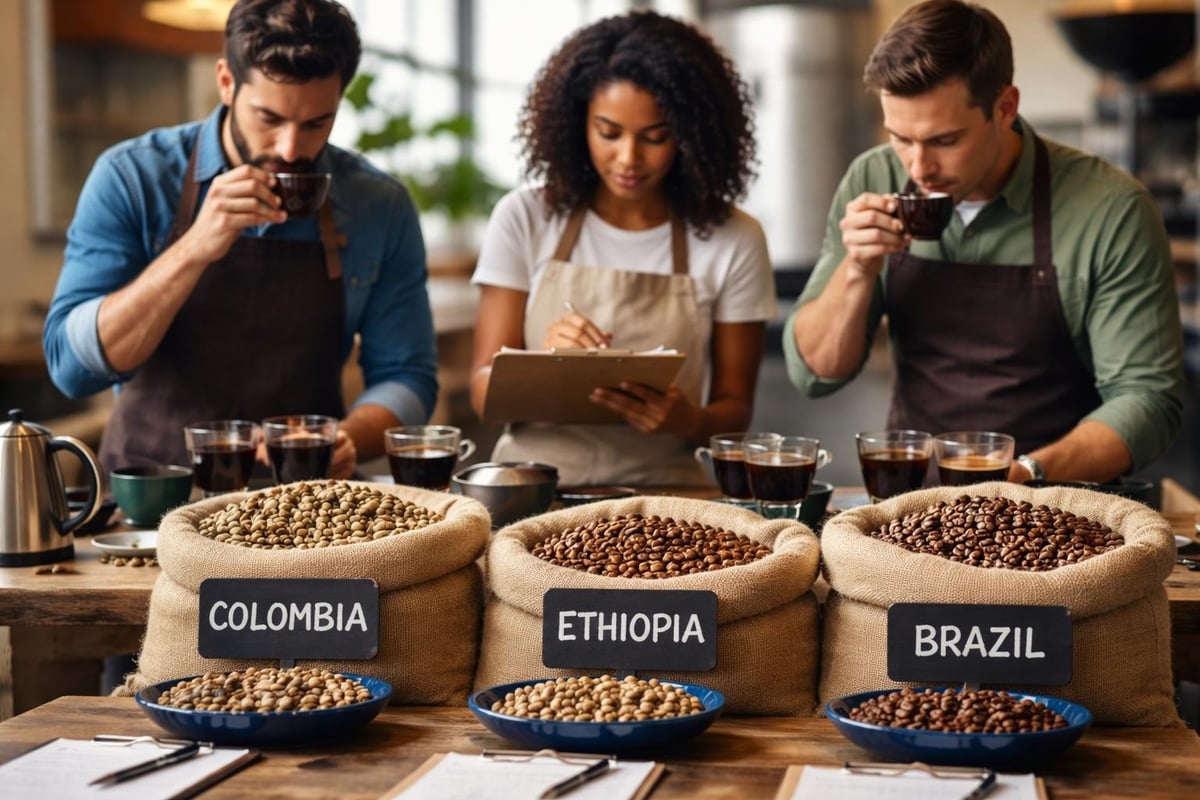
Key Components in Successful Blends
Creating an exceptional blend in coffee requires deep knowledge of how different beans interact when combined. Roasters must understand the individual characteristics of each origin and how those attributes will express themselves at various roast levels.
Primary considerations include:
- Acidity balance: Combining high-acid beans with mellower varieties
- Body composition: Mixing full-bodied beans with lighter options for texture
- Flavor complexity: Layering complementary taste notes for depth
- Roast compatibility: Ensuring beans can be roasted together effectively
- Seasonal consistency: Selecting origins that maintain quality year-round
The proportion of each bean in a blend matters tremendously. A typical specialty blend in coffee might contain anywhere from two to five different origins, with percentages carefully calibrated to achieve the desired profile. Some blends feature a dominant bean at 60-70% with supporting origins filling out the remaining composition, while others maintain more equal ratios for balanced complexity.
The Technical Process Behind Coffee Blending
Roasters employ two primary methods when creating blend in coffee: pre-roast blending and post-roast blending. Each approach offers distinct advantages depending on the desired outcome and the characteristics of the component beans.
Pre-Roast Blending Methodology
Pre-roast blending involves mixing green coffee beans before the roasting process begins. This method works best when all component beans require similar roast profiles and development times. The advantage lies in simplified logistics and uniform roast application, though it requires careful selection of compatible origins.
Café Britt explores the flavor diversity between coffee blends and single-origin coffees, demonstrating how different approaches to blend in coffee create varying taste experiences. Pre-roast blending allows for seamless flavor integration as the beans develop together throughout the roasting cycle.
Post-Roast Blending Advantages
Post-roast blending provides greater flexibility and precision in blend development. Roasters can optimize the roast profile for each individual origin, then combine them at specific ratios afterward. This approach particularly benefits blends incorporating beans with dramatically different densities or moisture contents.
| Blending Method | Best For | Primary Advantage | Complexity Level |
|---|---|---|---|
| Pre-Roast | Similar bean profiles | Streamlined production | Moderate |
| Post-Roast | Diverse origins | Individual optimization | High |
| Split Roasting | Complex blends | Maximum control | Very High |
At Velours de Paris Coffee, small-batch roasting techniques allow for meticulous attention to each component in every blend, ensuring that individual bean characteristics shine through while contributing to the overall harmony of the final product.
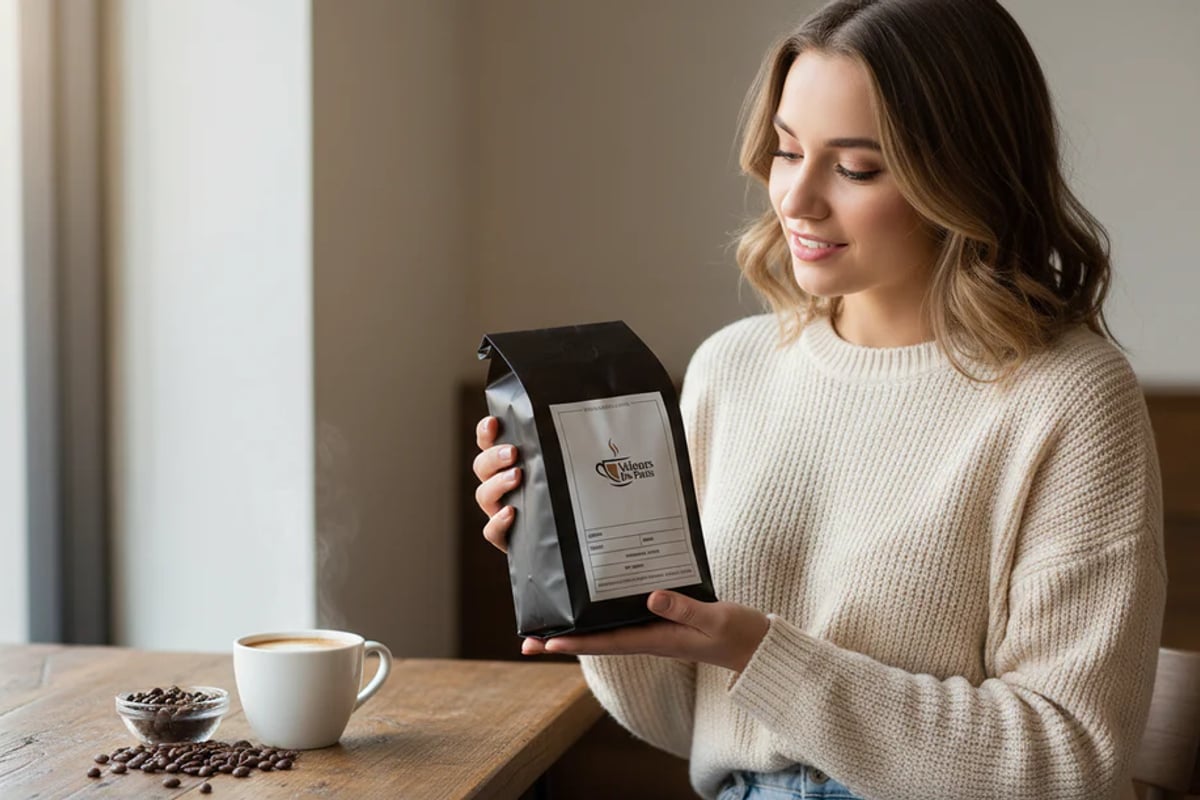
Flavor Architecture in Premium Blends
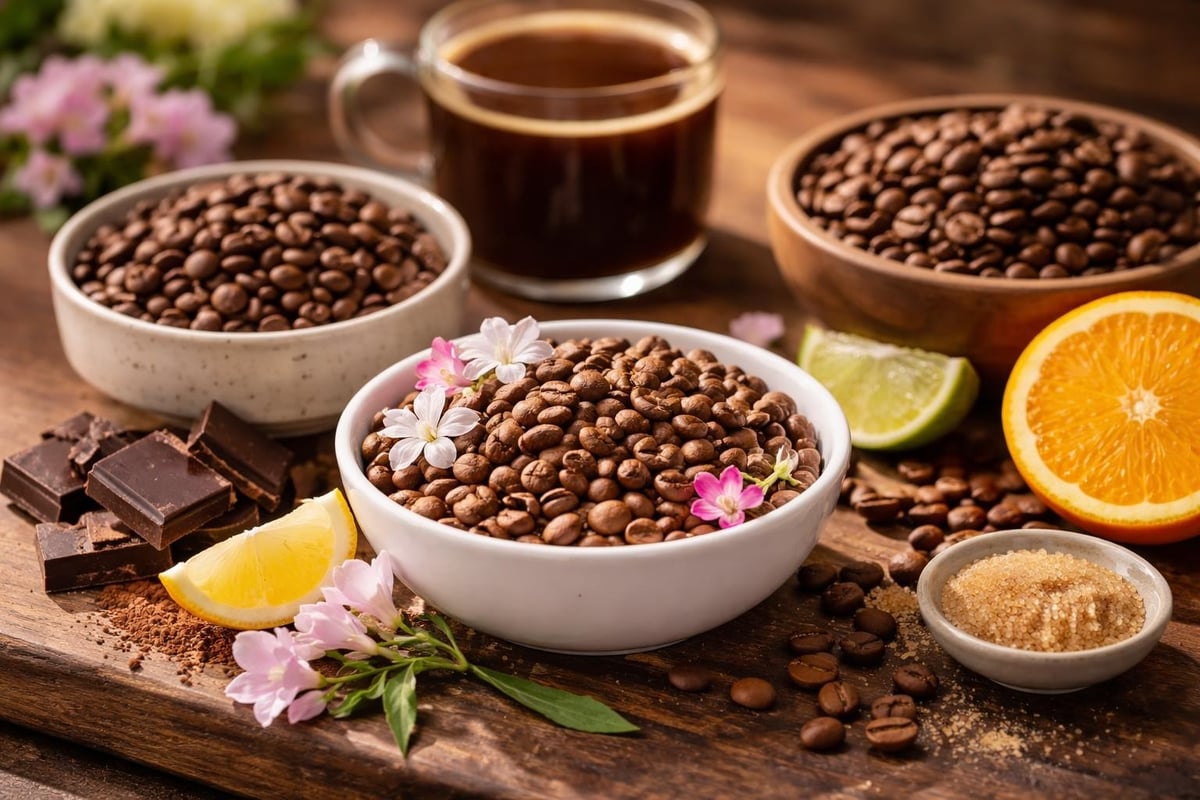
The flavor profile of blend in coffee emerges from intentional design rather than random combination. Expert roasters map out desired taste characteristics before selecting component beans, much like an architect plans a building before choosing materials.
Building Complementary Taste Layers
Successful blends feature multiple flavor dimensions that reveal themselves at different stages of tasting. The initial sip might showcase bright acidity, the mid-palate could present chocolate or caramel sweetness, and the finish might deliver nutty or spice notes. This complexity keeps the drinking experience engaging from first taste to final sip.
Common flavor architecture strategies:
- Foundation base: A neutral, balanced origin providing body (40-50%)
- Brightness component: High-acid beans adding liveliness (20-30%)
- Complexity layer: Unique origin contributing distinctive notes (15-25%)
- Enhancement touch: Small percentage adding finishing character (5-10%)
Tasting Table provides an in-depth look at what constitutes a coffee blend, explaining how roasters orchestrate multiple origins to achieve specific taste outcomes. The blend in coffee concept allows for creative expression while maintaining commercial viability through consistent quality.
Regional Pairing Strategies
Certain regional combinations have proven particularly successful in specialty blend in coffee formulations. Ethiopian beans often pair beautifully with South American origins, as the floral complexity of African coffees complements the chocolate sweetness from Brazilian or Colombian varieties. Indonesian coffees bring earthy depth that balances the bright fruit notes from Central American beans.
Understanding coffee regions helps roasters make informed decisions about which origins will work harmoniously together. The terroir of each growing region influences bean characteristics significantly, from altitude and soil composition to processing methods and varietals.
Quality Control and Consistency Management
Maintaining consistency in blend in coffee presents unique challenges compared to single-origin offerings. As individual origins experience seasonal variations in harvest quality, roasters must adapt their formulations while preserving the signature taste profile customers expect.
Managing Seasonal Variations
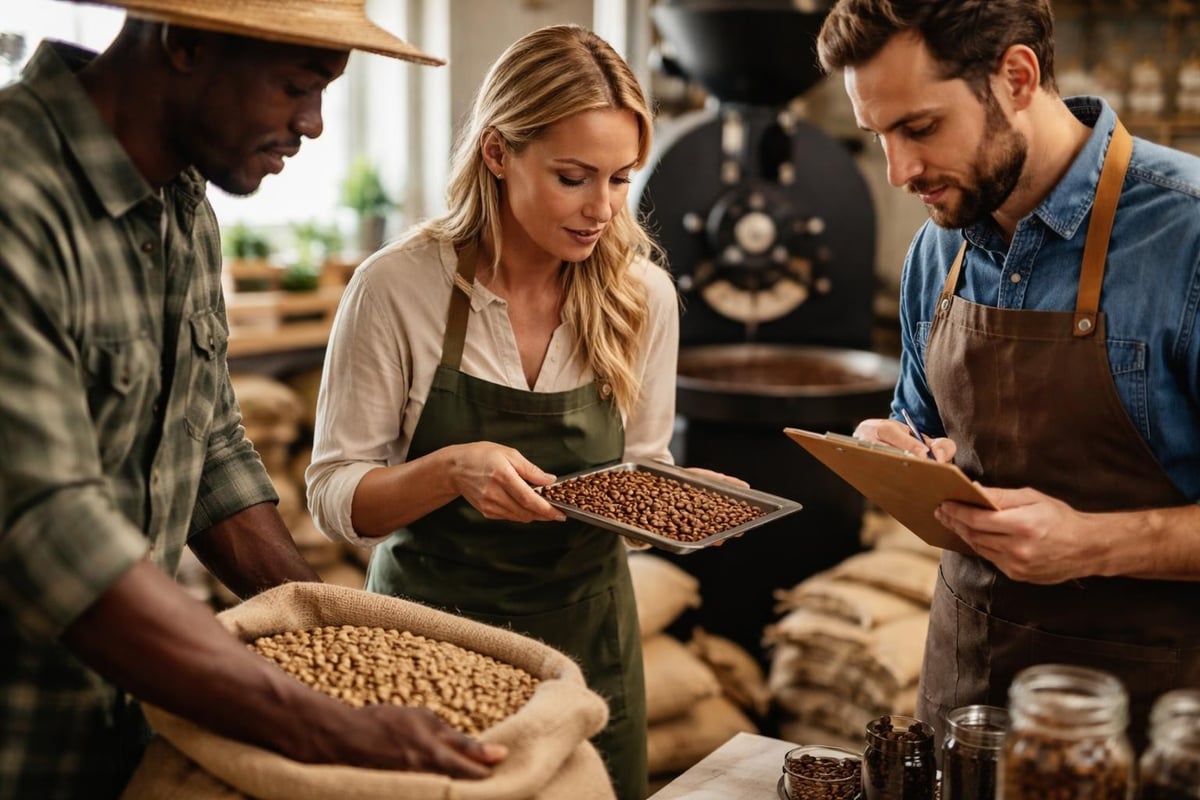
Green coffee quality fluctuates throughout the year based on harvest cycles, weather patterns, and processing conditions. Professional roasters maintain relationships with multiple suppliers for each origin, allowing them to source the best available lots consistently. When one component experiences temporary quality dips, the blend formula can be adjusted slightly to compensate.
| Challenge | Solution Approach | Implementation |
|---|---|---|
| Harvest timing | Multiple origin sources | 3-4 supplier relationships per origin |
| Quality fluctuation | Component substitution | Pre-approved alternate origins |
| Taste drift | Regular cupping sessions | Weekly quality assessments |
| Customer expectations | Clear communication | Transparent sourcing updates |
Common Room Roasters discusses the distinctions between blended and single-origin coffees, emphasizing how blend in coffee formulations achieve remarkable consistency through strategic sourcing and careful quality management.
Cupping and Quality Assessment
Professional cupping sessions evaluate each blend batch to ensure it meets established standards. Roasters assess aroma, flavor, aftertaste, acidity, body, and balance using standardized protocols. Any deviation from the target profile triggers immediate investigation and potential formula adjustment.
Versatility Across Brewing Methods
A hallmark of excellent blend in coffee is its ability to perform well across multiple brewing methods. While single-origin coffees often excel in specific preparation styles, thoughtfully crafted blends deliver satisfying results whether brewed as espresso, drip coffee, French press, or pour-over.
Espresso Blend Considerations
Espresso blends require particular attention to how flavors concentrate under pressure. The blend in coffee approach for espresso typically emphasizes sweetness and body while managing acidity to prevent sour notes in the intense extraction. Many espresso blends incorporate a small percentage of robusta for enhanced crema and caffeine content, though premium specialty blends often remain 100% arabica.
Espresso blend characteristics:
- Fuller body to stand up to milk in lattes and cappuccinos
- Balanced acidity that doesn't overwhelm when concentrated
- Natural sweetness that shines through without added sugar
- Crema production for visual appeal and texture
- Consistent extraction across varying shot parameters
The versatility of specialty coffee blends makes them ideal for both home enthusiasts and commercial cafes seeking reliable performance across diverse menu applications.
Filter Coffee Blend Design
Filter coffee blends benefit from different characteristics than espresso formulations. The longer extraction time and lower pressure of drip brewing reveal more delicate flavor nuances, so blend in coffee compositions for filter methods often feature brighter acidity and more pronounced origin characteristics.
Origin Coffee delves into the differences between blends and single-origin coffees, noting how brewing method considerations influence blend design decisions. The extended contact time in French press brewing, for instance, extracts more oils and sediment, favoring blends with clean, bold flavors that won't turn muddy.
Commercial Applications and Market Positioning
The blend in coffee category serves multiple market segments, from everyday breakfast blends to premium specialty offerings. Understanding how different blends address specific consumer needs helps roasters develop products that resonate with target audiences.
Price Point and Value Proposition
Blends offer economic advantages for both roasters and consumers. By incorporating beans at various price points, roasters can deliver excellent quality at accessible prices. A blend might feature 60% of an affordable Brazilian coffee as its base, enhanced with 30% premium Colombian beans and finished with 10% of an exotic Ethiopian variety.
This approach makes specialty coffee more accessible while maintaining high standards. Consumers receive complex, professionally crafted profiles at lower prices than equivalent single-origin offerings. For roasters, blends provide flexibility in managing costs while preserving quality and taste consistency.
Signature Blend Development
Many successful coffee businesses build their reputation around signature blend in coffee offerings. These house blends become brand ambassadors, representing the roaster's philosophy and expertise. Developing a signature blend requires extensive experimentation, customer feedback, and refinement over time.
The offerings at Velours de Paris Coffee demonstrate how carefully curated blends can showcase a roaster's commitment to quality and flavor innovation. Each blend tells a story about origin selection, roasting technique, and taste philosophy.
Innovation and Contemporary Trends
The specialty coffee industry continues evolving its approach to blend in coffee, incorporating new techniques, origins, and consumer preferences. Modern roasters experiment with unconventional combinations, rare varietals, and innovative processing methods within their blend formulations.
Experimental Blending Approaches
Forward-thinking roasters push boundaries by incorporating naturally processed coffees, rare heirloom varietals, or beans from emerging origins into their blends. These experimental approaches create unique flavor profiles that stand out in an increasingly sophisticated market. Some roasters develop seasonal blends that highlight particular harvest characteristics or celebrate specific origins at their peak quality.
Emerging blend trends:
- Single-estate blends using multiple lots from one farm
- Process-focused blends combining washed, natural, and honey-processed beans
- Elevation blends mixing high-altitude and lower-altitude beans from one region
- Varietal blends showcasing different coffee plant genetics
- Fermentation-focused blends exploring innovative processing techniques
Sustainability and Traceability
Contemporary consumers increasingly value transparency and sustainability in their coffee choices. Modern blend in coffee offerings often feature detailed information about each component origin, including farm names, processing methods, and quality scores. This transparency builds trust while educating consumers about the complexity involved in blend creation.
Roasters committed to ethical sourcing maintain direct relationships with producers, ensuring fair compensation and sustainable farming practices for all blend components. This commitment to social responsibility enhances the value proposition beyond just taste quality.
Selecting the Right Blend for Your Preferences
Understanding personal taste preferences helps consumers navigate the diverse world of blend in coffee offerings. Different blends serve different purposes, from energizing morning cups to smooth afternoon indulgences or rich after-dinner treats.
Matching Blends to Occasions
Morning blends typically feature brighter acidity and higher caffeine content to provide an energizing start to the day. These often incorporate East African beans for their vibrant, fruit-forward characteristics balanced with Central or South American coffees for body and sweetness.
Afternoon blends tend toward medium roasts with balanced profiles that complement food pairings without overwhelming the palate. These versatile blend in coffee options work well black or with milk, making them ideal for various preparation preferences.
Evening blends frequently utilize darker roasts with lower acidity and fuller body. These comforting profiles feature chocolate, caramel, and nutty notes that satisfy without the aggressive brightness of lighter roasts.
Tasting and Evaluation Tips
When exploring different blends, approach tasting systematically to identify preferences. Brew using consistent parameters, taste the coffee at different temperatures as it cools, and note which characteristics appeal most. Pay attention to how different flavors in coffee evolve from the first sip through the finish.
Consider purchasing sample packs when exploring new roasters, as this allows comparison of multiple blend in coffee offerings without committing to full-sized bags. Taking notes during tastings helps identify patterns in personal preferences, guiding future purchasing decisions.
The sophisticated craft of blend in coffee combines technical expertise, creative vision, and deep knowledge of bean characteristics to deliver exceptional taste experiences. Whether seeking morning energy, afternoon balance, or evening comfort, the right blend offers consistency, complexity, and satisfaction that elevates every coffee moment. Explore the carefully curated selection at Velours de Paris Coffee, where small-batch roasting and premium sourcing ensure that every blend delivers the exceptional quality and flavor you deserve in your daily cup.