

Flavor in Coffee: The Complete Guide to Taste Profiles
The complexity of flavor in coffee represents one of the most fascinating aspects of this beloved beverage. From the first sip of your morning brew to an afternoon espresso, coffee offers a remarkable spectrum of tastes that rival fine wine in their diversity and nuance. Understanding what creates these flavors, how to identify them, and what influences their development transforms casual coffee drinking into an enriching sensory experience. Whether you appreciate the bright acidity of an Ethiopian Yirgacheffe or the chocolatey depths of a Brazilian Santos, each cup tells a story written in flavor.
The Science Behind Coffee Flavor Complexity
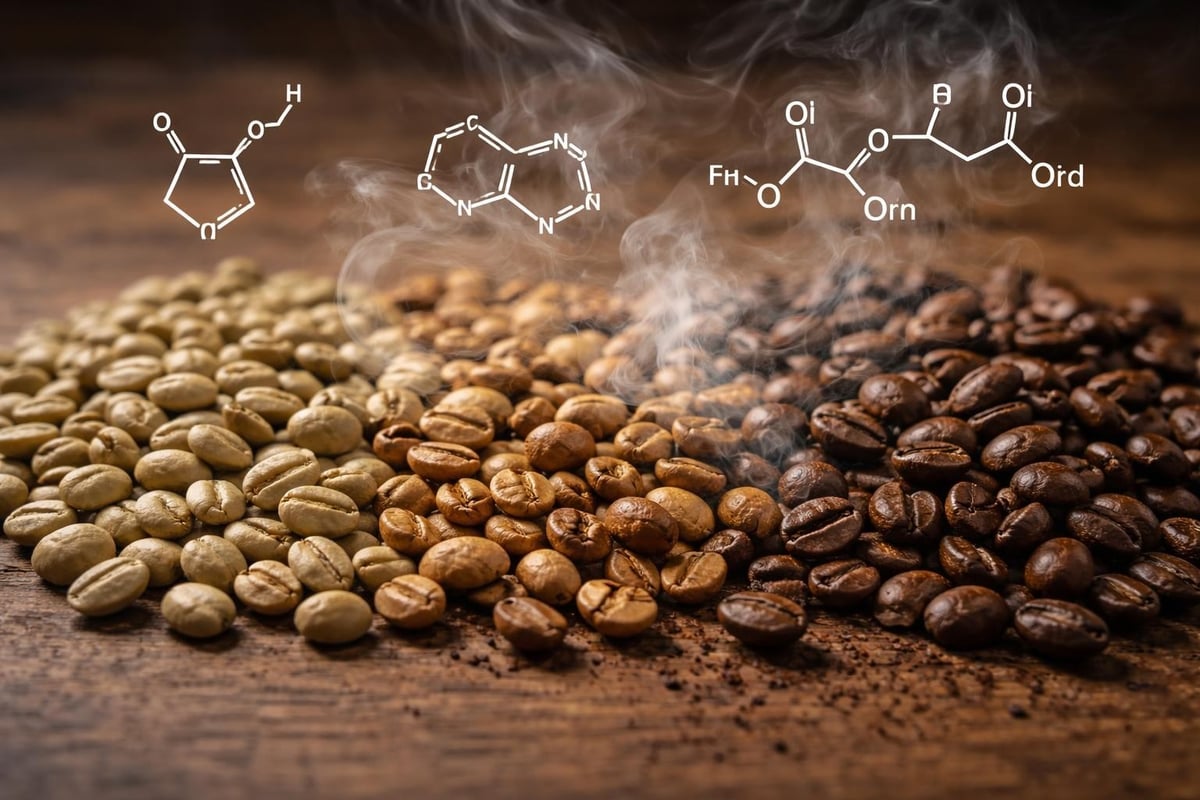
Coffee contains over 1,000 chemical compounds that contribute to its unique taste profile. Chemical compounds in coffee include acids, sugars, proteins, lipids, and countless volatile aromatic molecules that develop during roasting. The flavor in coffee emerges from complex interactions between these compounds as they dissolve and vaporize during brewing.
Volatile and Non-Volatile Compounds
The distinction between volatile and non-volatile compounds proves essential for understanding coffee flavor development. Volatile compounds create the aromatic experience, while non-volatile compounds affect taste directly on the palate. Research on coffee flavor components reveals how these molecules work together to create the complete sensory profile.
Key compound categories include:
- Furans and pyrazines producing nutty, roasted notes
- Aldehydes contributing fruity and floral aromas
- Organic acids creating brightness and acidity
- Melanoidins delivering body and mouthfeel
- Phenolic compounds adding complexity and bitterness
The Maillard reaction during roasting generates hundreds of new flavor compounds from the interaction of amino acids and reducing sugars. This chemical transformation explains why green coffee beans smell grassy while roasted beans develop their characteristic aromas.
Primary Taste Categories in Coffee
Flavor in coffee breaks down into distinct taste categories that trained palates can identify and describe. The specialty coffee industry uses standardized frameworks to analyze these characteristics systematically.
| Taste Category | Description | Example Origins |
|---|---|---|
| Acidity | Brightness, liveliness, tanginess | Kenya, Ethiopia, Colombia |
| Body | Weight, texture, mouthfeel | Sumatra, Brazil, India |
| Sweetness | Natural sugars, caramel notes | Costa Rica, Guatemala, Brazil |
| Bitterness | Pleasant depth, balance element | Dark roasts, Robusta blends |
Understanding Acidity
Acidity represents one of the most misunderstood aspects of flavor in coffee. Unlike the negative connotation in everyday language, acidity in coffee refers to pleasant brightness that makes the beverage lively and complex. Citric, malic, and phosphoric acids contribute different types of acidity.
High-grown arabica coffees from regions like Ethiopia naturally develop more pronounced acidity due to slower cherry maturation at altitude. The Bali Blue exemplifies how Indonesian coffees can balance moderate acidity with rich body.
Body and Mouthfeel
Body describes how coffee feels in your mouth-its weight, texture, and viscosity. Light-bodied coffees feel tea-like and delicate, while full-bodied coffees coat the palate with substantial presence. Oils, proteins, and suspended solids all contribute to perceived body.
Processing methods significantly impact body development. Wet-processed coffees typically exhibit cleaner, lighter bodies, while natural processed coffees develop heavier, more syrupy textures.
The Coffee Taster's Flavor Wheel
Professional coffee tasters rely on standardized vocabularies to communicate flavor experiences consistently. The language of coffee flavor evolved significantly with the development of the Coffee Taster's Flavor Wheel, first created in 1995 and updated in 2016.
This comprehensive tool organizes flavor in coffee into categories radiating from general to specific descriptors:
- Fruity notes - berry, citrus, stone fruit, tropical
- Sweet aromatics - vanilla, caramel, chocolate, honey
- Nutty/cocoa - almond, hazelnut, dark chocolate
- Spices - cinnamon, clove, pepper, anise
- Floral - jasmine, rose, chamomile, lavender
Developing Your Palate
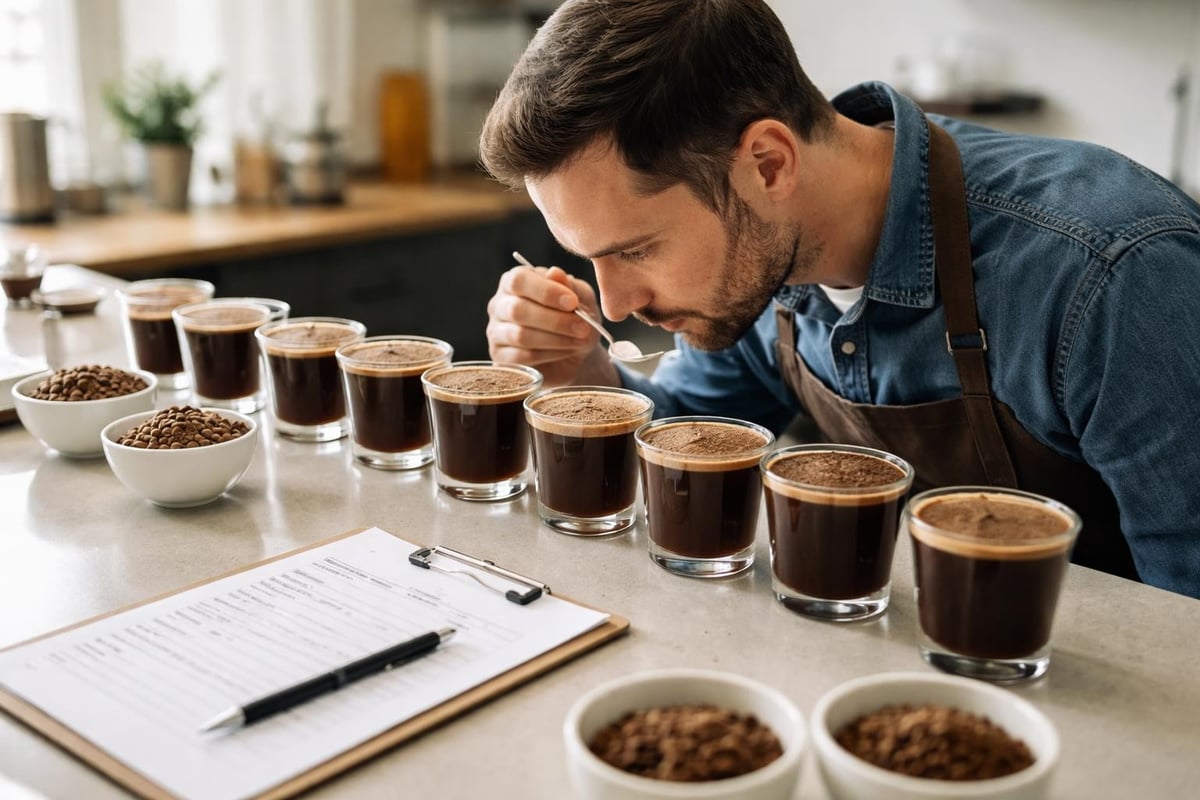
Training your palate to identify specific flavors requires practice and intentional tasting. Coffee cupping provides a standardized method for evaluating coffee that professionals worldwide use to assess quality and flavor characteristics.
Steps to improve flavor recognition:
- Cup multiple coffees side-by-side for comparison
- Use the flavor wheel as a reference during tasting
- Take detailed notes on each coffee's characteristics
- Practice identifying individual flavor compounds
- Engage all senses throughout the tasting process
How Origin Influences Flavor Profiles
Geographic origin dramatically impacts flavor in coffee through variables like altitude, soil composition, climate, and local coffee varieties. Coffee-growing regions produce distinctive taste signatures that experienced tasters recognize immediately.
African Coffees
African origins, particularly Ethiopia and Kenya, produce coffees renowned for bright acidity and complex fruit-forward profiles. Ethiopian coffees often showcase blueberry, jasmine, and bergamot notes, while Kenyan coffees deliver blackcurrant and tomato-like acidity.
Latin American Coffees
Central and South American coffees typically offer balanced profiles with clean sweetness and moderate acidity. Colombian coffees present caramel and nut flavors, while Costa Rican beans develop honey-like sweetness. The Brazil Santos represents the classic Brazilian profile with its chocolatey, low-acid character.
Indonesian and Asian Coffees
Indonesian coffees like Sumatra and Sulawesi develop earthy, herbal, and spicy notes with heavy body and low acidity. These unique characteristics stem from the wet-hulling process common in Indonesia, which creates distinctive flavor compounds not found in washed coffees.
| Region | Typical Acidity | Common Flavors | Body Characteristics |
|---|---|---|---|
| East Africa | High | Fruit, floral, wine-like | Light to medium |
| Central America | Medium-high | Chocolate, nuts, caramel | Medium |
| South America | Medium | Chocolate, nuts, mild fruit | Medium to full |
| Indonesia | Low | Earth, herbs, spice | Full, syrupy |
Roast Development and Flavor
Roast level profoundly influences flavor in coffee by determining which compounds develop, which break down, and how the final taste profile manifests. The roasting process transforms green coffee through carefully controlled heat application.
Light Roasts
Light roasts preserve origin characteristics and allow subtle flavor notes to shine. Acidity remains pronounced, and delicate floral or fruity notes stay intact. These roasts work best for high-quality single-origin coffees where terroir expression matters most.
Medium Roasts
Medium roasts balance origin characteristics with roast-developed flavors. Sweetness increases as sugars caramelize, while acidity moderates to pleasant brightness. This roast level suits both single origins and blends designed for versatility.
Dark Roasts
Dark roasts emphasize roast-developed flavors like chocolate, caramel, and toasted notes while diminishing origin-specific characteristics. The Italian Roast exemplifies how darker roasting creates bold, robust flavors preferred for espresso applications.
Brewing Methods and Flavor Extraction
Different brewing methods extract flavor in coffee at varying rates and efficiencies, dramatically affecting the final cup's taste profile. Understanding extraction principles helps you optimize flavor delivery for your preferred brewing style.
Immersion Brewing
French press, cold brew, and cupping use immersion methods where coffee grounds steep in water. These techniques extract more oils and dissolved solids, producing fuller-bodied cups with pronounced flavor intensity. Cold brew coffee develops unique smoothness and sweetness through extended cold-water extraction.
Percolation Brewing
Pour-over, drip, and espresso methods use percolation where water flows through coffee grounds. These approaches offer more control over extraction variables and typically produce cleaner, more nuanced cups that highlight specific flavor notes.
Factors affecting extraction and flavor:
- Grind size (finer = faster extraction)
- Water temperature (195-205°F optimal range)
- Brew time (longer = more extraction)
- Water-to-coffee ratio (strength and balance)
- Water quality (mineral content affects taste)
Flavor Development Through Processing
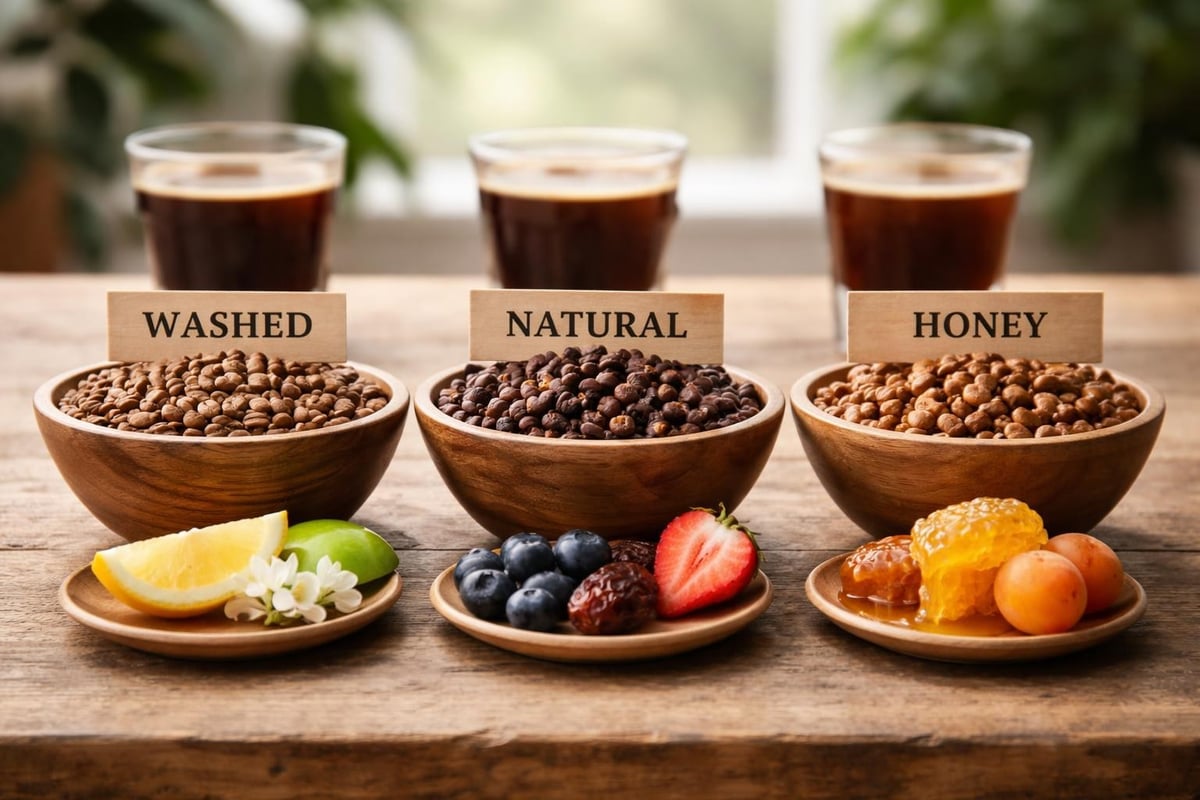
Coffee processing methods significantly influence flavor in coffee by affecting how sugars, acids, and other compounds develop during the drying phase. The three primary processing methods each create distinct flavor signatures.
Washed Processing
Washed coffees undergo fermentation to remove fruit material before drying, producing clean, bright cups that emphasize the bean's intrinsic characteristics. This method highlights acidity and allows subtle flavor notes to emerge clearly.
Natural Processing
Natural processing dries the entire coffee cherry with the bean inside, allowing fruit sugars to ferment and infuse into the bean. This creates fruity, wine-like flavors with heavier body and complex sweetness.
Honey Processing
Honey processing removes the skin but leaves varying amounts of mucilage during drying, creating a middle ground between washed and natural profiles. Different honey levels (white, yellow, red, black) produce increasingly fruit-forward characteristics.
Blending for Flavor Balance
Skilled roasters create blends that combine multiple origins to achieve specific flavor targets impossible with single-origin coffees alone. The art of blending involves understanding how different components interact and complement each other.
Building Flavor Layers
Effective blends layer different flavor characteristics to create complexity and balance. A base component provides body and sweetness, accent coffees add brightness or specific flavor notes, and seasoning coffees contribute complexity or unique characteristics.
The House Blend demonstrates how combining complementary origins creates a versatile, crowd-pleasing profile suitable for various brewing methods and preferences.
Seasonal Adjustments
Professional roasters adjust blend recipes seasonally as different origin coffees come into and out of availability. Maintaining consistent flavor in coffee throughout the year requires careful component selection and ratio adjustments.
Flavored Coffee Innovation
Flavored coffees represent a distinct category where additional ingredients enhance or modify the natural coffee profile. Quality flavored coffees start with excellent base beans and use premium flavoring compounds that complement rather than mask the coffee's character.
Natural vs. Artificial Flavoring
High-quality flavored coffees use natural or nature-identical flavoring compounds that integrate seamlessly with the coffee's existing profile. The French Vanilla showcases how classic vanilla notes can enhance coffee's natural sweetness and create a comforting, dessert-like experience.
Popular flavor categories include:
- Classic desserts (caramel, vanilla, chocolate)
- Seasonal favorites (pumpkin spice, peppermint)
- Nutty profiles (hazelnut, pecan, almond)
- Specialty creations (unique flavor combinations)
Pairing Flavors with Base Coffees
Successful flavored coffees match flavoring compounds with appropriate base coffee profiles. Medium roasts work well for most applications, providing enough body to carry flavors while maintaining some coffee character. The Chocolate Hazelnut pairing exemplifies how complementary flavors create harmonious taste experiences.
Evaluating Coffee Flavor Quality
Professional coffee evaluation uses systematic approaches to assess flavor in coffee objectively. The Specialty Coffee Association's resources provide standardized tools that help tasters analyze and describe coffee flavors consistently across the industry.
Cupping Protocol Standards
Professional cupping follows strict protocols to ensure reproducible results. Specific grind sizes, water temperatures, coffee-to-water ratios, and timing create controlled conditions for evaluation. Cuppers assess fragrance, aroma, flavor, aftertaste, acidity, body, balance, and overall impression.
Quality Indicators
Positive flavor attributes include:
- Clean cup (free from defects)
- Sweetness (natural sugar presence)
- Complexity (multiple distinct flavors)
- Balance (harmonious component integration)
- Finish (pleasant, lingering aftertaste)
Defects like fermented, phenolic, or musty flavors indicate problems in growing, processing, or storage that compromise coffee quality.
Storing Coffee to Preserve Flavor
Proper storage maintains flavor in coffee by protecting beans from the primary enemies of freshness: oxygen, light, heat, and moisture. Coffee begins losing peak flavor immediately after roasting as volatile compounds dissipate and oils oxidize.
Optimal Storage Conditions
Store coffee in airtight, opaque containers at room temperature away from heat sources and direct sunlight. Avoid refrigeration or freezing for daily-use coffee, as temperature fluctuations introduce moisture that degrades flavor compounds.
Storage best practices:
- Use coffee within 2-3 weeks of roasting for peak flavor
- Buy smaller quantities more frequently
- Keep original packaging sealed until use
- Grind immediately before brewing
- Never store near strong-smelling items
Quality roasters like Velours de Paris Coffee package their products in valve-sealed bags that protect freshness while allowing degassing. When you explore premium offerings and want to maximize value, using promotional codes like WELCOME10 saves 10% on your first order while experiencing exceptional small-batch roasted coffees.
Terroir and Microclimate Effects
The concept of terroir-borrowed from wine culture-applies powerfully to coffee. Specific microclimates create unique flavor signatures in coffee from particular farms or regions, influenced by factors professional tasters learn to recognize.
Altitude's Impact
Higher elevations produce denser beans with more concentrated flavors. Cooler temperatures at altitude slow cherry maturation, allowing more complex sugars and acids to develop. Coffees grown above 1,400 meters typically exhibit more nuanced, refined flavor profiles than lower-elevation crops.
Soil Composition
Volcanic soils rich in minerals contribute distinct characteristics to flavor in coffee. The mineral content affects nutrient availability, which influences the compounds coffee plants produce and store in their cherries. Regional soil signatures become identifiable through repeated tasting experience.
Tasting Terminology and Descriptors
Developing a shared vocabulary enables meaningful communication about flavor in coffee experiences. Flavor lexicons provide standardized terms that professional tasters use to describe sensory attributes consistently.
Sensory Spectrum
Coffee descriptors range from specific to general, helping tasters pinpoint exact flavor perceptions. Instead of simply noting "fruity," trained cuppers identify whether they taste citrus, berry, stone fruit, or tropical fruit notes, then drill down further to lemon versus orange or strawberry versus blackberry.
Developing Vocabulary
Expanding your flavor vocabulary requires exposing your palate to diverse taste experiences beyond coffee. Tasting fresh fruits, spices, chocolates, and other flavor reference materials builds mental libraries that improve recognition accuracy when cupping coffee.
| Descriptor Category | Example Terms | What They Indicate |
|---|---|---|
| Acidity Quality | Bright, crisp, vibrant, sharp | Processing, altitude, variety |
| Sweetness Type | Honey, caramel, brown sugar, molasses | Roast level, ripeness |
| Texture | Silky, creamy, syrupy, juicy | Processing, brewing method |
| Finish | Clean, lingering, drying, smooth | Quality, roast development |
Water Chemistry and Flavor
Water quality dramatically affects flavor in coffee extraction since brew water comprises over 98% of the final beverage. Understanding taste, aroma, and flavor requires considering how water chemistry influences extraction efficiency and taste perception.
Mineral Content
Optimal brewing water contains balanced mineral content-neither too soft nor excessively hard. Calcium and magnesium help extract desirable flavor compounds, while bicarbonates buffer acids and affect perceived acidity. Total dissolved solids between 75-250 ppm typically produce the best results.
Chlorine and Off-Flavors
Municipal water often contains chlorine that imparts unpleasant flavors and interferes with coffee aromatics. Carbon filtration removes chlorine while preserving beneficial minerals, significantly improving extraction quality and flavor clarity.
Understanding flavor in coffee transforms every cup into an opportunity for discovery and appreciation. The complex interplay of origin, processing, roasting, and brewing creates infinite taste possibilities that reward careful attention and deliberate exploration. Whether you prefer the fruit-forward brightness of African coffees, the balanced sweetness of Latin American beans, or the bold intensity of dark roasts, developing your palate enhances enjoyment and deepens your connection to this remarkable beverage. Experience exceptional flavor crafted from premium beans with Velours de Paris Coffee, where small-batch roasting and careful sourcing ensure every cup delivers the complexity and freshness that true coffee lovers deserve.