

Z3 Speciality Coffee: Excellence in Every Cup
The specialty coffee landscape continues to evolve rapidly in 2026, with establishments like z3 speciality coffee setting new standards for quality, transparency, and customer experience. As consumers become increasingly discerning about their coffee choices, understanding what differentiates exceptional specialty coffee from ordinary offerings has never been more important. This exploration reveals how z3 speciality coffee embodies the core principles that define excellence in the specialty coffee industry.
The Foundation of Specialty Coffee Excellence
Specialty coffee represents far more than a marketing category. It encompasses a comprehensive approach to coffee production, processing, roasting, and preparation that prioritizes quality at every stage.
Defining Characteristics of Premium Coffee
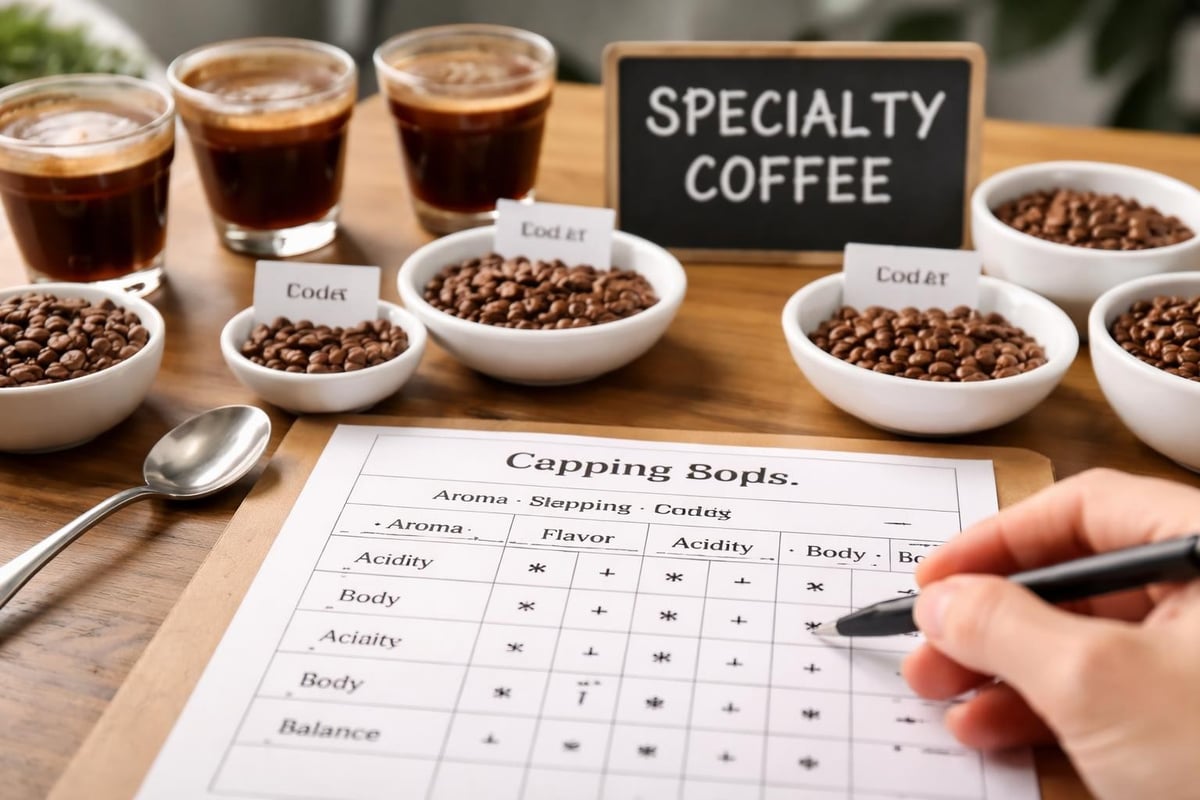
The Specialty Coffee Association has established rigorous standards that separate specialty coffee from commercial-grade alternatives. These standards require beans to score 80 points or higher on a 100-point scale, with professional cuppers evaluating factors including aroma, flavor, aftertaste, acidity, body, and balance.
Key quality indicators include:
- Traceable origin information
- Consistent roasting profiles
- Proper storage and handling
- Skilled preparation techniques
- Seasonal freshness
Z3 speciality coffee demonstrates these principles through its commitment to sourcing exceptional beans and maintaining exacting preparation standards. The specialty coffee market shows remarkable growth, with consumers increasingly willing to invest in superior coffee experiences.
Sourcing Excellence: The Origin Story
Behind every exceptional cup of z3 speciality coffee lies a carefully cultivated relationship between roasters, importers, and coffee farmers. This transparent supply chain ensures quality beans reach consumers while supporting sustainable farming practices.
Direct Trade Relationships
Modern specialty coffee businesses increasingly embrace direct trade models that bypass traditional commodity markets. These relationships allow roasters to:
- Visit farms and establish personal connections
- Understand growing conditions and processing methods
- Provide feedback that improves quality
- Pay premium prices that support farmer livelihoods
- Secure consistent access to exceptional beans
The emphasis on traceability means customers can learn exactly where their coffee originated, down to the specific farm or cooperative. This transparency builds trust and appreciation for the journey each bean undertakes.
| Sourcing Model | Quality Control | Price Transparency | Farmer Relationships |
|---|---|---|---|
| Direct Trade | Excellent | High | Strong |
| Fair Trade | Good | Moderate | Indirect |
| Commodity Market | Variable | Low | None |
Coffee enthusiasts seeking single origin options can explore distinctive flavor profiles that reflect specific terroir and processing techniques. Each origin tells its own story through taste.
Roasting Craft and Scientific Precision
The transformation of green coffee beans into aromatic, flavorful roasted coffee requires both artistic intuition and scientific understanding. Z3 speciality coffee exemplifies this balance through careful attention to roasting variables.
Small Batch Advantages
Small batch roasting offers numerous benefits that larger commercial operations cannot match:
- Consistency: Roasters can monitor each batch closely, adjusting for environmental factors
- Freshness: Smaller quantities mean coffee reaches customers soon after roasting
- Flexibility: Different origins can be roasted to profiles that highlight their unique characteristics
- Quality control: Problems can be identified and corrected immediately
The roasting process involves complex chemical reactions that develop over 400 distinct flavor compounds. Temperature curves, airflow, and timing all influence the final result. Expert roasters understand how each variable affects the bean's internal structure and flavor development.
Temperature profiles vary significantly based on bean density, moisture content, and desired flavor outcomes. Light roasts preserve origin characteristics and acidity, while medium roasts develop sweetness and balance. Darker roasts create bold, robust flavors with reduced acidity.
The Brewing Variables That Matter
Even the finest beans can produce disappointing results without proper preparation. Z3 speciality coffee maintains standards for brewing that honor the quality of their carefully sourced and roasted beans.
Water Quality and Composition
Water comprises roughly 98% of brewed coffee, making its quality essential to the final cup. Mineral content affects extraction efficiency and flavor perception.
Ideal water characteristics:
- Total dissolved solids between 75-250 ppm
- Balanced mineral composition
- Neutral pH around 7
- Chlorine-free
- Fresh and oxygenated
Coffee professionals often use specialized filtration systems to achieve optimal water chemistry. The specialty coffee consumption has reached new heights, partly due to increased awareness of these technical factors.
Extraction Principles
Proper extraction balances the soluble compounds that contribute desirable flavors while minimizing bitter or astringent notes. The extraction percentage typically falls between 18-22% for optimal results.
Variables affecting extraction include:
- Grind size (surface area exposure)
- Water temperature (solubility rates)
- Contact time (extraction duration)
- Turbulence (water movement through grounds)
- Coffee-to-water ratio (concentration)
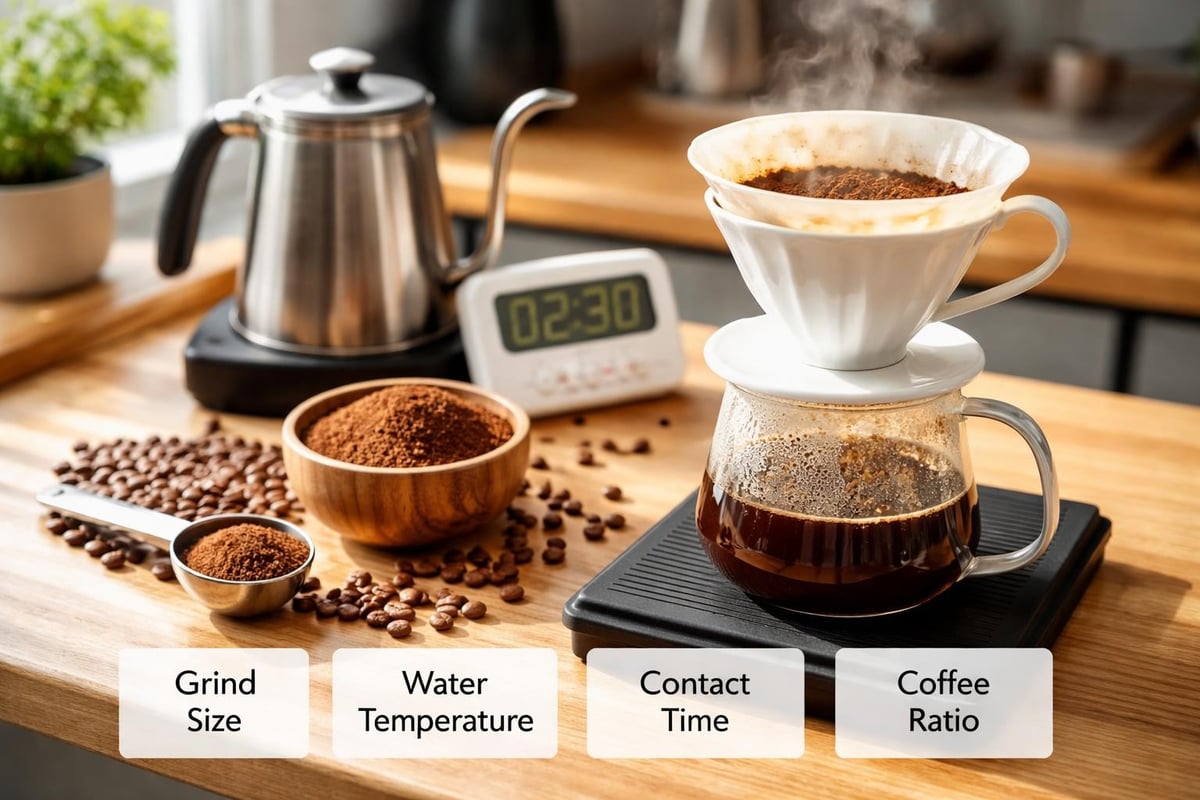
Espresso preparation adds complexity through pressure as an extraction variable, requiring precise calibration of all factors to produce balanced shots with appropriate sweetness, acidity, and body.
Menu Innovation and Customer Experience
The z3 speciality coffee menu showcases how specialty establishments create memorable experiences through thoughtful beverage design and complementary offerings. Innovation extends beyond traditional espresso drinks to include seasonal specials, alternative brewing methods, and creative flavor combinations.
Beverage Development Strategy
Successful specialty coffee businesses balance classic offerings with innovative creations that showcase coffee's versatility:
| Beverage Category | Purpose | Example Applications |
|---|---|---|
| Classic Espresso Drinks | Foundation/Consistency | Cappuccino, Latte, Americano |
| Seasonal Specials | Excitement/Limited Availability | Honey Lavender Latte, Maple Cinnamon Cortado |
| Alternative Methods | Education/Variety | Pour Over, Aeropress, Cold Brew |
| Signature Creations | Brand Identity | House Specialty Blends |
Homemade desserts and pastries complement coffee offerings, creating opportunities for pairing guidance that enhances both elements. The synergy between food and beverage elevates the overall customer experience.
Those interested in exploring coffee blends can discover how different origins combine to create complex, balanced flavor profiles. Master blenders carefully select components that complement and enhance each other.
For coffee enthusiasts looking to explore premium options at home, using the code WELCOME10 provides a valuable introduction to exceptional coffee experiences. This opportunity allows newcomers to discover the difference that quality sourcing and careful roasting make in every cup.
Market Dynamics and Industry Trends
The specialty coffee sector demonstrates remarkable resilience and growth potential. Strategic shifts in 2025 reveal evolving consumer preferences and business adaptations that shape the industry's future.
Consumer Education and Appreciation
Coffee literacy continues expanding as customers seek deeper understanding of what they consume. This educational movement benefits establishments like z3 speciality coffee that prioritize transparency and quality communication.
Growing consumer interests include:
- Origin stories and farmer profiles
- Processing method variations (washed, natural, honey)
- Roast profile impacts on flavor
- Brewing technique fundamentals
- Sustainability certifications and practices
Educational initiatives through tastings, workshops, and informational materials build community engagement while fostering appreciation for specialty coffee's complexity. Customers who understand the work behind their cup demonstrate greater loyalty and willingness to pay premium prices.
The projected market growth of USD 50.8 billion between 2025 and 2029 reflects sustained consumer demand for quality coffee experiences. This expansion creates opportunities for businesses that deliver consistent excellence.
Sustainability and Ethical Sourcing
Environmental and social responsibility increasingly influences purchasing decisions. Specialty coffee businesses respond by implementing sustainable practices throughout their operations.
Climate change poses significant challenges to coffee production, with rising temperatures and unpredictable weather patterns threatening traditional growing regions. Forward-thinking businesses invest in:
- Climate-resilient coffee varieties
- Farmer support programs and education
- Carbon-neutral shipping and operations
- Compostable or recyclable packaging
- Water conservation initiatives
Transparent communication about these efforts resonates with environmentally conscious consumers who view coffee purchases as values-aligned decisions. The best specialty coffee balances exceptional quality with responsible sourcing practices.
Technology Integration in Coffee Service
Modern specialty coffee businesses leverage technology to enhance operations, customer experience, and quality consistency. Z3 speciality coffee represents this evolution through strategic technology adoption.
Equipment Innovation
Espresso machine technology has advanced dramatically, with features that support precise temperature control, pressure profiling, and extraction monitoring. These innovations allow baristas to dial in perfect shots with unprecedented accuracy.
Modern equipment capabilities:
- PID temperature controllers maintaining stability within 0.5°F
- Programmable pre-infusion sequences
- Real-time flow rate monitoring
- Data logging for quality analysis
- Smart grinders with dose-by-weight functionality
Brewing equipment similarly benefits from technological advancement, with automated pour-over systems replicating champion barista techniques while maintaining consistency across hundreds of cups daily.
Digital Customer Engagement
Online ordering, mobile payment systems, and loyalty programs streamline transactions while gathering valuable customer preference data. This information enables personalized recommendations and targeted communications that enhance relationships.
Social media platforms provide venues for storytelling, education, and community building. Behind-the-scenes content showing sourcing trips, roasting processes, and barista training humanizes brands while demonstrating expertise.
The Barista's Role in Quality Delivery
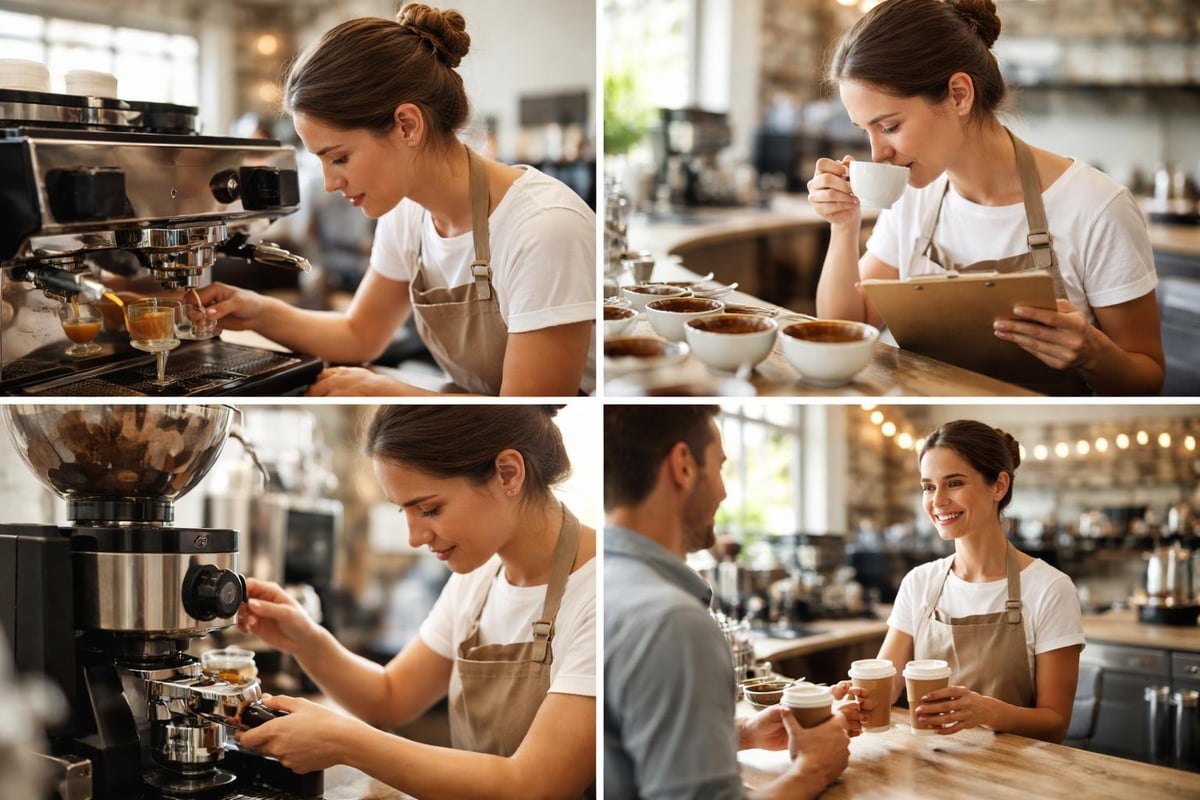
Even exceptional coffee requires skilled preparation to reach its full potential. Professional baristas serve as the final link in the quality chain, translating carefully sourced and roasted beans into memorable drinking experiences.
Training and Development
Comprehensive barista education covers technical skills, sensory development, and customer service excellence. Training programs typically include:
- Espresso extraction theory and practice
- Milk steaming and latte art techniques
- Coffee tasting and flavor identification
- Equipment maintenance and troubleshooting
- Customer interaction and menu guidance
Certification programs from organizations like the Specialty Coffee Association provide structured learning pathways that develop professional competency. Ongoing education keeps baristas current with industry innovations and evolving best practices.
The human element remains irreplaceable despite technological advancement. Skilled baristas adjust techniques based on variables like ambient humidity, bean age, and individual customer preferences that algorithms cannot fully capture.
Flavor Exploration and Tasting Techniques
Developing coffee appreciation requires intentional tasting practice that trains the palate to identify subtle flavor nuances. Z3 speciality coffee encourages this exploration through cupping sessions and guided tastings.
Cupping Protocol Standards
Professional coffee tasting follows established protocols that enable consistent evaluation:
- Grind fresh coffee to medium-coarse consistency
- Add 8.25 grams per 150ml of water
- Pour water at 200°F directly onto grounds
- Allow to steep for 4 minutes
- Break the crust and evaluate aroma
- Skim remaining grounds from surface
- Taste at multiple temperature points
This standardized approach allows meaningful comparison between different coffees, revealing distinctive characteristics that might otherwise go unnoticed.
Flavor Wheel Navigation
The Coffee Taster's Flavor Wheel organizes descriptors into categories radiating from general to specific. This tool helps tasters articulate perceptions that might otherwise remain vague impressions.
Primary categories include:
- Fruity: Berry, citrus, dried fruit subcategories
- Sweet: Caramelized, chocolate, vanilla notes
- Nutty: Almond, hazelnut, peanut characteristics
- Spice: Clove, cinnamon, pepper elements
- Floral: Jasmine, rose, chamomile aromatics
Regular practice develops the ability to identify these flavors, transforming coffee from simple caffeine delivery into a complex sensory experience. Those exploring flavored coffee options can appreciate how added flavors complement or contrast with coffee's inherent characteristics.
Building Community Through Coffee
Specialty coffee establishments function as third places where communities gather beyond home and work. Z3 speciality coffee exemplifies this social dimension through intentional space design and programming.
Creating Welcoming Environments
Physical space influences how customers interact with coffee and each other. Thoughtful design considerations include:
| Element | Impact | Implementation |
|---|---|---|
| Seating Variety | Accommodates different needs | Mix of communal tables, individual seats, cozy corners |
| Noise Management | Enables conversation | Acoustic treatments, music volume control |
| Natural Light | Creates pleasant atmosphere | Large windows, supplemental warm lighting |
| Visual Interest | Encourages lingering | Local art, plant life, design elements |
Regular customers develop routines and relationships that transform casual visits into meaningful social connections. Baristas who remember names and preferences strengthen these bonds.
Events and Educational Programming
Workshops, tastings, and community events position specialty coffee shops as cultural hubs rather than mere transaction points. These activities build customer knowledge while creating memorable experiences.
Popular programming includes:
- Latte art throwdowns and competitions
- Coffee and food pairing dinners
- Home brewing classes
- Roaster meet-and-greets
- Local artist showcases
Such initiatives differentiate specialty coffee businesses from commercial chains while fostering loyal communities around shared appreciation for quality coffee.
Visitors can learn more by exploring contact information to plan visits and discover operating hours that accommodate their schedules.
Future Directions in Specialty Coffee
The specialty coffee industry continues evolving as new processing techniques, varieties, and brewing methods emerge. Innovation balanced with tradition defines the sector's trajectory.
Experimental Processing Methods
Coffee processing traditionally followed three main approaches: washed, natural, and honey. Recent years have seen explosive experimentation with anaerobic fermentation, carbonic maceration, and hybrid techniques borrowed from winemaking.
These methods create unprecedented flavor profiles ranging from intensely fruity to creamy and complex. While some experiments produce exceptional results, others serve as learning experiences that advance collective understanding.
Variety Development and Climate Adaptation
Coffee breeding programs focus on developing varieties that maintain quality while resisting disease and tolerating climate stress. F1 hybrids show particular promise, combining desirable traits from different parent varieties.
Research into forgotten or obscure varieties also reveals untapped flavor potential. Ethiopian landrace varieties, for instance, offer genetic diversity that could prove crucial for long-term coffee sustainability.
The challenges facing the industry, including market saturation concerns, demand ongoing innovation and differentiation. Businesses that authentically deliver value while building genuine relationships will thrive regardless of competitive pressures.
Quality Across Formats and Preferences
Specialty coffee excellence extends beyond traditional espresso preparations to encompass diverse formats that meet varying customer needs and preferences.
Alternative Caffeine Options
Not all coffee enthusiasts tolerate caffeine equally well. Decaf coffee options using advanced processing methods like Swiss Water or CO2 extraction preserve flavor complexity while removing stimulants.
Modern decaffeination techniques avoid harsh chemicals while retaining the subtle characteristics that distinguish specialty coffee. The result challenges outdated perceptions that decaf necessarily means compromised quality.
Cold Brew Innovation
Cold brew coffee represents more than a summer trend. The extended extraction period at ambient temperatures produces smooth, naturally sweet coffee with reduced acidity that appeals to diverse palates.
Nitro cold brew adds textural interest through cascading nitrogen bubbles that create creamy mouthfeel without dairy. These innovations demonstrate how specialty coffee principles apply across preparation methods.
Convenience formats including pods and capsules increasingly meet specialty standards as roasters adapt quality coffee to modern lifestyles. The coffee pods and capsules category shows how premium coffee reaches consumers seeking both quality and efficiency.
Understanding what distinguishes exceptional specialty coffee empowers consumers to make informed choices that support quality, sustainability, and authentic craftsmanship. The principles embodied by z3 speciality coffee reflect an industry-wide commitment to excellence that elevates coffee from commodity to craft. Whether you're exploring new origins, refining your brewing technique, or simply seeking your next favorite coffee, Velours de Paris Coffee offers expertly roasted, carefully sourced beans that deliver exceptional flavor and freshness in every cup.