

Specialty Coffee House: Building a Premium Experience
The modern specialty coffee house represents far more than a place to grab a quick caffeine fix. These establishments have transformed the coffee industry by prioritizing quality, transparency, and craftsmanship at every stage of the coffee journey. From carefully selecting beans from specific regions to implementing precise roasting techniques, a specialty coffee house operates with the intentionality of an artisan workshop. As consumer preferences shift toward authenticity and superior flavor profiles, understanding what distinguishes these premium establishments becomes essential for both coffee enthusiasts and business operators seeking to meet evolving market demands.
Defining the Specialty Coffee House Model
A specialty coffee house focuses on serving high-quality, artisanal coffee that meets rigorous standards set by organizations like the Specialty Coffee Association. These standards require that green coffee beans score 80 points or higher on a 100-point scale during cupping evaluations. This commitment to excellence differentiates specialty coffee houses from conventional cafes that prioritize volume and convenience over quality.
The specialty coffee house business model centers on value-added, highly differentiated products that justify premium pricing. Customers visiting these establishments expect transparency about bean origins, roasting dates, and brewing methods. This educational component transforms the coffee-drinking experience from a routine transaction into an engaging journey through flavor, geography, and craftsmanship.
Key Characteristics of Specialty Operations
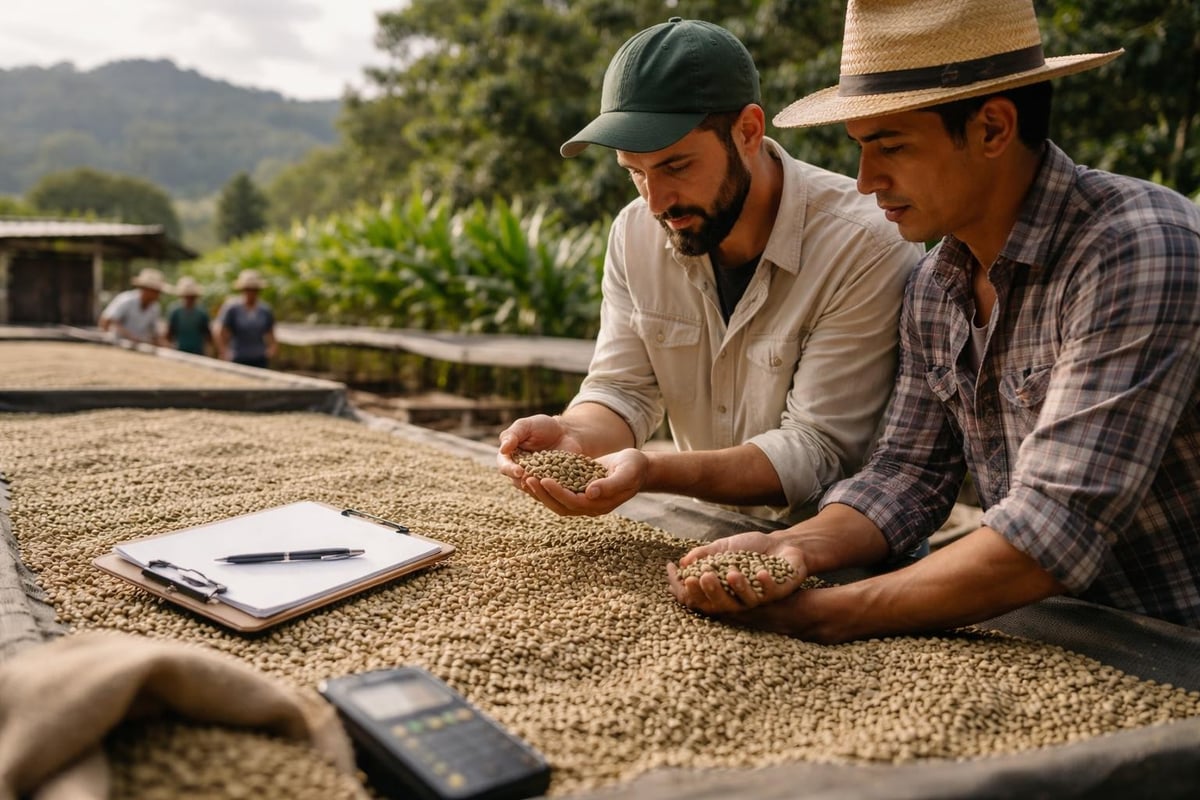
Quality standards form the foundation of every specialty coffee house operation. These establishments source beans from specific farms or cooperatives, often maintaining direct trade relationships that ensure fair compensation for producers while guaranteeing exceptional quality.
- Direct sourcing relationships with origin farmers
- Small-batch roasting to preserve flavor complexity
- Trained baristas who understand extraction science
- Multiple brewing methods tailored to bean characteristics
- Regular staff education on coffee origins and flavor profiles
The emphasis on freshly roasted coffee ensures that customers experience beans at peak flavor, typically within two to four weeks of roasting. This attention to timing requires sophisticated inventory management and close coordination between roasting operations and retail locations.
Market Growth and Consumer Trends
The specialty coffee segment has experienced remarkable expansion in recent years. According to industry projections, the specialty coffee shop market is expected to grow by USD 50.8 billion between 2025 and 2029. This substantial growth reflects fundamental shifts in consumer behavior and preferences.
Modern coffee consumers increasingly prioritize experience and quality over mere convenience. They seek establishments where they can learn about coffee origins, observe skilled baristas at work, and discover new flavor profiles. This educational appetite creates opportunities for specialty coffee houses to build loyal communities around shared appreciation for exceptional coffee.
Demographic and Behavioral Shifts
Millennial and Gen Z consumers drive much of the specialty coffee movement. These demographics value sustainability, ethical sourcing, and authentic brand stories. They're willing to pay premium prices when they understand the value proposition and can connect with a brand's mission.
| Consumer Priority | Specialty Coffee House Response | Business Impact |
|---|---|---|
| Sustainability | Regenerative agriculture partnerships | Enhanced brand loyalty |
| Transparency | Origin information and farm stories | Increased customer trust |
| Quality | Single-origin offerings and precise brewing | Premium pricing power |
| Experience | Educational tastings and barista interaction | Higher visit frequency |
The coffee shop industry statistics demonstrate that the specialty segment continues to outpace conventional coffee sales, with consumers actively seeking establishments that offer unique experiences and superior products.
Operational Excellence in Specialty Coffee Houses
Running a successful specialty coffee house requires mastery of multiple operational dimensions. Unlike conventional cafes that can rely on standardized equipment and procedures, specialty operations demand constant attention to variables that affect flavor extraction and customer experience.
Sourcing and Bean Selection
The specialty coffee house journey begins at origin. Establishing relationships with farmers and cooperatives in coffee-growing regions allows roasters to secure beans that meet exacting standards. This direct trade model benefits all parties: farmers receive fair compensation and feedback on quality, while roasters gain access to exceptional beans with traceable provenance.
Single-origin coffees showcase the unique characteristics of specific growing regions. A specialty coffee house might feature beans from Ethiopia's Yirgacheffe region alongside offerings from Colombia's Huila department, each expressing distinct terroir through flavor notes ranging from bright citrus to rich chocolate. These single-origin coffee selections educate customers about how geography, altitude, and processing methods influence taste.
Many specialty establishments also create signature coffee blends that balance complementary beans from different origins. These blends require expertise in understanding how various coffees interact during roasting and brewing, creating complexity and consistency that customers can rely on.
Roasting Philosophy and Practice
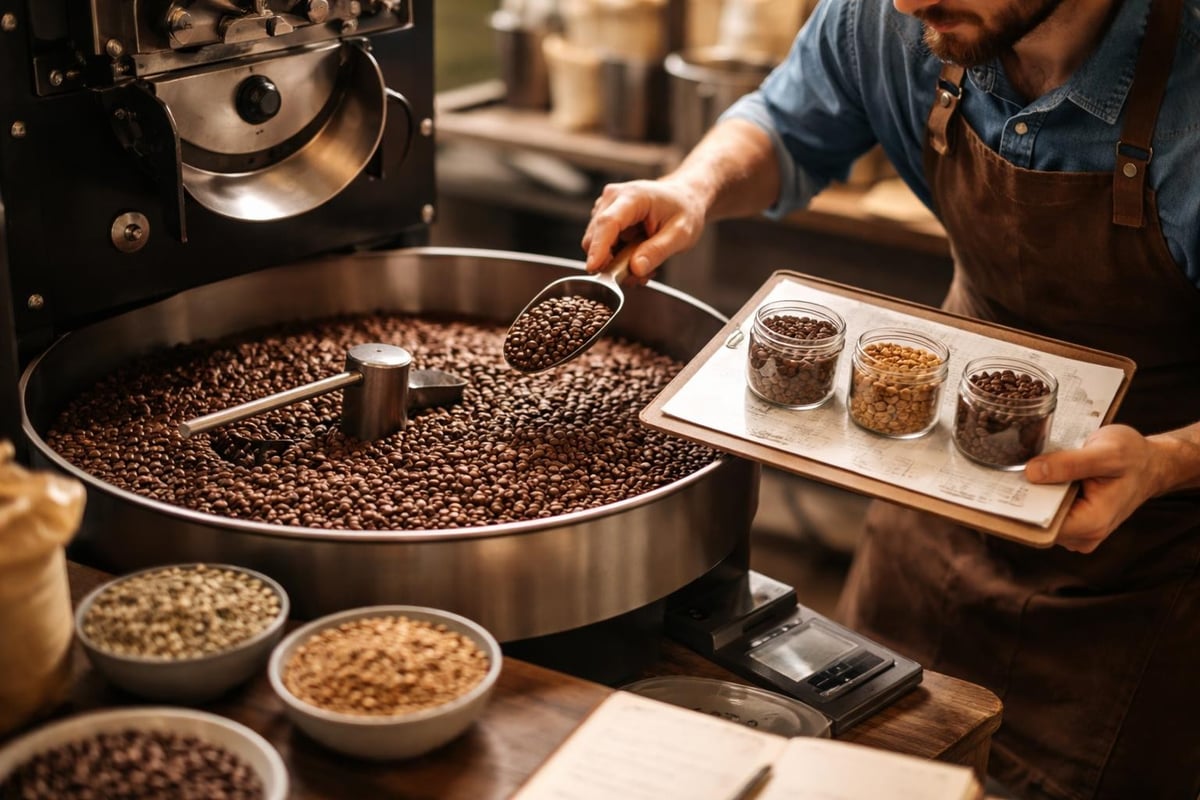
Small-batch roasting distinguishes specialty coffee houses from mass-market competitors. By roasting limited quantities, often just enough for a few days or weeks of service, these establishments maintain absolute freshness while allowing roasters to fine-tune profiles for each origin.
Roast development involves careful manipulation of temperature, time, and airflow to unlock desired flavor compounds while avoiding defects. Light roasts preserve origin characteristics and acidity, medium roasts balance sweetness with body, and darker roasts develop caramelization and reduced acidity. A specialty coffee house typically offers multiple roast levels to accommodate diverse preferences.
Brewing Methods and Customer Education
The specialty coffee house experience extends beyond bean quality to encompass brewing excellence. These establishments typically offer multiple preparation methods, each suited to highlight different aspects of coffee character.
Diverse Brewing Techniques
Espresso-based drinks form the foundation of most specialty coffee house menus. Properly extracted espresso requires precise control of grind size, dose, temperature, and pressure. Baristas at specialty establishments calibrate these variables throughout the day as atmospheric conditions change, ensuring consistency in every shot.
Pour-over methods like Chemex, Hario V60, and Kalita Wave allow customers to experience coffee with clarity and nuance. These manual brewing techniques require skill and patience but reward drinkers with clean, complex cups that showcase bean quality.
- Espresso and espresso-based beverages
- Pour-over coffee with various devices
- French press for full-bodied extraction
- AeroPress for versatile brewing
- Cold brew for smooth, low-acid options
The popularity of cold brew coffee has surged among specialty coffee consumers. This method produces concentrate through extended steeping in cold water, resulting in smooth, naturally sweet coffee with reduced acidity. According to specialty coffee trends, cold brew continues gaining market share as consumers discover its versatility and convenience.
Training and Knowledge Sharing
Barista education represents a significant investment for specialty coffee houses. Staff members must understand coffee science, practice consistent technique, and communicate effectively with customers who have varying levels of coffee knowledge.
Successful specialty coffee houses create learning opportunities for customers through tasting events, brewing classes, and casual conversation at the bar. This educational approach transforms transactions into relationships, building community around shared coffee appreciation.
Creating Community and Atmosphere
The physical space of a specialty coffee house serves multiple functions beyond coffee service. These establishments have evolved into community hubs where people gather for work, conversation, and connection.
Design and Ambiance
Thoughtful design reflects a specialty coffee house's commitment to quality. Many establishments feature minimalist aesthetics that highlight natural materials like wood, concrete, and ceramics. This design philosophy creates calm environments where coffee takes center stage without overwhelming sensory distractions.
Lighting plays a crucial role in setting the right atmosphere. Natural light during daytime hours creates an inviting workspace, while warm artificial lighting in evenings establishes intimacy for social gatherings. Comfortable seating arrangements accommodate both solo visitors seeking quiet focus and groups desiring conversation space.
Building Loyal Communities
Specialty coffee houses cultivate regular customers through consistent quality and genuine hospitality. Baristas who remember names, preferences, and life details create personal connections that transcend transactional relationships. These human elements differentiate specialty establishments from automated or impersonal chains.
Many successful specialty coffee houses host events that strengthen community bonds. Cupping sessions allow customers to taste multiple coffees side-by-side, developing their palates while learning about origin characteristics. Latte art competitions showcase barista skills while entertaining audiences. These events generate excitement and give customers reasons to visit beyond daily coffee needs.
Product Diversification and Revenue Streams
While beverage service forms the core business, many specialty coffee houses expand revenue through complementary products and services. This diversification creates additional touchpoints with customers while maximizing the value of premium positioning.
Retail Coffee Sales
Offering whole bean coffee for home brewing allows customers to recreate specialty experiences in their own kitchens. Packaging freshly roasted beans with roast dates, origin information, and brewing recommendations extends the specialty coffee house brand beyond its physical location.
To make premium coffee more accessible, consider offering welcome incentives for first-time purchasers. Save 10% use code: WELCOME10 when exploring different origins and roast profiles, allowing customers to discover their preferences without significant financial commitment.
Flavored coffee options provide entry points for customers transitioning from conventional to specialty coffee. While purists may prefer unadulterated single origins, thoughtfully crafted flavored varieties using natural ingredients can introduce new audiences to higher-quality beans while respecting their preference for familiar taste profiles.
Subscription Services and Convenience
Coffee subscriptions create predictable revenue while ensuring customers never run out of their favorite roasts. These programs can be structured around delivery frequency, quantity, and variety preferences, accommodating both creature-of-habit customers and adventurous explorers seeking new origins.
Coffee pods and capsules address the reality that many customers own single-serve brewing systems. By offering specialty-grade coffee in convenient formats, specialty coffee houses make quality accessible to time-pressed consumers without compromising their standards.
Sustainability and Ethical Practices
Modern specialty coffee houses recognize their responsibility to environmental and social sustainability. These commitments extend throughout the supply chain, from farming practices to waste management in retail locations.
Environmental Initiatives
Regenerative agriculture practices are gaining prominence in specialty coffee. According to emerging trends, specialty coffee businesses increasingly partner with farms implementing regenerative techniques that restore soil health, sequester carbon, and enhance biodiversity.
Energy-efficient equipment reduces the environmental footprint of specialty coffee house operations. Modern espresso machines with improved insulation and heat exchangers consume less power while maintaining temperature stability. LED lighting and programmable HVAC systems further reduce energy consumption without compromising customer comfort.
Social Responsibility
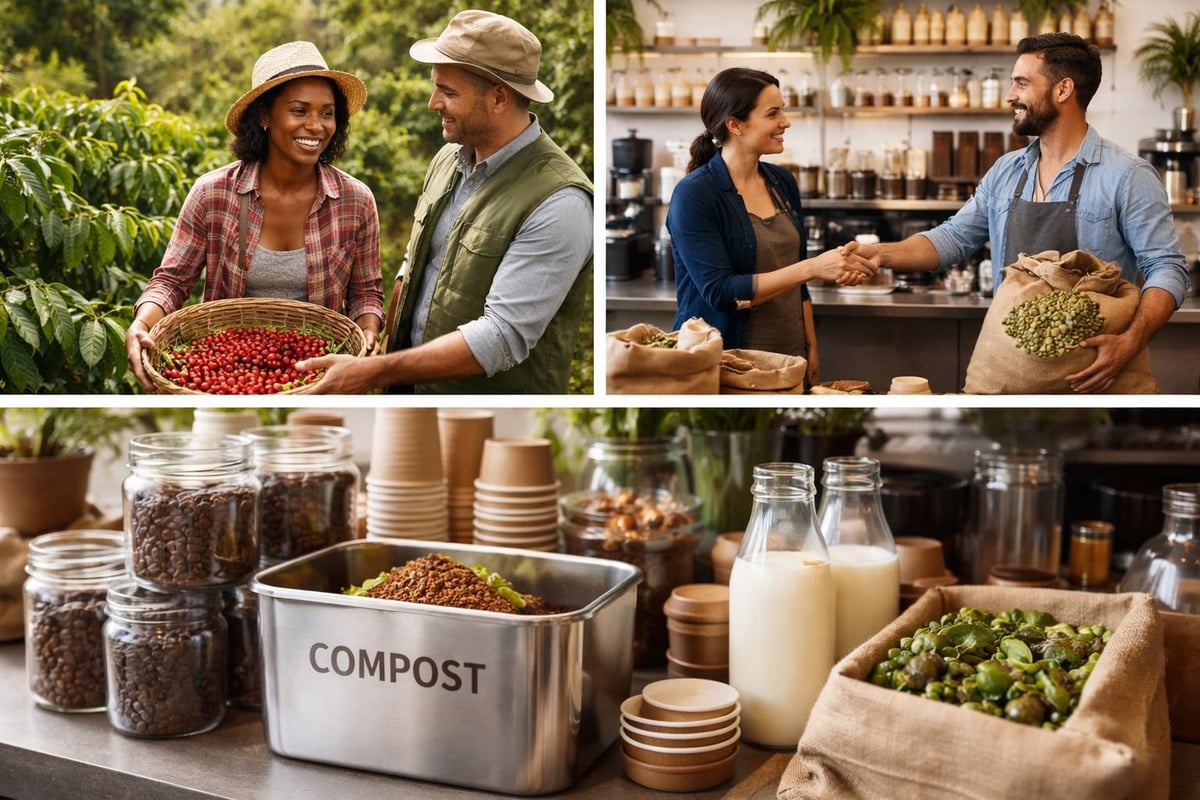
Fair compensation for coffee farmers remains central to specialty coffee values. Direct trade relationships ensure that farmers receive prices reflecting quality and effort rather than commodity market fluctuations that rarely account for exceptional beans.
Many specialty coffee houses participate in origin projects that improve infrastructure, education, and healthcare in farming communities. These initiatives recognize that sustainable business relationships require supporting the people who make specialty coffee possible.
Technology Integration and Innovation
The specialty coffee house industry increasingly embraces technology to enhance operations and customer experience. These tools support rather than replace human expertise, creating efficiency while maintaining the personal touch that defines specialty service.
Operational Technologies
Point-of-sale systems designed for specialty coffee track sales patterns, ingredient usage, and customer preferences. This data informs purchasing decisions, helps predict demand, and identifies opportunities for menu development or promotional activities.
Mobile ordering capabilities meet customer expectations for convenience without sacrificing quality. Customers can place orders ahead, reducing wait times during peak periods while allowing baristas to maintain focus on preparation excellence rather than register transactions.
Customer Engagement Tools
Social media platforms enable specialty coffee houses to share origin stories, showcase new arrivals, and educate followers about coffee topics. Visual platforms particularly suit specialty coffee, where latte art, roasting processes, and origin landscapes create compelling content that attracts new customers and maintains engagement with existing ones.
Loyalty programs using mobile apps track purchase history and reward frequent visits. These digital tools provide data on customer behavior while offering personalized incentives that strengthen retention without requiring manual tracking systems.
Challenges and Strategic Considerations
Operating a specialty coffee house involves navigating unique challenges that require strategic thinking and operational discipline. Understanding these obstacles allows businesses to develop mitigation strategies before problems compromise quality or profitability.
Managing Costs and Pricing
Premium ingredients command higher prices than commodity coffee, squeezing margins if not managed carefully. Specialty coffee houses must educate customers about why their products justify premium pricing while ensuring that quality delivers on those promises consistently.
Labor costs represent another significant expense. Skilled baristas deserve competitive compensation, and their expertise directly impacts customer satisfaction. Balancing staffing levels to meet demand without excessive idle time requires careful scheduling and cross-training that allows flexibility during variable traffic patterns.
Quality Consistency
Maintaining consistency with fresh, natural products presents ongoing challenges. Variables like bean age, grinder calibration, machine temperature, and even humidity affect extraction. Specialty coffee houses implement rigorous quality control procedures, regularly cupping batches and calibrating equipment to minimize variation.
Staff turnover threatens consistency when experienced baristas leave. Comprehensive training programs and detailed standard operating procedures help new team members reach competency faster while preserving institutional knowledge about techniques and standards.
Future Outlook for Specialty Coffee Houses
The specialty coffee industry continues evolving as consumer preferences shift and new technologies emerge. Forward-thinking specialty coffee houses position themselves to capitalize on these trends while remaining true to core quality principles.
Emerging Opportunities
Experiential offerings will likely expand as customers seek memorable interactions beyond transactions. Coffee tasting experiences paired with food, origin-specific events featuring visiting farmers, and hands-on brewing workshops create differentiation while deepening customer relationships.
Exploration of rare varietals and experimental processing methods attracts adventurous customers willing to pay premiums for unique experiences. Anaerobic fermentation, carbonic maceration, and other innovative processing techniques produce flavor profiles that challenge conventional coffee expectations.
Market Expansion
Geographic expansion of specialty coffee culture continues beyond urban centers into suburban and rural markets. As consumer education advances and quality equipment becomes more accessible, opportunity exists for specialty coffee houses in previously underserved communities.
Online retail channels allow specialty coffee houses to reach customers far beyond their physical locations. E-commerce platforms enable specialty coffee businesses to share their products nationally or internationally while maintaining the storytelling and education that distinguishes specialty from commodity offerings.
The specialty coffee house model succeeds by prioritizing quality, transparency, and customer education at every touchpoint. From direct relationships with origin farmers to small-batch roasting and skilled barista preparation, these establishments create experiences that justify premium pricing while building loyal communities around shared appreciation for exceptional coffee. Whether you're seeking to explore different origins, discover new flavor profiles, or simply elevate your daily coffee ritual, Velours de Paris Coffee offers premium coffee beans roasted in small batches to ensure exceptional flavor and freshness in every cup, bringing the specialty coffee house experience directly to your home.