

Coffee Every Day: Health Benefits and Best Practices
Drinking coffee every day has become more than a habit for millions of people worldwide. It represents a ritual that marks the beginning of each morning, provides an afternoon energy boost, and serves as a catalyst for social connections. With over 400 billion cups consumed globally each year, coffee stands as one of the most beloved beverages in human history. Understanding how to optimize your daily coffee consumption can transform this simple pleasure into a health-supporting practice that enhances both physical wellness and mental performance throughout 2026 and beyond.
The Science Behind Daily Coffee Consumption
Modern research continues to unveil the remarkable health benefits associated with drinking coffee every day. Studies have shown that regular coffee consumption supports cardiovascular health, enhances cognitive function, and may reduce the risk of several chronic diseases. The key lies in understanding how coffee interacts with your body's natural systems.
Coffee contains hundreds of bioactive compounds that work together to create its health effects:
- Caffeine stimulates the central nervous system and increases alertness
- Chlorogenic acids provide powerful antioxidant properties
- Polyphenols support cellular health and reduce inflammation
- Diterpenes may influence cholesterol metabolism
- Trigonelline contributes to coffee's distinctive aroma and potential neuroprotective effects
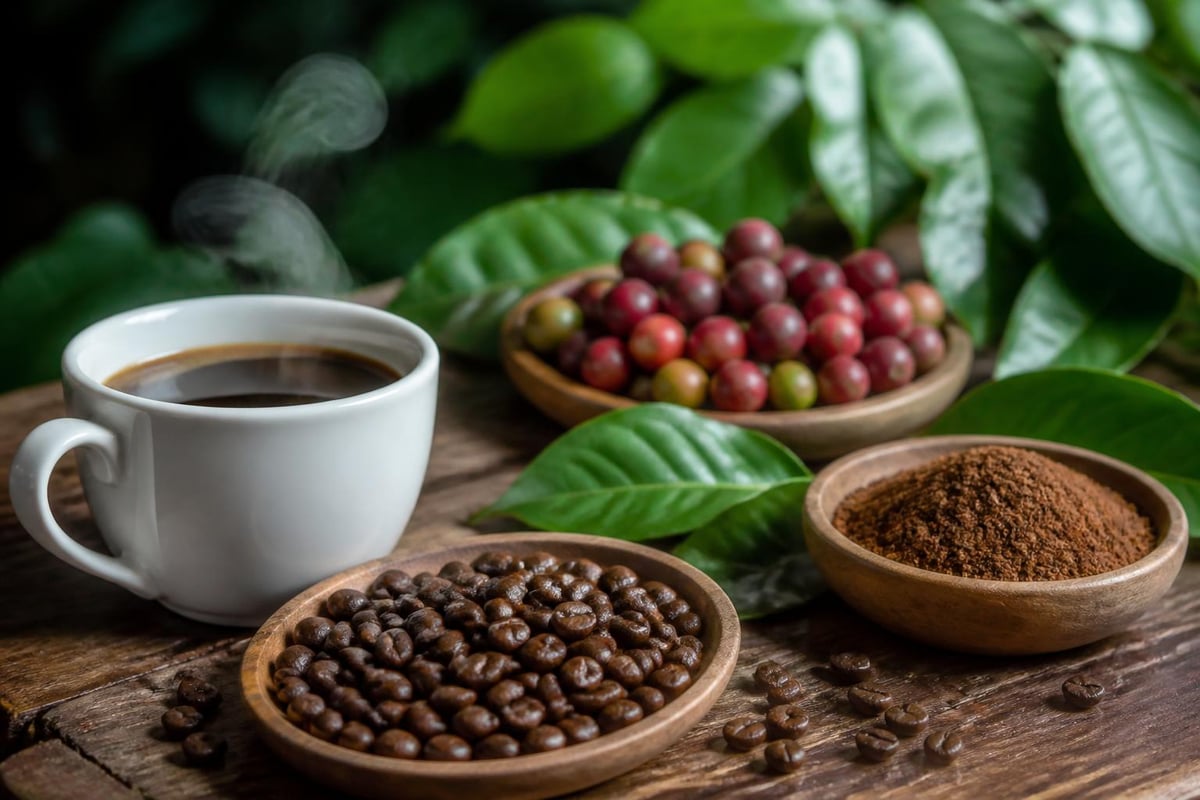
The antioxidant capacity of coffee ranks among the highest of all commonly consumed beverages. For many Americans, coffee represents the single largest source of antioxidants in their diet, surpassing even fruits and vegetables. This makes your daily coffee ritual particularly valuable when you choose high-quality beans like those found in specialty coffee collections.
How Coffee Affects Your Brain and Body
When you drink coffee every day, caffeine enters your bloodstream and reaches peak levels within 30 to 60 minutes. This compound blocks adenosine receptors in your brain, preventing the buildup of this sleep-promoting neurotransmitter. The result is increased alertness, improved focus, and enhanced cognitive performance.
Research from the Cleveland Clinic demonstrates that regular coffee consumption may support brain health in the long term, potentially reducing the risk of neurodegenerative conditions. The combination of caffeine and antioxidants creates a neuroprotective effect that becomes more pronounced with consistent consumption.
Optimizing Your Daily Coffee Routine
The quality and preparation method of your coffee every day significantly influences the health benefits you receive. Small-batch roasted beans preserve more of the beneficial compounds that deteriorate over time in mass-produced alternatives. When coffee is roasted fresh and consumed within weeks of roasting, you maximize both flavor and nutritional value.
| Roast Level | Antioxidant Content | Caffeine Level | Flavor Profile |
|---|---|---|---|
| Light | Highest | Higher | Bright, acidic, fruity |
| Medium | High | Moderate | Balanced, smooth, sweet |
| Dark | Moderate | Lower | Bold, bitter, chocolatey |
Choosing the right roast for your daily coffee:
According to research on coffee preparation methods, light and medium roasts generally preserve more chlorogenic acids and other beneficial compounds. However, darker roasts may offer advantages in terms of reduced acidity for those with sensitive stomachs. The ideal choice depends on your personal health goals and taste preferences.
Timing Your Coffee Consumption for Maximum Benefits
When you drink coffee every day matters just as much as what you drink. New research suggests that morning coffee consumption may provide superior heart health benefits compared to afternoon or evening intake. Your body's cortisol levels naturally peak between 8 AM and 9 AM, so consuming coffee slightly after this window allows you to benefit from caffeine without interfering with your natural hormonal rhythms.
Optimal daily coffee timing strategies:
- First cup between 9:30 AM and 11:30 AM for maximum alertness
- Second cup before 2 PM to avoid sleep disruption
- Avoid coffee within 6 hours of bedtime
- Consider your personal caffeine sensitivity
- Maintain consistent timing to support circadian rhythms
Caffeine remains in your system for an average of 5 to 6 hours, though this varies based on individual metabolism. Understanding your body's caffeine clearance rate helps you schedule your daily coffee consumption to maximize energy without compromising sleep quality.
Health Benefits of Drinking Coffee Every Day
The documented advantages of regular coffee consumption continue to expand as research progresses. Drinking coffee every day in moderate amounts (3 to 5 cups) has been associated with numerous positive health outcomes across multiple body systems.

Cardiovascular and Metabolic Support
Contrary to outdated concerns, moderate coffee consumption supports heart health rather than harming it. Regular coffee drinkers show reduced risk of heart failure, stroke, and coronary artery disease in large-scale population studies. The anti-inflammatory properties of coffee's polyphenols contribute to improved endothelial function and reduced arterial stiffness.
Metabolic benefits include:
- Enhanced fat burning and metabolic rate
- Improved insulin sensitivity
- Better glucose regulation
- Support for healthy weight management
- Increased physical performance capacity
For those exploring different coffee options, single origin beans offer unique flavor profiles while delivering consistent health benefits. Each origin brings distinct characteristics that can make your daily coffee ritual more enjoyable and sustainable over time.
Cognitive Function and Mental Health
Drinking coffee every day supports brain health through multiple mechanisms. The caffeine content improves attention, reaction time, and memory consolidation. Long-term consumption appears to reduce the risk of cognitive decline and may lower the incidence of depression and suicide.
Professional productivity often correlates with strategic coffee consumption. Knowledge workers report enhanced focus during complex tasks, improved creative thinking, and better problem-solving abilities when maintaining a consistent coffee routine. These cognitive benefits make daily coffee an invaluable tool for maintaining mental performance throughout your career.
Potential Concerns and How to Address Them
While drinking coffee every day offers numerous benefits, certain considerations deserve attention to ensure your habit remains health-promoting rather than problematic. Understanding these factors allows you to make informed decisions about your coffee consumption patterns.
| Concern | Solution | Additional Notes |
|---|---|---|
| Sleep disruption | Stop coffee by 2 PM | Individual variation exists |
| Anxiety or jitters | Reduce intake, try decaf | Start with smaller amounts |
| Digestive issues | Choose low-acid varieties | Medium roasts often better tolerated |
| Dependency | Maintain consistent schedule | Avoid excessive amounts |
| Bone health | Ensure adequate calcium | Moderate consumption is safe |
Several everyday habits can interfere with sleep, and late-day coffee consumption ranks among the most common culprits. Being mindful of timing helps you enjoy coffee every day without sacrificing restorative sleep.
Managing Caffeine Sensitivity
Individual responses to caffeine vary significantly based on genetics, medication use, and personal tolerance levels. Some people metabolize caffeine rapidly and can enjoy coffee later in the day without consequences. Others process it slowly and experience effects lasting well into the evening.
Signs you may need to adjust your coffee routine:
- Difficulty falling asleep despite stopping coffee early
- Increased anxiety or nervousness throughout the day
- Digestive discomfort or acid reflux
- Headaches when you miss your regular coffee
- Heart palpitations or rapid heartbeat
For those who love the ritual of drinking coffee every day but struggle with caffeine sensitivity, decaf coffee options provide an excellent alternative. Modern decaffeination processes preserve the beneficial compounds and rich flavors while removing most caffeine content.
Making Your Daily Coffee Healthier
The way you prepare and consume coffee every day dramatically impacts its health effects. Simple adjustments to your routine can enhance benefits while minimizing potential drawbacks. Premium beans roasted in small batches provide superior flavor and retain more beneficial compounds compared to commercial alternatives.
Brewing Methods That Maximize Benefits
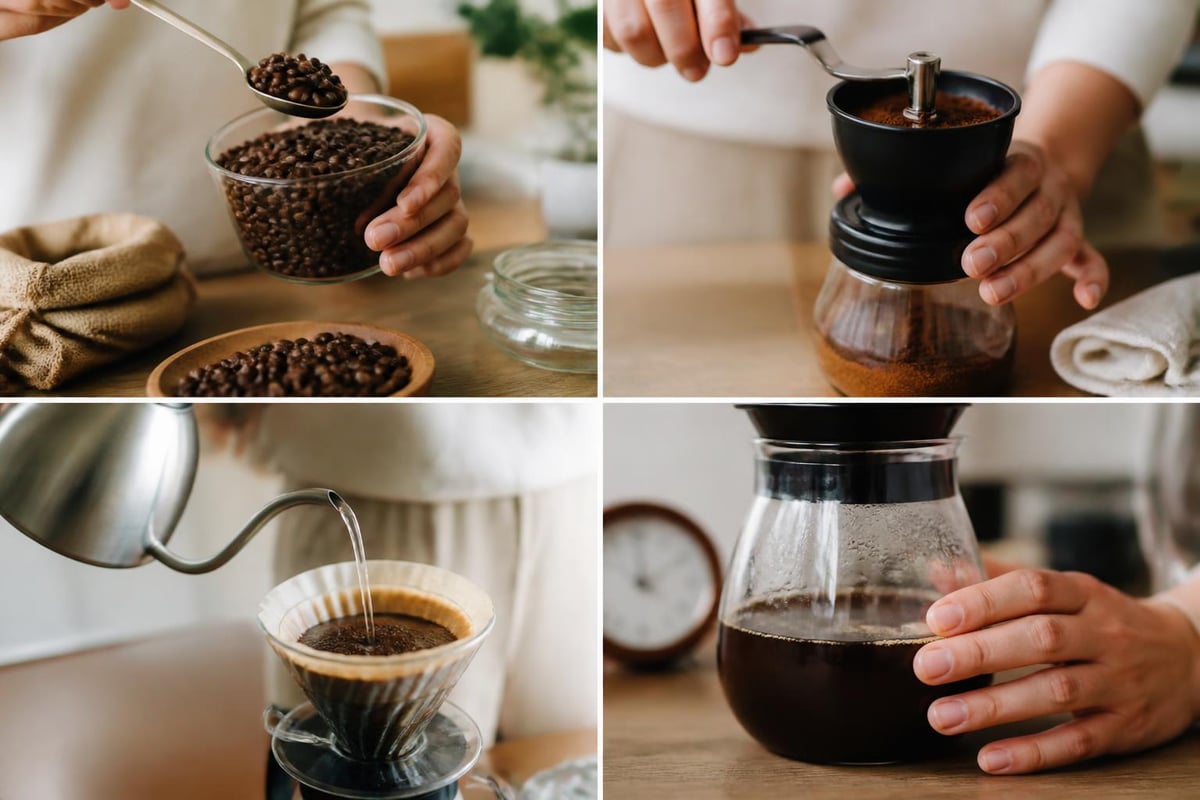
Different brewing techniques extract varying amounts of beneficial compounds and oils from coffee grounds. Filter coffee methods, such as pour-over and drip brewing, remove most diterpenes that can raise cholesterol levels in susceptible individuals. Unfiltered methods like French press retain these compounds along with additional antioxidants.
Comparison of popular brewing methods:
- Pour-over: Produces clean, bright coffee with excellent antioxidant extraction
- French press: Rich, full-bodied with maximum oil content
- Espresso: Concentrated flavor and caffeine in smaller servings
- Cold brew: Lower acidity, smooth taste, concentrated form
- Drip coffee maker: Convenient, consistent, filtered result
Temperature control matters significantly when brewing coffee every day. Water between 195°F and 205°F extracts optimal flavors and compounds without burning the grounds. Using freshly ground beans immediately before brewing preserves volatile aromatics and ensures maximum freshness in every cup.
What You Add to Your Coffee Matters
Black coffee contains virtually no calories and delivers pure health benefits. However, additions like sugar, cream, and flavored syrups can transform your healthy daily ritual into a calorie-dense indulgence. Being mindful of these additions helps maintain the health-promoting aspects of drinking coffee every day.
If you're starting your coffee journey or looking to expand your palate, consider exploring options with a welcome discount to make premium coffee more accessible. Quality beans can make black coffee so enjoyable that you need fewer additions to appreciate each cup.
Healthier alternatives to traditional coffee additions:
- Use cinnamon or vanilla extract for flavor without calories
- Choose unsweetened plant-based milks for creaminess
- Add a small amount of high-quality cream instead of processed creamers
- Experiment with cardamom or nutmeg for exotic flavors
- Try a pinch of sea salt to reduce bitterness naturally
Coffee Quality and Sourcing Considerations
Where your coffee comes from and how it's processed affects both its health properties and environmental impact. Drinking coffee every day means consuming over 1,000 cups annually, making sourcing decisions particularly meaningful. Understanding coffee regions helps you appreciate the diverse characteristics that different growing environments produce.
The Importance of Freshness
Coffee begins losing its peak flavor and beneficial compounds immediately after roasting. Drinking coffee every day from beans roasted weeks or months earlier provides a diminished experience compared to recently roasted alternatives. Specialty roasters who prioritize small-batch production ensure you receive coffee at its optimal state.
Signs your coffee is fresh:
- Strong, pleasant aroma when you open the bag
- Visible oils on darker roasted beans
- Carbon dioxide release when grinding (coffee "blooms" during brewing)
- Complex, nuanced flavors in the finished cup
- Smooth finish without stale or flat notes
Purchasing from specialty coffee sources ensures you receive beans roasted within days or weeks, not months. This commitment to freshness translates directly into superior taste and preserved health benefits in every cup you brew.
Single Origin Versus Blends
Both single origin coffees and carefully crafted blends offer unique advantages for those drinking coffee every day. Single origins showcase the distinctive characteristics of specific regions, farms, or processing methods. They provide transparency and allow you to explore the diverse world of coffee flavors systematically.
Blends combine beans from multiple origins to create balanced, consistent profiles. Master roasters develop blends that highlight complementary characteristics, creating complexity that exceeds individual components. Coffee blends often provide more forgiving brewing and consistent results for everyday consumption.
Building a Sustainable Daily Coffee Habit
Creating a coffee routine you can maintain long-term requires balancing enjoyment, health benefits, and practical considerations. Drinking coffee every day should enhance your life rather than becoming a source of stress or expense. Thoughtful planning helps you develop habits that serve you well for years to come.
Elements of a sustainable coffee routine:
- Invest in quality equipment that lasts (grinder, brewing device, storage)
- Buy beans in quantities you'll consume within 2-3 weeks
- Establish consistent preparation times and methods
- Monitor how coffee affects your sleep and adjust accordingly
- Allow flexibility for occasional variations and experiments
- Consider coffee samples to discover new favorites without waste
Storage and Preservation
Proper storage extends the life of your coffee and preserves its beneficial properties. Exposure to oxygen, light, heat, and moisture degrades coffee rapidly. An airtight, opaque container stored in a cool, dark location provides optimal conditions for maintaining freshness between brewing sessions.
Avoid refrigerating or freezing coffee unless you're storing it for extended periods. The moisture and temperature fluctuations in refrigerators can damage beans. If you must freeze coffee, use completely airtight packaging and thaw it only once to prevent condensation damage.
The Social and Cultural Aspects of Daily Coffee
Beyond its physical effects, drinking coffee every day connects you to a rich cultural tradition spanning centuries and continents. Coffee shops serve as third places between home and work, fostering community connections and creative collaborations. Your daily coffee ritual can become a mindfulness practice, a social connector, or a productivity tool depending on how you approach it.
The specialty coffee movement has transformed how many people think about their daily brew. Rather than viewing coffee as a mere caffeine delivery system, enthusiasts appreciate the craftsmanship involved in growing, processing, roasting, and brewing exceptional coffee. This mindful approach enhances enjoyment and creates deeper satisfaction with each cup.
Ways to deepen your coffee appreciation:
- Learn about different processing methods and their flavor impacts
- Experiment with various brewing techniques and parameters
- Taste coffees from different regions systematically
- Keep notes on flavors, brewing methods, and preferences
- Share your discoveries with fellow coffee enthusiasts
- Support roasters committed to quality and sustainability
Understanding where your coffee comes from and the work involved in producing it adds meaning to the simple act of drinking coffee every day. This awareness often leads to greater appreciation and more mindful consumption patterns.
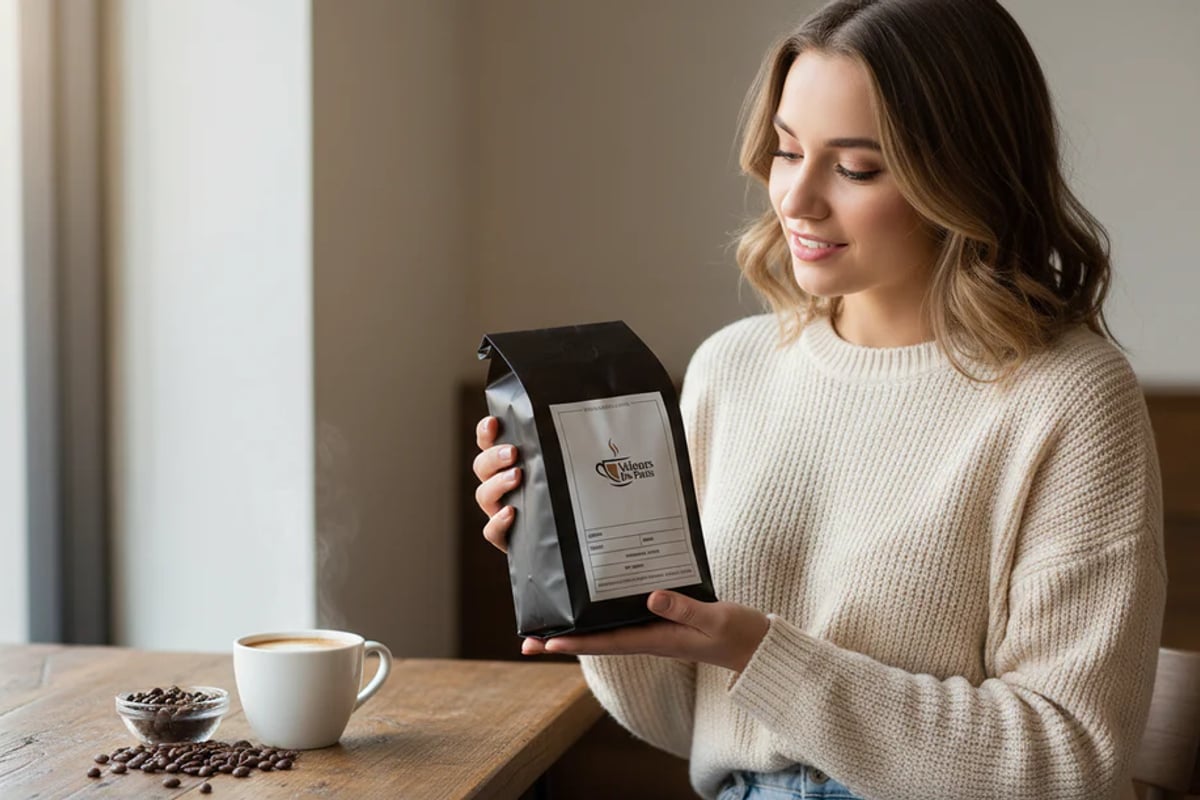
Drinking coffee every day offers remarkable health benefits when approached thoughtfully, from supporting cardiovascular health to enhancing cognitive function. By focusing on quality beans, optimal timing, and proper preparation methods, you transform a simple habit into a health-promoting ritual. Whether you prefer the bright complexity of single origins or the balanced consistency of expertly crafted blends, Velours de Paris Coffee provides premium, small-batch roasted beans that ensure exceptional flavor and freshness in every cup, helping you make the most of your daily coffee experience.