

Beans the Coffee Shop: Premium Specialty Coffee Guide
The specialty coffee industry has experienced remarkable transformation in recent years, with independent establishments redefining what customers expect from their daily coffee experience. When examining the concept of beans the coffee shop, we're exploring more than just a retail location-we're investigating a complete philosophy that prioritizes bean quality, roasting precision, and customer connection. This approach has become increasingly relevant as consumers demand transparency, exceptional flavor profiles, and meaningful relationships with the businesses they support. Understanding the elements that make a coffee shop successful around premium beans provides valuable insights for anyone passionate about specialty coffee.
The Foundation: Sourcing Premium Coffee Beans
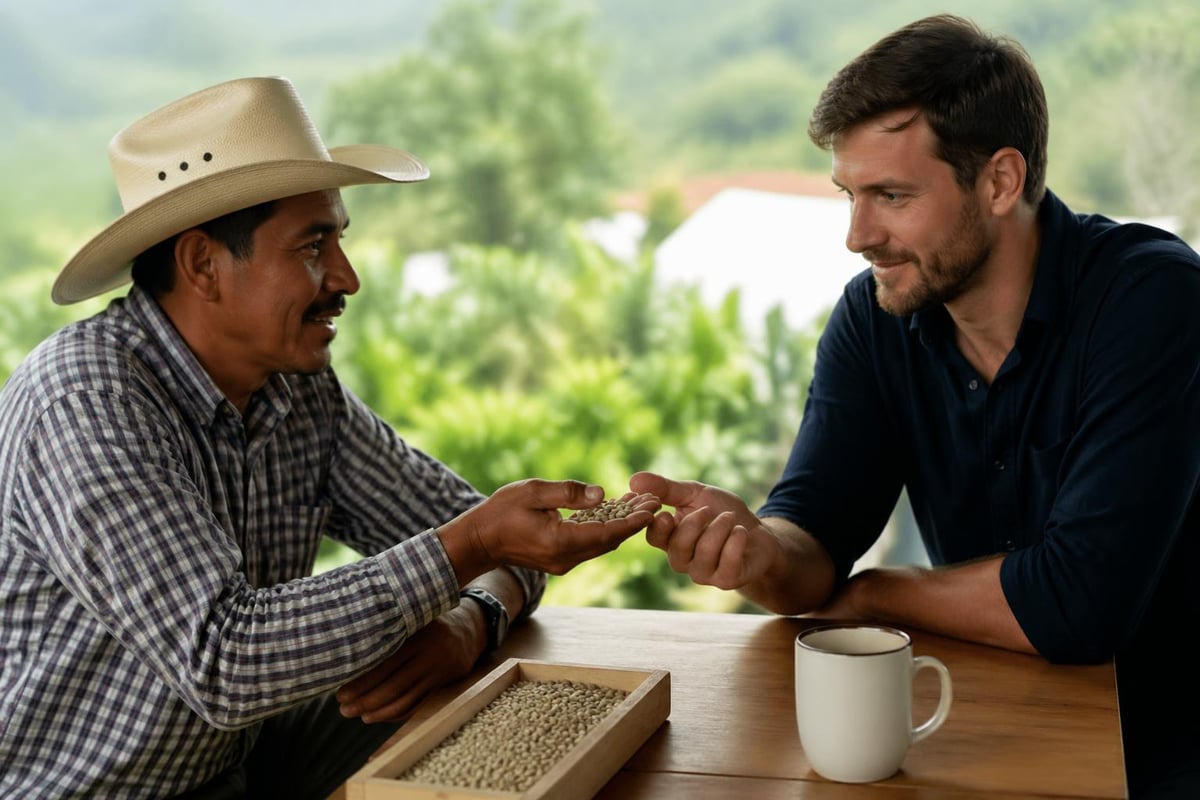
The cornerstone of any exceptional coffee shop lies in its bean selection and sourcing practices. Direct trade relationships with farmers ensure not only superior quality but also ethical practices that support coffee-growing communities worldwide. Beans the coffee shop model depends fundamentally on establishing these connections, as they provide access to the finest lots and most distinctive flavor profiles available.
Building Relationships with Origin Countries
Successful specialty coffee businesses invest significant resources in developing partnerships with producers across premier coffee regions. These relationships extend beyond simple transactions to include:
- Regular visits to farms and processing facilities
- Collaborative experiments with processing methods
- Long-term contracts that provide financial stability for growers
- Transparent pricing that exceeds fair trade minimums
- Technical support and knowledge sharing
When coffee shops commit to these partnerships, they gain exclusive access to exceptional lots that never reach commodity markets. This exclusivity becomes a competitive advantage that distinguishes beans the coffee shop from chains relying on mass-market suppliers.
Quality Assessment and Selection Criteria
Professional cupping protocols form the backbone of bean selection for specialty establishments. Experienced roasters and buyers evaluate green coffee samples across multiple criteria including aroma, flavor, aftertaste, acidity, body, balance, and overall quality. Only beans scoring above 80 points on the Specialty Coffee Association scale qualify as specialty grade.
The process involves:
- Initial sample evaluation through cupping sessions
- Roast profile testing to determine optimal development
- Batch consistency verification across multiple roasts
- Flavor profile documentation for customer education
- Seasonal rotation planning based on harvest schedules
| Assessment Criterion | Weight in Decision | Impact on Customer Experience |
|---|---|---|
| Flavor Clarity | 30% | Directly affects taste satisfaction |
| Origin Story | 20% | Creates emotional connection |
| Processing Innovation | 15% | Offers unique flavor experiences |
| Consistency Potential | 25% | Ensures reliable quality |
| Price-Value Ratio | 10% | Maintains business sustainability |
Roasting Excellence: The Art Behind Beans the Coffee Shop
Small-batch roasting represents the technological and artistic heart of specialty coffee operations. This approach allows for precise control over flavor development while maintaining the flexibility to adapt roast profiles to each origin's unique characteristics. The distinction between commodity roasting and specialty roasting becomes immediately apparent in the cup quality.
Roasting Philosophy and Techniques
Modern specialty roasters employ sophisticated equipment and data tracking to achieve consistency while exploring the full potential of each coffee. Temperature curves, airflow adjustments, and development time ratios all contribute to the final flavor profile. According to industry insights on coffee shop trends, consumers increasingly appreciate transparency about roasting methods and the expertise behind their coffee.
The roasting process typically follows these stages:
- Drying phase: Moisture removal and enzymatic activity
- Maillard reaction: Complex flavor compound development
- First crack: Structural changes and caramelization
- Development time: Fine-tuning flavor balance and body
- Cooling: Immediate temperature reduction to stop reactions
Beans the coffee shop model emphasizes education, helping customers understand how roast levels influence flavor. Light roasts preserve origin characteristics and bright acidity, while medium roasts balance origin notes with developed sweetness. Darker roasts create bold, robust profiles with pronounced body.
Freshness Standards and Rotation
Premium coffee shops maintain strict freshness protocols that dramatically impact flavor quality. Roasted coffee reaches peak flavor between 7 and 21 days after roasting, with gradual decline thereafter due to oxidation and CO2 loss. Implementing effective rotation systems ensures customers always receive coffee at its optimal state.
Best practices include:
- Roasting multiple times weekly rather than bulk roasting
- Clearly labeling roast dates on all retail bags
- Selling espresso beans within 14 days of roasting
- Rotating offerings based on seasonal availability
- Educating staff on proper storage and handling
Creating the Customer Experience
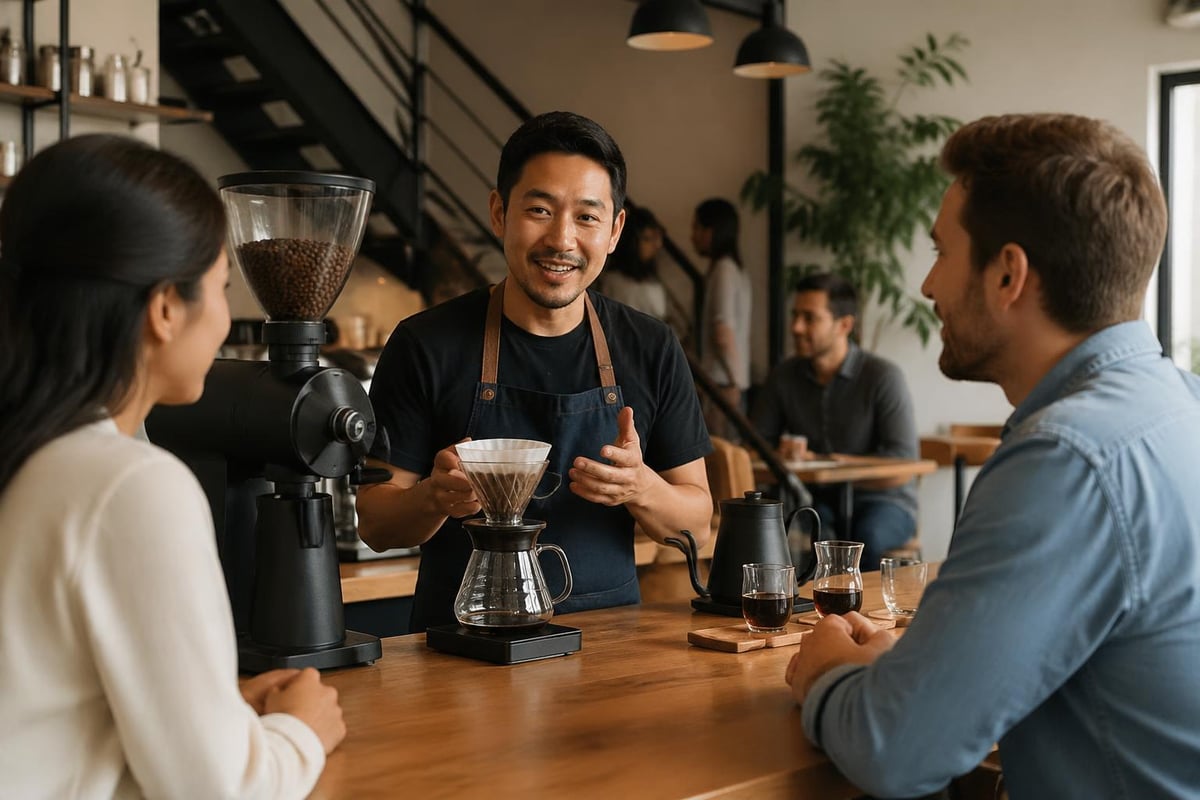
Physical space and service quality transform simple transactions into memorable experiences that build loyal communities. When customers enter beans the coffee shop, they should immediately sense the commitment to quality that extends from sourcing through brewing. This holistic approach differentiates specialty establishments from convenient but impersonal chain locations.
Staff Training and Knowledge Transfer
Barista expertise serves as the final link between exceptional beans and satisfied customers. Comprehensive training programs should cover coffee origins, flavor profiles, brewing parameters, and customer service excellence. According to best practices for coffee shop staffing, leadership and team dynamics significantly influence operational success.
Training components include:
| Training Module | Duration | Key Outcomes |
|---|---|---|
| Coffee Origins & Processing | 8 hours | Origin storytelling ability |
| Espresso Fundamentals | 12 hours | Consistent shot quality |
| Milk Texturing & Latte Art | 10 hours | Visual presentation skills |
| Brewing Methods | 8 hours | Multi-method proficiency |
| Customer Engagement | 6 hours | Personalized service delivery |
Menu Development and Beverage Innovation
Seasonal menus that highlight specific origins and flavor profiles keep offerings fresh and exciting. Beans the coffee shop can differentiate through creative beverage development that showcases bean quality rather than masking it with excessive sweeteners or flavors. Global influences are reshaping café menus, with matcha and international flavors gaining prominence alongside traditional coffee offerings.
Menu strategy should balance:
- Core espresso-based beverages prepared to perfection
- Seasonal single-origin pour-overs highlighting unique profiles
- Cold brew offerings that emphasize bean quality
- Minimal intervention beverages that let coffee shine
- Educational tasting flights for engaged customers
For coffee enthusiasts looking to explore premium options at home, exploring single origin selections provides an excellent starting point for understanding how terroir influences flavor.
Retail Operations and Product Offerings
Beyond beverages, successful coffee shops create additional revenue streams and customer touchpoints through retail bean sales. This approach allows customers to recreate café experiences at home while deepening their relationship with the brand. Beans the coffee shop philosophy extends naturally into helping customers brew exceptional coffee in their own kitchens.
Retail Packaging and Presentation
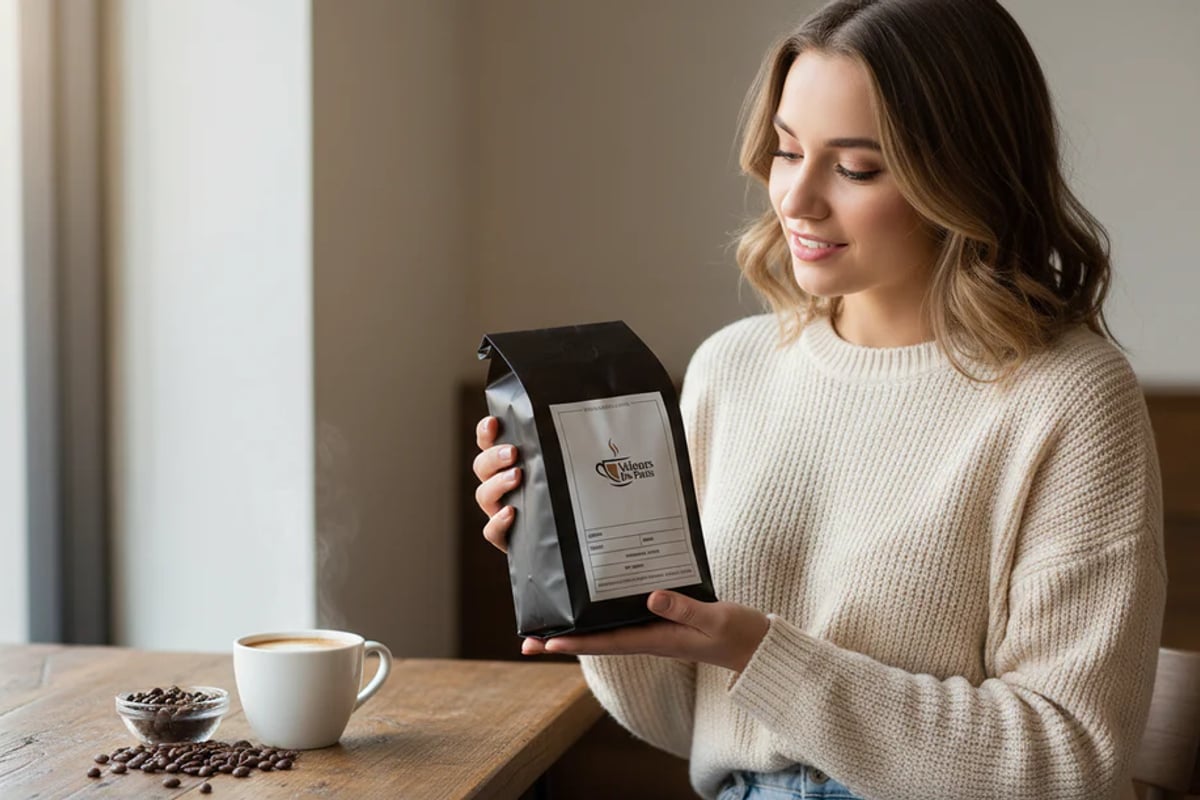
Premium packaging communicates quality and protects freshness through one-way degassing valves and light-blocking materials. Visual design should reflect the care invested in sourcing and roasting while providing essential information about origin, tasting notes, and brewing recommendations.
Effective packaging includes:
- Roast date prominently displayed
- Origin information and producer details
- Tasting notes and flavor profile descriptions
- Brewing parameter recommendations
- Transparent window showing bean appearance
Many specialty coffee enthusiasts appreciate the opportunity to save on their purchases while exploring new offerings. Using promotional codes like WELCOME10 at checkout helps make premium coffee more accessible to newcomers discovering the difference that quality beans make in their daily ritual.
Subscription Services and Customer Retention
Coffee subscriptions represent one of the most effective retention strategies for specialty establishments. These programs provide predictable revenue while ensuring customers consistently enjoy fresh coffee. Subscription models have become increasingly sophisticated, offering customization based on preferences, brewing methods, and delivery frequency.
Subscription benefits include:
- Guaranteed fresh coffee delivered on customer schedules
- Exclusive access to limited releases and experimental lots
- Discounted pricing for commitment and volume
- Flexibility to adjust preferences and pause shipments
- Educational content about featured coffees
Market Positioning and Competitive Advantage
The specialty coffee market continues expanding, with independent coffee shops experiencing consistent growth as consumers seek authentic experiences and superior quality. Positioning beans the coffee shop within this landscape requires clear differentiation and authentic storytelling that resonates with target customers.
Differentiation Strategies
Standing out in competitive markets demands more than just quality coffee-it requires a distinctive brand identity and customer value proposition. Successful specialty shops identify specific niches within the broader market, whether focusing on sustainability, experimental processing methods, particular origin regions, or educational programming.
Differentiation approaches include:
- Exclusive relationships with specific farms or cooperatives
- Specialty processing methods like anaerobic fermentation
- Hosting educational workshops and cupping sessions
- Partnerships with local businesses and community organizations
- Commitment to environmental and social responsibility
The coffee shop market is projected to continue growing through 2032, presenting opportunities for businesses that clearly communicate their unique value.
Building Community and Brand Loyalty
Beyond transactions, successful coffee shops create gathering spaces where communities form and conversations flourish. This social dimension transforms occasional customers into devoted advocates who actively promote the business through word-of-mouth recommendations and social media engagement.
Community-building tactics include:
- Regular events like latte art throwdowns or cupping sessions
- Collaborations with local artists, musicians, and creators
- Support for community causes and charitable initiatives
- Creating comfortable spaces that encourage extended visits
- Recognizing and rewarding regular customers
Exploring specialty coffee selections helps customers understand the quality standards that distinguish exceptional establishments from commodity-focused competitors.
Supply Chain Management and Inventory Control
Effective operations require sophisticated systems for managing inventory, tracking freshness, and optimizing ordering patterns. Beans the coffee shop must balance having sufficient variety to satisfy diverse preferences while maintaining turnover rates that ensure optimal freshness. This balance becomes increasingly complex as businesses scale.
Inventory Systems and Forecasting
Data-driven forecasting prevents both stockouts that disappoint customers and excess inventory that compromises freshness. Modern point-of-sale systems track sales patterns across different days, seasons, and customer segments, enabling precise ordering that aligns with demand.
Key metrics to monitor:
| Metric | Target Range | Management Action |
|---|---|---|
| Days of inventory on hand | 7-14 days | Adjust order frequency |
| Waste percentage | Below 2% | Refine forecasting models |
| Sell-through rate | Above 95% | Optimize variety offerings |
| Average inventory age | Under 10 days | Implement FIFO protocols |
| Seasonal variation | Track annually | Plan production schedules |
Managing Multiple Origins and Roast Profiles
Offering diverse selections requires careful planning to maintain adequate inventory across all options without overextending resources. Many specialty shops rotate offerings seasonally, aligning availability with harvest schedules and customer interest patterns. This approach creates anticipation while simplifying inventory management.
Rotation strategies include:
- Core offerings available year-round for consistency
- Seasonal highlights rotated quarterly based on harvests
- Limited releases for experimental or rare lots
- Regular customer communication about upcoming changes
- Pre-ordering systems for highly anticipated releases
Technology Integration and Modern Operations
Contemporary coffee shops leverage technology to enhance operations, improve customer experiences, and gather insights that drive strategic decisions. While maintaining the artisanal character essential to beans the coffee shop, modern tools streamline processes and create new engagement opportunities.
Point-of-Sale and Customer Relationship Management
Integrated systems connect sales transactions with inventory management, customer profiles, and marketing communications. Tracking purchase histories enables personalized recommendations and targeted promotions that increase average transaction values and visit frequency.
Technology capabilities include:
- Mobile ordering and payment options
- Loyalty program integration and rewards tracking
- Automated inventory depletion and reordering
- Customer preference profiles for personalization
- Marketing automation based on purchase behavior
Digital Marketing and Online Presence
Strong digital presence extends reach beyond physical locations, attracting new customers and maintaining engagement with existing ones. Social media platforms showcase daily offerings, educational content, and behind-the-scenes glimpses that humanize the brand and reinforce quality commitments.
Effective digital strategies incorporate:
- High-quality photography highlighting beverages and beans
- Educational content about origins, processing, and brewing
- User-generated content from satisfied customers
- Email newsletters featuring new offerings and events
- E-commerce integration for retail bean sales
Maintaining an informative blog with coffee insights helps establish authority and provides value to customers seeking to deepen their coffee knowledge.
Sustainability and Ethical Practices
Modern consumers increasingly prioritize businesses demonstrating genuine commitment to environmental and social responsibility. Beans the coffee shop model aligns naturally with sustainable practices, as quality focus and direct relationships inherently support better outcomes for producers and ecosystems.
Environmental Impact Reduction
Specialty coffee businesses can implement numerous initiatives that reduce environmental footprints while often improving operational efficiency. Waste reduction, energy efficiency, and sustainable sourcing represent core areas for meaningful impact.
Sustainability initiatives include:
- Composting coffee grounds and organic waste
- Transitioning to renewable energy sources
- Implementing water-saving equipment and practices
- Using sustainable packaging materials
- Reducing single-use items through reusable options
Social Responsibility and Fair Compensation
Premium pricing for specialty coffee should translate into better compensation throughout the supply chain. Transparent business practices that ensure farmers receive sustainable prices create positive impacts that extend far beyond individual transactions.
Ethical commitments encompass:
- Paying above-market prices for exceptional quality
- Supporting producer initiatives for processing improvements
- Investing in long-term relationships rather than spot buying
- Promoting gender equity and community development
- Sharing origin stories that honor producer contributions
Financial Planning and Growth Strategies
Sustainable business operations require careful financial management that balances quality investments with profitability. Beans the coffee shop must navigate higher input costs for premium beans while maintaining accessible pricing that builds customer base and volume.
Pricing Strategy and Value Communication
Specialty coffee commands premium pricing when customers understand the value proposition. Effective communication about sourcing, roasting, and preparation justifies higher prices while creating appreciation for the expertise and investment required to deliver exceptional experiences.
Pricing considerations include:
| Cost Factor | Percentage of Retail Price | Strategic Importance |
|---|---|---|
| Green coffee cost | 15-20% | Quality foundation |
| Roasting and labor | 20-25% | Skill and expertise |
| Overhead and rent | 25-30% | Location and ambiance |
| Marketing and operations | 10-15% | Growth and systems |
| Profit margin | 15-25% | Sustainability and reinvestment |
Expansion and Scaling Considerations
Growth opportunities range from additional locations to wholesale partnerships, each presenting distinct advantages and challenges. Careful evaluation of market conditions, operational capacity, and brand preservation ensures expansion enhances rather than dilutes the core value proposition that makes beans the coffee shop successful.
Expansion options include:
- Additional retail locations in complementary neighborhoods
- Wholesale relationships with restaurants and offices
- E-commerce development for national reach
- Franchising or licensing for accelerated growth
- Private label partnerships with aligned retailers
Developing coffee blends alongside single origins provides flexibility for wholesale accounts while maintaining quality standards across all applications.
Understanding what makes beans the coffee shop thrive requires appreciation for the intricate connections between sourcing, roasting, customer experience, and community building that define specialty coffee excellence. When businesses commit to quality at every stage while maintaining authentic relationships with producers and customers, they create sustainable models that elevate the entire industry. Velours de Paris Coffee exemplifies this philosophy through small-batch roasting and direct sourcing from the world's finest coffee regions, ensuring every cup delivers the exceptional flavor and freshness that discerning coffee lovers deserve.