

How to Build a Successful Beans Coffee Shop in 2026
Opening a beans coffee shop represents one of the most rewarding ventures in the specialty coffee industry today. As consumer demand for premium, ethically sourced coffee continues to surge, entrepreneurs who understand the nuances of bean selection, roasting techniques, and customer experience position themselves for long-term success. This comprehensive guide explores the essential elements of building a thriving beans coffee shop, from sourcing relationships to operational excellence, providing actionable insights for coffee entrepreneurs at every stage of their journey.
Understanding the Beans Coffee Shop Market Landscape
The specialty coffee market has experienced remarkable growth over the past decade, with coffee industry trends showing consistent consumer preference for quality over convenience. A successful beans coffee shop must differentiate itself through exceptional product quality, transparent sourcing practices, and a deep understanding of coffee science. Today's discerning customers seek more than just caffeine-they want stories, sustainability, and superior flavor profiles that reflect the terroir of origin regions.
Market research indicates that the global coffee market continues expanding, driven by urbanization and evolving beverage preferences. Coffee shop operators who prioritize bean quality and freshness capture a loyal customer base willing to pay premium prices. The emphasis on small-batch roasting, direct trade relationships, and seasonal offerings has transformed how consumers perceive value in their daily coffee ritual.
Key Market Drivers for Bean-Focused Coffee Shops
Several factors contribute to the success of beans coffee shop establishments in 2026:
- Transparency in sourcing: Customers demand detailed information about origin, processing methods, and farmer compensation
- Educational experiences: Workshops, cuppings, and brewing classes build community and deepen appreciation
- Seasonal rotations: Limited-edition offerings from different coffee regions create excitement and repeat visits
- Sustainability commitments: Environmental and social responsibility influence purchasing decisions
- Technology integration: Digital ordering, subscription models, and personalized recommendations enhance convenience
The distinction between commodity coffee and specialty beans has never been clearer. Establishments that educate customers about varietals, processing techniques, and brewing methods cultivate a sophisticated clientele that values expertise over speed alone.
Sourcing Premium Beans for Your Coffee Shop
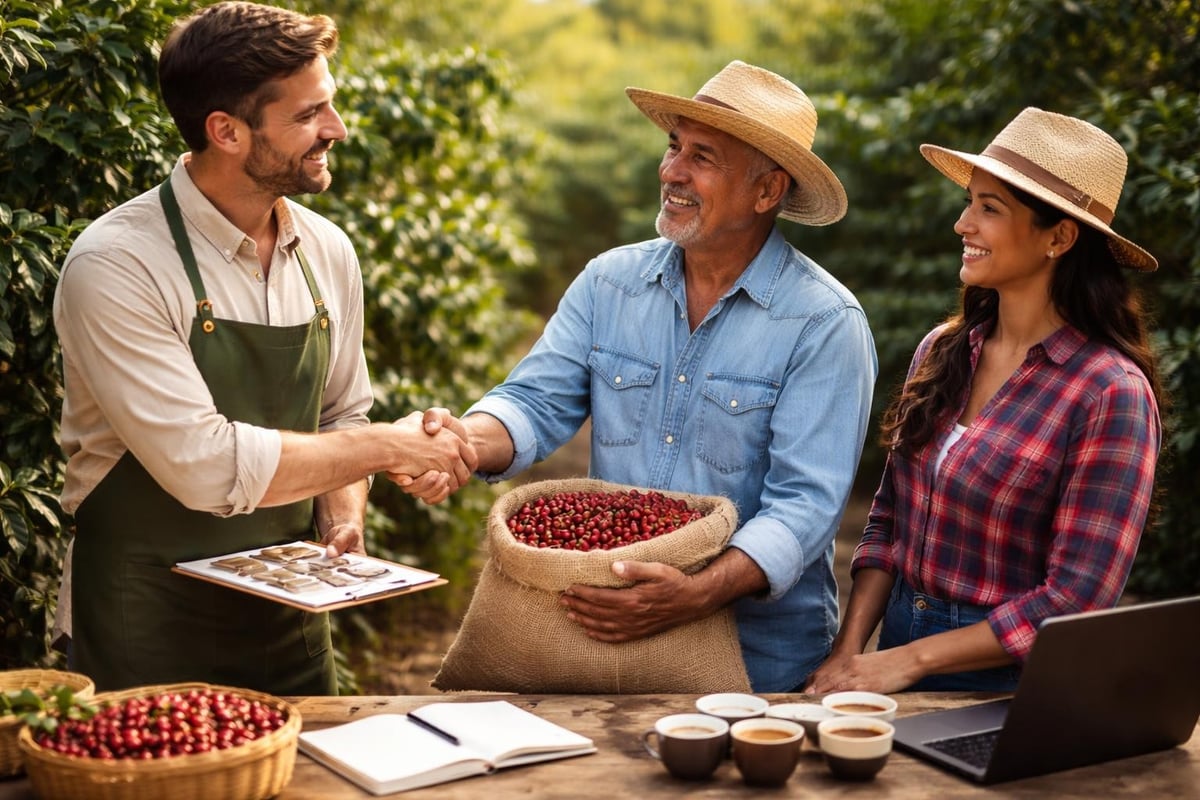
Bean sourcing represents the foundation of any successful beans coffee shop. Establishing direct relationships with farms and cooperatives ensures consistent quality, fair pricing, and supply chain transparency. Many operators visit origin countries annually to select specific lots, understand processing innovations, and strengthen partnerships with producers who share their quality standards.
Single-origin coffees offer customers distinct flavor experiences that showcase regional characteristics. Ethiopian beans might deliver floral, tea-like qualities, while Colombian varieties present balanced acidity and chocolate notes. A well-curated beans coffee shop menu includes diverse origins that educate palates and celebrate coffee's complexity.
Building Your Coffee Portfolio
Developing a comprehensive bean offering requires strategic planning across several categories:
| Coffee Category | Customer Appeal | Inventory Considerations |
|---|---|---|
| Single Origin | Terroir enthusiasts, seasonality seekers | Rotate quarterly, limited quantities |
| Signature Blends | Consistency preference, espresso base | Year-round availability, larger volume |
| Micro-lots | Rare coffee collectors, special occasions | Small batches, premium pricing |
| Decaf Options | Health-conscious customers, evening sales | Quality processing methods essential |
| Seasonal Specials | Novelty seekers, gift buyers | Strategic timing, marketing focus |
Working with reputable importers who specialize in specialty coffee provides access to exceptional lots while maintaining manageable inventory levels. Many beans coffee shop owners participate in pre-harvest financing programs, securing exclusive access to prized lots before they reach the broader market.
Quality control begins at sourcing. Requesting pre-shipment samples, conducting rigorous cuppings, and maintaining detailed notes on flavor profiles ensures every bean meets exacting standards. This diligence differentiates exceptional coffee shops from mediocre competitors.
Roasting Operations and Equipment Decisions
Whether roasting in-house or partnering with specialized roasters, a beans coffee shop must deliver consistently fresh coffee. Small-batch roasting allows precise profile development that honors each bean's potential while maintaining quality control. The decision between in-house roasting and outsourcing depends on capital availability, technical expertise, and business model priorities.
In-house roasting offers complete control over roast profiles, immediate freshness, and compelling theater for customers who appreciate watching the process. However, it requires significant capital investment, specialized training, and dedicated space with proper ventilation. Many successful beans coffee shop operators start with partner roasters, transitioning to in-house operations as volume and expertise grow.
Essential Equipment for Bean-Focused Operations
Beyond roasting equipment, beans coffee shop success depends on complementary tools that preserve quality and showcase craftsmanship:
- Grinding equipment: Commercial-grade burr grinders with precise adjustment capabilities
- Brewing systems: Pour-over stations, batch brewers, and espresso machines appropriate for volume
- Storage solutions: Airtight containers, climate-controlled environments, and inventory management systems
- Quality control tools: Refractometers, moisture meters, and professional cupping supplies
- Packaging equipment: Degassing valve bags, scales, and labeling systems for retail sales
Equipment investments should align with your volume projections and service model. A beans coffee shop emphasizing retail bag sales requires different infrastructure than one focused primarily on prepared beverages. Many operators find success through hybrid models that maximize revenue streams while maintaining quality standards.
Creating an Exceptional Customer Experience
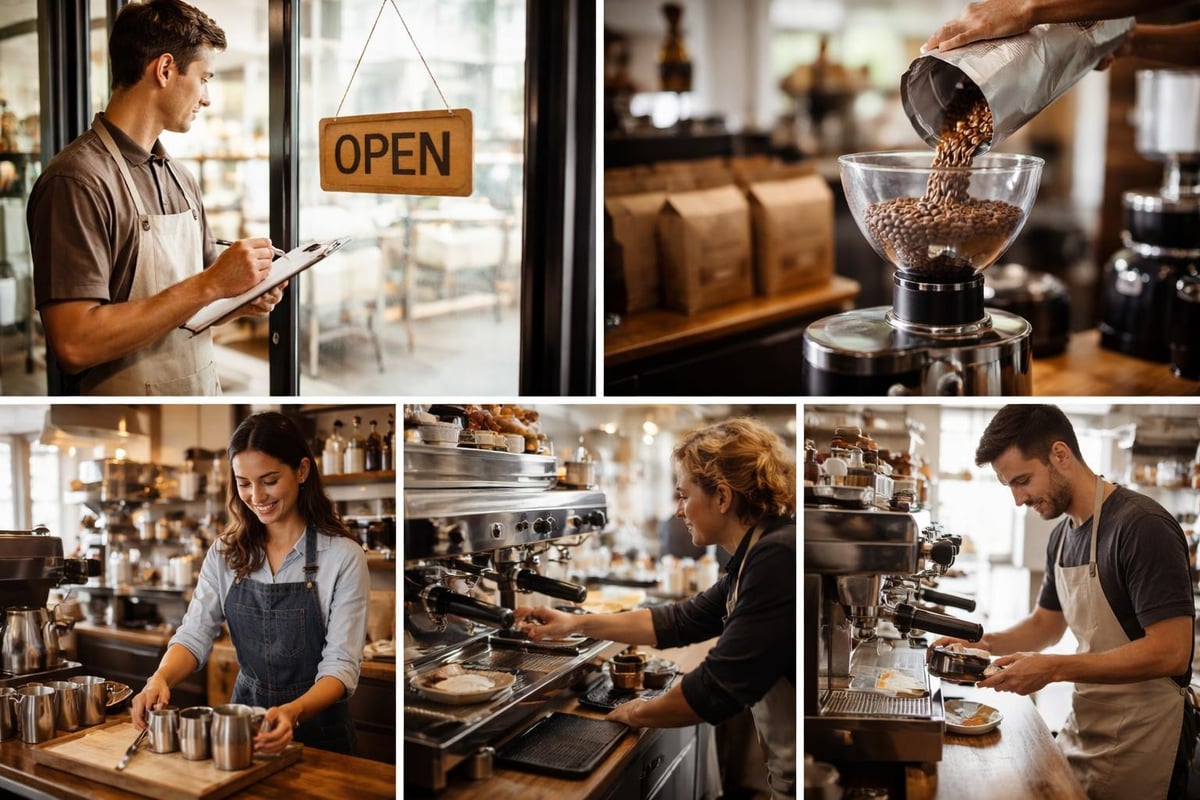
The beans coffee shop environment should reflect your commitment to quality through thoughtful design, knowledgeable staff, and memorable touchpoints. Coffee shop industry trends emphasize experience over transaction, with successful operators creating destinations rather than mere caffeine dispensaries.
Interior design communicates brand values before a single word is spoken. Exposed brick, warm wood tones, and strategic lighting create inviting atmospheres that encourage lingering. Display roasting equipment prominently, showcase origin maps, and incorporate educational elements that spark curiosity about coffee's journey from seed to cup.
Staff expertise separates exceptional beans coffee shop experiences from forgettable ones. Invest in comprehensive training that covers origin characteristics, brewing science, sensory analysis, and customer engagement. Baristas who confidently discuss processing methods, recommend beans based on flavor preferences, and demonstrate genuine enthusiasm become brand ambassadors who drive loyalty.
Menu Development and Pricing Strategy
Your beverage menu should showcase bean quality while accommodating diverse preferences:
- Classic preparations: Espresso, pour-over, French press highlighting bean characteristics
- Seasonal features: Limited-time offerings using special micro-lots or innovative techniques
- Educational flights: Side-by-side tastings comparing origins, processing methods, or roast levels
- Alternative brewing: Cold brew, nitro coffee, and experimental methods attracting curiosity
- Non-coffee options: Quality tea, house-made alternatives respecting non-coffee drinkers
Pricing should reflect quality without alienating customers. Transparent communication about sourcing costs, roasting investments, and farmer compensation justifies premium pricing while educating customers about specialty coffee economics. Many beans coffee shop operators find success with tiered pricing based on coffee rarity and preparation complexity.
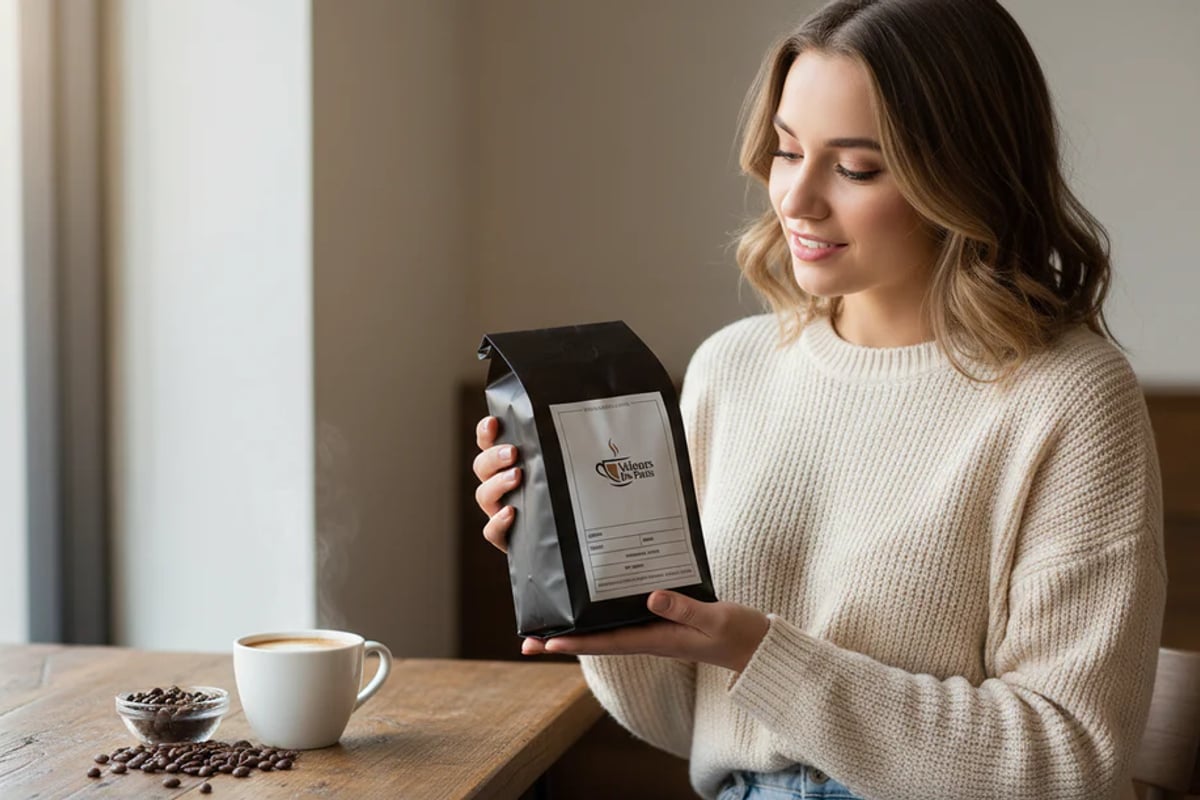
For customers who want to recreate exceptional experiences at home, offering exclusive access to premium beans makes perfect sense. At Velours de Paris Coffee, new customers can explore our curated collection with an introductory discount-save 10% with code WELCOME10 on your first order of expertly roasted beans from the world's finest regions.
Operational Excellence and Staff Management
Running a successful beans coffee shop requires systems that maintain consistency during peak hours while preserving quality standards. Staffing best practices emphasize leadership development, hands-on management, and continuous training investments that prevent complacency and turnover.
Develop comprehensive standard operating procedures covering opening routines, brewing protocols, equipment maintenance, customer service expectations, and closing procedures. Document these processes thoroughly, enabling consistent execution regardless of which team members are scheduled. Regular tastings and calibration sessions ensure everyone maintains the same quality benchmarks.
Building a Coffee-Passionate Team
Hiring for attitude and training for skill often yields better results than seeking extensive experience. Look for candidates who demonstrate:
- Genuine curiosity about coffee and willingness to learn
- Strong communication skills and customer service orientation
- Attention to detail and commitment to consistency
- Collaborative mindset and positive energy
- Reliability and professional work ethic
Creating clear career progression paths reduces turnover while developing expertise internally. A junior barista might advance to lead barista, then shift supervisor, potentially growing into roles managing wholesale accounts, training programs, or quality control initiatives.
Compensation matters significantly in retaining talented staff. Competitive wages, tip pooling structures, health benefits, and professional development opportunities demonstrate your investment in team members. The best beans coffee shop environments foster pride in craftsmanship where staff members feel ownership in the business's reputation.
Marketing and Community Engagement Strategies
Building awareness for your beans coffee shop requires multi-channel marketing that emphasizes quality, education, and community connection. Social media platforms offer powerful tools for showcasing daily offerings, sharing origin stories, and engaging coffee enthusiasts through behind-the-scenes content.
Content marketing through blogs, videos, and email newsletters positions your beans coffee shop as an educational resource rather than just a retail outlet. Topics might include brewing tutorials, origin spotlights, seasonal harvest updates, or interviews with partner farmers. This approach builds trust and demonstrates expertise that differentiates your business from chains.
Community-Building Initiatives
Successful beans coffee shop operators integrate themselves into local communities through strategic partnerships and events:
- Cupping sessions: Weekly public tastings that educate customers and build appreciation
- Barista workshops: Hands-on classes teaching home brewing techniques
- Origin dinners: Collaborative events with local restaurants pairing coffee with cuisine
- Farmer visits: Hosting producers creates authentic connections and compelling stories
- Local artist features: Gallery-style rotations supporting creative communities
Loyalty programs should reward engagement beyond transactions. Points for attending events, referring friends, or trying new origins create communities rather than just repeat customers. Many beans coffee shop operators successfully implement subscription models offering exclusive access to limited releases, preferred pricing, and special events.
Partnership opportunities with coffee blends specialists and roasters can expand your reach while maintaining focus on your core business. Wholesale accounts with local restaurants, offices, and specialty retailers multiply revenue streams without requiring additional retail infrastructure.
Navigating Industry Trends and Future Planning
The specialty coffee landscape continues evolving rapidly, with emerging trends for 2026 including global flavor integration, Gen Z customization preferences, and technology-enhanced experiences. A forward-thinking beans coffee shop anticipates shifts while maintaining core quality commitments that transcend temporary fads.
Sustainability has progressed from differentiator to baseline expectation. Customers increasingly demand comprehensive environmental commitments covering packaging materials, waste reduction, energy consumption, and carbon footprint transparency. Beans coffee shop operators who implement composting programs, eliminate single-use plastics, and invest in renewable energy align with customer values while reducing long-term costs.
Technology Integration and Innovation
Digital tools enhance operations without replacing human craftsmanship. Consider implementing:
| Technology | Business Impact | Implementation Priority |
|---|---|---|
| POS systems with inventory tracking | Reduces waste, optimizes ordering | High |
| Mobile ordering and payment | Speeds service, reduces friction | Medium |
| Customer relationship management | Personalizes marketing, tracks preferences | Medium |
| Subscription management platforms | Creates recurring revenue, builds loyalty | High |
| Equipment monitoring systems | Prevents breakdowns, maintains consistency | Low |
The most successful beans coffee shop operators view technology as enabling better customer relationships rather than replacing personal connection. Automation should free staff to engage meaningfully with customers, not eliminate human interaction entirely.
Looking forward, the specialty coffee market shows no signs of slowing. Market analysis indicates continued growth driven by premium product demand, wellness trends, and experiential retail preferences. Beans coffee shop businesses positioned at the quality-focused end of the spectrum benefit most from these macro trends.
Financial Planning and Revenue Optimization
Launching a beans coffee shop requires realistic financial modeling that accounts for substantial upfront investments and typically slow initial revenue growth. Equipment purchases, build-out costs, initial inventory, and working capital often total $200,000-$500,000 depending on location, size, and concept. Understanding the coffee shop market forecast helps inform projections and investment decisions.
Revenue diversification strengthens financial stability beyond daily beverage sales. Successful beans coffee shop operators typically generate income through multiple channels:
- Retail bag sales: Whole bean and ground coffee for home brewing
- Wholesale accounts: Restaurants, offices, and specialty retailers
- Subscription services: Recurring revenue from monthly delivery programs
- Merchandise: Brewing equipment, mugs, and branded goods
- Education programs: Ticketed classes, private events, and corporate training
Pricing strategy should balance profitability with market positioning. Calculate precise cost-per-cup including beans, milk, labor, overhead, and waste. Many beans coffee shop owners discover their actual costs exceed initial estimates, particularly for labor-intensive preparations like pour-over service. Regular financial reviews identify opportunities for efficiency improvements without compromising quality.
Managing Costs and Maximizing Margins
Cost control begins with smart purchasing. Negotiating directly with single origin coffee suppliers, buying seasonal produce in bulk, and minimizing waste through precise inventory management protect margins. However, never compromise bean quality to save pennies-your reputation depends on consistent excellence.
Labor represents the largest variable expense for most beans coffee shop operations. Strategic scheduling based on traffic patterns, cross-training staff for flexibility, and investing in efficiency-improving equipment reduce labor costs per transaction. Point-of-sale data revealing peak periods and popular items enables smarter staffing decisions.
Regularly reviewing your complete coffee collection ensures you're offering items that resonate with your customer base while maintaining profitability across your range.
Building Supplier Relationships and Supply Chain Resilience
The specialty coffee supply chain faces ongoing challenges from climate change, political instability, and economic pressures affecting origin countries. A resilient beans coffee shop cultivates diverse supplier relationships spanning multiple regions and processing styles, protecting against disruptions while ensuring year-round quality.
Direct trade relationships, while requiring more effort than working through brokers, offer superior quality control, transparency, and pricing stability. Many operators establish multi-year agreements with specific farms, providing producers with financial security while securing consistent access to exceptional beans. These partnerships often yield exclusive lots unavailable through conventional channels.
Communication frequency matters significantly in maintaining strong supplier relationships. Regular check-ins beyond purchase transactions, sharing customer feedback with producers, and visiting farms when possible deepen connections that weather inevitable challenges. The best partnerships feel collaborative rather than purely transactional.
Understanding coffee's seasonal nature prevents disappointment and supply gaps. Ethiopian harvests peak at different times than Central American crops, enabling strategic purchasing that maintains freshness year-round. Working with knowledgeable importers who understand these cycles and can suggest alternatives when preferred lots sell out demonstrates professionalism that suppliers appreciate.
Building a successful beans coffee shop in 2026 demands unwavering commitment to quality, operational excellence, and customer education that goes far beyond serving beverages. From establishing transparent sourcing relationships to creating memorable experiences that build community, every decision should reinforce your positioning as a destination for exceptional coffee. Whether you're planning your first beans coffee shop or refining an existing operation, partnering with expert suppliers who share your quality standards makes all the difference. Velours de Paris Coffee delivers precisely this partnership through premium beans sourced from the world's finest regions, roasted in small batches to ensure the exceptional flavor and freshness that discerning customers expect. Explore our curated collection and discover how the right beans transform good coffee shops into unforgettable destinations.