

Arabica Specialty Coffee: The Gold Standard in 2026
The coffee industry has witnessed remarkable evolution over the past decades, with arabica specialty coffee emerging as the benchmark for quality and craftsmanship. This premium segment represents more than just a beverage choice; it embodies a commitment to excellence that begins at origin and extends through every stage of production. Understanding what distinguishes specialty-grade arabica from commercial coffee reveals why discerning consumers and roasters alike prioritize these exceptional beans for their superior flavor profiles and sustainable practices.
Understanding Arabica Specialty Coffee Standards
The Specialty Coffee Association has established rigorous criteria that define what qualifies as arabica specialty coffee. These standards require beans to score 80 points or higher on a 100-point scale during professional cupping evaluations. The grading process involves detailed sensory analysis that assesses factors including aroma, flavor, aftertaste, acidity, body, balance, and overall quality.
The Scoring System Explained
Professional Q Graders conduct blind tastings using standardized protocols to ensure objective assessment. Each attribute receives a score based on intensity and quality, with defects significantly reducing the final grade. Specialty-grade beans must exhibit zero primary defects and no more than five secondary defects per 350-gram sample.
| Quality Grade | Score Range | Defect Tolerance | Market Classification |
|---|---|---|---|
| Specialty | 80-100 | 0 primary, ≤5 secondary | Premium segment |
| Premium | 75-79.99 | Limited defects | High-quality commercial |
| Exchange | 60-74.99 | Moderate defects | Standard commercial |
| Below Standard | <60 | Significant defects | Low-grade commercial |
The distinction between specialty and commercial arabica extends beyond numerical scores. Specialty beans demonstrate clean cup characteristics, sweetness complexity, and distinctive flavor attributes that reflect their terroir. These coffees tell stories of specific microclimates, soil compositions, and meticulous processing methods.
Geographic Origins and Flavor Diversity
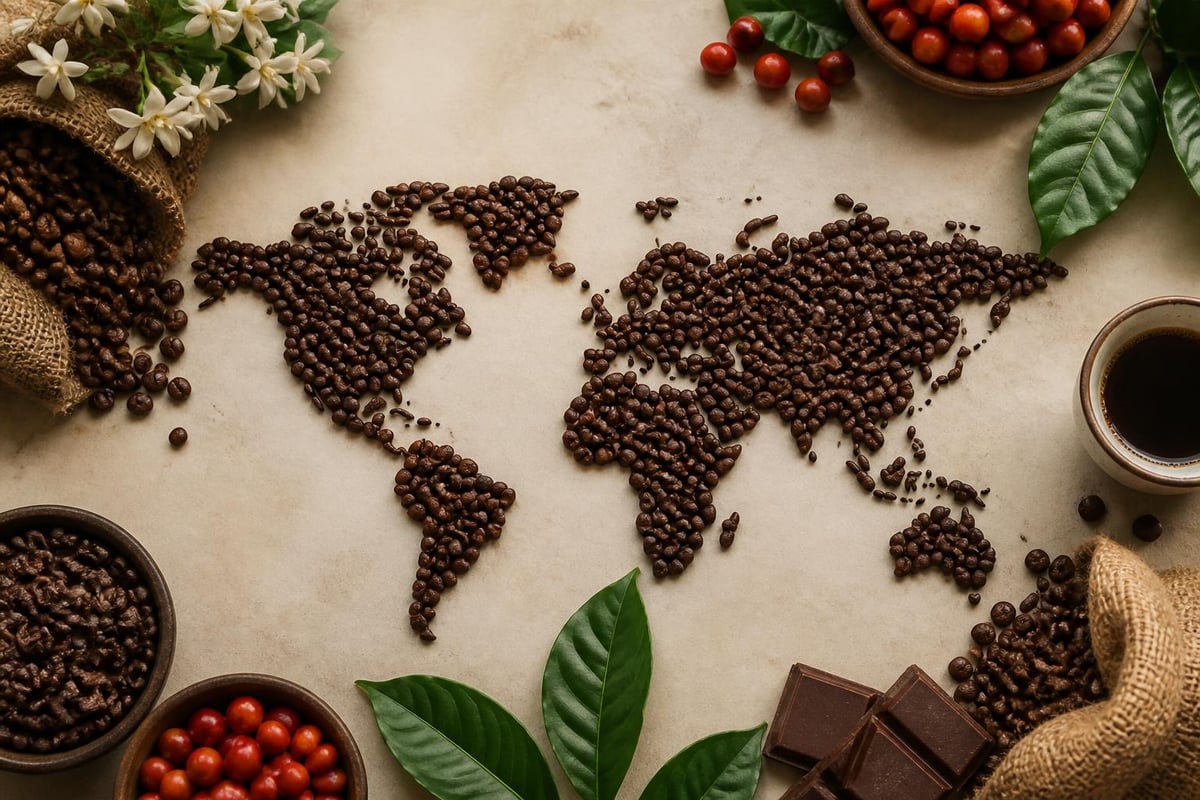
Arabica specialty coffee thrives in specific geographical regions known as the "Bean Belt," located between the Tropics of Cancer and Capricorn. Each origin imparts unique characteristics that coffee enthusiasts recognize and appreciate. Exploring coffee regions reveals how elevation, climate, and processing traditions shape flavor development.
Ethiopian Origins
Ethiopian coffees represent the birthplace of arabica and offer extraordinary flavor diversity. Regions like Yirgacheffe, Sidamo, and Harrar produce beans with distinctive floral, bergamot, and blueberry notes. Natural processing methods common in Ethiopia create fruit-forward profiles with wine-like complexity.
Latin American Excellence
Colombian, Costa Rican, and Guatemalan arabica specialty coffee typically features balanced acidity, caramel sweetness, and chocolate notes. These origins benefit from volcanic soil rich in minerals and high-altitude growing conditions that slow cherry maturation, concentrating flavor compounds. Many single origin coffees from these regions showcase classic arabica characteristics.
Key Latin American Flavor Profiles:
- Colombian: Balanced acidity, caramel, nuttiness
- Costa Rican: Bright citrus, honey sweetness
- Guatemalan: Chocolate, spice, full body
- Peruvian: Mild acidity, cocoa, stone fruit
African Complexity
Kenyan and Rwandan coffees deliver intense brightness and complex fruit flavors. The double fermentation washing process common in Kenya creates coffees with remarkable clarity and wine-like acidity. These beans often exhibit blackcurrant, tomato, and grapefruit characteristics that experienced palates cherish.
Processing Methods and Quality Impact
The transformation from coffee cherry to green bean profoundly influences final cup quality. Arabica specialty coffee producers employ various processing methods, each creating distinct flavor profiles while maintaining the high standards required for specialty classification.
Washed Processing
The washed method removes all fruit material before drying, producing clean, bright coffees that clearly express origin characteristics. This labor-intensive process requires abundant water resources but delivers consistent quality and clarity of flavor. Most award-winning arabica specialty coffee undergoes washed processing.
Natural Processing
Natural or dry processing involves drying whole cherries in the sun, allowing sugars to ferment and penetrate the bean. This ancient method creates fruity, complex coffees with heavier body and lower acidity. Modern natural processing combines traditional techniques with quality control measures to prevent defects.
Honey and Pulped Natural
These hybrid methods remove varying amounts of fruit mucilage before drying, creating flavor profiles between washed and natural coffees. The remaining mucilage content determines classification: white honey (minimal mucilage), yellow, red, or black honey (maximum mucilage retention).
| Processing Method | Drying Time | Flavor Profile | Body | Acidity |
|---|---|---|---|---|
| Washed | 8-12 days | Clean, bright | Light-Medium | High |
| Natural | 3-4 weeks | Fruity, complex | Full | Low-Medium |
| Honey | 10-18 days | Sweet, balanced | Medium-Full | Medium |
| Wet-hulled | 1-2 days | Earthy, herbal | Heavy | Low |
Roasting Arabica Specialty Coffee
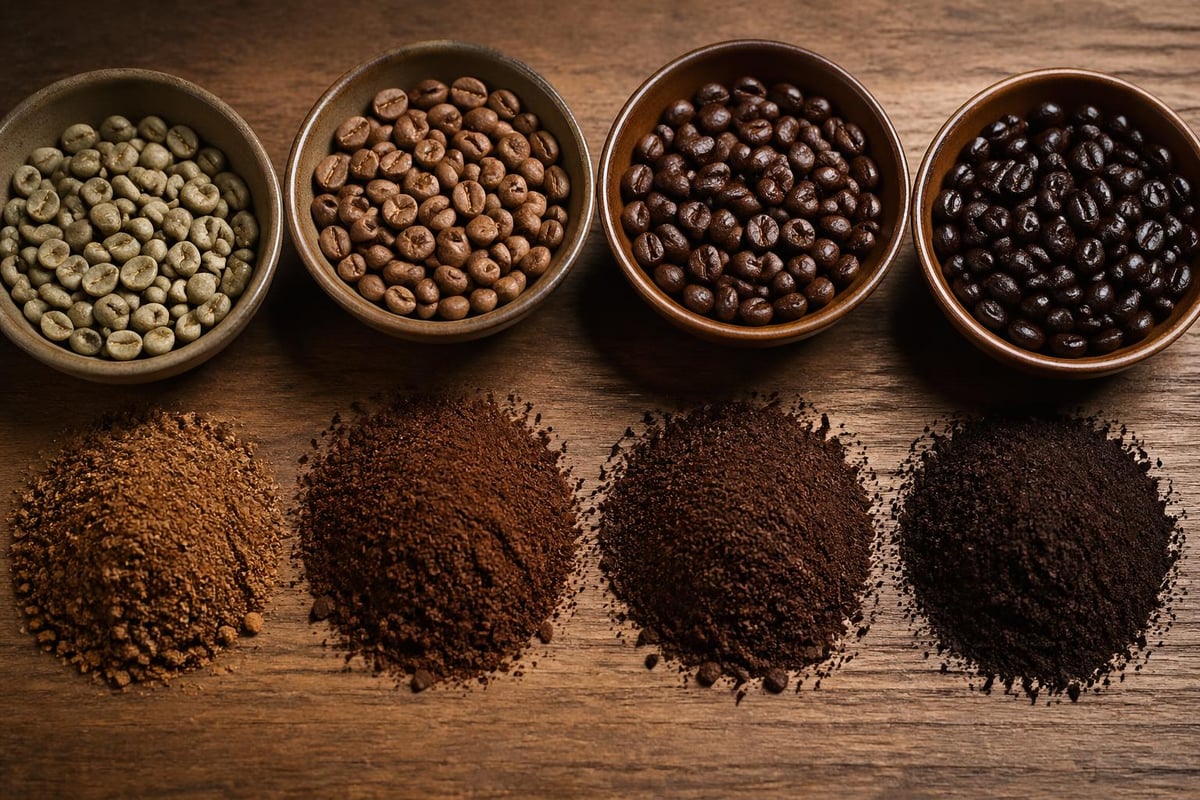
Roasting transforms green arabica specialty coffee beans into the aromatic products consumers recognize. Small-batch roasting allows precise control over temperature curves and development time, maximizing the inherent qualities of specialty-grade beans. The approach differs significantly from commercial roasting, which prioritizes uniformity and efficiency over nuanced flavor development.
Light Roast Profiles
Light roasts preserve origin characteristics and highlight the acidity, floral notes, and delicate flavors that distinguish arabica specialty coffee. These roasts require careful monitoring to achieve proper development without under-roasting, which creates grassy or sour flavors. Professional roasters target first crack completion with minimal development time beyond.
Medium Roast Balance
Medium roasts balance origin expression with roast-developed flavors, creating accessible profiles that appeal to broader audiences. Caramelization begins intensifying sweetness while acidity moderates. This roast level works exceptionally well for coffee blends that combine beans from multiple origins.
Optimal Roast Development Indicators:
- Internal bean temperature: 410-430°F
- Color measured via Agtron: 55-65
- Development time ratio: 15-25% of total roast
- First crack completion with controlled progression
Dark Roast Considerations
While less common for showcasing specialty-grade arabica, dark roasts can still maintain quality when executed properly. The key involves selecting beans with sufficient sweetness and body to withstand extended development without becoming overly bitter or carbonized.
Sustainability and Ethical Sourcing
The arabica specialty coffee industry increasingly emphasizes sustainable practices and direct trade relationships. These commitments ensure long-term viability for producing communities while maintaining the quality standards consumers expect. According to comprehensive specialty coffee guides, environmental stewardship and social responsibility have become integral to specialty designation.
Direct Trade Relationships
Many specialty roasters establish direct relationships with farms and cooperatives, bypassing traditional commodity markets. This model provides farmers with premium prices while giving roasters quality assurance and traceability. Direct trade often includes technical support, infrastructure investment, and multi-year purchase commitments.
Environmental Practices
Shade-grown arabica specialty coffee preserves forest ecosystems and supports biodiversity. Many farms implement organic certification, water conservation systems, and renewable energy solutions. These practices respond to consumer demand while addressing climate change impacts threatening arabica cultivation zones.
Climate Challenges
Rising temperatures and changing precipitation patterns threaten traditional arabica growing regions. Research indicates that suitable cultivation areas may decrease by 50% by 2050 without adaptation measures. The future of arabica coffee depends on developing heat-resistant varieties and transitioning farms to higher elevations.
Brewing Methods for Maximum Quality
Extracting the full potential from arabica specialty coffee requires appropriate brewing techniques. Different methods emphasize various flavor characteristics, allowing consumers to experience the complexity that justified the beans' specialty classification.
Pour-Over Precision
Manual brewing methods like V60, Chemex, and Kalita Wave provide exceptional control over extraction variables. These techniques work particularly well with light-roasted arabica specialty coffee, producing clean cups that highlight delicate flavor notes and complex acidity. Water temperature, grind size, and pouring patterns significantly impact results.
Espresso Extraction
Espresso preparation concentrates flavors and creates unique sweetness through pressure extraction. Specialty-grade arabica produces espresso with balanced acidity, rich crema, and complex flavor layers. Dialing in requires adjusting dose, grind, and extraction time to achieve optimal results typically between 25-30 seconds.
Espresso Extraction Parameters:
- Dose: 18-20 grams
- Yield: 36-40 grams
- Time: 25-30 seconds
- Temperature: 195-205°F
- Pressure: 9 bars
Immersion Brewing
French press and AeroPress methods fully immerse grounds in water, creating even extraction and full-bodied results. These approaches work well with medium-roasted arabica specialty coffee, producing balanced cups with pronounced sweetness. The longer contact time compared to pour-over methods requires coarser grind settings to prevent over-extraction.
Cupping and Quality Assessment
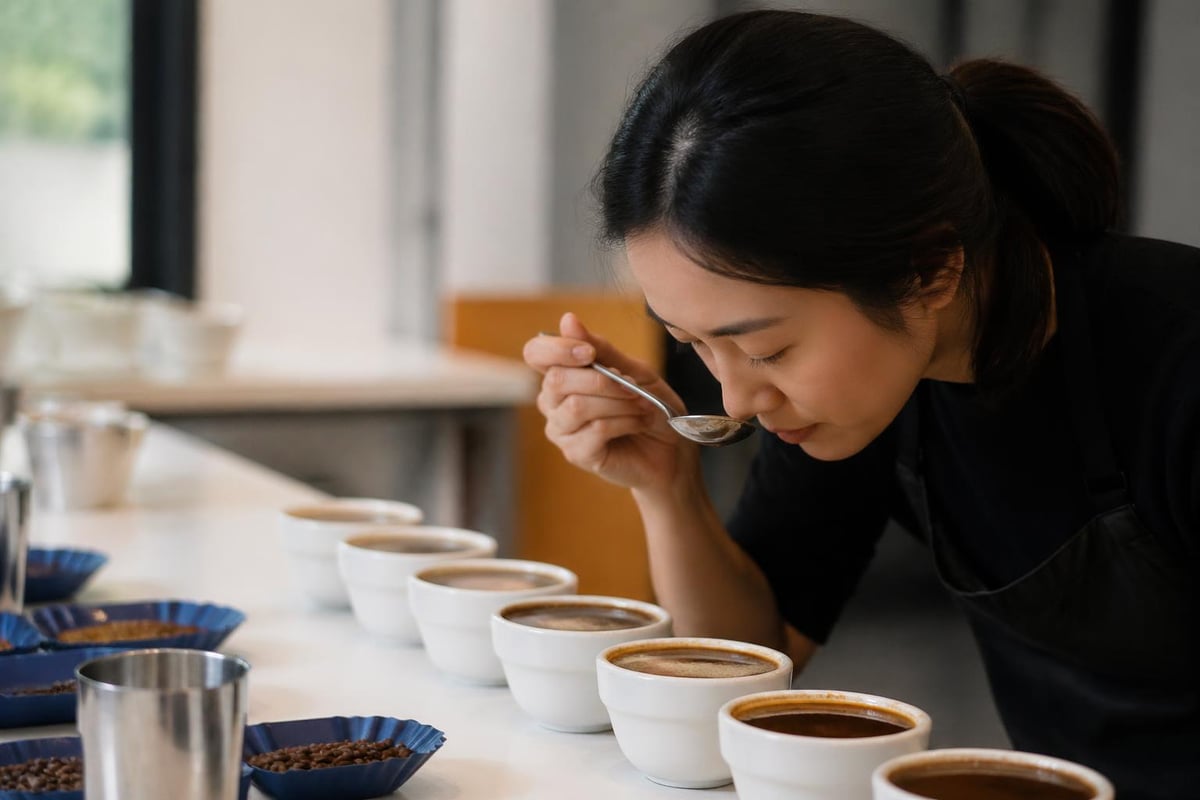
Professional cupping provides the standardized evaluation method that determines whether arabica beans achieve specialty grade. Understanding this process helps consumers appreciate what distinguishes exceptional coffee and guides purchasing decisions. The Specialty Coffee Association's protocols ensure consistency across evaluators worldwide.
Cupping Protocol Steps
Cupping involves specific preparation and evaluation procedures. Roasters grind samples to medium-coarse consistency, then steep in 200°F water for four minutes. After breaking the crust that forms on the surface, cuppers evaluate aroma before tasting at multiple temperatures as the coffee cools.
Scoring Categories
Each coffee receives individual scores across ten attributes, with final scores determining grade classification. Cuppers assess fragrance/aroma (dry and wet), flavor, aftertaste, acidity, body, balance, uniformity, clean cup, sweetness, and overall impression. Specialty-grade arabica must demonstrate excellence across all categories.
Market Trends and Consumer Preferences
The arabica specialty coffee market continues expanding as consumers become more educated about quality differences and origin stories. This growth reflects broader trends toward artisanal products, transparency, and experiential consumption. Industry data shows specialty coffee comprising an increasing percentage of overall arabica sales in 2026.
Premium Pricing Dynamics
Specialty-grade beans command significant premiums over commercial arabica, with exceptional microlots fetching extraordinary prices at auction. These premiums compensate for lower yields, intensive labor, and meticulous processing required to achieve specialty standards. Consumers increasingly demonstrate willingness to pay for documented quality and ethical sourcing.
Home Brewing Revolution
Equipment accessibility and educational resources have empowered home brewers to prepare cafe-quality arabica specialty coffee. This trend drives demand for whole bean sales and subscription services offering rotating selections. Many enthusiasts explore specialty coffee collections to experience diverse origins and processing methods.
Experience Economy Integration
Coffee shops have evolved into destinations offering educational experiences, tastings, and immersive brewing demonstrations. This shift transforms arabica specialty coffee from commodity to craft product, with presentation and storytelling enhancing perceived value. Consumers seek memorable experiences alongside exceptional flavor.
Quality Control and Freshness Factors
Maintaining arabica specialty coffee quality from roaster to consumer requires attention to packaging, storage, and freshness timelines. Degradation begins immediately after roasting as aromatic compounds oxidize and volatile flavors dissipate. Professional roasters implement systems preserving bean integrity throughout distribution chains.
Packaging Technology
Valve-sealed bags allow carbon dioxide escape while preventing oxygen ingress, protecting freshly roasted beans during shipping and shelf storage. Some roasters employ nitrogen flushing to further extend freshness windows. Packaging dates and roast dates provide transparency about product age.
Storage Best Practices
Proper storage maintains arabica specialty coffee quality between purchase and consumption. Beans should remain in airtight containers away from light, heat, and moisture. Whole beans preserve freshness significantly longer than pre-ground coffee, which loses volatile aromatics within hours of grinding.
Optimal Freshness Timeline:
- Espresso: 7-21 days post-roast
- Filter brewing: 5-30 days post-roast
- Maximum quality window: Within 4 weeks
- Acceptable consumption: Up to 8 weeks if properly stored
Velours de Paris Coffee emphasizes freshness through small-batch roasting practices that ensure customers receive beans at peak flavor. For those new to specialty coffee, taking advantage of introductory offers helps explore quality differences affordably. Save 10% use code: WELCOME10 when purchasing premium arabica selections.

Variety Selection and Genetic Diversity
Beyond the species level, arabica specialty coffee encompasses numerous cultivated varieties, each contributing distinct characteristics. Understanding variety differences enhances appreciation for the complexity within specialty coffee and explains flavor variation between beans from identical regions.
Heritage Varieties
Typica and Bourbon represent foundational arabica varieties from which most cultivars descend. These heritage varieties typically produce exceptional cup quality but suffer from disease susceptibility and lower yields. Many specialty producers maintain these varieties despite economic challenges because they deliver superior flavor.
Hybrid Developments
Modern breeding programs combine disease resistance with quality potential, creating varieties like Gesha, SL28, and Pacamara. These cultivars often command premium prices when properly cultivated and processed. The legendary Gesha variety, discovered in Ethiopia and perfected in Panama, produces floral, tea-like profiles that have broken auction records.
Regional Adaptations
Local varieties adapted to specific growing conditions demonstrate unique expressions of terroir. Ethiopian heirloom varieties, for instance, represent hundreds of distinct genetic lineages creating extraordinary diversity within a single origin. This genetic wealth provides both flavor complexity and potential climate resilience.
Professional Development and Education
The arabica specialty coffee industry has professionalized significantly, with structured education programs and certification tracks. These initiatives standardize knowledge, improve quality assessment skills, and elevate the entire specialty sector. Resources from organizations like the East African Fine Coffees Association support continuous learning.
Q Grader Certification
The Q Grader program trains and certifies coffee professionals in standardized cupping protocols and quality assessment. This rigorous certification ensures consistent evaluation across the specialty coffee supply chain. Q Graders complete written exams, sensory tests, and practical cupping assessments demonstrating proficiency.
Barista Skills Training
Professional barista education covers espresso extraction, milk steaming, latte art, and customer service. Advanced programs explore brewing variables, equipment maintenance, and sensory development. These skills ensure arabica specialty coffee receives proper preparation that honors the quality built through cultivation and roasting.
Roaster Education
Roasting courses teach thermal dynamics, bean development, profile creation, and quality control. Understanding how heat transfer affects arabica specialty coffee enables roasters to maximize inherent bean characteristics while minimizing defects. Many programs combine theoretical knowledge with hands-on roasting experience.
Economic Impact and Market Structure
The arabica specialty coffee sector creates economic opportunities throughout producing countries while commanding premium positioning in consuming markets. This segment supports smallholder farmers, creates skilled employment, and generates significant export revenue for origin countries. Market analysis shows specialty coffee growing faster than commercial segments.
Producer Economics
Specialty premiums significantly improve farm economics compared to commodity pricing. Farmers receiving specialty prices can invest in quality improvements, sustainable practices, and community development. These premiums often represent 2-5 times commodity market rates, transforming rural livelihoods.
Retail Market Dynamics
Specialty coffee shops and online retailers continue gaining market share from traditional coffee channels. Consumers demonstrate loyalty to brands emphasizing quality, transparency, and craft. This shift rewards businesses investing in education, customer experience, and product excellence.
Supply Chain Transparency
Blockchain technology and direct trade relationships increasingly provide consumers with detailed information about arabica specialty coffee origins. Traceability extends from specific farms through processing, roasting, and retail. This transparency builds trust and justifies premium pricing while holding supply chain participants accountable.
Understanding arabica specialty coffee reveals why this segment represents the pinnacle of coffee quality, combining meticulous cultivation, precise processing, and artisan roasting. The commitment to excellence that defines specialty-grade beans creates exceptional flavor experiences while supporting sustainable practices throughout producing regions. Whether you're exploring specialty coffee for the first time or deepening your appreciation for nuanced origins and processing methods, Velours de Paris Coffee offers carefully curated selections roasted in small batches to preserve the distinctive characteristics that make each arabica specialty coffee unique. Discover how premium beans from the world's finest regions can transform your daily coffee ritual into an extraordinary experience.