

V60 Specialty Coffee: Mastering the Pour-Over Method
The art of brewing v60 specialty coffee has transformed how coffee enthusiasts and professionals approach manual extraction methods. This iconic pour-over technique, developed by Hario in 2005, has become synonymous with precision brewing and exceptional coffee quality. The V60's distinctive conical design, coupled with spiral ridges and a large opening at the bottom, creates an environment where water flows through coffee grounds in a way that highlights the unique characteristics of premium beans. Understanding this brewing method opens doors to experiencing coffee in its most refined form, where subtle flavor notes and aromatic compounds shine through with remarkable clarity.
The Engineering Behind V60 Specialty Coffee Excellence
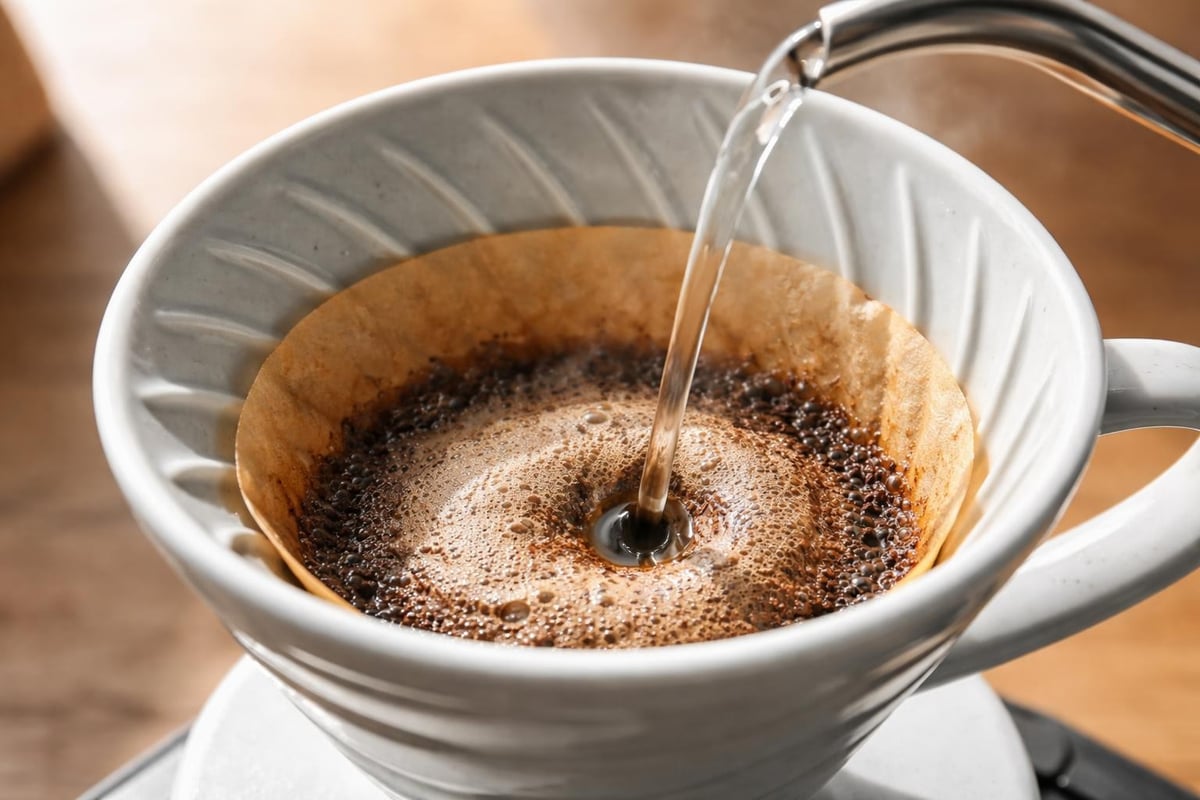
The Hario V60's design represents a masterclass in functional simplicity. Each element serves a specific purpose in optimizing extraction and flavor development. The 60-degree angle of the cone creates ideal conditions for water to saturate coffee grounds evenly, while the spiral ridges along the interior walls prevent the filter from adhering completely to the sides, maintaining consistent air flow and allowing gases to escape during blooming.
Design Features That Define Quality Extraction
The birth of the Hario V60 marked a significant milestone in specialty coffee equipment evolution. Its large single hole at the base gives brewers complete control over flow rate, distinguishing it from other pour-over devices with multiple small holes or flat bottoms.
- Conical shape: Promotes uniform extraction by concentrating grounds at the center
- Spiral ridges: Creates channels for air release and water flow
- Large drainage hole: Allows brewers to control extraction speed through pour technique
- Thin filter paper: Produces clean, sediment-free cups with exceptional clarity
The ceramic, glass, plastic, and metal versions each offer different thermal properties. Ceramic and glass retain heat effectively, maintaining stable brewing temperatures throughout the extraction process. Plastic versions heat quickly and prove ideal for travel, while copper and steel models provide both aesthetic appeal and excellent heat retention.
Material Selection and Temperature Stability
Temperature consistency plays a crucial role in v60 specialty coffee preparation. The brewer material directly impacts how effectively heat transfers to the coffee bed and how stable temperatures remain during the brewing cycle. Ceramic V60s require pre-heating with hot water to prevent temperature shock when brewing begins, while metal versions stabilize quickly due to superior thermal conductivity.
Mastering V60 Specialty Coffee Brewing Techniques
Successful V60 brewing requires attention to multiple variables that interact to produce exceptional results. Water temperature, grind size, pour technique, and timing all influence the final cup profile. Professional baristas spend years refining these skills, but dedicated home brewers can achieve outstanding results by understanding fundamental principles.
Essential Equipment and Setup Requirements
Creating the perfect environment for v60 specialty coffee starts with gathering proper tools and preparing your workspace. Temperature control, measurement precision, and timing accuracy separate good cups from extraordinary ones.
| Equipment | Purpose | Specification |
|---|---|---|
| Digital scale | Precise coffee and water measurement | 0.1g accuracy |
| Gooseneck kettle | Controlled, precise pouring | Temperature display recommended |
| Timer | Monitoring brew phases | Built-in or separate device |
| Grinder | Fresh, consistent particle size | Burr grinder essential |
| Thermometer | Water temperature verification | 195-205°F range |
Quality water makes an enormous difference in extraction outcomes. Filtered water with balanced mineral content extracts flavors more effectively than distilled or heavily mineralized water. The ideal total dissolved solids (TDS) range falls between 75-150 ppm for optimal extraction and flavor development.
The Step-by-Step Brewing Process
Beginning with fresh, premium beans sets the foundation for excellent v60 specialty coffee. Grind size should resemble sea salt or slightly finer, with uniformity being more important than absolute size. Inconsistent particles lead to simultaneous over-extraction and under-extraction, creating muddy or sour notes.
Phase One: Preparation and Blooming
- Rinse the paper filter thoroughly with hot water to remove papery taste and preheat the V60
- Add 20-22 grams of freshly ground coffee for a standard 12-ounce cup
- Create a flat, level bed by gently shaking the V60
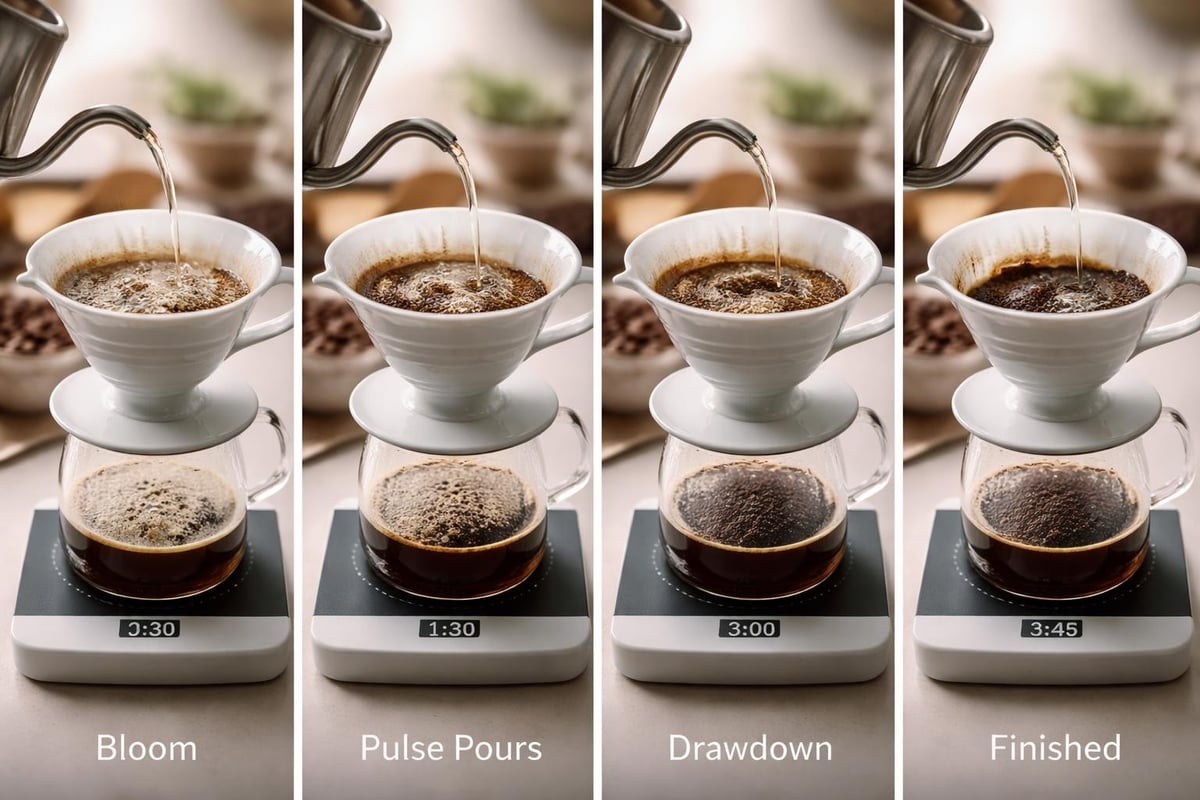
- Start timer and pour 40-45 grams of 200°F water in circular motions
- Allow coffee to bloom for 30-45 seconds as gases release
Phase Two: Main Pour Sequence
The comprehensive V60 brewing guide emphasizes pulse pouring for better control. After blooming, continue with slow, steady circular pours, maintaining the water level without letting it drop completely.
- Pour to 150 grams total by 1:15 mark using concentric circles
- Continue pouring to 250 grams by 1:45, maintaining consistent flow
- Final pour to 360 grams total by 2:15, avoiding the edges
- Allow complete drawdown by 3:00-3:30 total brew time
- Remove V60 and swirl gently to integrate flavors
Optimizing Variables for V60 Specialty Coffee Perfection
The relationship between grind size, water temperature, and pour rate creates a complex matrix of possibilities. Small adjustments to any single variable can dramatically alter extraction efficiency and flavor balance. Understanding these interactions allows brewers to highlight specific characteristics in different coffee origins and roast profiles.
Grind Size and Extraction Control
Particle size distribution affects how quickly water moves through the coffee bed and how much surface area contacts water. Finer grinds increase extraction by creating more surface area and slower flow rates, while coarser grinds reduce contact time and extraction percentage.
- Too fine: Results in over-extraction, bitterness, and extended brew times beyond 4 minutes
- Too coarse: Leads to under-extraction, sourness, and brew times under 2:30
- Optimal range: Produces balanced extraction in 3:00-3:30 with sweet, complex flavors
Adjusting grind size by small increments-one to two clicks on most grinders-allows precise tuning. The V60 coffee revisited brew guide from industry experts demonstrates how professionals use grind adjustments to compensate for different coffee densities and roast developments.
Water Temperature and Flavor Development
Temperature directly impacts extraction speed and which compounds dissolve into the final cup. Higher temperatures increase extraction efficiency but risk pulling harsh, astringent flavors. Lower temperatures produce cleaner cups but may under-extract complex flavor compounds.
| Temperature Range | Best For | Flavor Profile |
|---|---|---|
| 195-197°F | Light roasts, African origins | Bright acidity, delicate florals |
| 198-201°F | Medium roasts, balanced profiles | Full body, sweet complexity |
| 202-205°F | Dark roasts, low-acid preferences | Bold, chocolatey, less acidity |
Light roast v60 specialty coffee often benefits from higher temperatures to fully extract nuanced flavors, while darker roasts extract more readily and perform well at lower temperatures. Experimenting within these ranges helps identify sweet spots for specific beans.
Advanced Pouring Techniques and Their Impact
Pour technique influences agitation levels, water distribution, and extraction uniformity throughout the coffee bed. The circular pour pattern most commonly associated with V60 brewing creates gentle turbulence that promotes even saturation, but alternative approaches offer different advantages.
Center Pour Versus Circular Patterns
Center pouring concentrates water in the middle of the coffee bed, relying on capillary action and gravity to spread water outward. This technique reduces agitation and produces cleaner, more delicate cups with pronounced clarity. It works exceptionally well with naturally processed coffees where you want to showcase fruity, wine-like characteristics without over-extraction.
Circular pouring moves in concentric circles from center to edge, creating more agitation and promoting higher extraction. This method excels with washed coffees and lighter roasts where you want to extract maximum complexity and sweetness. The increased turbulence breaks up channeling and ensures all grounds contact water evenly.
Pulse Pouring Strategy for Consistency
Breaking the main pour into multiple pulses rather than one continuous stream offers greater control over extraction dynamics. Each pulse allows the coffee bed to settle slightly before the next addition, creating more consistent contact time across all particles.
The three-pour method (bloom, first main pour, second main pour) provides excellent results for most v60 specialty coffee applications. Some brewers extend this to five or six pours for extremely light roasts that require aggressive extraction. The scientifically perfect pour-over coffee method explores how systematic pour timing affects extraction outcomes.
Choosing Coffee Origins for V60 Specialty Coffee
The V60 method excels at showcasing origin characteristics and processing methods. Its clean extraction profile allows subtle terroir differences and processing nuances to shine without interference from excessive oils or fine particles that other brewing methods may introduce.
Single Origin Selections and Their Characteristics
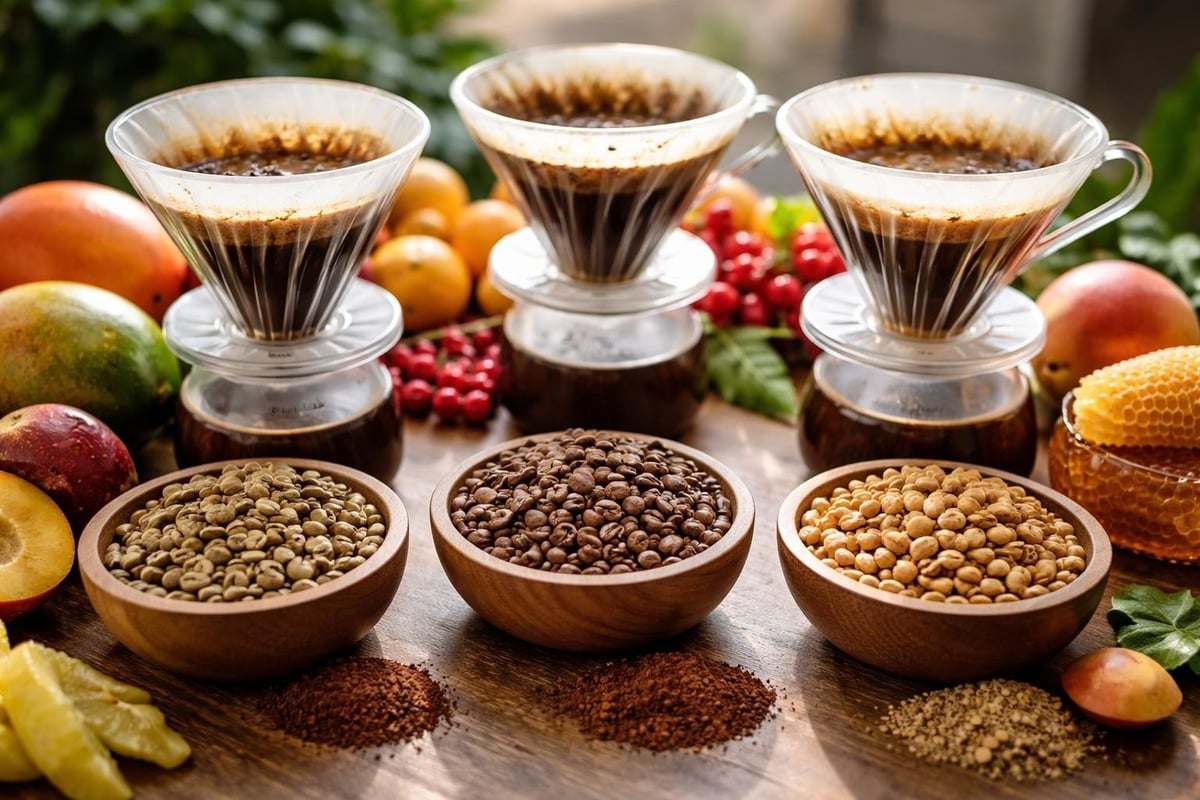
Ethiopian coffees brewed with the V60 reveal incredible floral complexity, bergamot brightness, and tea-like body. The clarity this method provides highlights the distinctive profiles of Yirgacheffe and Sidamo regions, where natural and washed processing creates vastly different cup experiences from the same geographic area.
Colombian and Central American offerings deliver exceptional balance through V60 preparation, with prominent chocolate, caramel, and nut flavors supported by clean acidity. These coffees often represent ideal starting points for those new to v60 specialty coffee, providing forgiving brewing windows and consistently enjoyable results.
Regional Flavor Profiles:
- East Africa: Floral, fruity, wine-like, bright acidity
- Central America: Chocolate, nuts, balanced acidity, medium body
- South America: Caramel, low acidity, smooth, nutty
- Indonesia/Asia: Earthy, herbal, full body, low acidity
Processing Methods and V60 Compatibility
The processing method dramatically influences how coffee performs in V60 brewing. Washed coffees offer clarity and acidity that align perfectly with the V60's clean extraction, while natural processed coffees deliver fruit-forward complexity that the method showcases beautifully without muddiness.
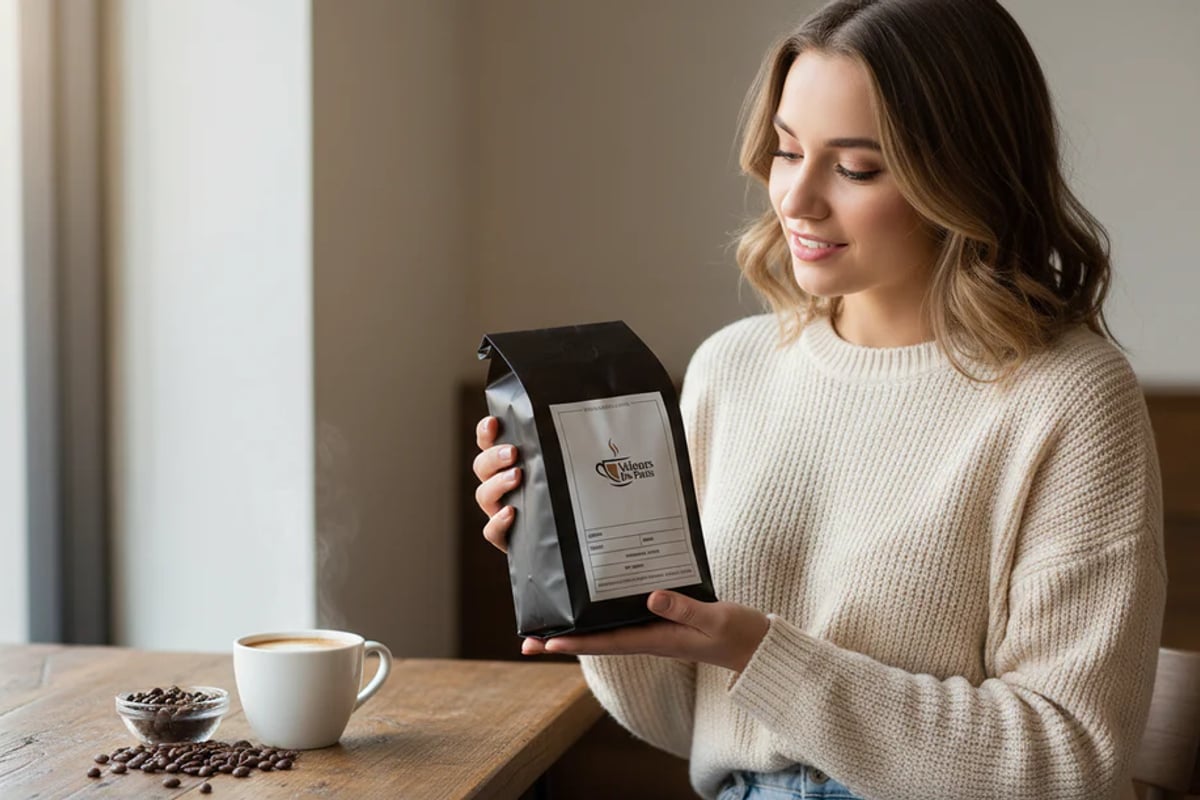
Velours de Paris Coffee's commitment to sourcing from the world's finest regions means their beans respond exceptionally well to V60 preparation, revealing the careful roasting and quality selection that defines their approach. Whether you're exploring their African Kahawa Blend or single origin offerings, the V60 method unlocks the full potential of their small-batch roasting.
For those starting their V60 journey, enjoying premium beans becomes even more accessible with exclusive promotions. Save 10% use code: WELCOME10 on your first order and experience how properly sourced, freshly roasted coffee transforms the V60 brewing experience.
Troubleshooting Common V60 Specialty Coffee Issues
Even experienced brewers encounter challenges that affect cup quality. Recognizing symptoms and understanding their causes enables quick corrections that restore optimal extraction and flavor balance.
Diagnosing Extraction Problems
Sour, underdeveloped flavors indicate under-extraction where insufficient compounds have dissolved from the coffee grounds. This typically results from grind size being too coarse, water temperature too low, or brew time too short. Adjusting one variable at a time helps identify the specific cause.
Bitter, harsh notes signal over-extraction where excessive compounds, including undesirable ones, have entered the cup. Finer grinds, excessively hot water, or prolonged contact time all contribute to this outcome. Coarsening the grind slightly often provides the quickest remedy.
| Issue | Likely Cause | Solution |
|---|---|---|
| Fast drawdown (under 2:30) | Grind too coarse | Adjust grinder finer by 2-3 clicks |
| Slow drawdown (over 4:00) | Grind too fine | Adjust grinder coarser by 2-3 clicks |
| Weak, watery taste | Coffee dose too low | Increase coffee by 2-3 grams |
| Astringent, dry finish | Water too hot | Reduce temperature by 3-5°F |
| Channeling visible | Uneven distribution | Level coffee bed before brewing |
Pour Technique Refinement
Inconsistent pour rates create uneven extraction across the coffee bed. Fast pours increase agitation and can lead to channeling, while extremely slow pours may cause the bed to compact and restrict flow. Finding a comfortable, repeatable pour speed builds consistency across multiple brewing sessions.
The guide on brewing filter coffee with V60 provides multiple recipe variations that demonstrate how professionals adapt technique to different coffee characteristics. Practicing with these frameworks develops intuition for adjusting variables based on taste feedback.
Scaling V60 Specialty Coffee Recipes
While the standard 1:16 coffee-to-water ratio (20g coffee to 320g water) serves as an excellent baseline, scaling recipes up or down requires understanding how changes affect extraction dynamics. Larger doses don't simply multiply all variables proportionally.
Adjustments for Different Brew Sizes
Brewing 30 grams of coffee requires slightly different grind size and pour technique than 15 grams, even when maintaining the same ratio. Larger doses create deeper coffee beds that restrict water flow, necessitating coarser grinds to maintain appropriate brew times. Smaller doses benefit from slightly finer grinds to ensure adequate extraction.
Single cup (12oz):
- 20g coffee to 320g water
- Medium-fine grind
- 3:00-3:30 total time
Large cup (16oz):
- 26g coffee to 416g water
- Medium grind (slightly coarser)
- 3:15-3:45 total time
Small cup (8oz):
- 15g coffee to 240g water
- Medium-fine grind (slightly finer)
- 2:45-3:15 total time
Concentration Adjustments for Preference
Personal taste preferences vary significantly, and the beauty of v60 specialty coffee lies in its adaptability. Some prefer more concentrated brews at 1:14 or 1:15 ratios, while others enjoy lighter cups at 1:17 or 1:18. Experimenting within this range helps identify your preferred strength level.
Stronger concentrations highlight body and sweetness while slightly muting acidity, making them excellent for darker roasts and low-acid preferences. Lighter concentrations emphasize brightness and clarity, showcasing origin characteristics in lighter roasts. The complete simple guide to V60 coffee offers additional frameworks for ratio experimentation.
The Cultural Significance of V60 Specialty Coffee
Beyond technical excellence, the V60 represents a broader cultural movement toward mindful coffee consumption and craft beverage preparation. The history of the V60 coffee brewer reveals how this simple device democratized specialty coffee by making professional-quality brewing accessible to home enthusiasts.
Third Wave Coffee and Manual Brewing
The V60's rise coincided with the third wave coffee movement, which emphasizes coffee as an artisanal product rather than a commodity. This philosophy values transparency in sourcing, precision in roasting, and skill in preparation. Manual brewing methods like the V60 embody these principles by placing control entirely in the brewer's hands.
Specialty coffee shops worldwide feature V60 brewing as both a service offering and a demonstration of their commitment to quality. The visual spectacle of a skilled barista executing a precise pour sequence communicates craftsmanship and attention to detail that automated methods cannot replicate.
Sustainability and Minimal Waste
V60 brewing aligns with sustainable coffee practices through minimal equipment requirements and low waste generation. Paper filters biodegrade naturally, and reusable metal filters eliminate paper waste entirely. The absence of complex machinery reduces energy consumption and extends equipment lifespan significantly.
This simplicity resonates with consumers increasingly concerned about environmental impact. Choosing manual brewing methods represents a conscious decision to prioritize quality and sustainability over convenience, values that extend naturally to selecting ethically sourced, carefully roasted beans that respect producers and the environment.
Expanding Your V60 Specialty Coffee Practice
Mastery develops through deliberate practice and continuous experimentation. Keeping detailed brewing notes accelerates learning by creating a reference database of successful techniques and variables that produced specific results. Recording coffee origin, roast date, grind setting, water temperature, total time, and tasting notes builds valuable knowledge over time.
Building a Brewing Journal
Systematic documentation transforms random experimentation into structured learning. Each brewing session offers data points that, when accumulated, reveal patterns and preferences unique to your palate and equipment.
Essential journal elements:
- Coffee details (origin, roast date, roaster)
- Recipe specifications (dose, ratio, grind setting)
- Brewing parameters (water temp, total time, pour intervals)
- Tasting observations (flavor notes, body, acidity, aftertaste)
- Adjustments for next session
Digital apps and simple notebooks both serve this purpose effectively. The key lies in consistency and honesty in evaluation, noting both successes and failures to understand what drives quality outcomes.
Community Engagement and Learning Resources
The global V60 community shares innovations, techniques, and recipes through online forums, social media groups, and local coffee enthusiast meetups. Engaging with other brewers exposes you to diverse perspectives and approaches that expand your understanding beyond individual experience.
Competition brewing has pushed V60 techniques to extraordinary levels, with baristas developing highly specific methods for championship performances. While these advanced approaches may seem extreme for home brewing, they offer insights into extraction science and precision control that inform practical improvements at any skill level.
Water Chemistry and V60 Specialty Coffee Quality
Water comprises over 98% of brewed coffee, making its composition critical to extraction efficiency and flavor development. While often overlooked in favor of more obvious variables like grind size and temperature, water chemistry profoundly impacts how coffee compounds dissolve and taste.
Mineral Content and Extraction
Calcium and magnesium ions enhance extraction by bonding with flavor compounds and pulling them into solution. Water completely devoid of minerals (distilled water) produces flat, under-extracted coffee regardless of other variables. Conversely, excessive mineral content creates overly efficient extraction that emphasizes bitter compounds.
Specialty coffee professionals often use water recipes that target specific mineral compositions. The Specialty Coffee Association recommends 75-150 ppm total dissolved solids with balanced calcium and magnesium levels. Home brewers can approximate this using filtered water or commercially available mineral packets designed for coffee brewing.
pH Balance Considerations
Water pH affects perceived acidity and overall flavor balance in the final cup. Slightly acidic water (pH 6.5-7.0) typically produces the most balanced results, while alkaline water can neutralize desirable coffee acids and create flat, cardboard-like flavors.
Testing your water and understanding its characteristics enables targeted adjustments. Many cities provide water quality reports online, or simple testing kits offer quick assessments. This knowledge helps explain why the same v60 specialty coffee recipe produces different results in different locations.
Mastering v60 specialty coffee brewing transforms your daily coffee ritual into a craft practice that rewards attention, experimentation, and quality ingredients. The techniques, variables, and principles explored throughout this guide provide a foundation for continuous improvement and deeper appreciation of exceptional coffee. Whether you're just beginning your V60 journey or refining advanced skills, starting with premium, freshly roasted beans makes every cup more rewarding. Velours de Paris Coffee offers carefully sourced beans from the world's finest regions, roasted in small batches to ensure the exceptional flavor and freshness that V60 brewing showcases so beautifully.