

The Spot Specialty Coffee: A Complete Guide
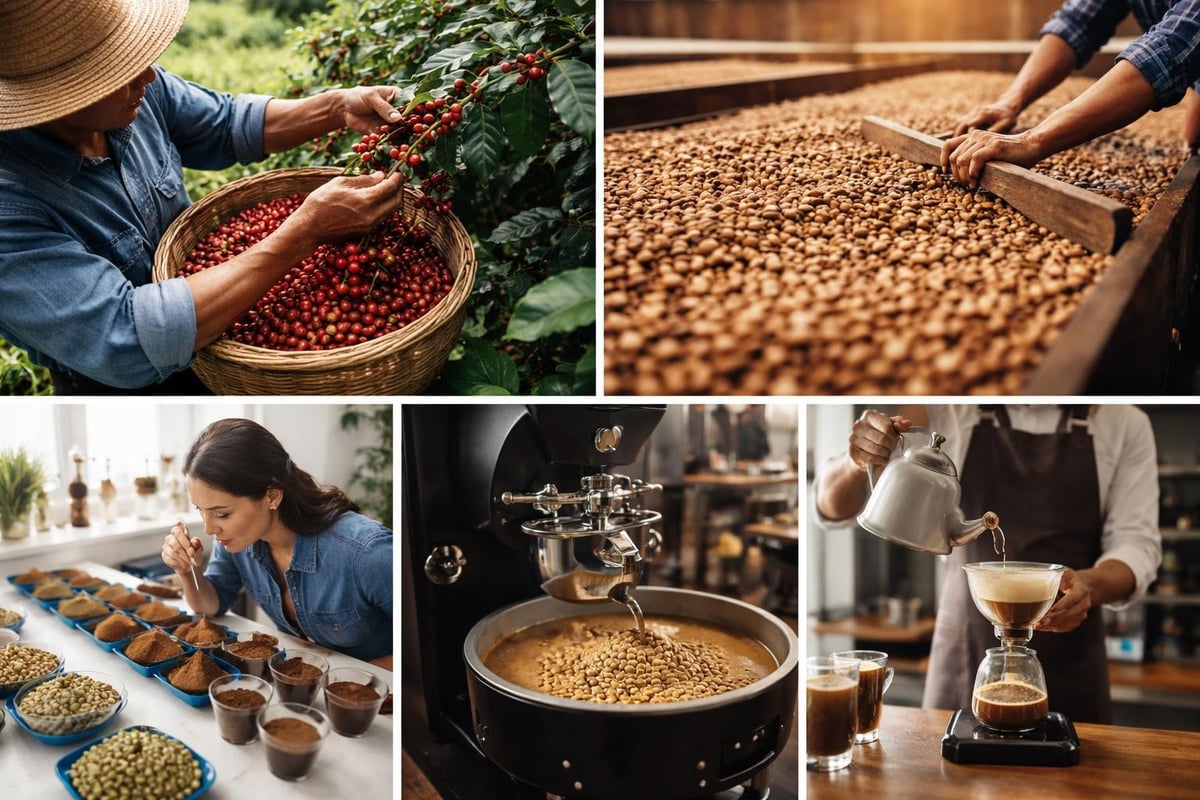
The specialty coffee industry has experienced remarkable growth over the past decade, with consumers increasingly seeking premium coffee experiences that go beyond the ordinary. When you search for "the spot specialty coffee," you're looking for that perfect intersection of quality, craftsmanship, and exceptional flavor that defines truly outstanding coffee. Understanding what distinguishes specialty coffee from commercial alternatives empowers you to make informed choices about your daily brew and discover the remarkable diversity within the coffee world. This guide explores the essential elements that make specialty coffee exceptional, from sourcing and roasting to brewing and appreciation.
Understanding the Spot Specialty Coffee Movement
The term "the spot specialty coffee" refers to discovering premium coffee sources that meet rigorous quality standards and deliver consistently exceptional experiences. Unlike commercial coffee, which often prioritizes volume over quality, specialty coffee represents the top tier of coffee production, typically scoring 80 points or higher on the Specialty Coffee Association's 100-point scale.
This movement emerged from the third-wave coffee philosophy, which treats coffee as an artisanal product rather than a commodity. The focus shifted from simple caffeine delivery to appreciating coffee's complex flavor profiles, unique origin characteristics, and the stories behind each bean.
Key characteristics that define specialty coffee include:
- Single-origin transparency and traceability
- Ethical sourcing and direct trade relationships
- Small-batch roasting for optimal freshness
- Precision in every step from farm to cup
- Focus on sustainable farming practices
According to recent data from the National Coffee Association, specialty coffee consumption has reached unprecedented levels, with more Americans choosing quality over convenience. This trend reflects a broader shift in consumer preferences toward artisanal products and meaningful food experiences.
Sourcing Excellence: What Makes the Spot Specialty Coffee Different
Finding the spot specialty coffee begins with understanding how premium beans are sourced. The world's finest coffee-growing regions produce beans with distinctive flavor profiles influenced by altitude, soil composition, climate, and processing methods.
Regional Coffee Characteristics
Different origins create vastly different taste experiences. Ethiopian coffees often exhibit bright, floral notes with berry undertones, while Colombian beans typically offer balanced sweetness with chocolate characteristics. Indonesian coffees tend toward earthy, full-bodied profiles with herbal complexity.
| Origin Region | Typical Flavor Profile | Altitude Range | Processing Method |
|---|---|---|---|
| Ethiopia | Floral, berry, citrus | 1,500-2,200m | Washed, natural |
| Colombia | Chocolate, caramel, nuts | 1,200-2,000m | Washed |
| Guatemala | Cocoa, spice, fruit | 1,300-2,000m | Washed |
| Sumatra | Earthy, herbal, full-bodied | 1,100-1,500m | Wet-hulled |
| Kenya | Bright acidity, blackcurrant | 1,400-2,000m | Washed |
The Cup of Excellence competition represents the pinnacle of coffee quality assessment, identifying the world's finest lots through rigorous blind tasting. Winning coffees command premium prices and showcase what's possible when every factor aligns perfectly.
Direct Trade and Farmer Relationships
Premium roasters establish direct relationships with coffee farmers, ensuring fair compensation and encouraging quality-focused cultivation practices. This model benefits everyone: farmers receive better prices, roasters secure exceptional beans, and consumers enjoy superior coffee while supporting sustainable agriculture.
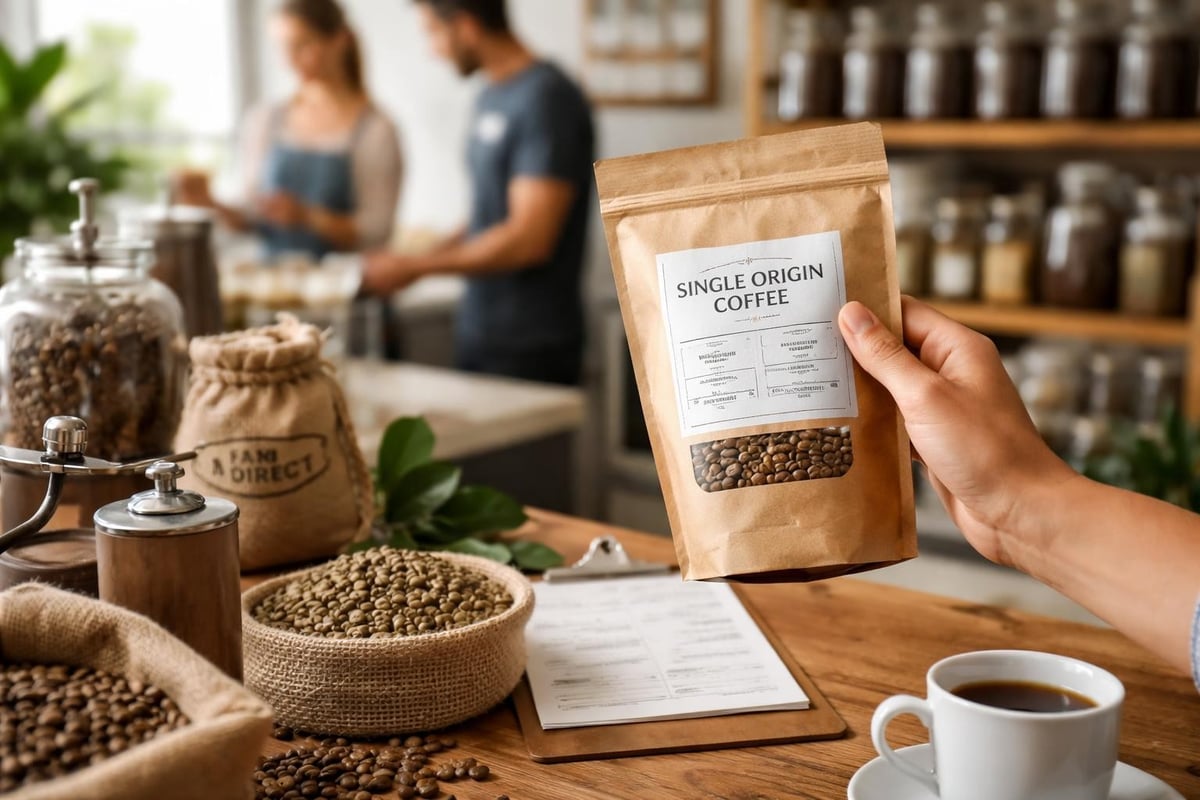
Many specialty coffee roasters travel to origin countries during harvest season, cupping samples directly at farms and mills. This hands-on approach allows them to select specific microlots that express unique terroir characteristics. When you explore single origin coffee, you're experiencing the result of these carefully cultivated relationships.
The Art of Small-Batch Roasting
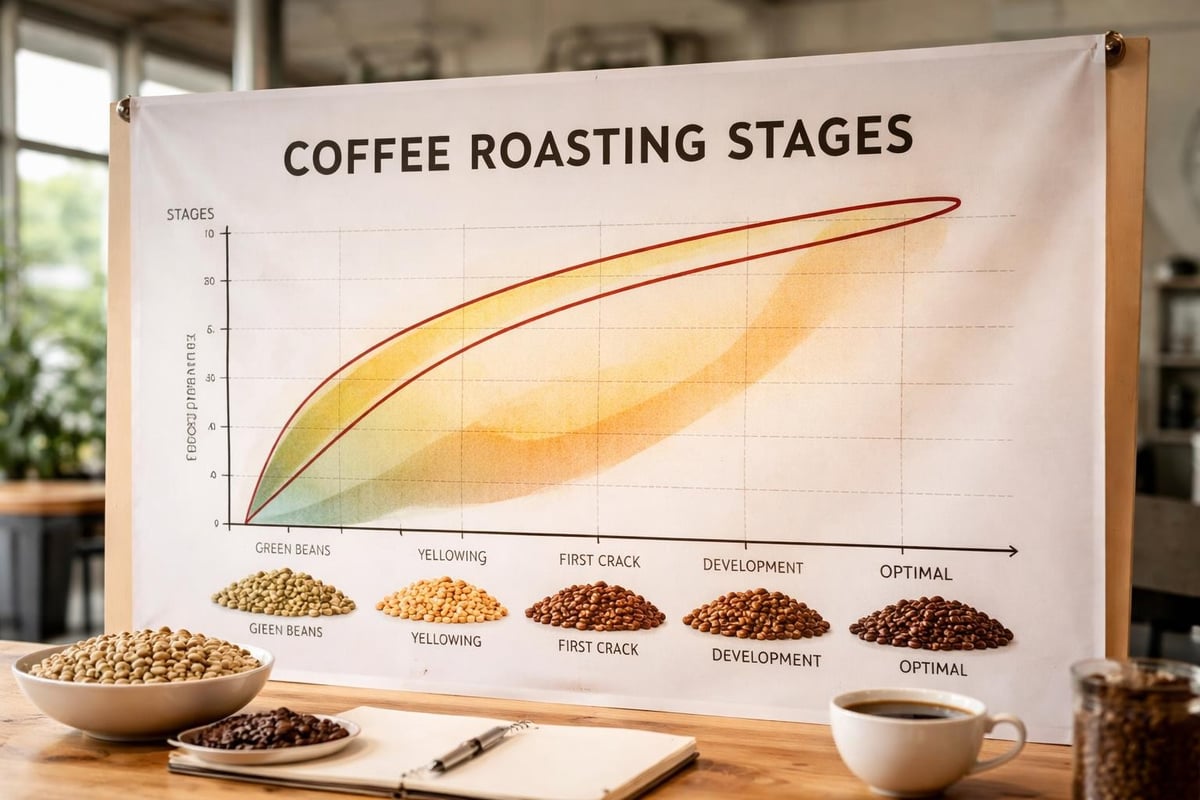
Roasting transforms green coffee beans into the aromatic brown beans ready for brewing. The spot specialty coffee requires precise roasting profiles that develop each origin's inherent flavors while avoiding defects like scorching or underdevelopment.
Small-batch roasting offers significant advantages over industrial-scale operations. Roasters can monitor and adjust temperature curves in real-time, responding to how specific beans behave during the roasting process. This attentiveness produces more consistent results and allows for creative experimentation with roast profiles.
Roast Development Stages
First crack occurs when beans expand and audibly pop, typically around 385-400°F. This marks the beginning of light roast territory, where origin characteristics shine brightest. Many specialty roasters stop development shortly after first crack to preserve delicate floral and fruit notes.
Development time after first crack determines final flavor balance. Extended development creates sweeter, fuller-bodied profiles as caramelization continues. The skill lies in finding the sweet spot where sweetness develops without overwhelming origin character.
Second crack happens at approximately 435-450°F, signaling the transition to dark roast territory. While some origins benefit from darker roasting, most specialty coffees achieve optimal expression in the light to medium range.
The market research from Business Research Insights projects continued growth in specialty coffee through 2035, driven partly by consumers' appreciation for craftsmanship in roasting.
Brewing the Spot Specialty Coffee Perfectly
Even exceptional beans require proper brewing technique to reach their full potential. The spot specialty coffee demands attention to several critical variables that affect extraction and final cup quality.
Essential Brewing Parameters
- Coffee-to-water ratio: Start with 1:16 (1 gram coffee to 16 grams water) and adjust to taste
- Water temperature: 195-205°F for optimal extraction without bitterness
- Grind size: Matched to brewing method, from coarse for French press to fine for espresso
- Brew time: Varies by method, from 25-30 seconds for espresso to 4 minutes for French press
- Water quality: Filtered water with balanced mineral content enhances flavor clarity
Different brewing methods highlight different aspects of coffee character. Pour-over methods like V60 or Chemex produce clean, bright cups that showcase acidity and delicate flavors. Immersion methods like French press or AeroPress create fuller-bodied results with more texture.
Dialing In Your Recipe
Finding the spot specialty coffee's optimal expression requires experimentation. If your coffee tastes sour or weak, try grinding finer or extending brew time. If it's bitter or astringent, coarsen your grind or reduce contact time.
Extraction indicators:
- Under-extracted: Sour, salty, grassy flavors
- Properly extracted: Sweet, balanced, complex flavors
- Over-extracted: Bitter, hollow, astringent flavors
Keep notes on your brewing parameters and results. This record helps you replicate successful brews and troubleshoot problems. Many coffee enthusiasts maintain detailed brewing journals documenting grind settings, water temperatures, and tasting notes.
Evaluating Quality: How to Recognize Exceptional Coffee
Professional coffee tasters (Q Graders) evaluate coffee using standardized cupping protocols that assess fragrance, aroma, flavor, aftertaste, acidity, body, balance, sweetness, cleanliness, and overall impression. While you don't need professional training to enjoy great coffee, understanding evaluation criteria enhances appreciation.
Flavor Wheel Navigation
The Specialty Coffee Association's flavor wheel organizes coffee tastes into categories from general to specific. Starting at the center with broad categories like "fruity" or "nutty," you can drill down to precise descriptors like "blueberry" or "hazelnut."
Primary flavor categories include:
- Fruity (berry, citrus, dried fruit)
- Floral (jasmine, rose, chamomile)
- Sweet (caramel, honey, chocolate)
- Nutty/Cocoa (almond, hazelnut, dark chocolate)
- Spicy (cinnamon, clove, pepper)
- Roasted (toast, grain, pipe tobacco)
Training your palate requires regular practice. Cup different coffees side-by-side, focusing on one attribute at a time. Notice how Ethiopian coffee's blueberry notes differ from Kenyan coffee's blackcurrant character, even though both fall under "berry" descriptors.
The Business of Specialty Coffee in 2026
The specialty coffee market continues expanding as consumers prioritize quality and sustainability. Recent reports from the National Coffee Association indicate that past-day specialty coffee consumption reached a 13-year high, demonstrating sustained consumer interest beyond temporary trends.
| Market Segment | 2026 Market Share | Growth Rate | Key Driver |
|---|---|---|---|
| Specialty retail | 38% | 8.2% annually | Quality focus |
| Coffee shops | 45% | 6.5% annually | Experience economy |
| Online direct | 12% | 14.3% annually | Convenience + quality |
| Subscription | 5% | 11.7% annually | Discovery + reliability |
Roasters who prioritize transparency, sustainability, and quality relationships differentiate themselves in an increasingly crowded marketplace. Consumers want to know where their coffee comes from, how farmers are compensated, and what environmental practices producers employ.
Building Your Specialty Coffee Experience
Creating the spot specialty coffee experience at home involves more than purchasing premium beans. Your equipment, technique, and freshness management all contribute to cup quality.
Essential Equipment Investment
Grinder: The most critical purchase for home brewing. Burr grinders provide consistent particle size, essential for even extraction. Budget $100-300 for quality home grinders or $500+ for professional-grade options.
Brewing device: Match your method to your taste preferences. Pour-over setups cost $20-50, while quality espresso machines start around $500. French press and AeroPress offer excellent results at budget-friendly prices.
Scale: Precision matters in specialty coffee. Digital scales measuring to 0.1 gram ensure recipe consistency and enable experimentation.
Kettle: Gooseneck kettles with temperature control provide the precision needed for optimal brewing. Variable temperature settings let you adjust for different coffees and methods.
Freshness and Storage
Coffee peaks in flavor 3-14 days after roasting, then gradually stales as volatile aromatics dissipate and oils oxidize. Purchase coffee in quantities you'll consume within 2-3 weeks for optimal freshness.
Storage best practices:
- Keep beans in airtight containers away from light and heat
- Avoid refrigeration or freezing (causes condensation)
- Buy whole bean and grind immediately before brewing
- Store in cool, dark locations like pantries or cabinets
- Never store in clear containers or near heat sources
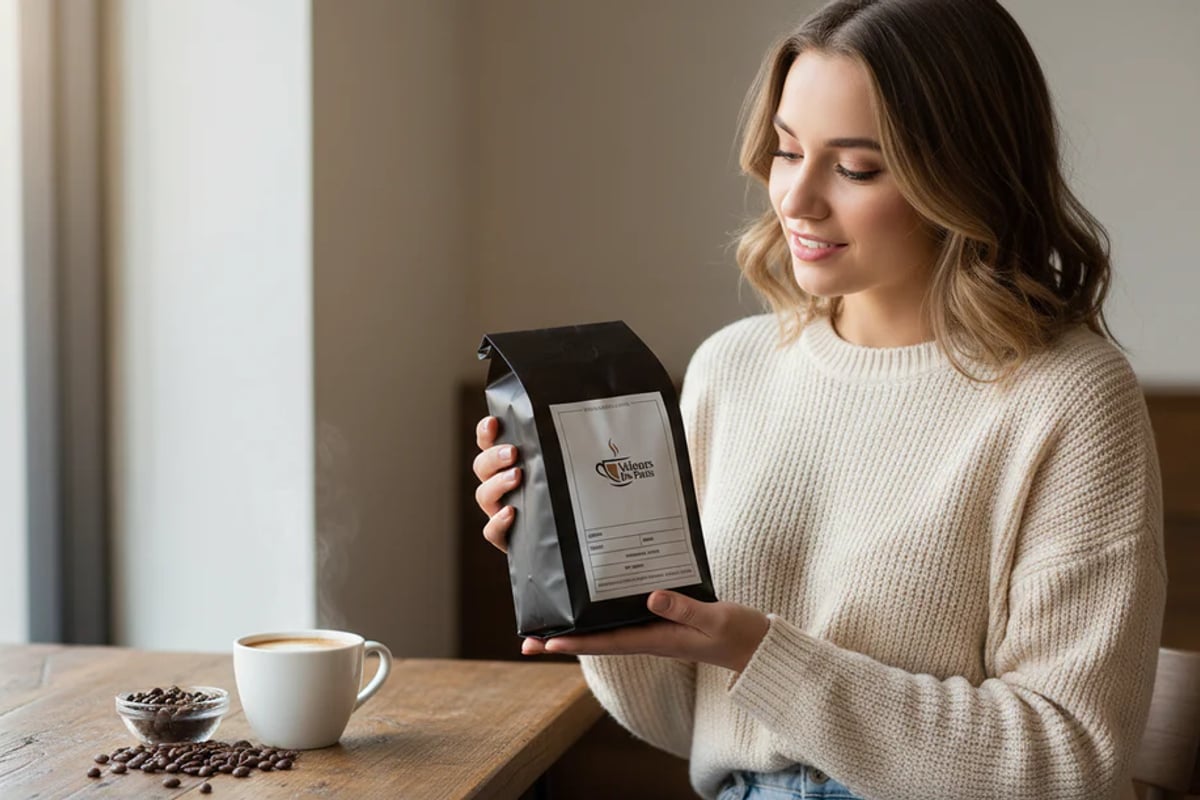
The specialty coffee collection from quality roasters typically includes roast dates on packaging, enabling you to purchase at peak freshness. Many roasters ship within days of roasting, ensuring beans arrive at their flavor peak.
For those new to specialty coffee, starting with a welcome discount can make exploration more accessible. Save 10% use code: WELCOME10 when beginning your journey with premium beans, allowing you to sample different origins and roast profiles without significant investment.
Developing Your Palate and Preferences
Finding the spot specialty coffee for your taste requires exploration and experimentation. Your preferences will evolve as you taste more coffees and develop recognition for specific characteristics.
Systematic Tasting Approach
Start with coffee blends that offer balanced, approachable flavor profiles before exploring more adventurous single origins. Blends provide consistency and often showcase roaster expertise in combining complementary beans.
Progress to single origins that highlight specific regional characteristics. Compare coffees from different continents to understand how geography influences flavor. Ethiopian naturals versus washed Colombians versus Indonesian wet-hulled coffees offer dramatically different experiences.
Tasting progression:
- Medium roast blends for baseline understanding
- Single origins from major regions (Africa, Central America, South America, Asia)
- Processing method comparisons (washed vs. natural vs. honey)
- Micro-lot and competition coffees for ultimate expression
- Experimental processing and rare varieties
Keep a tasting journal documenting your impressions. Note what you enjoy and what doesn't appeal to you. Over time, patterns emerge revealing your preferences for acidity levels, body, sweetness, and specific flavor notes.
Sustainability and Ethical Considerations
The spot specialty coffee movement increasingly emphasizes environmental sustainability and social responsibility. Climate change threatens coffee-growing regions, making sustainable practices essential for the industry's future.
Environmental Impact
Coffee production affects ecosystems through water usage, pesticide application, and land use practices. Shade-grown coffee preserves forest canopy and provides bird habitat, while sun-grown plantations often require forest clearing and heavy chemical inputs.
Certification programs to recognize:
- Fair Trade: Ensures minimum prices and community development premiums
- Rainforest Alliance: Focuses on environmental conservation and worker welfare
- Organic: Prohibits synthetic pesticides and fertilizers
- Bird-Friendly: Requires shade-grown practices that preserve habitat
- Direct Trade: Emphasizes relationship-based sourcing and fair pricing
Many specialty roasters go beyond certifications, establishing long-term partnerships that support farmer prosperity and environmental stewardship. These relationships often include pre-harvest financing, quality premiums, and technical support for improved cultivation practices.
The news and updates from committed roasters often detail their sourcing trips, farmer partnerships, and sustainability initiatives, providing transparency about coffee origins and production methods.
Exploring Flavor Innovation
Beyond traditional single origins and blends, the spot specialty coffee encompasses creative flavor explorations through various methods. Some roasters offer flavored coffee options that add complementary notes while maintaining bean quality.
Natural vs. Flavored Profiles
Natural flavor development through origin selection, processing methods, and roast profiling creates authentic taste experiences. Ethiopian naturals might taste like blueberry pie without any additives, while Kenyan coffees often express tomato acidity and blackcurrant sweetness.
Flavored coffees use natural or artificial flavoring compounds applied post-roast. Quality flavored coffees start with good base beans and add complementary flavors rather than masking defects. Popular options include vanilla, hazelnut, and seasonal specialties that appeal to different taste preferences.
Both approaches have merit depending on what you're seeking. Purists often prefer natural flavor development, while others enjoy the variety flavored coffees provide.
Making the Spot Specialty Coffee Part of Your Routine
Incorporating premium coffee into daily life enhances your morning ritual and provides moments of appreciation throughout the day. The consistency of quality coffee creates anchors in your routine that you look forward to experiencing.
Home Café Setup
Create a dedicated coffee station with your equipment organized and accessible. Having everything in one place streamlines your brewing process and makes quality coffee preparation feel effortless rather than burdensome.
Maintain your equipment through regular cleaning and descaling. Coffee oils build up in grinders and brewers, eventually creating rancid flavors that contaminate fresh coffee. Weekly cleaning prevents this degradation.
Experiment with recipes on weekends when you have more time. Dial in new coffees, try different brewing methods, and refine your technique. Weekday mornings can then follow proven recipes you've already perfected.
Sharing the Experience
The spot specialty coffee becomes more meaningful when shared with others. Host casual coffee tastings where friends compare different origins or brewing methods. This social dimension enhances appreciation while introducing others to quality coffee.
Tasting party structure:
- Select 3-4 coffees with distinct characteristics
- Brew using consistent method and parameters
- Provide tasting notes and origin information
- Discuss impressions and preferences
- Explore how different people perceive same coffees
These gatherings create community around coffee appreciation and often inspire others to elevate their own coffee experiences. The knowledge you've gained becomes more valuable when shared with curious friends and family.
Understanding what makes the spot specialty coffee exceptional transforms your daily coffee routine from mundane caffeine consumption into a rich sensory experience worth savoring. By focusing on quality sourcing, precise roasting, proper brewing technique, and continuous exploration, you develop deeper appreciation for the craft and dedication behind every exceptional cup. Whether you're just beginning your specialty coffee journey or refining your existing knowledge, Velours de Paris Coffee offers expertly roasted beans from the world's finest regions, with small-batch precision ensuring every cup delivers the exceptional flavor and freshness that defines truly outstanding coffee.