

The Common Room Specialty Coffee: A Complete Guide
The concept of the common room specialty coffee has transformed how we experience premium brews in shared spaces. Whether in coworking environments, university lounges, or boutique cafes, these communal areas have become epicenters for exceptional coffee culture. This movement represents more than just a beverage trend-it embodies the intersection of quality, community, and craftsmanship that defines specialty coffee in 2026.
Understanding the Common Room Coffee Experience
The common room specialty coffee phenomenon emerged from a growing demand for accessible yet premium coffee experiences in shared environments. These spaces prioritize quality over convenience, offering carefully curated selections that rival traditional specialty coffee shops. The emphasis falls on creating memorable moments through exceptional beans, precise brewing methods, and inviting atmospheres.
What distinguishes these settings is their commitment to education and engagement. Patrons encounter detailed information about bean origins, processing methods, and flavor profiles. This transparency has become a cornerstone of specialty coffee trends in 2026, where consumers increasingly value knowing the complete journey from farm to cup.
Key Elements That Define Quality
Several factors separate exceptional common room offerings from standard commercial coffee:
- Bean Selection: Premium single-origin beans sourced from renowned growing regions
- Roasting Precision: Small-batch roasting that preserves distinct flavor characteristics
- Brewing Equipment: Professional-grade machines and manual brewing tools
- Staff Expertise: Trained baristas who understand extraction science and flavor development
- Freshness Standards: Strict protocols for bean storage and rotation
The common room specialty coffee approach demands attention to these fundamentals while maintaining approachability for diverse audiences.
Sourcing and Origin Considerations
Premium coffee begins with exceptional raw materials. The common room specialty coffee model requires partnerships with reputable suppliers who maintain direct relationships with coffee farmers. This supply chain transparency ensures consistent quality while supporting sustainable farming practices.
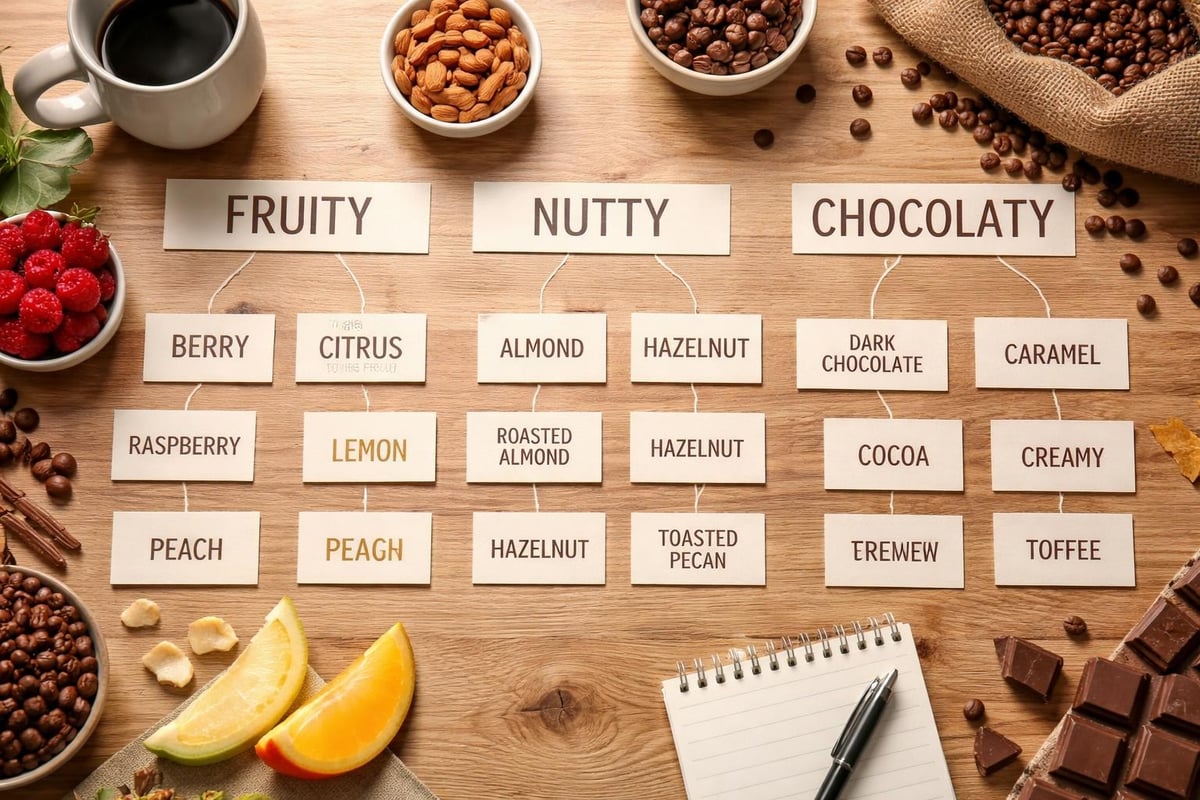
Geographic origin significantly impacts flavor profiles. Ethiopian beans often deliver bright, fruity notes with floral undertones. Colombian varieties typically present balanced acidity with chocolate and nut characteristics. Indonesian coffees frequently showcase earthy, full-bodied flavors with low acidity.
| Region | Typical Flavor Profile | Processing Method | Altitude Range |
|---|---|---|---|
| Ethiopia | Floral, fruity, wine-like | Washed, natural | 1,500-2,200m |
| Colombia | Balanced, chocolate, caramel | Washed | 1,200-2,000m |
| Kenya | Bright, berry, citrus | Washed | 1,400-2,000m |
| Brazil | Nutty, low acidity, sweet | Natural, pulped natural | 800-1,600m |
Understanding these regional characteristics enables better selection for different preparation methods and consumer preferences within common room environments.
The Grading System
Specialty coffee receives scores from certified Q Graders using the Specialty Coffee Association's 100-point scale. Beans scoring 80 points or higher earn specialty designation. The common room specialty coffee standard typically features beans scoring 84 points or above, ensuring exceptional quality.
Proper grading systems evaluate factors including aroma, flavor, aftertaste, acidity, body, balance, uniformity, cleanliness, and sweetness. This rigorous assessment guarantees consistency across batches.
Brewing Techniques for Optimal Extraction
Preparation method dramatically influences final cup quality. The common room specialty coffee experience typically offers multiple brewing options to accommodate different preferences and highlight specific bean characteristics.
Espresso-Based Preparations
Espresso serves as the foundation for many specialty coffee beverages. Proper extraction requires:
- Precise grinding: Fine, consistent particle size
- Accurate dosing: Typically 18-20 grams for double shots
- Controlled temperature: 195-205°F water temperature
- Optimal pressure: 9 bars of pressure maintained throughout extraction
- Timing precision: 25-30 second extraction window
These parameters ensure balanced extraction that showcases sweetness, acidity, and body without introducing bitterness or sourness.
Manual Brewing Methods
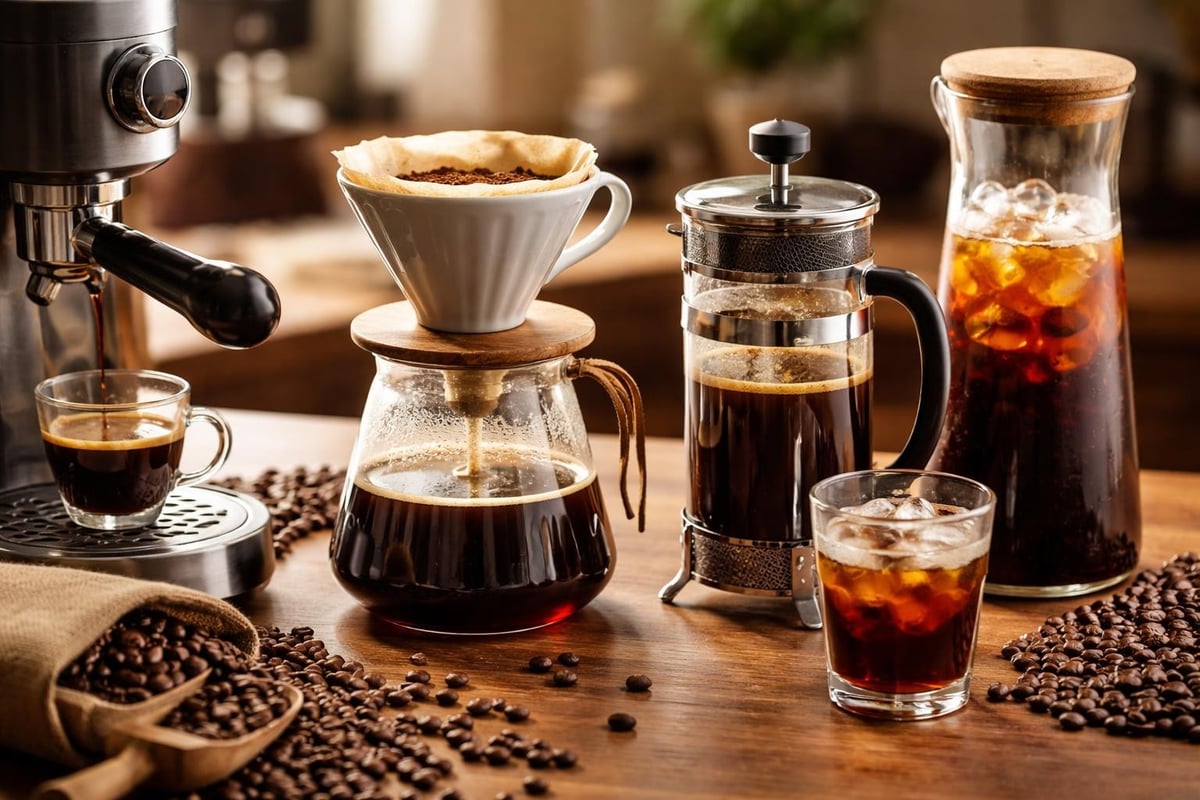
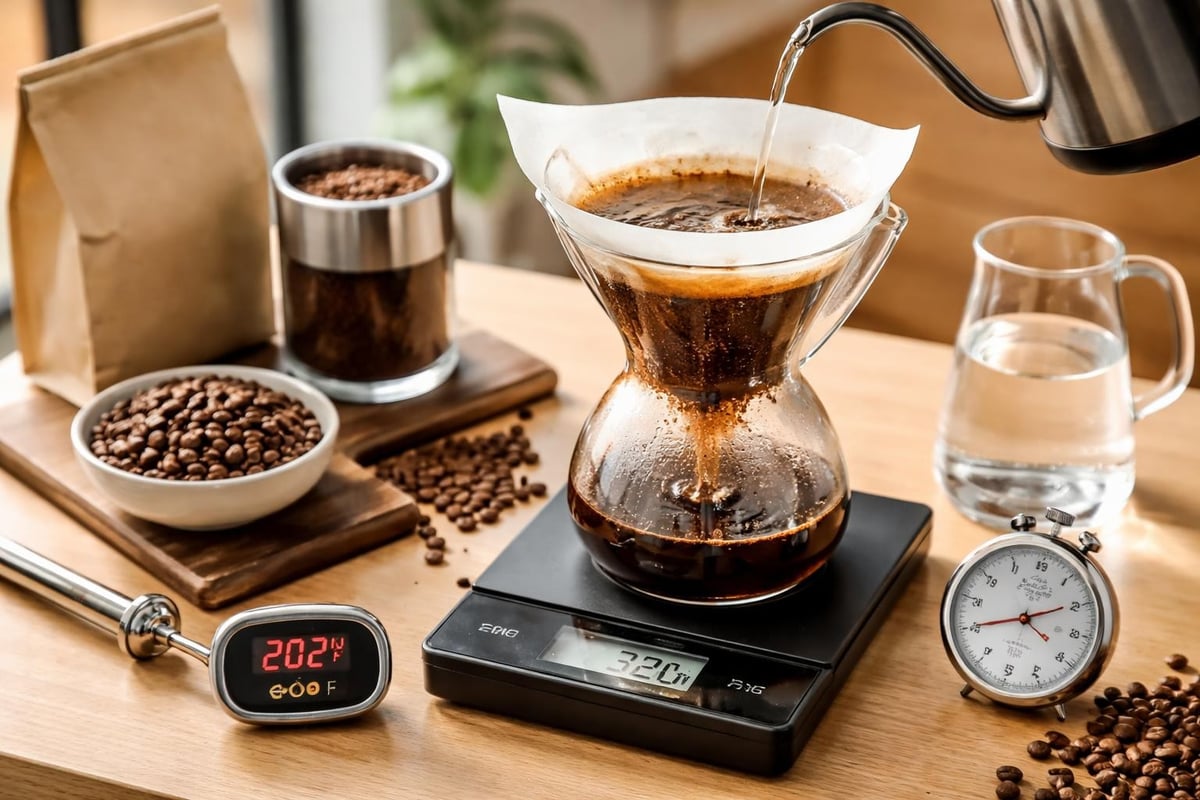
Pour-over techniques have gained prominence in common room settings. Methods like V60, Chemex, and Kalita Wave allow precise control over variables affecting extraction. Different brewing methods produce distinct flavor profiles from identical beans.
Pour-Over Best Practices:
- Medium-fine grind consistency
- 1:16 coffee-to-water ratio as baseline
- 200°F water temperature
- Controlled, circular pouring technique
- 3-4 minute total brew time
French press brewing emphasizes body and texture through immersion. This method works exceptionally well with medium-roast beans featuring chocolate or nut notes.
Creating the Ideal Environment
Physical space significantly impacts the common room specialty coffee experience. Successful environments balance aesthetic appeal with functional design that supports both social interaction and focused work.
Lighting plays a crucial role. Natural light creates inviting atmospheres while proper task lighting enables detailed work. Temperature control maintains comfort without interfering with coffee service requirements. Acoustic design manages noise levels, allowing conversation without overwhelming quieter patrons.
Equipment Investment
Professional setups require substantial initial investment but deliver consistent results:
| Equipment Type | Investment Range | Maintenance Needs | Expected Lifespan |
|---|---|---|---|
| Espresso Machine | $3,000-$15,000 | Daily cleaning, annual service | 7-10 years |
| Grinder (Espresso) | $800-$2,500 | Weekly deep clean, burr replacement | 5-8 years |
| Pour-Over Setup | $100-$500 | Minimal, replace filters | Indefinite |
| Batch Brewer | $1,500-$5,000 | Daily cleaning, descaling | 5-7 years |
Quality equipment ensures reproducibility, a critical factor for maintaining the common room specialty coffee standard across service periods.
Menu Development and Curation
Thoughtful menu design balances variety with focus. Offering too many options creates confusion and complicates inventory management. Strategic curation highlights different origins, processing methods, and roast levels without overwhelming customers.
Many successful common room programs feature:
- Two to three rotating single-origin offerings
- One signature house blend for consistency
- Seasonal specialty selections
- Decaffeinated option for inclusive access
- Cold brew alternatives for warm weather months
Descriptive menu language educates without intimidating. Clear tasting notes, origin information, and processing details empower informed choices while maintaining accessibility for specialty coffee newcomers.
Flavor Profile Communication
Effective communication bridges knowledge gaps between coffee professionals and diverse audiences. The common room specialty coffee approach uses relatable descriptors rather than technical jargon. Comparing flavors to familiar foods creates immediate understanding.
Instead of "bright acidity with stone fruit esters," try "lively and crisp with peach and apricot notes." This translation maintains accuracy while enhancing approachability, crucial for building broader appreciation.
Training and Knowledge Sharing
Staff expertise elevates the common room specialty coffee experience from good to exceptional. Comprehensive training programs cover technical skills, sensory development, and customer engagement strategies.
Effective training includes:
- Coffee fundamentals: Origin characteristics, processing methods, roasting impact
- Extraction science: Understanding variables affecting flavor development
- Equipment operation: Proper use and maintenance of all brewing tools
- Sensory skills: Developing palate through regular cupping sessions
- Customer service: Translating technical knowledge into accessible conversations
Regional trends indicate increasing consumer sophistication, making staff knowledge more valuable than ever. Customers appreciate informed recommendations based on their preferences rather than generic suggestions.
Building Coffee Literacy
Educational initiatives transform passive consumers into engaged enthusiasts. Regular cupping events, origin spotlights, and brewing demonstrations create deeper connections with the common room specialty coffee program. These activities build community while strengthening brand loyalty.
Digital resources supplement in-person education. QR codes linking to detailed origin information, brewing guides, and farmer stories extend learning beyond the physical space. This multi-channel approach meets consumers where they are in their specialty coffee journey.
Sustainability and Ethical Sourcing
The 2026 specialty coffee landscape prioritizes environmental and social responsibility. The common room specialty coffee model inherently supports these values through transparent sourcing and direct trade relationships.
Sustainability Pillars:
- Fair compensation: Prices well above commodity rates supporting farmer livelihoods
- Environmental stewardship: Organic practices, shade-growing, water conservation
- Community investment: Education programs, infrastructure development, healthcare access
- Traceability: Complete transparency from specific farms to final cup
Consumers increasingly factor these considerations into purchasing decisions. Exceptional brewing practices mean little without ethical foundations supporting the entire supply chain.
Adapting to Consumer Preferences
Flexibility distinguishes successful common room programs. While maintaining quality standards, operators must respond to evolving tastes and consumption patterns. Alternative milk options now represent majority orders in many markets. Plant-based alternatives require different steaming techniques and formulations to achieve proper texture.
The common room specialty coffee experience accommodates diverse dietary needs without compromising quality. Premium oat, almond, and soy milk options designed specifically for coffee service ensure consistent results across all beverage preparations.
Flavor preferences also shift seasonally. Lighter roasts highlighting bright, fruity characteristics gain popularity during warmer months. Fuller-bodied, chocolate-forward profiles tend toward increased demand in cooler seasons. Strategic menu rotation acknowledges these patterns while introducing customers to new origins and processing methods.
Technology Integration
Modern common room environments leverage technology to enhance rather than replace human expertise. Mobile ordering streamlines service during peak periods while maintaining personal connection at pickup. Detailed digital menus provide extensive information without cluttering physical spaces.
Inventory management systems track bean freshness, ensuring rotation before quality degradation. Automated alerts prevent stockouts while minimizing waste. Customer relationship management platforms enable personalized recommendations based on purchase history and stated preferences.
However, the art of specialty coffee remains fundamentally human. Technology supports but never replaces the skilled barista's ability to read customers, adjust techniques based on bean characteristics, and create memorable experiences through personal interaction.
Measuring Success and Continuous Improvement
Quantitative and qualitative metrics guide program refinement. Sales data reveals popular offerings and optimal pricing strategies. Customer feedback identifies service gaps and opportunities for enhancement. Waste tracking highlights overproduction or quality issues requiring attention.
Regular cupping sessions maintain quality standards and identify lot-to-lot variations. These formal evaluations ensure consistency while developing staff palates. Participation from team members at all levels builds collective ownership of the common room specialty coffee program.
Benchmarking against industry standards provides context for performance evaluation. While each environment possesses unique characteristics, understanding broader trends helps identify areas for growth and investment.
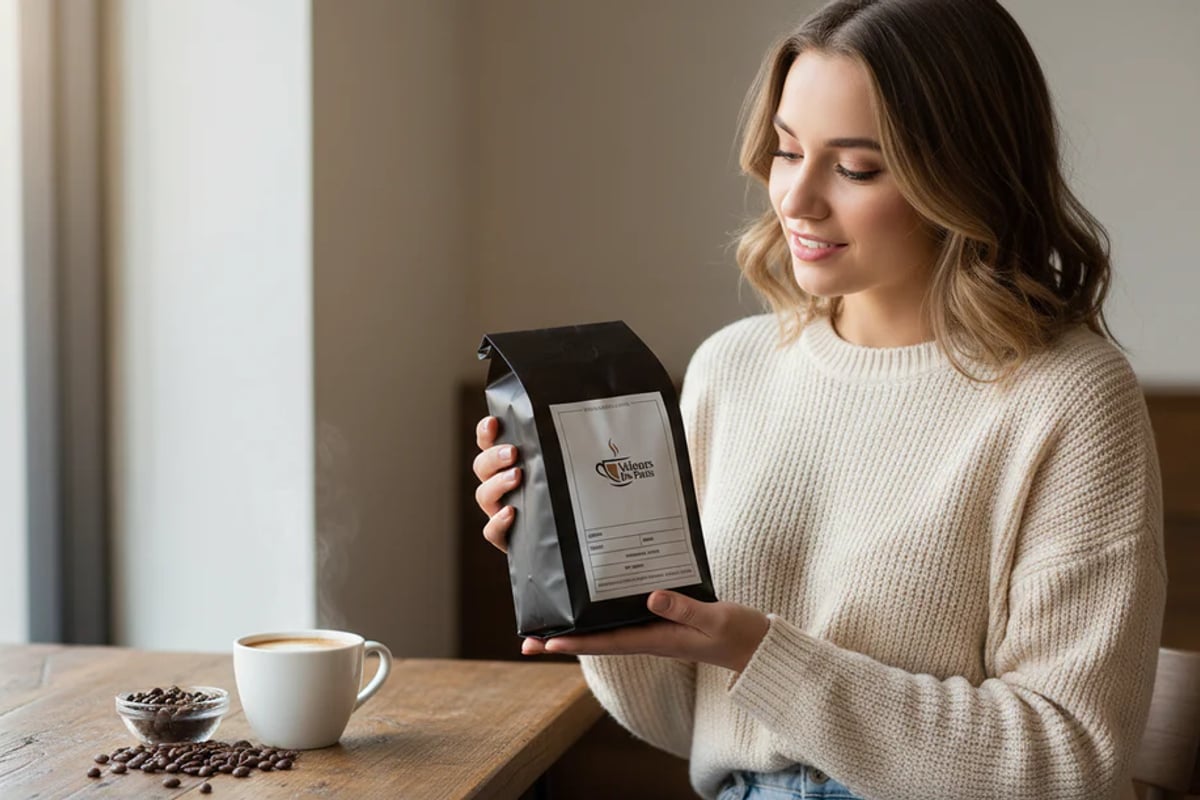
For coffee enthusiasts looking to bring this exceptional experience home, premium offerings make a significant difference. Those serious about elevating their daily ritual can Save 10% use code: WELCOME10 when exploring professionally roasted specialty coffee selections that meet the same rigorous standards found in the best common room environments.
The Economic Impact
The common room specialty coffee movement contributes substantially to local and global economies. Premium pricing supports higher wages throughout the supply chain, from farmers receiving fair compensation to skilled baristas earning professional salaries. This economic model proves that quality and sustainability coexist profitably.
Investment in specialty programs drives foot traffic to surrounding businesses. Common room environments become destination locations, attracting customers who spend additional time and money in adjacent retail, dining, and service establishments. This multiplier effect benefits entire commercial districts.
| Economic Factor | Traditional Coffee | Specialty Coffee | Percentage Difference |
|---|---|---|---|
| Farmer Income per Pound | $1.20-$1.80 | $3.50-$8.00 | +190-345% |
| Barista Average Wage | $12-$15/hour | $16-$22/hour | +33-47% |
| Average Transaction Value | $3.50-$4.50 | $5.50-$8.50 | +57-89% |
| Customer Dwell Time | 15-25 minutes | 45-90 minutes | +200-260% |
These figures demonstrate the broader value creation inherent in the common room specialty coffee approach.
Future Directions and Innovation
The rise of specialty coffee continues accelerating into 2026 and beyond. Emerging processing techniques like carbonic maceration and koji fermentation create unprecedented flavor profiles. Experimental varieties developed through selective breeding push sensory boundaries while maintaining agricultural viability.
Climate change necessitates adaptation strategies throughout the supply chain. Supporting research into heat-resistant varieties, sustainable farming practices, and alternative growing regions ensures long-term availability of high-quality beans. The common room specialty coffee model's emphasis on transparency positions it well to lead these critical conversations.
Technology will continue evolving service delivery without diminishing craftsmanship's importance. Automated brewing systems may handle routine preparations, freeing skilled baristas to focus on education, relationship building, and complex manual methods. This evolution enhances rather than threatens the human elements that make specialty coffee special.
Consumer education will deepen, creating more sophisticated audiences who appreciate subtle distinctions between processing methods, terroir expressions, and preparation techniques. This growing literacy supports premium pricing while expanding the market for exceptional coffee experiences.
The common room specialty coffee movement represents coffee culture's maturation, where quality, community, and consciousness converge. Understanding sourcing fundamentals, mastering brewing techniques, and creating welcoming environments enables anyone to participate in this evolution. Whether you're establishing a new program or enhancing an existing operation, these principles provide a foundation for excellence. Velours de Paris Coffee delivers the premium, small-batch roasted beans essential for creating exceptional common room experiences, with carefully sourced single origins and expertly crafted blends that meet the highest specialty coffee standards.