

Specialty Roasted Coffee: Quality, Craft & Flavor
The coffee industry has undergone a remarkable transformation over the past two decades, with specialty roasted coffee emerging as the gold standard for discerning consumers. Unlike commercial coffee that prioritizes volume and consistency, specialty coffee represents a commitment to exceptional quality at every stage, from careful sourcing to precise roasting techniques. This dedication to excellence has created a thriving market where flavor complexity, origin transparency, and sustainable practices define the modern coffee experience. Understanding what separates specialty roasted coffee from conventional options empowers consumers to make informed choices and appreciate the craftsmanship behind their daily cup.
What Defines Specialty Roasted Coffee
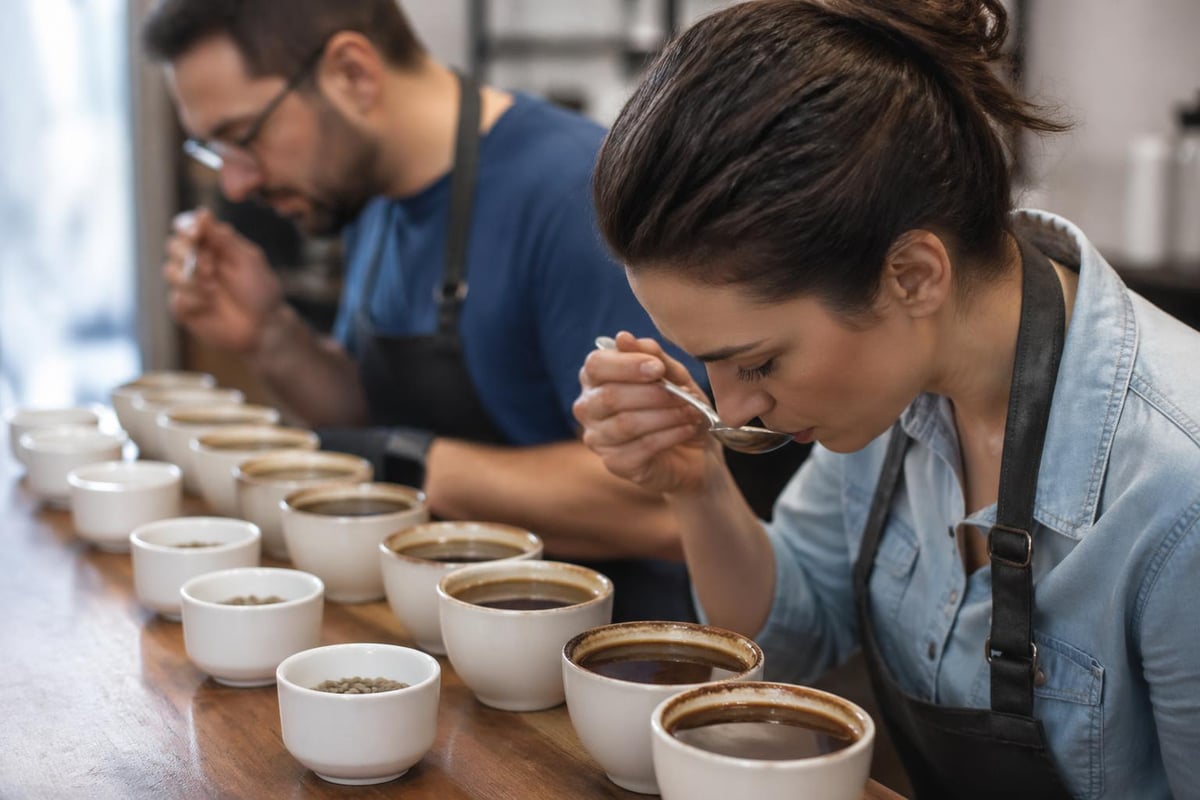
The Specialty Coffee Association establishes clear criteria for what qualifies as specialty grade. Coffee must score 80 points or higher on a 100-point scale during professional cupping evaluations. This scoring system assesses multiple attributes including aroma, flavor, aftertaste, acidity, body, balance, uniformity, and cleanliness.
Beyond numerical scores, specialty roasted coffee demands zero primary defects and no more than five secondary defects in a 350-gram sample. Primary defects include full black beans, full sour beans, dried cherry, fungus damage, and foreign matter. Secondary defects encompass partial black or sour beans, parchment, floaters, immature beans, withered beans, shells, broken or chipped beans, hull or husk, and slight insect damage.
The Science Behind Roasting Excellence
Coffee roasting transforms green beans through carefully controlled heat application. During roasting, the Maillard reaction and caramelization processes develop hundreds of aromatic compounds that create coffee's signature flavors. Temperature progression, airflow management, and timing precision separate exceptional roasting from mediocre results.
Professional roasters monitorbean temperature, environmental temperature, and rate of rise throughout the roasting cycle. First crack occurs around 385-400°F when beans expand and release moisture. Second crack happens at approximately 435-450°F as cellular structure breaks down further. Different roast levels unlock distinct flavor characteristics that highlight origin-specific qualities.
Key roasting variables include:
- Charge temperature (starting heat level)
- Development time ratio (time after first crack)
- Airflow adjustments throughout the roast
- Cooling speed and methodology
- Batch size relative to roaster capacity
Small-batch roasting allows greater control and consistency. Roasting 15-25 pounds at a time rather than hundreds enables precise adjustments and ensures each batch receives individualized attention. This approach preserves the nuanced characteristics that make specialty coffee exceptional.
Origin Selection and Bean Sourcing
Geographic origin profoundly influences coffee flavor profiles. Altitude, soil composition, climate patterns, and processing methods create distinctive taste signatures. Ethiopian coffees often display floral and fruity notes, while Colombian beans typically offer balanced acidity with caramel sweetness. Indonesian coffees frequently present earthy, full-bodied characteristics.
Direct trade relationships between roasters and farmers ensure quality control and fair compensation. These partnerships provide traceability, allowing consumers to know exactly where their coffee originated. Transparency builds trust and supports sustainable farming practices that protect both coffee-growing communities and environmental resources.
| Origin Region | Typical Flavor Profile | Common Processing | Harvest Season |
|---|---|---|---|
| Ethiopia | Floral, citrus, berry | Washed, natural | October-December |
| Colombia | Balanced, caramel, nutty | Washed | October-January |
| Costa Rica | Bright acidity, clean | Washed, honey | November-February |
| Sumatra | Earthy, herbal, full-bodied | Wet-hulled | May-November |
| Guatemala | Chocolate, spice, apple | Washed | December-March |
Single-origin offerings showcase specific terroir characteristics, while expertly crafted blends balance complementary flavors. A well-designed blend might combine Ethiopian brightness with Brazilian body and Colombian sweetness, creating complexity impossible from a single origin. Both approaches have merit when executed with quality beans and thoughtful roasting.
Roast Profiles and Flavor Development
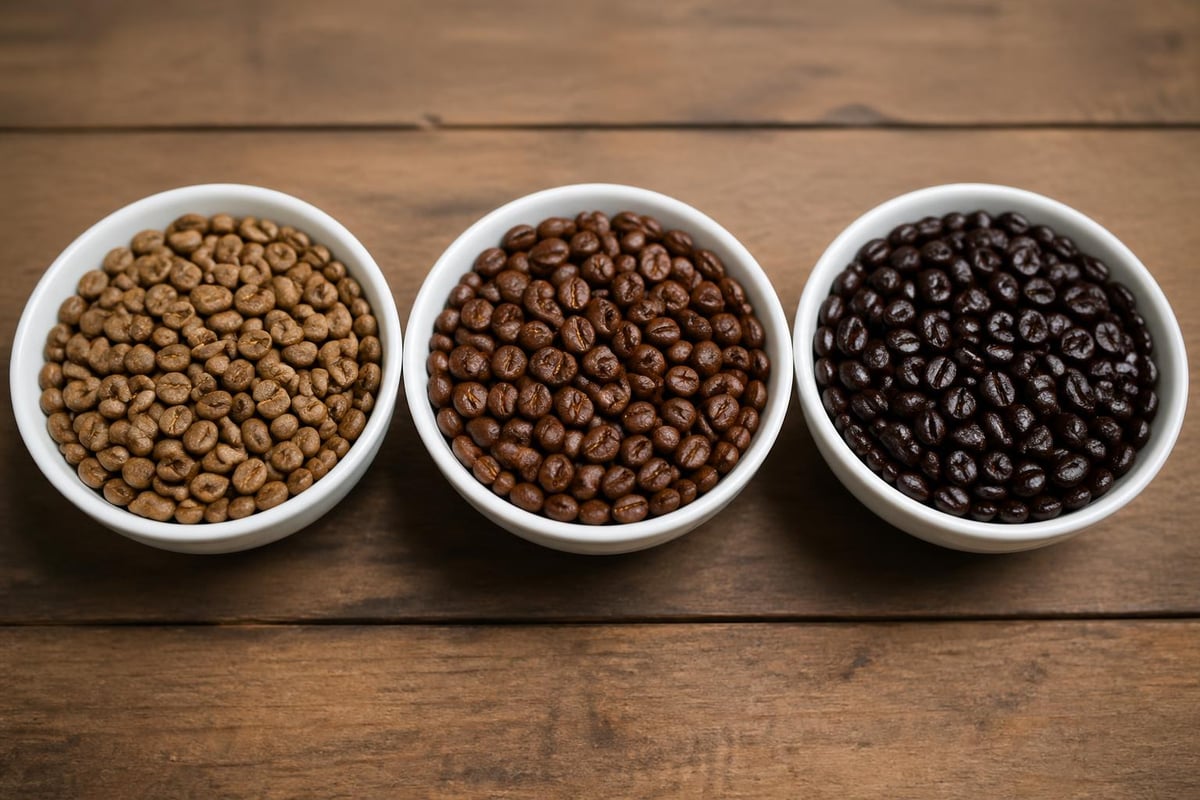
Light roasts preserve origin characteristics and acidity. Bean surface remains dry with no oil development. These roasts highlight delicate floral notes, fruit-forward flavors, and bright acidity. Light roasts work exceptionally well with pour-over and manual brewing methods that emphasize clarity.
Medium roasts achieve balance between origin characteristics and roast-developed flavors. Slight surface oil may appear. These versatile roasts offer broader appeal with balanced acidity, moderate body, and developed sweetness. Medium roasts perform well across multiple brewing methods from drip coffee makers to espresso machines.
Dark roasts emphasize roast-developed characteristics over origin qualities. Oily bean surface becomes pronounced. Flavors shift toward chocolate, caramel, and roasted notes with diminished acidity. While some specialty coffee enthusiasts prefer lighter roasts, properly executed dark roasts still maintain quality and avoid burnt bitterness.
Matching Roast Levels to Brewing Methods
Brewing method selection influences optimal roast level. Espresso typically benefits from medium to medium-dark roasts that provide sufficient body and sweetness under pressure extraction. Pour-over methods showcase light to medium roasts where clarity and complexity shine through longer extraction times.
Cold brew preparation pairs well with medium to dark roasts. Extended steeping times extract different compounds than hot brewing, and darker roasts provide the bold, smooth flavors cold brew enthusiasts appreciate. French press brewing suits medium to medium-dark roasts that complement the method's full immersion and body-forward characteristics.
Brewing method recommendations:
- Espresso: Medium to medium-dark roasts
- Pour-over (V60, Chemex): Light to medium roasts
- French press: Medium to medium-dark roasts
- Cold brew: Medium-dark to dark roasts
- Automatic drip: Medium roasts
- AeroPress: Light to medium roasts (adaptable)
For those exploring specialty options, Velours de Paris Coffee offers premium selections roasted in small batches to highlight each origin's unique characteristics. Save 10% use code: WELCOME10 when discovering their range of single origins, carefully crafted blends, and flavored varieties designed to deliver exceptional flavor and freshness.
Quality Control and Consistency Standards
Professional roasting operations implement rigorous quality protocols. Sample roasting precedes production batches, allowing roasters to establish optimal profiles before committing full quantities. Detailed logging tracks every parameter including time, temperature curves, ambient conditions, and sensory evaluations.
Cupping sessions provide objective quality assessment. Trained cuppers evaluate multiple samples using standardized protocols. Scores and tasting notes identify any defects, inconsistencies, or opportunities for profile refinement. Regular cupping maintains quality standards across production runs.
Proper storage protects roasted coffee quality. One-way degassing valves allow carbon dioxide release while preventing oxygen entry. Oxygen exposure causes staling through oxidation reactions that degrade aromatic compounds. Packaging dates inform consumers about freshness, with most specialty roasters recommending consumption within 2-4 weeks of roasting for optimal flavor.
The Economic and Sustainability Considerations
Specialty coffee market growth reflects changing consumer preferences toward quality and transparency. Consumers increasingly value traceability, sustainability, and ethical sourcing. This shift rewards producers who invest in quality improvement and environmentally responsible farming practices.
Premium pricing for specialty coffee supports farmer livelihoods. When consumers pay more for quality coffee, increased revenue reaches origin communities. This economic model incentivizes quality focus over volume production, creating positive feedback loops that benefit everyone in the supply chain.
Sustainable farming practices protect coffee-growing ecosystems. Shade-grown coffee preserves biodiversity and wildlife habitat. Water conservation techniques reduce environmental impact during processing. Organic certification eliminates synthetic pesticides and fertilizers. These practices ensure coffee production remains viable for future generations.
| Sustainability Practice | Environmental Benefit | Quality Impact |
|---|---|---|
| Shade growing | Biodiversity preservation | Complex flavor development |
| Organic farming | Soil health, water protection | Cleaner cup profile |
| Water recycling | Resource conservation | Processing consistency |
| Composting | Waste reduction, soil enrichment | Plant nutrition improvement |
| Direct trade | Economic sustainability | Quality incentivization |
Tasting and Evaluation Techniques
Developing coffee palate requires practice and attention. Professional cuppers train extensively to identify subtle flavor nuances, but anyone can improve their tasting abilities. Start by noting basic characteristics: is the coffee sweet, acidic, bitter, or balanced? Does it feel light, medium, or full-bodied?
Aroma evaluation occurs both dry and wet. Dry fragrance assessment happens when coffee is freshly ground. Wet aroma develops after hot water addition. These aromatic evaluations provide important clues about flavor potential and quality.
Systematic tasting approach:
- Observe visual appearance (bean color, uniformity)
- Assess dry fragrance (pre-brewing aroma)
- Evaluate wet aroma (post-brewing fragrance)
- Taste at multiple temperatures (flavors evolve as coffee cools)
- Note flavor descriptors (fruit, chocolate, floral, nutty)
- Assess acidity (brightness and type)
- Evaluate body (mouthfeel and weight)
- Consider aftertaste (finish quality and length)
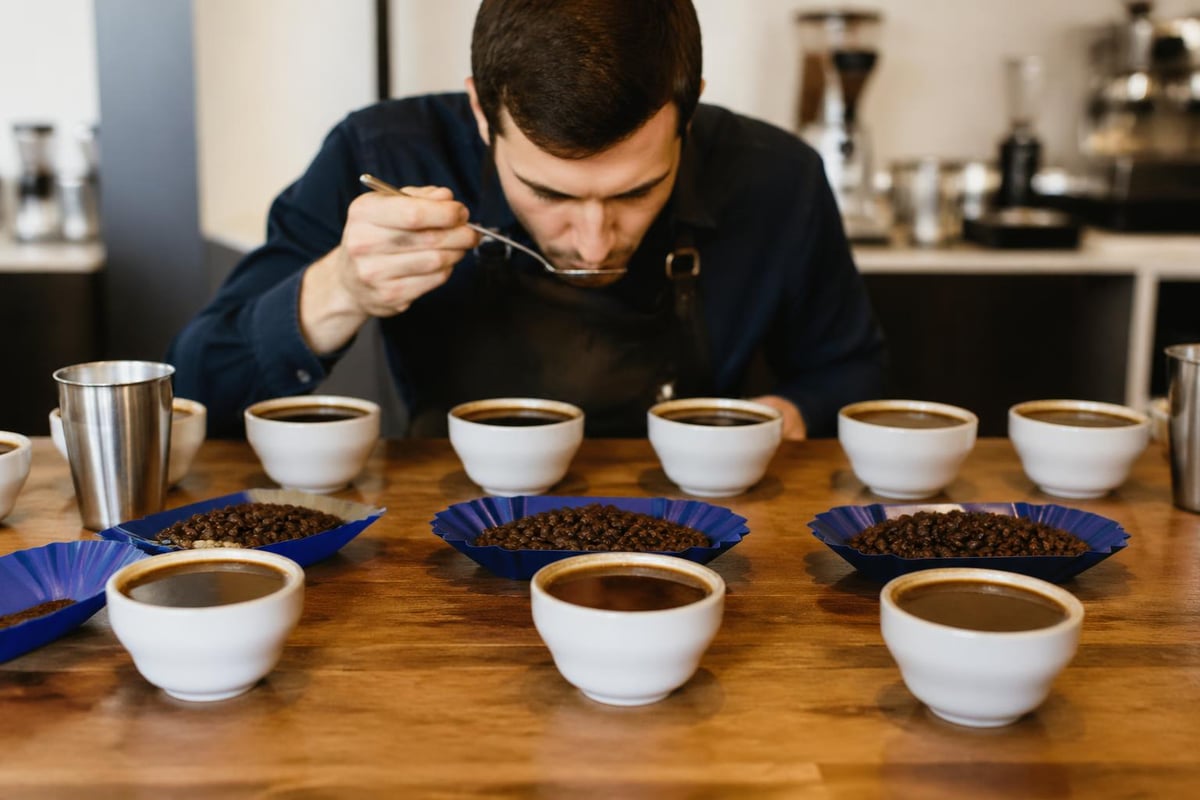
Comparative tasting accelerates learning. Brewing multiple coffees side-by-side highlights differences in origin, processing, and roast level. This direct comparison sharpens sensory perception and builds flavor vocabulary. Many specialty roasters offer tasting flights or sampler packs specifically for this purpose.
Processing Methods and Flavor Impact
Processing transforms coffee cherries into green beans ready for roasting. The method chosen significantly affects final cup characteristics. Washed processing removes fruit before drying, producing clean, bright coffees with pronounced acidity. Natural processing dries whole cherries, creating fruity, complex profiles with heavier body.
Honey processing represents a middle ground. Varying amounts of fruit mucilage remain during drying, creating diverse flavor possibilities. White honey removes most mucilage, yellow honey retains moderate amounts, red honey keeps substantial mucilage, and black honey preserves maximum fruit material. Each variation produces distinct sweetness levels and body characteristics.
Experimental processing methods push boundaries further. Anaerobic fermentation, carbonic maceration, and extended fermentation develop unique flavor profiles. These innovative approaches require careful monitoring to avoid defects while achieving desired characteristics. Successful experimental processing can produce extraordinary coffees that command premium prices.
Building Coffee Knowledge and Appreciation
The evolution of specialty coffee continues as industry professionals and passionate consumers drive innovation. Understanding fundamentals enables deeper appreciation for craftsmanship involved. Each cup of properly sourced, carefully roasted specialty coffee represents countless decisions and years of accumulated expertise.
Education resources abound for those seeking deeper knowledge. Many specialty roasters offer workshops, tastings, and educational content. Online communities provide forums for discussion and learning. Industry publications share research, techniques, and trends that shape specialty coffee's future.
Visiting specialty coffee shops and roasteries provides hands-on learning opportunities. Observing roasting operations, speaking with knowledgeable baristas, and tasting expertly prepared coffee accelerates understanding. Many establishments welcome questions and enjoy sharing their passion with curious customers. For premium beans delivered to your door, explore the selection at Velours de Paris Coffee.
Learning resources include:
- Roaster websites and educational content
- Specialty Coffee Association materials
- Coffee podcasts and video series
- Tasting events and cuppings
- Barista competitions and demonstrations
- Coffee literature and industry publications
Freshness and Optimal Consumption Windows
Roasted coffee peaks 7-14 days after roasting for most brewing methods. During this window, carbon dioxide degassing stabilizes while aromatic compounds remain vibrant. Espresso preparation often benefits from slightly longer rest periods, allowing 10-21 days for optimal extraction consistency.
Whole bean coffee maintains quality significantly longer than pre-ground. Grinding increases surface area exposed to oxygen, accelerating staling. Purchase whole beans and grind immediately before brewing for best results. Burr grinders provide consistent particle size crucial for proper extraction.
Storage conditions dramatically affect longevity. Keep coffee in airtight containers away from light, heat, and moisture. Contrary to popular belief, refrigeration or freezing generally degrades quality through condensation and odor absorption. Room temperature storage in proper containers offers best results for coffee consumed within recommended freshness windows.
Specialty Coffee at Home
Achieving café-quality results at home requires attention to fundamentals. Fresh, properly roasted specialty coffee provides the essential foundation. Quality water constitutes 98% of brewed coffee-use filtered water free from chlorine and excessive minerals. Proper grind size matched to brewing method ensures appropriate extraction.
Equipment investment need not be extensive initially. A reliable burr grinder, accurate scale, and quality brewer form the essential toolkit. Manual brewing methods like pour-over devices offer excellent control at modest cost. Espresso preparation requires more substantial investment but delivers unparalleled intensity and versatility.
Consistency breeds success. Measure coffee and water by weight rather than volume for reproducible results. Standard ratios range from 1:15 to 1:17 (coffee to water) depending on preference and brewing method. Track variables and outcomes to refine technique over time.
| Brewing Method | Coffee to Water Ratio | Grind Size | Brew Time |
|---|---|---|---|
| Pour-over | 1:16 | Medium-fine | 3-4 minutes |
| French press | 1:15 | Coarse | 4 minutes |
| Espresso | 1:2 | Fine | 25-30 seconds |
| Cold brew | 1:8 | Coarse | 12-24 hours |
| AeroPress | 1:16 | Fine-medium | 1-2 minutes |
Industry Innovation and Future Directions
Technology continues reshaping specialty coffee roasting. Precision roasting software provides unprecedented control and repeatability. Data logging enables analysis of thousands of roasts to identify optimal parameters. Some roasters employ artificial intelligence to predict ideal profiles based on green bean characteristics.
Research initiatives explore various aspects from plant genetics to post-harvest processing innovations. Scientific investigation supplements traditional knowledge, creating opportunities for quality improvement and sustainability advancement. Understanding coffee at molecular levels enables targeted interventions that enhance flavor while supporting producer communities.
Consumer education drives market sophistication. As more people understand quality indicators and value propositions, demand for transparent, ethically sourced specialty coffee grows. This awareness supports premium pricing structures that enable sustainable business models throughout the supply chain. The specialty coffee movement represents more than beverage preference-it embodies values around quality, sustainability, and equity.
Specialty roasted coffee represents the pinnacle of quality, craftsmanship, and flavor complexity in the coffee world. From meticulous sourcing and precise roasting to thoughtful brewing and proper storage, every step contributes to an exceptional cup. Whether you're exploring single origins, discovering carefully crafted blends, or enjoying flavored varieties, choosing specialty roasted coffee elevates your daily ritual. Discover how Velours de Paris Coffee brings together premium beans from the world's finest regions with small-batch roasting expertise to deliver exceptional flavor and freshness in every cup.