

Specialty Coffee Buy Online: Your Complete Guide 2026
The landscape of coffee purchasing has transformed dramatically over the past decade. What once required visits to local roasters or specialty shops now happens with a few clicks. When you specialty coffee buy online, you access a global marketplace of premium beans roasted by artisans who prioritize quality, sustainability, and exceptional flavor profiles. This shift has democratized access to world-class coffee while presenting new considerations for discerning buyers who want to ensure every bag meets their exacting standards.
Understanding Specialty Coffee Standards
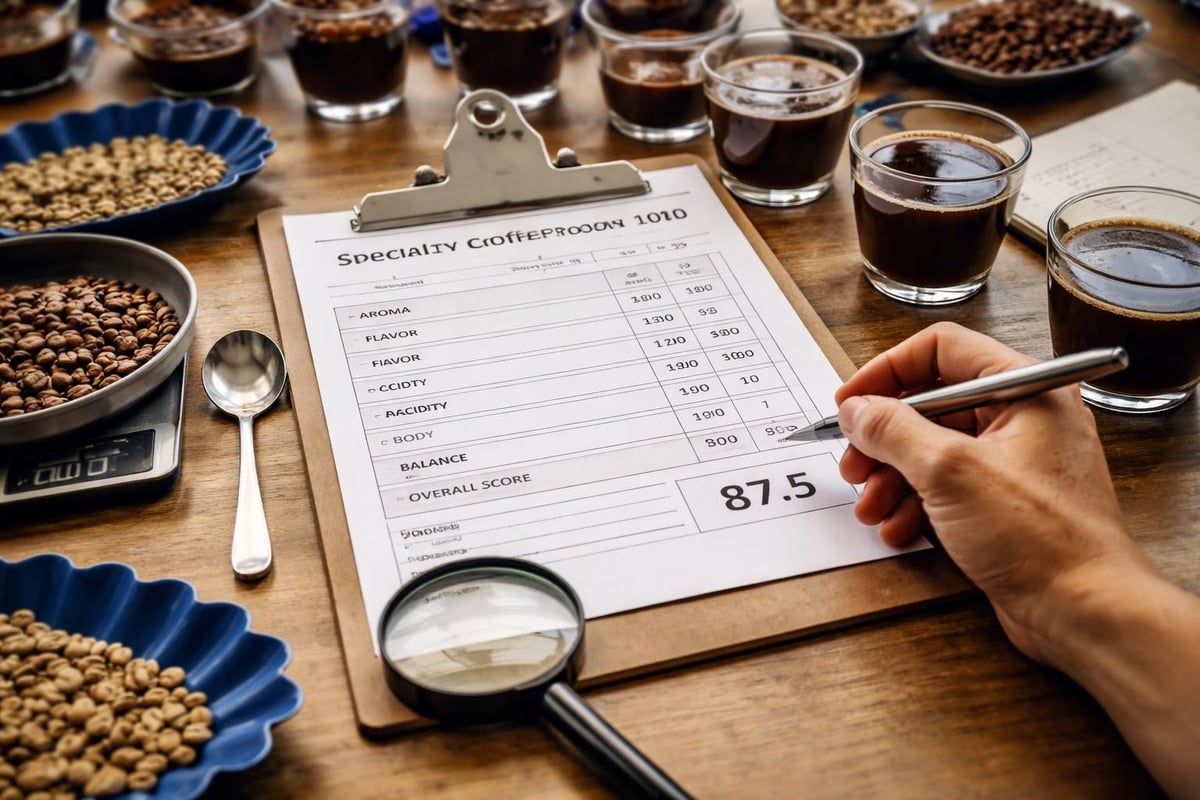
The Specialty Coffee Association defines specialty coffee as beans scoring 80 points or higher on a 100-point scale. This rigorous grading system evaluates factors including aroma, flavor, aftertaste, acidity, body, balance, and overall quality.
Key characteristics that define specialty grade beans:
- Grown at optimal altitudes between 3,000 and 6,000 feet
- Harvested at peak ripeness using selective picking methods
- Processed with meticulous attention to moisture content and drying
- Free from primary defects and containing minimal secondary defects
- Roasted within weeks of your purchase for maximum freshness
When you specialty coffee buy online, you're investing in beans that represent the top 10% of global production. These coffees showcase distinct terroir characteristics, reflecting the unique climate, soil composition, and cultivation practices of their origin regions.
The Economics of Direct Online Purchasing
Online specialty coffee purchases often provide better value than retail alternatives. Roasters who sell directly to consumers eliminate middleman markups, passing savings to customers while maintaining higher profit margins that support sustainable farming practices.
| Purchase Channel | Typical Price per Pound | Freshness Window | Selection Variety |
|---|---|---|---|
| Grocery Store | $12-18 | 3-12 months old | Limited (10-20 options) |
| Coffee Shop Retail | $16-24 | 2-8 weeks old | Moderate (15-30 options) |
| Online Direct | $14-22 | 3-14 days old | Extensive (50+ options) |
| Subscription Service | $15-20 | 1-7 days old | Curated (varies) |
The freshness advantage alone justifies the online approach. Most dedicated online roasters roast beans to order or maintain weekly roasting schedules that ensure you receive coffee at its peak flavor window.
Evaluating Roasters Before You Buy
Not all online specialty coffee vendors maintain equal standards. Before you specialty coffee buy online, assess potential roasters using these critical factors.
Transparency and Traceability
Premium roasters provide detailed information about each offering. Look for vendors who disclose:
- Specific farm or cooperative names
- Processing methods (washed, natural, honey, anaerobic)
- Harvest dates and elevation details
- Tasting notes backed by professional cupping sessions
- Relationship duration with coffee producers
This transparency indicates a roaster's commitment to quality and ethical sourcing practices. Companies that maintain long-term relationships with producers typically secure superior beans and contribute to farming community development.
Roasting Philosophy and Expertise
Artisanal roasters distinguish themselves through:
- Small-batch roasting that allows precise profile control
- Roast date clearly printed on every package
- Multiple roast levels tailored to bean characteristics
- Investment in professional-grade roasting equipment
- Certified Q-graders or experienced roasters on staff
The roasting date proves particularly crucial. Coffee reaches optimal flavor 3-10 days post-roast and maintains excellent quality for 2-4 weeks when properly stored. Any roaster unwilling to provide roast dates likely works with older inventory.
Selecting the Right Coffee for Your Preferences
The variety available when you specialty coffee buy online can overwhelm newcomers. Systematic evaluation helps narrow options to coffees that match your taste preferences.
Origin Profiles and Flavor Characteristics
Different growing regions produce distinctive flavor profiles shaped by varietal selection, altitude, climate, and soil composition.
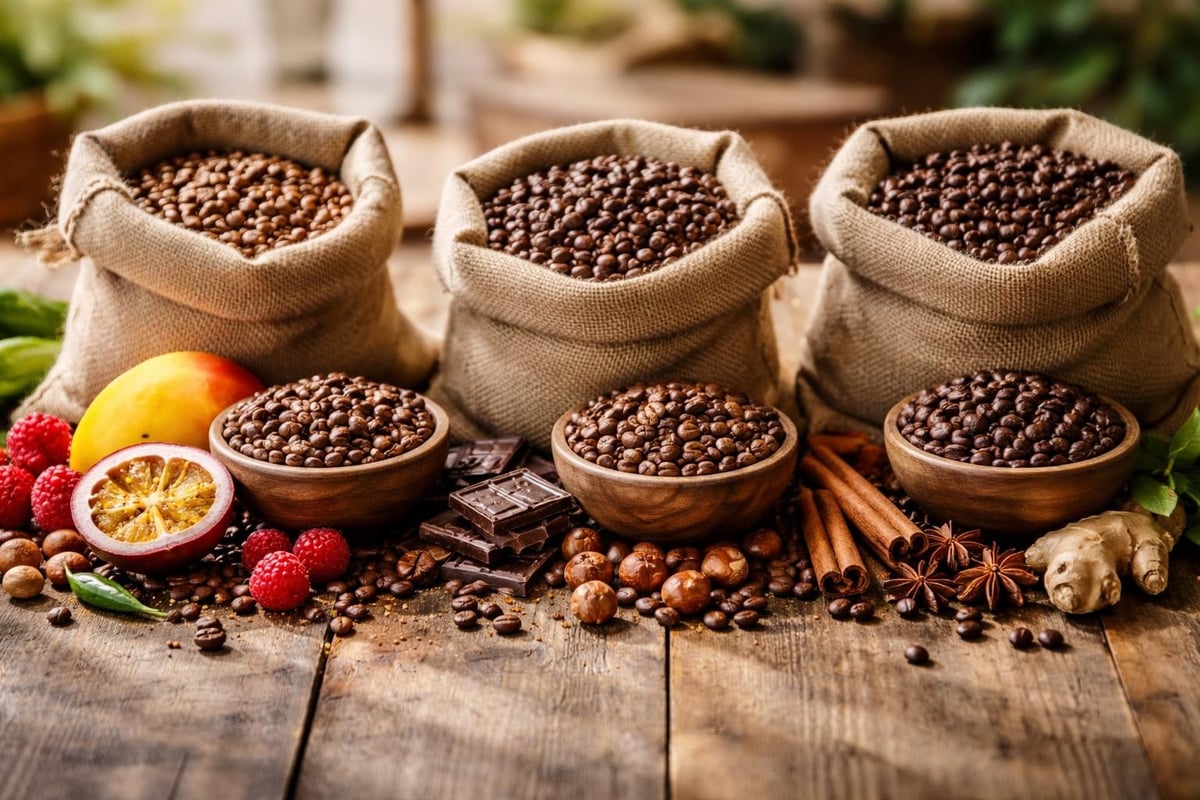
African coffees from Ethiopia, Kenya, and Rwanda typically exhibit bright acidity with fruity, floral, and wine-like characteristics. Ethiopian Yirgacheffe offers bergamot and blueberry notes, while Kenyan beans present blackcurrant and citrus complexity.
Latin American coffees from Colombia, Guatemala, and Costa Rica generally feature balanced profiles with chocolate, nut, and caramel notes. These approachable flavors make them excellent daily drinkers and espresso bases.
Asian and Pacific coffees from Sumatra, Java, and Papua New Guinea tend toward earthy, herbal, and full-bodied profiles with lower acidity. These work exceptionally well in darker roasts and French press preparations.
Processing Methods Impact
The post-harvest processing method significantly influences final cup characteristics, even within the same origin.
- Washed (wet) processing produces clean, bright coffees that clearly express origin characteristics
- Natural (dry) processing creates fruit-forward, complex flavors with heavier body
- Honey processing offers middle-ground sweetness with moderate fruit notes
- Anaerobic fermentation develops unique, experimental profiles with enhanced complexity
Exploring different processing methods within familiar origins helps expand your palate and appreciation for specialty coffee's diversity.
Optimizing Your Online Purchase Experience
Strategic purchasing decisions maximize value and ensure consistent quality when you specialty coffee buy online.
Quantity and Storage Considerations
Recommended purchase quantities based on consumption:
- Light users (1-2 cups daily): 8-12 oz bags, purchased bi-weekly
- Moderate users (3-4 cups daily): 1-pound bags, purchased weekly
- Heavy users (5+ cups daily): 2-pound bags or subscriptions with weekly delivery
- Multiple brewing methods: Variety packs or samples to match different preparations
Whole beans maintain peak freshness for 2-4 weeks post-roast when stored properly in airtight, opaque containers away from heat and light. Purchase amounts you'll consume within this window to experience coffee at its best.
Subscription Services vs. One-Time Orders
Subscription models offer convenience and discovery opportunities but require careful evaluation.
| Subscription Type | Best For | Considerations |
|---|---|---|
| Fixed Selection | Loyalty to specific blends | Less variety, predictable costs |
| Curated Rotation | Exploration and discovery | Variable profiles, surprise element |
| Customizable | Specific preferences with convenience | Requires profile setup, more control |
| Sample/Discovery | Beginners building preferences | Smaller quantities, higher per-ounce cost |
Many roasters offer flexibility to pause, skip, or modify subscriptions, reducing commitment concerns. First-time buyers benefit from single-bag purchases to evaluate quality before subscribing. For those just starting their specialty coffee journey, exploring sample packs provides an affordable way to discover preferred origins and roast levels without committing to full-size bags.
Shipping and Packaging Standards
Premium online roasters understand that proper packaging preserves coffee quality during transit.
- Valve-sealed bags allow CO2 release while preventing oxygen entry
- Opaque packaging protects beans from light degradation
- Nitrogen flushing removes oxygen before sealing for extended freshness
- Reinforced mailers prevent crushing during shipping
Standard shipping typically suffices for coffee, as beans maintain quality for several days in transit. Expedited shipping provides minimal benefit unless ordering during extreme weather conditions.
Brewing Considerations for Online Purchases
Different brewing methods highlight specific coffee characteristics. Matching bean selection to preparation method enhances your experience when you specialty coffee buy online.
Grind Timing and Particle Size
Always purchase whole beans and grind immediately before brewing. Pre-ground coffee loses aromatic compounds within minutes of grinding, dramatically reducing flavor complexity.
Appropriate grind sizes by method:
- Espresso: Extra fine, 20-second extraction target
- Moka pot: Fine, similar to table salt
- Pour-over: Medium-fine, resembling sand
- Drip machine: Medium, like kosher salt
- French press: Coarse, resembling sea salt
- Cold brew: Extra coarse, like cracked peppercorns
Many online roasters offer grinding services, but this convenience sacrifices significant flavor quality. Investing in a quality burr grinder pays dividends in cup quality.
Water Quality and Ratio Precision
Specialty coffee's nuanced flavors require proper extraction conditions. Water comprises 98% of your final cup, making quality crucial.
Ideal water parameters:
- Total dissolved solids: 75-150 ppm
- Calcium hardness: 50-100 ppm
- pH level: 6.5-7.5
- Chlorine: None (filtered or naturally chlorine-free)
Use a 1:15 to 1:17 coffee-to-water ratio as a starting point, adjusting based on desired strength and specific bean characteristics. Lighter roasts often benefit from slightly higher temperatures (200-205°F), while darker roasts extract well at 195-200°F.
Evaluating Quality After Purchase
Assessing coffee quality helps refine future purchasing decisions and ensures you receive the premium product you paid for.
Sensory Evaluation Framework
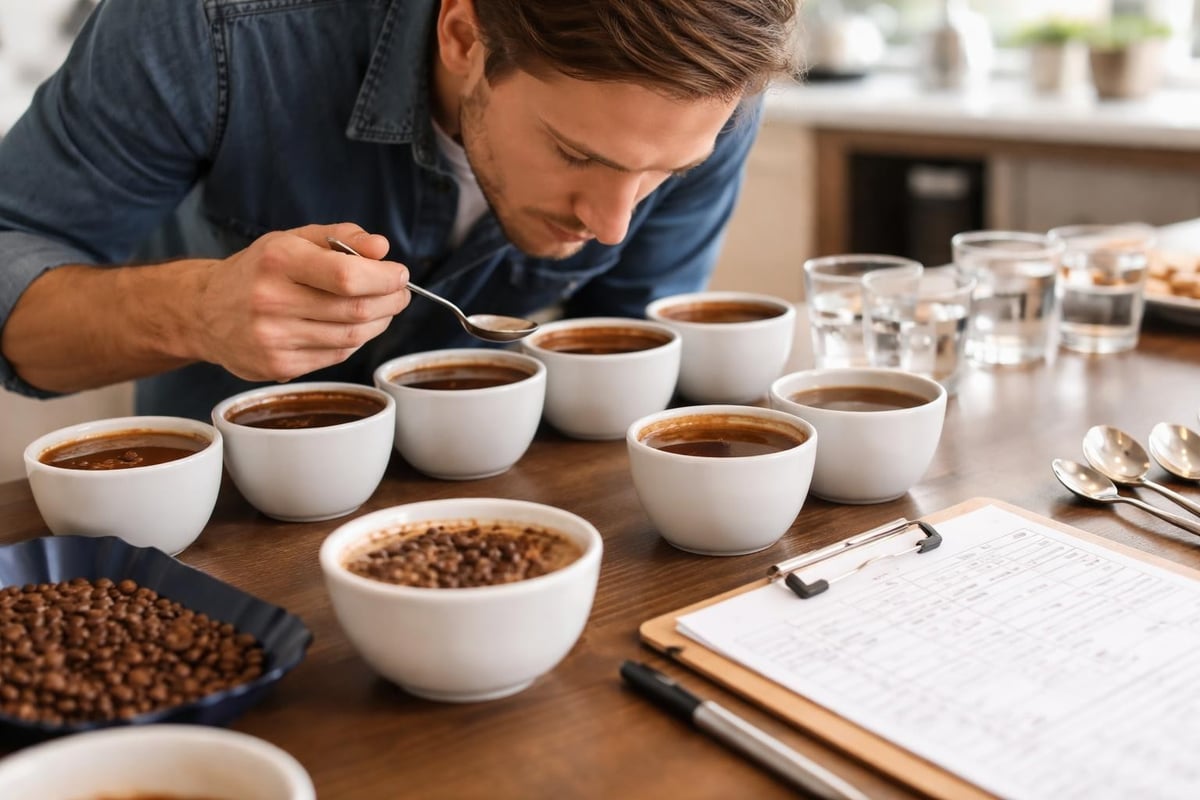
Professional cupping protocols provide systematic quality assessment, but simplified home evaluation works effectively.
Four-step tasting process:
- Dry aroma evaluation: Smell freshly ground coffee, noting complexity and intensity
- Wet aroma assessment: Inhale steam rising from brewing coffee, identifying specific notes
- Flavor analysis: Sip coffee at multiple temperatures, tracking evolution from hot to warm to cool
- Aftertaste observation: Note flavors lingering 10-30 seconds after swallowing
Quality specialty coffee reveals new characteristics as it cools, maintaining pleasant flavors throughout the temperature range. Inferior coffee often develops harsh, bitter, or flat notes as temperature drops.
Freshness Indicators
Several physical characteristics indicate proper freshness when you specialty coffee buy online.
- CO2 release: Fresh beans produce noticeable gas when grinding and blooming
- Oil presence: Light to medium roasts should appear dry; some oil acceptable on dark roasts
- Aroma intensity: Vibrant, complex scents indicate fresh beans
- Bean appearance: Uniform color without excessive oil or dull surface
Stale coffee presents muted aromas, minimal bloom during brewing, and flat, one-dimensional flavors. If beans consistently underperform, communicate with the roaster. Reputable vendors stand behind their products and address quality concerns professionally.
Building Relationships with Online Roasters
Establishing connections with specialty roasters enhances your purchasing experience and access to exclusive offerings.
Communication and Customer Service
Premium roasters view customers as partners in their mission to deliver exceptional coffee. Engage with vendors through:
- Email correspondence asking detailed coffee questions
- Social media interaction commenting on new releases
- Review submissions providing constructive feedback
- Direct phone conversations with roasting teams
This dialogue helps roasters understand your preferences while educating you about coffee nuances. Many small-batch roasters remember regular customers and provide personalized recommendations or early access to limited releases.
Exploring Diverse Roaster Relationships
While loyalty to favorite roasters makes sense, maintaining relationships with 2-3 vendors prevents palate fatigue and exposes you to different sourcing networks and roasting philosophies.
Benefits of multi-roaster approach:
- Access to broader origin diversity
- Exposure to different roasting styles and philosophies
- Backup options during supply interruptions
- Comparative tasting opportunities for skill development
- Support for multiple small businesses
Rotating between single origin coffees and coffee blends from different roasters builds appreciation for the craft while preventing taste monotony.
Sustainability and Ethical Considerations
Specialty coffee purchases carry ethical implications that conscious consumers increasingly prioritize when they specialty coffee buy online.
Certification Systems and Their Meanings
Various certifications indicate different sustainability and social responsibility standards.
| Certification | Primary Focus | Verification Rigor |
|---|---|---|
| Fair Trade | Minimum price guarantees, community development | Third-party audited |
| Rainforest Alliance | Environmental protection, worker welfare | Third-party audited |
| Organic | Chemical-free farming practices | Government certified |
| Bird Friendly | Shade-grown, habitat preservation | Smithsonian verified |
| Direct Trade | Roaster-farmer relationships, premium prices | Self-reported |
While certifications provide useful frameworks, many exceptional specialty roasters operate outside formal certification systems, instead maintaining direct relationships that exceed certification standards. Transparency in sourcing often proves more meaningful than certification labels alone.
Carbon Footprint Considerations
Online coffee purchases involve shipping emissions that environmentally conscious buyers consider. However, direct-to-consumer shipping often proves more efficient than traditional retail distribution chains involving multiple transportation stages.
Strategies to minimize environmental impact:
- Purchase larger quantities less frequently to reduce shipping frequency
- Choose roasters using carbon-neutral shipping options
- Select closer geographic roasters when quality remains equivalent
- Properly recycle or compost coffee packaging materials
- Support roasters investing in sustainable operations and renewable energy
Many specialty roasters actively work to reduce their environmental footprint through renewable energy adoption, efficient roasting technology, and sustainable packaging innovations.
Advanced Purchasing Strategies
Experienced specialty coffee buyers employ sophisticated approaches to maximize quality and value when they specialty coffee buy online.
Seasonal Buying and Crop Timing
Coffee harvests follow seasonal patterns based on hemisphere and specific region climate patterns. Purchasing coffees shortly after harvest ensures maximum freshness from farm to cup.
General harvest windows:
- Central America: November through March
- South America: April through September
- East Africa: October through December (main crop)
- West Africa: October through February
- Indonesia: May through September
Knowledgeable buyers track these patterns and purchase specific origins during their fresh crop windows, often securing superior lots before wider distribution.
Limited Edition and Micro-Lot Opportunities
Exceptional coffees from specific farm sections or processing experiments appear in small quantities. These limited releases offer unique tasting experiences unavailable through mainstream channels.
Premium online roasters announce special releases through email lists and social media. Subscribing to notifications from favorite roasters ensures access to these exclusive offerings. While prices exceed standard specialty coffee, micro-lots provide unparalleled quality and support innovation in coffee cultivation and processing.
Equipment Pairing for Optimal Results
The brewing equipment you use significantly impacts how you experience coffees purchased online. Matching beans to appropriate brewing methods maximizes their potential.
Method-Specific Bean Selection
Different brewing approaches highlight specific coffee characteristics. Strategic pairing enhances satisfaction when you specialty coffee buy online.
Espresso preparation requires beans with sufficient body and sweetness to withstand pressure extraction. Medium to medium-dark roasts from Latin American origins or carefully developed blends work exceptionally well. African espresso blends offer bright, complex shots for those who appreciate fruit-forward profiles.
Pour-over methods showcase clarity and complexity, making them ideal for light to medium roasts from Ethiopia, Kenya, or Central America. These preparations highlight floral and fruit notes that develop through precise extraction control.
French press brewing suits fuller-bodied coffees with chocolate and nut characteristics. Indonesian coffees and medium-dark roasts thrive in immersion brewing, developing rich, syrupy cups with pronounced body.
Cold brew demands coarse grinds and extended steeping times that favor low-acid, smooth profiles. The cold brew coffee selections from specialized roasters often feature blends optimized for this increasingly popular preparation method.
Purchasing specialty coffee online opens a world of premium beans, artisanal roasting, and exceptional flavors previously available only to industry insiders or those living near specialized roasteries. By understanding quality indicators, selecting appropriate origins for your preferences, and establishing relationships with transparent roasters, you ensure every cup delivers the complexity and satisfaction that defines true specialty coffee. Velours de Paris Coffee brings this expertise directly to your door with small-batch roasted beans sourced from the world's finest regions, offering single origins, carefully crafted blends, and distinctive flavored coffees that transform your daily coffee ritual into an extraordinary experience.