

Building a Successful Speciality Coffee Company in 2026
The coffee industry has undergone a remarkable transformation over the past decade, with discerning consumers increasingly seeking out premium, ethically sourced, and expertly crafted coffee experiences. Operating a speciality coffee company in 2026 requires more than just passion for coffee; it demands a comprehensive understanding of sourcing, roasting, quality control, customer engagement, and market positioning. According to recent market research, the specialty coffee market continues to expand rapidly, driven by evolving consumer preferences and a growing appreciation for coffee as a craft beverage rather than a commodity.
Understanding the Speciality Coffee Market Landscape
The specialty coffee sector has reached unprecedented heights in 2026, with consumption levels hitting a 13-year high. This surge reflects fundamental shifts in consumer behavior, including increased sophistication in taste preferences, heightened awareness of sustainability issues, and a willingness to pay premium prices for exceptional quality.
Market Drivers and Consumer Trends
Several key factors are propelling the specialty coffee industry forward. Quality consciousness has become paramount, with customers seeking transparency about origin, processing methods, and roasting dates. Sustainability and ethics now influence purchasing decisions significantly, as consumers demand fair trade practices and environmentally responsible sourcing.
The specialty coffee shops market is projected to grow by USD 50.8 billion between 2025 and 2029, demonstrating robust market expansion. This growth creates opportunities for new entrants while intensifying competition among established players.
Competitive Differentiation Strategies
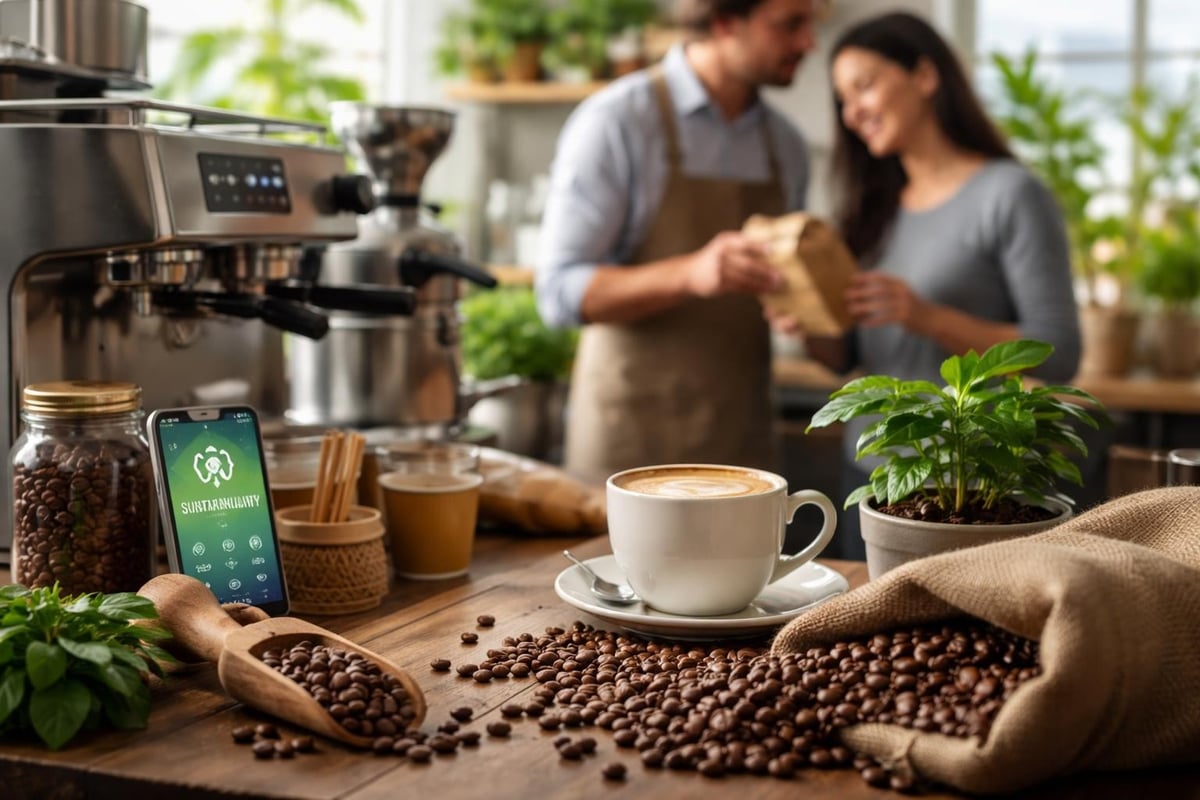
A successful speciality coffee company must carve out a distinct position in an increasingly crowded marketplace. Differentiation can be achieved through:
- Unique sourcing relationships with specific farms or regions
- Distinctive roasting profiles that highlight terroir characteristics
- Innovative product offerings like seasonal blends or experimental processing methods
- Superior customer education about coffee origins and brewing techniques
- Consistent quality control that builds customer trust
The challenge lies in maintaining authenticity while scaling operations. Many specialty coffee businesses struggle with balancing growth aspirations against the artisanal values that initially attracted their customer base.
Sourcing Premium Coffee Beans
The foundation of any speciality coffee company rests on securing exceptional raw materials. Bean sourcing involves complex relationships, rigorous quality assessment, and commitment to ethical practices that extend throughout the supply chain.
Direct Trade Relationships
Establishing direct relationships with coffee farmers provides multiple advantages. Price stability benefits both producers and roasters by eliminating middlemen and reducing price volatility. Quality control improves dramatically when roasters can communicate specific requirements and provide feedback directly to growers.
Direct trade also enables storytelling that resonates with consumers. Customers increasingly want to know the people and places behind their coffee, creating emotional connections that justify premium pricing and foster brand loyalty.
| Sourcing Method | Pros | Cons |
|---|---|---|
| Direct Trade | Quality control, relationship building, storytelling | Requires travel, relationship management, volume limitations |
| Importers/Brokers | Convenience, variety, established logistics | Less control, potential quality variability, weaker storytelling |
| Cooperatives | Ethical assurance, consistency, social impact | Limited customization, potential quality variation |
Regional Characteristics and Selection
Different coffee-growing regions produce beans with distinct flavor profiles. Understanding these characteristics helps a speciality coffee company curate an appealing product range:
Latin American coffees typically offer balanced acidity, chocolate notes, and nutty undertones. African coffees are known for bright acidity, fruit-forward flavors, and floral aromatics. Asian coffees often present earthy, herbal qualities with fuller body and lower acidity.
A well-rounded coffee collection should represent diverse regions while maintaining consistent quality standards across all offerings.
Roasting Excellence and Profile Development
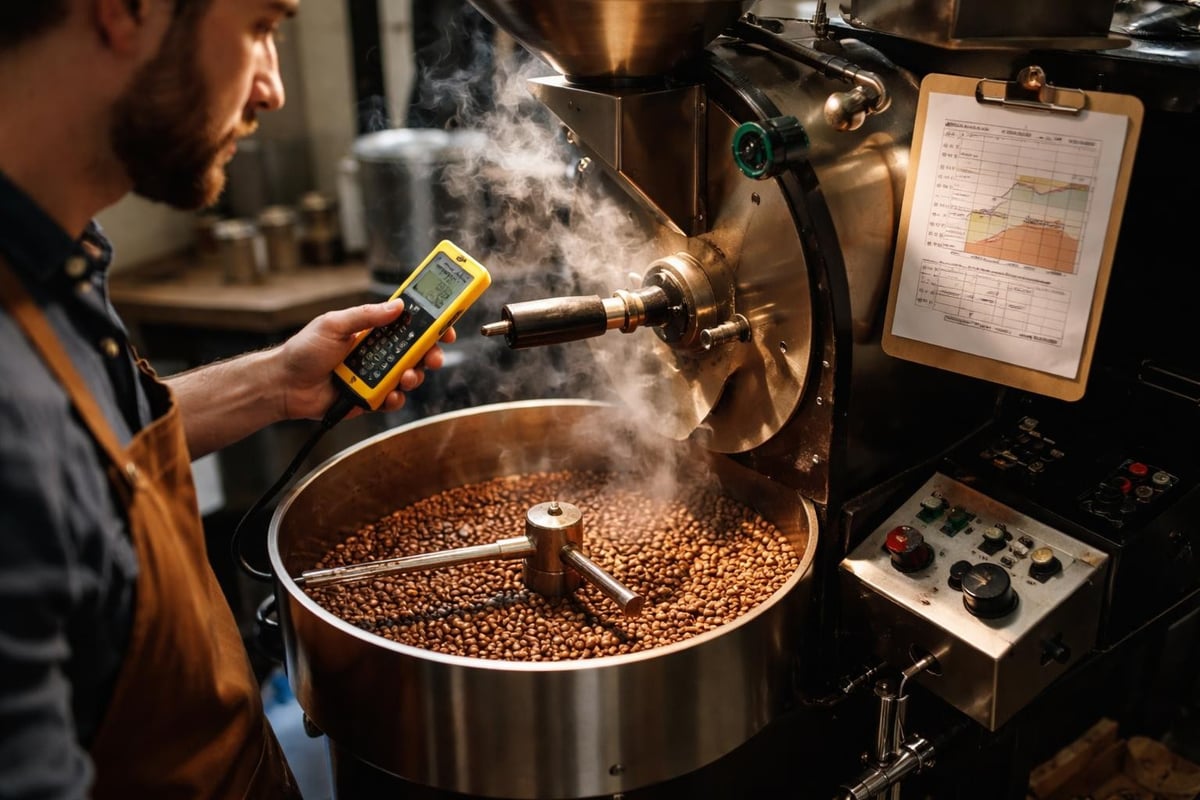
Roasting transforms green coffee beans into the aromatic, flavorful product customers love. This process requires technical expertise, sensory skills, and artistic judgment to unlock each coffee's potential.
Small Batch Roasting Advantages
Small batch roasting has become synonymous with specialty coffee quality. This approach offers several critical benefits:
- Temperature precision allows roasters to make real-time adjustments during the roasting process
- Batch consistency improves as roasters develop intimate familiarity with their equipment
- Freshness optimization enables roasting closer to delivery dates, preserving peak flavor
- Flexibility permits experimentation with different profiles for the same origin
The speciality coffee company that masters small batch roasting can deliver superior freshness and flavor complexity that large commercial roasters cannot match.
Profile Development Methodology
Developing roast profiles requires systematic experimentation and sensory evaluation. Roasters must consider bean density, moisture content, processing method, and desired flavor outcome when designing profiles.
Light roasts preserve origin characteristics and acidity, appealing to customers who appreciate nuanced flavors. Medium roasts balance origin character with roast-developed sweetness, offering broader appeal. Dark roasts emphasize body and caramelization, though they may obscure origin distinctions.
A diverse product line should include multiple roast levels, allowing customers to explore different expressions of quality coffee. Many successful specialty coffee businesses offer the same origin at different roast levels, educating customers about how roasting impacts flavor.
Product Development and Portfolio Strategy
Strategic product development differentiates a speciality coffee company from competitors while meeting diverse customer preferences. The portfolio should balance core offerings with seasonal innovations.
Core Product Categories
Building a strong foundation requires essential product categories:
- Single origin coffees showcase specific regions or farms, appealing to coffee enthusiasts seeking terroir expression
- Coffee blends provide consistency and complexity through complementary bean combinations
- Flavored coffees attract customers seeking variety and accessible flavor profiles
- Decaf options serve health-conscious consumers without compromising quality
Each category serves specific customer segments while contributing to overall brand perception and revenue generation.
Innovation and Limited Releases
Seasonal offerings and experimental products generate excitement and encourage repeat purchases. Limited releases create urgency while allowing the speciality coffee company to test new concepts without overcommitting resources.
Successful innovation strategies include collaboration with specific farms on unique processing methods, seasonal blends highlighting harvest cycles, and experimental roast profiles for adventurous customers. These initiatives keep the brand dynamic and demonstrate ongoing commitment to coffee excellence.
For customers just beginning their specialty coffee journey, introductory offers can lower the barrier to trial. Save 10% use code: WELCOME10 when exploring premium coffee options, making it easier to experience the difference that quality beans and expert roasting deliver.
Quality Control and Consistency
Maintaining consistent quality across batches represents one of the greatest challenges for any speciality coffee company. Rigorous quality control systems protect brand reputation and ensure customer satisfaction.
Cupping and Sensory Evaluation
Regular cupping sessions serve as the foundation of quality assurance. Trained cuppers evaluate green coffee samples before purchase, assess roast development during production, and verify finished product quality before packaging.
| Quality Checkpoint | Evaluation Criteria | Frequency |
|---|---|---|
| Green Bean Selection | Defect count, moisture content, density | Pre-purchase |
| Roast Development | Color analysis, crack timing, aroma development | Every batch |
| Finished Product | Flavor profile, body, acidity, aftertaste | Daily sampling |
| Packaging Integrity | Valve function, seal quality, label accuracy | Continuous |
Systematic quality control requires investment in equipment, training, and protocols, but it prevents costly errors and protects customer relationships.
Freshness Management
Coffee quality degrades over time, making freshness management essential. The speciality coffee company must implement systems that minimize time between roasting and consumption:
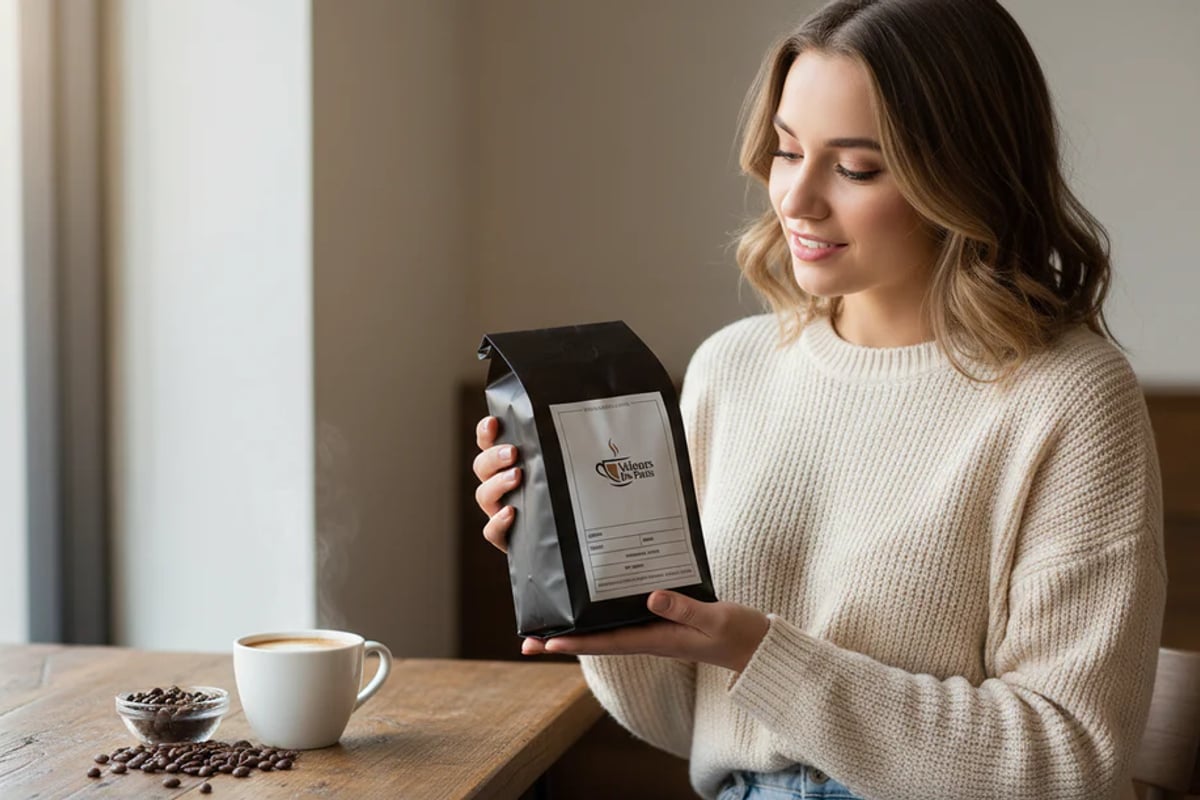
Roast-to-order models reduce inventory while maximizing freshness. Batch size optimization balances efficiency with turnover rates. Packaging technology like one-way valves preserves freshness by allowing CO2 release while preventing oxygen ingress.
Clear dating on packaging helps customers understand optimal consumption windows, while education about proper storage extends shelf life after opening.
Building Customer Relationships and Loyalty
Sustainable success requires transforming first-time buyers into loyal advocates. Customer relationship strategies should emphasize education, engagement, and exceptional service.
Educational Content and Resources
Coffee education positions the speciality coffee company as an authority while helping customers appreciate quality differences. Content strategies might include:
- Origin stories highlighting farmer partnerships and regional characteristics
- Brewing guides optimizing extraction for different methods and roast levels
- Tasting notes developing customer palates through structured sensory descriptions
- Behind-the-scenes content revealing roasting processes and quality control
Educational initiatives deepen customer appreciation while justifying premium pricing through transparency and expertise demonstration.
Subscription and Membership Programs
Subscription models generate predictable revenue while increasing customer lifetime value. Well-designed programs offer convenience, discovery, and exclusive benefits:
- Automatic deliveries ensure customers never run out while simplifying purchasing decisions
- Curated selections introduce customers to new origins and roast profiles
- Member exclusives create VIP experiences through early access and limited offerings
- Flexible customization allows personalization without sacrificing convenience
Successful subscription programs balance structure with flexibility, accommodating changing preferences while maintaining engagement.
Sustainability and Ethical Practices
Modern consumers expect the speciality coffee company to demonstrate environmental and social responsibility. Sustainability initiatives influence purchasing decisions while aligning business practices with values.
Environmental Stewardship
Coffee production faces significant environmental challenges, including deforestation, water usage, and pesticide application. Responsible specialty coffee businesses address these issues through:
Organic certification eliminates synthetic pesticides and fertilizers, though it requires premium pricing to offset lower yields and certification costs. Shade-grown coffee preserves biodiversity while producing complex flavor profiles. Water conservation in processing methods reduces environmental impact in water-scarce regions.
Packaging choices also reflect environmental commitments. Compostable bags, recyclable materials, and reduced packaging waste resonate with eco-conscious consumers while minimizing environmental footprint.
Social Responsibility
Fair compensation for farmers remains central to specialty coffee ethics. While certifications like Fair Trade provide baseline standards, many specialty coffee companies go further through direct trade relationships that ensure prices significantly exceed commodity rates.
Community investment in coffee-growing regions, including education and infrastructure projects, demonstrates long-term commitment beyond transactional relationships. Transparency about pricing and sourcing practices builds customer trust while holding the industry accountable.
Technology and Operations Optimization
Operational efficiency enables the speciality coffee company to maintain quality while managing costs. Technology investments should focus on areas that enhance product quality or customer experience.
Roasting Technology and Data Management
Modern roasting equipment incorporates sophisticated sensors and data logging capabilities. Profile management software enables precise replication while tracking variables that affect outcome consistency.
Batch tracking systems connect green coffee lots through roasting and packaging to finished products, enabling rapid response if quality issues emerge. Inventory management platforms optimize purchasing decisions and prevent stockouts or excessive aging.
E-commerce and Digital Presence
Online sales channels have become essential, particularly as home coffee consumption continues rising. A robust digital presence requires:
- User-friendly website with clear product information and easy checkout processes
- Mobile optimization accommodating smartphone shopping preferences
- Email marketing nurturing relationships and promoting new offerings
- Social media engagement building community and showcasing brand personality
Digital channels also provide valuable customer data, informing product development and marketing strategies through purchase patterns and feedback analysis.

Navigating Industry Challenges
The specialty coffee sector faces ongoing challenges that require strategic responses. Understanding these obstacles helps the speciality coffee company develop resilience and adaptability.
Market Competition and Saturation
Increasing competition in the coffee market pressures margins while making differentiation more critical. Some markets experience saturation, where numerous specialty coffee companies compete for the same customer base.
Strategic responses include niche positioning around specific origins or processing methods, geographic expansion to underserved markets, and product innovation that creates new categories rather than competing in crowded segments.
Price Volatility and Supply Chain Disruption
Coffee prices fluctuate based on weather events, political instability, and market speculation. Supply chain disruptions can delay shipments or compromise quality during transit.
Risk management strategies include diversified sourcing across multiple regions, forward contracts that lock in prices, and relationship depth that provides priority access during shortage periods. Financial reserves help absorb price spikes without immediately passing costs to customers.
Maintaining Authenticity During Growth
Many specialty coffee businesses struggle to scale while preserving the artisanal qualities that attracted initial customers. Growth pressures can compromise quality control, dilute brand identity, and strain direct trade relationships.
Successful scaling requires systematic documentation of quality standards, investment in training programs that transmit expertise to new team members, and careful growth pacing that doesn't exceed operational capacity. Some specialty coffee companies deliberately limit growth to maintain quality and values alignment.
Marketing and Brand Positioning
Effective marketing communicates the speciality coffee company's unique value while reaching target customers through appropriate channels. Brand positioning should reflect quality commitments and differentiate from both commodity coffee and specialty competitors.
Storytelling and Brand Narrative
Compelling narratives create emotional connections that transcend functional product benefits. Effective coffee storytelling might focus on:
Origin narratives connecting customers with farmers and regions through personal stories and cultural context. Craftsmanship highlighting roasting expertise and quality obsession through process transparency. Values alignment demonstrating shared commitments to sustainability, ethics, or community.
Authentic storytelling requires genuine substance. Customers quickly detect manufactured narratives that lack foundation in actual business practices.
Channel Strategy and Customer Acquisition
Multi-channel approaches reach different customer segments while providing resilience against platform changes:
| Channel | Strengths | Considerations |
|---|---|---|
| Direct E-commerce | Margin retention, customer data, brand control | Requires traffic generation, fulfillment infrastructure |
| Wholesale Partnerships | Volume potential, market reach, brand exposure | Lower margins, less customer connection, quality control challenges |
| Farmers Markets | Direct interaction, immediate feedback, community building | Limited scale, time intensive, weather dependent |
| Subscription Boxes | New customer access, credibility association | Margin pressure, less brand control, temporary relationships |
The optimal channel mix depends on business stage, resources, and growth objectives. Early-stage specialty coffee companies often begin with direct sales before expanding to wholesale partnerships as volume increases.
Building a successful speciality coffee company in 2026 requires mastering numerous interconnected disciplines, from sourcing and roasting to customer engagement and operational excellence. The businesses that thrive combine unwavering quality commitments with strategic market positioning and authentic customer relationships. Whether you're exploring single origin offerings or discovering the complexity of expertly crafted blends, partnering with a roaster that prioritizes small-batch excellence and transparent sourcing makes all the difference. Experience the distinction that premium beans and meticulous craftsmanship deliver with Velours de Paris Coffee, where every cup reflects a commitment to exceptional quality and uncompromising freshness.