

Soul Specialty Coffee: Crafting Exceptional Experiences
The concept of soul specialty coffee transcends the traditional boundaries of what we consider premium coffee. It represents a philosophy where every element of the coffee journey carries intentionality, from the farmer's hands nurturing the plants to the final sip that brings profound satisfaction. This approach views coffee not merely as a caffeinated beverage but as an art form that connects people, cultures, and moments of genuine appreciation. When coffee possesses soul, it tells a story worth savoring.
Understanding the Essence of Soul Specialty Coffee
Soul specialty coffee embodies a commitment to excellence that goes beyond scoring systems and certifications. While organizations like The Coffee Quality Institute establish quality benchmarks, soul coffee represents something deeper that resonates with both the creator and consumer.
The defining characteristics of soul specialty coffee include:
- Transparent sourcing from farmers who receive fair compensation
- Meticulous processing that preserves the bean's inherent character
- Small-batch roasting that respects the coffee's unique profile
- Mindful preparation methods that honor the craftsmanship
- Genuine connection between producer and consumer
This philosophy challenges the commodity mindset that has dominated coffee markets for decades. According to National Coffee Association research, consumers increasingly seek meaningful experiences rather than transactional purchases, driving growth in the specialty segment.
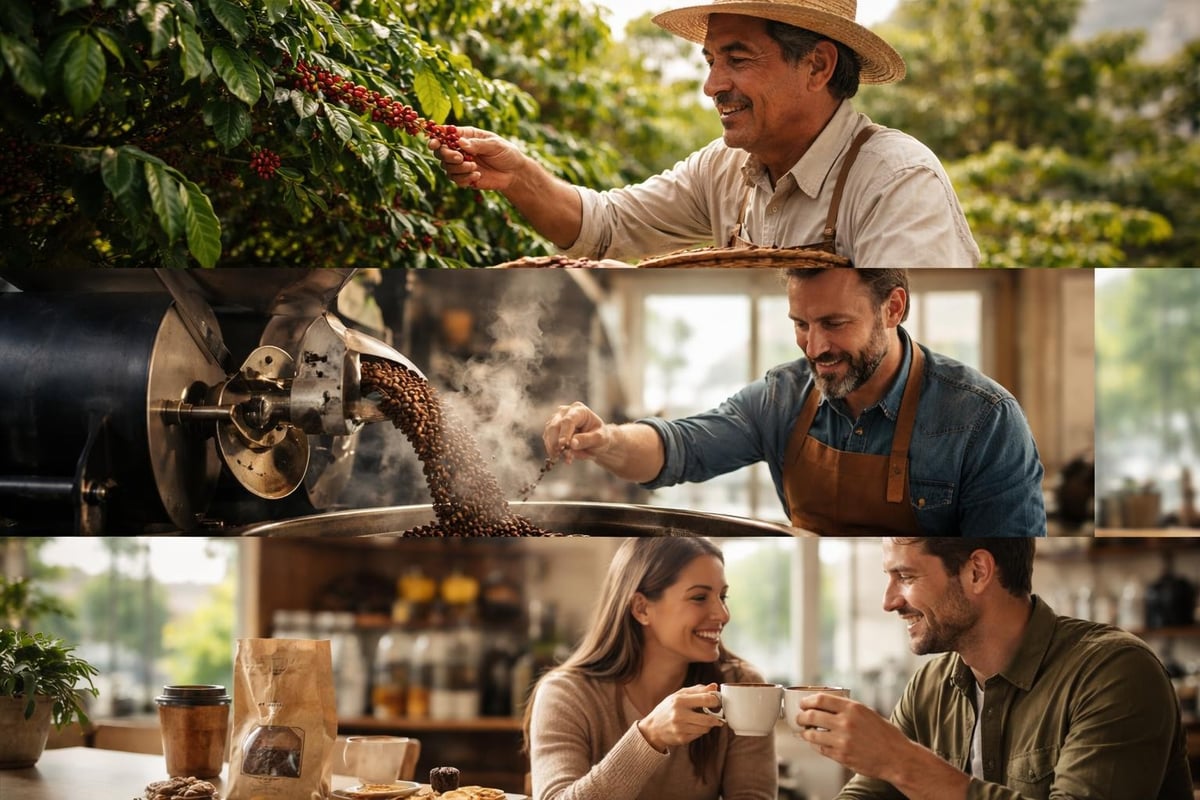
The Human Element Behind Every Cup
Soul specialty coffee recognizes that exceptional coffee requires human expertise at every stage. The farmer who selects only ripe cherries, the processor who monitors fermentation with precision, and the roaster who develops profiles through countless iterations all contribute their knowledge and passion.
At Velours de Paris Coffee, this human-centered approach manifests through relationships with growers and commitment to small-batch roasting. Each batch receives individual attention, ensuring the roast profile matches the bean's potential rather than following automated formulas.
The Terroir and Origin Story
Geography profoundly influences coffee's soul. The volcanic soils of Guatemala, the high altitudes of Ethiopia, and the microclimates of Colombia each impart distinctive characteristics that no processing method can replicate.
| Region | Elevation Range | Flavor Profile | Processing Method |
|---|---|---|---|
| Ethiopia | 1,500-2,200m | Floral, berry, tea-like | Natural, washed |
| Colombia | 1,200-2,000m | Balanced, nutty, caramel | Washed |
| Guatemala | 1,300-2,000m | Chocolate, spice, fruity | Washed, honey |
| Kenya | 1,400-2,000m | Bright, winey, complex | Washed, double-fermented |
Exploring single origin coffee allows enthusiasts to experience these regional distinctions. Each origin presents a snapshot of its environment, capturing rainfall patterns, temperature variations, and soil composition in flavor form.
Cultivar Selection and Its Impact
The coffee variety planted determines baseline flavor potential. Heirloom Ethiopian varieties produce wildly different profiles compared to modern hybrids like Geisha or SL28. Producers committed to soul specialty coffee often maintain diverse cultivar plantings, preserving genetic diversity while offering complexity.
Perfect Daily Grind regularly features articles exploring how cultivar choice affects cup quality and sustainability. This botanical diversity protects against disease while creating unique flavor experiences that distinguish truly exceptional coffee.
Roasting Philosophy and Small-Batch Excellence
The roasting phase transforms green coffee's potential into realized flavor. Soul specialty coffee demands roasters who understand their equipment intimately and respond to each batch's unique characteristics rather than following rigid formulas.
Small-batch roasting advantages include:
- Precise temperature control throughout the roast cycle
- Ability to adjust profiles based on ambient conditions
- Individual attention to development time and color
- Immediate quality assessment and adjustment
- Reduced risk of scorching or uneven roasting
Temperature curves, drum speed, and airflow all interact to create distinct outcomes. A roaster developing soul specialty coffee monitors first crack timing, adjusts gas pressure during development, and makes split-second decisions affecting final cup quality.
When you explore coffee blends crafted with this attention, you experience harmonious combinations where each origin component contributes specific notes while creating something greater than individual parts. Blending becomes compositional artistry rather than bulk mixing.
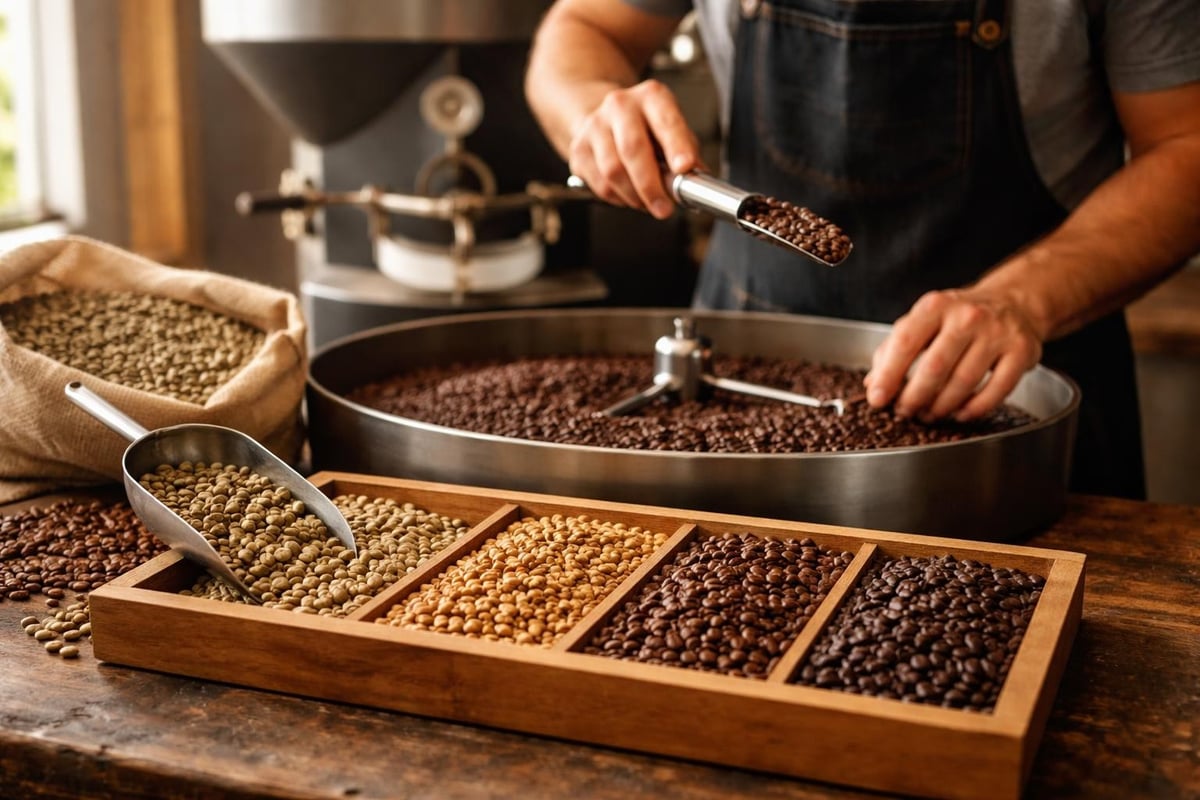
Roast Level Selection and Soul Expression
Roast degree profoundly impacts how coffee's soul manifests. Lighter roasts preserve origin characteristics and delicate acidity, allowing terroir to shine. Medium roasts balance origin expression with developed sweetness and body. Darker roasts emphasize roast character over origin nuances.
Soul specialty coffee roasters select levels that honor the bean's inherent qualities. An Ethiopian natural might receive a light roast showcasing blueberry notes, while a Brazilian might develop beautifully at medium-dark, emphasizing chocolate and nut flavors. This decision-making separates craft from commodity.
Brewing Methods That Honor the Bean
Even exceptional beans cannot reveal their soul without proper preparation. Brewing variables including water temperature, contact time, grind size, and ratio all influence extraction and final flavor.
Manual Brewing Techniques
Pour-over methods like V60 and Chemex offer control and clarity. The brewer orchestrates water flow, creating turbulence that promotes even extraction while highlighting brightness and complexity. These methods suit soul specialty coffee by allowing nuanced flavors to emerge distinctly.
Step-by-step pour-over excellence:
- Grind 22 grams of coffee to medium-fine consistency
- Heat water to 200-205°F (93-96°C)
- Rinse filter and warm brewing vessel
- Add coffee and create small well in center
- Bloom with 50 grams water for 30-45 seconds
- Pour in concentric circles to 360 grams total
- Complete brew in 2:30-3:00 minutes
- Enjoy immediately at ideal temperature
French press and AeroPress offer different advantages. French press produces full-bodied coffee with oils and fine particles contributing to mouthfeel. AeroPress combines immersion and pressure, creating concentrated yet clean results. Barista Hustle provides extensive technical resources for mastering these methods.
Espresso and Concentrated Preparations
Espresso preparation demands precise control over multiple variables. Grind adjustment affects flow rate and extraction yield. Temperature stability ensures consistent results. Pressure profiling can emphasize sweetness or brightness depending on the approach.
Soul specialty coffee shines in espresso when roasters develop profiles specifically for this preparation method. Coffee blends designed for espresso balance complexity with sweetness and body, creating shots with dimension and finish.
The Science Behind Soul Coffee
Understanding coffee chemistry enhances appreciation for soul specialty coffee. Coffee Chemistry explores how molecular compounds create perceived flavors and aromas. Over 1,000 volatile compounds contribute to coffee's complexity, with their concentrations varying based on origin, processing, and roasting.
| Compound Type | Flavor Contribution | Development Stage |
|---|---|---|
| Furans | Caramel, sweet | Roasting |
| Pyrazines | Nutty, earthy | Roasting |
| Aldehydes | Fruity, green | Green/light roast |
| Ketones | Buttery, creamy | Roasting |
| Organic acids | Brightness, fruit | Green/processing |
Maillard reactions during roasting create hundreds of new compounds through amino acid and sugar interactions. Caramelization develops sweetness and body. Degradation of chlorogenic acids produces quinic and caffeic acids, affecting bitterness and astringency perception.
Water Quality and Mineral Balance
Water comprises over 98% of brewed coffee, yet its importance often receives insufficient attention. Mineral content affects extraction efficiency and flavor perception. Calcium and magnesium enhance extraction, while bicarbonate buffers acidity.
Soul specialty coffee deserves water consideration matching bean quality. Ideal brewing water contains 50-175 ppm total dissolved solids with balanced calcium and magnesium levels. Many coffee professionals use filtration systems or remineralization to achieve consistent water chemistry.
Flavor Development and Sensory Experience
Appreciating soul specialty coffee involves developing sensory awareness. Professional cuppers use standardized protocols to evaluate coffee objectively, but personal enjoyment requires no certification.
Sensory evaluation components:
- Aroma: Dry grounds, wet grounds, and brewed coffee each reveal different aromatics
- Flavor: Perceived taste combining gustatory and olfactory input
- Acidity: Brightness ranging from citric to malic to phosphoric qualities
- Body: Mouthfeel and texture from light/tea-like to heavy/syrupy
- Finish: Aftertaste duration and evolution after swallowing
Coffee Review publishes detailed evaluations using this framework, helping consumers understand quality distinctions. Their rating system considers multiple attributes, providing comprehensive quality assessments.
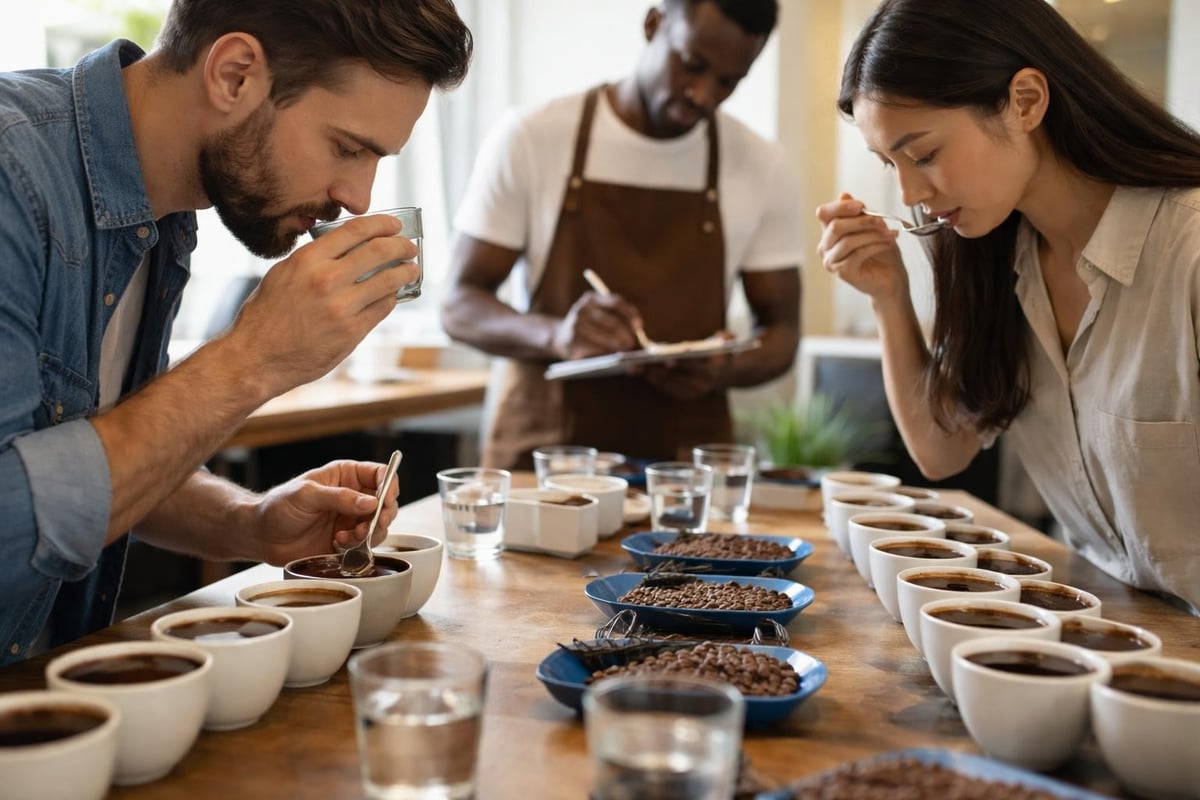
Developing Your Palate
Regular tasting builds sensory memory and recognition. Comparing coffees side-by-side reveals distinctions that individual tastings might miss. Starting with single origin coffee from different regions trains recognition of regional characteristics.
Taking notes during tasting creates personal reference points. Describing specific fruit notes (raspberry versus blueberry), chocolate types (milk versus dark), or nut varieties (almond versus hazelnut) sharpens discrimination abilities over time.
Sustainability and Ethical Sourcing
Soul specialty coffee inherently includes ethical considerations. Paying premium prices enables farmers to invest in quality improvements, environmental stewardship, and community development. This creates positive cycles where quality improvements justify higher prices, enabling further investment.
Direct trade relationships allow roasters to understand farm conditions and provide feedback that improves quality. These partnerships build trust and long-term stability benefiting both parties. Farmers receive market insights and quality guidance, while roasters secure consistent access to exceptional coffee.
Environmental Impact and Carbon Footprint
Coffee production faces climate challenges including temperature shifts, altered rainfall patterns, and increased pest pressure. Sustainable practices including shade growing, organic cultivation, and water conservation help mitigate environmental impact.
Transportation represents significant carbon footprint in specialty coffee. Some roasters invest in carbon offset programs or prioritize shipping methods with lower environmental impact. Consumer choices supporting these initiatives contribute to industry-wide sustainability improvements.
Creating Coffee Rituals and Mindful Consumption
Soul specialty coffee invites slowing down and being present. The ritual of grinding beans, heating water to precise temperature, and watching bloom during pour-over creates meditative moments in busy lives. This mindfulness extends the coffee experience beyond caffeine delivery.
Setting aside dedicated time for coffee preparation and consumption enhances appreciation. Using quality equipment maintained properly shows respect for the craft. Whether brewing a morning breakfast blend or afternoon single origin, intentional preparation elevates the experience.
Building meaningful coffee rituals:
- Source fresh beans roasted within two to four weeks
- Store properly in opaque, airtight containers away from light and heat
- Grind immediately before brewing for optimal freshness
- Measure coffee and water by weight for consistency
- Focus attention on preparation process and resulting aromas
- Savor coffee without distractions when possible
Sharing Coffee Experiences
Coffee's social dimension amplifies its soul. Sharing exceptional coffee with friends or family creates connection and conversation. Hosting cupping sessions introduces others to specialty coffee while building community around shared appreciation.
For those new to exploring premium coffee, starting with a welcome offer can make the journey more accessible. Using code WELCOME10, coffee enthusiasts can save 10% on their first order, making it easier to experience the difference that soul specialty coffee offers.
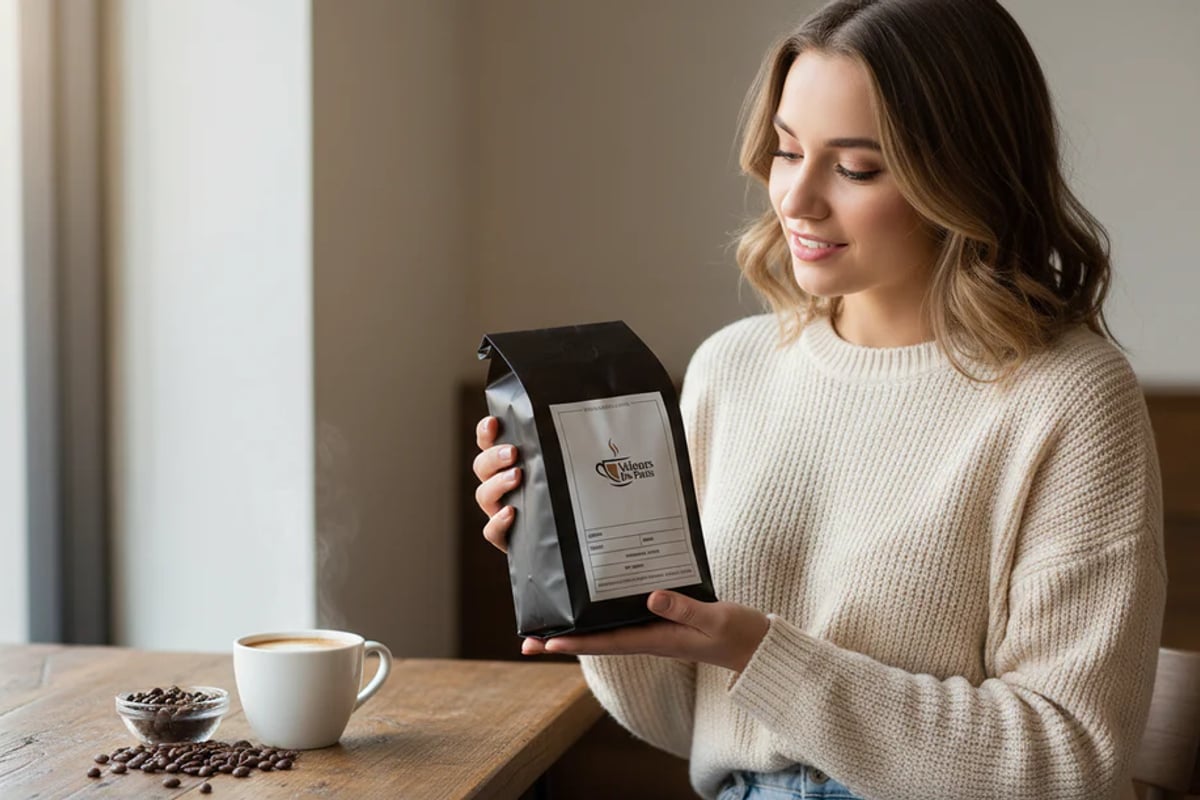
Equipment Investment and Quality Tools
Proper equipment matters for soul specialty coffee. While expensive gear isn't mandatory, certain baseline standards ensure you can extract the quality your beans deserve.
| Equipment Type | Entry Level | Mid-Range | Professional |
|---|---|---|---|
| Grinder | Blade/basic burr ($20-50) | Quality burr ($100-300) | Commercial burr ($300+) |
| Brewer | French press ($25-40) | Pour-over setup ($50-100) | Espresso machine ($500+) |
| Kettle | Standard stovetop ($15-30) | Gooseneck ($40-80) | Temperature-controlled ($100+) |
| Scale | Kitchen scale ($15-25) | Coffee scale ($30-60) | Professional ($100+) |
Grinder quality represents the most crucial investment. Consistent particle size distribution enables even extraction, while poor grinders create fines and boulders causing simultaneous over and under-extraction. CoffeeGeek provides extensive equipment reviews and community feedback.
Maintenance and Calibration
Even excellent equipment requires maintenance. Regular grinder cleaning prevents rancid oil buildup affecting flavor. Descaling brewers and espresso machines maintains temperature stability. Calibrating scales ensures accurate dosing.
These practices demonstrate respect for both equipment and coffee. Soul specialty coffee deserves tools functioning at peak performance, enabling the full expression of quality beans.
Industry Trends and Future Directions
The specialty coffee industry continues evolving. Innovations in processing methods create new flavor possibilities. Experimental fermentation using specific yeast strains or extended anaerobic processing produces unprecedented profiles.
Emerging trends shaping soul specialty coffee:
- Carbonic maceration borrowed from winemaking
- Low-temperature drying preserving volatile compounds
- Nitrogen flushed packaging extending freshness
- Transparent pricing showing farmer compensation
- Climate-adapted cultivar development
CoffeeBI tracks market developments and consumer preferences, showing sustained growth in premium segments despite economic fluctuations. Consumers increasingly value quality, transparency, and sustainability over mere convenience.
Technology and Tradition Balance
Modern technology enables quality improvements while raising questions about craft preservation. Automated roasting systems provide consistency but may lack nuanced decision-making. Smartphone apps guide brewing but potentially disconnect users from sensory learning.
Soul specialty coffee embraces helpful technology while maintaining human expertise and judgment. Tools enhance capabilities without replacing the knowledge, experience, and passion that transform good coffee into exceptional experiences.
Soul specialty coffee represents a commitment to excellence, transparency, and meaningful connection throughout the coffee journey. By understanding the elements that contribute to truly exceptional coffee, from origin selection through careful roasting to mindful brewing, enthusiasts can elevate their daily ritual into something transcendent. Velours de Paris Coffee brings this philosophy to life through premium beans sourced from the world's finest regions, roasted in small batches to ensure every cup delivers the exceptional quality and soulful experience that defines specialty coffee at its best.