

Shotted Specialty Coffee: Precision Extraction Guide
The specialty coffee industry has witnessed a remarkable evolution in how professionals and enthusiasts approach extraction methods, with shotted specialty coffee emerging as a precise discipline that combines scientific rigor with artisanal craftsmanship. This approach focuses on extracting coffee through carefully measured, timed, and calibrated shots that maximize flavor complexity while maintaining consistency across every cup. Understanding the principles behind shotted brewing methods empowers coffee lovers to appreciate the nuanced differences between various extraction techniques and how they impact the final beverage's taste profile.
Understanding Shotted Specialty Coffee Fundamentals
Shotted specialty coffee represents a methodical approach to coffee extraction where precision measurement, timing, and control define the brewing process. This technique primarily applies to espresso-based preparations, where coffee is extracted under pressure in specific volumetric amounts called shots. The term encompasses both the traditional single and double shot preparations, as well as modern variations that prioritize extraction quality over arbitrary volume standards.
The Science Behind Shot Extraction
The extraction process involves dissolving soluble compounds from roasted coffee grounds into water, creating the complex flavors that define specialty coffee. According to research on coffee extraction methods, approximately 30% of coffee's mass consists of soluble materials that can be extracted during brewing. The goal with shotted specialty coffee is achieving an extraction yield between 18% and 22%, which represents the sweet spot for balanced flavor without bitterness or sourness.
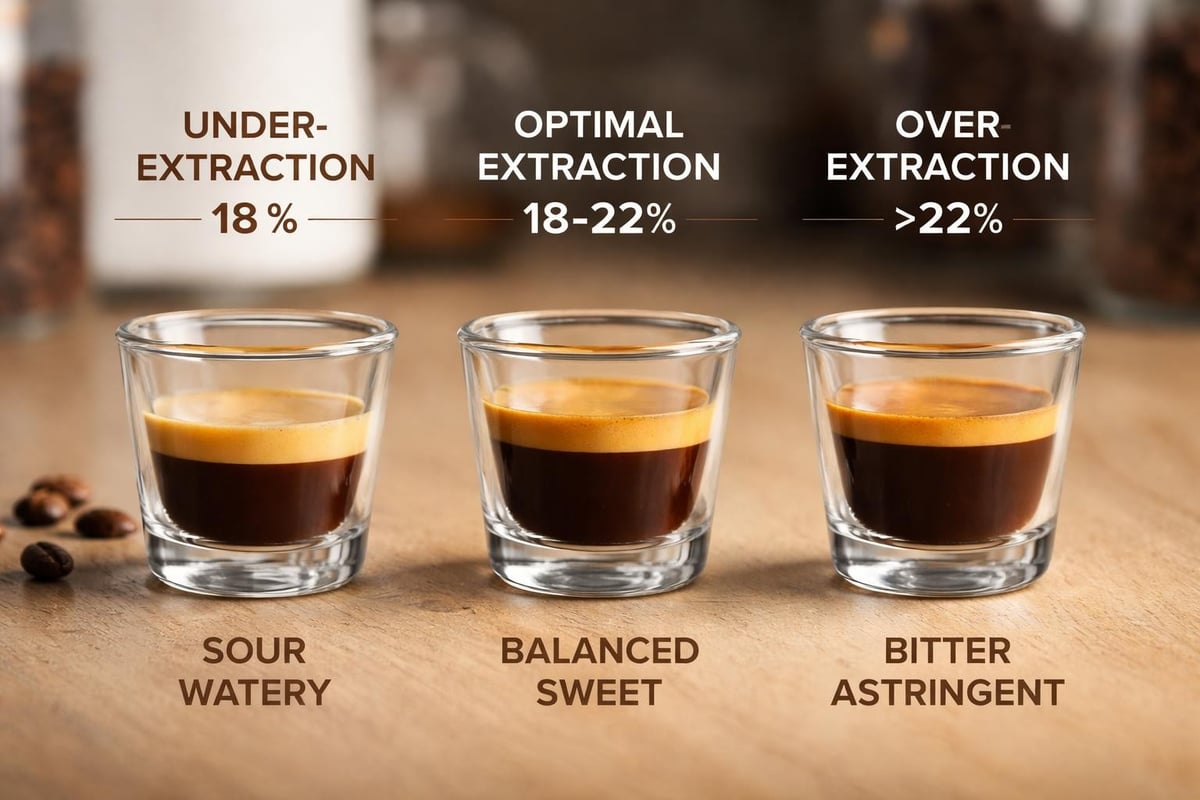
Several variables influence shot quality:
- Grind size: Finer grinds increase surface area and extraction speed
- Water temperature: Optimal range between 195°F and 205°F
- Pressure: Standard espresso extraction uses 9 bars of pressure
- Contact time: Typical espresso shots pull between 25-30 seconds
- Coffee dose: Standard ratios range from 1:1.5 to 1:2.5 (coffee to water)
Distinguishing Specialty Grade Standards
Not all shotted coffee qualifies as specialty grade. The Specialty Coffee Association establishes rigorous standards for green coffee beans, requiring a minimum score of 80 points on a 100-point scale. When working with single origin coffees, these quality standards become even more critical, as the unique terroir characteristics must shine through the extraction process without defects or inconsistencies.
Specialty coffee roasters implement strict quality control measures throughout the sourcing and roasting phases to ensure beans meet these elevated standards before they reach extraction equipment.
Advanced Extraction Techniques for Shotted Coffee
Modern shotted specialty coffee goes beyond traditional espresso parameters, incorporating innovative approaches that enhance flavor clarity and consistency. Professional baristas and home enthusiasts alike benefit from understanding these advanced methodologies that have transformed how we approach coffee extraction in 2026.
Pressure Profiling and Flow Control
Contemporary espresso machines offer pressure profiling capabilities that allow operators to vary pump pressure throughout the extraction cycle. This technique produces distinctly different flavor profiles compared to constant-pressure extraction:
| Extraction Phase | Pressure Range | Duration | Purpose |
|---|---|---|---|
| Pre-infusion | 2-4 bars | 5-8 seconds | Evenly saturate grounds |
| Ramp-up | 4-9 bars | 3-5 seconds | Initiate extraction |
| Peak extraction | 9 bars | 15-20 seconds | Primary compound dissolution |
| Declining pressure | 6-3 bars | 3-5 seconds | Final flavor notes |
This methodical approach to shotted specialty coffee extraction allows roasters and cafes to highlight specific flavor notes within their coffee blends while minimizing astringency and harsh characteristics.
Temperature Stability and Consistency
Water temperature significantly impacts which compounds extract from coffee grounds. Studies examining specialty coffee brewing methods demonstrate that even slight temperature variations of 3-5 degrees can dramatically alter the aroma profile and sensory characteristics of the final cup.
Professional-grade equipment maintains temperature stability through PID controllers and thermosiphon systems. For those seeking optimal results with shotted specialty coffee at home, allowing the machine to fully warm up for 15-20 minutes before pulling shots ensures thermal stability throughout the brewing group.
Dialing In Your Shotted Specialty Coffee
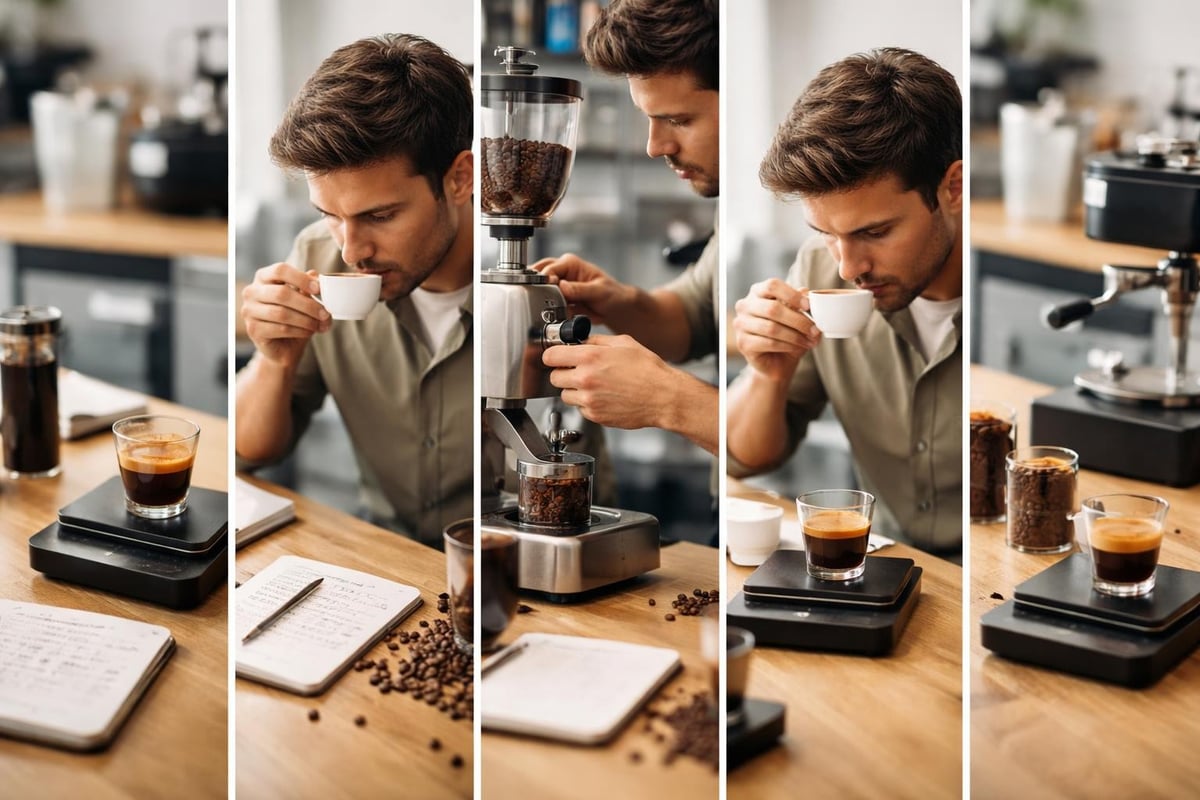
Achieving perfection in shotted specialty coffee requires systematic adjustment of multiple variables until reaching the optimal balance. This process, known as "dialing in," represents the intersection of technical skill and sensory evaluation that defines modern specialty coffee culture.
The Systematic Approach to Recipe Development
Begin with established baseline ratios and adjust incrementally based on taste feedback. A standard starting point for shotted specialty coffee uses:
- 18 grams of coffee as the input dose
- 36 grams of liquid espresso as the output (1:2 ratio)
- 28-second extraction time from pump activation
- 201°F water temperature at the brewing group
- 9 bars of pressure throughout extraction
From this foundation, make single variable adjustments while keeping other parameters constant. If the shot tastes sour and weak, either increase extraction time by grinding finer, raise water temperature by 2-3 degrees, or increase the output ratio to 1:2.5. Conversely, if bitterness and astringency dominate, coarsen the grind slightly, lower temperature, or reduce the output ratio to 1:1.8.
Sensory Evaluation Criteria
Professional cupping protocols adapted for shotted specialty coffee evaluation consider multiple dimensions:
- Sweetness: Natural sugars developing during roasting should be prominent
- Acidity: Bright, clean acidity versus sour, unpleasant tartness
- Body: Tactile weight and texture on the palate
- Finish: Aftertaste duration and quality
- Balance: How well different elements integrate together
Documenting each adjustment with tasting notes creates a reference library that accelerates the dialing-in process for new coffees and seasonal rotations.
Equipment Considerations for Optimal Results
The quality of shotted specialty coffee depends heavily on equipment capabilities and proper maintenance. While professional café environments utilize commercial-grade machines, home enthusiasts can achieve excellent results with appropriate consumer equipment that meets certain minimum standards.
Essential Equipment Characteristics
Espresso machines suitable for specialty-grade shotted coffee must provide:
Temperature control: PID-controlled heating systems maintain consistency within 1-2 degrees Pressure regulation: Stable 9-bar pumps or adjustable profiles for experimentation Group head design: Thermally stable E61-style groups or modern alternatives Steam power: Adequate boiler capacity for milk-based drinks without temperature recovery delays
Grinder quality often exceeds machine importance when pursuing shotted specialty coffee excellence. Burr grinders with stepless or fine adjustment increments enable the precision needed for optimal extraction. Conical and flat burr designs each offer distinct advantages, with flat burrs generally producing more uniform particle distribution preferred for light-roasted specialty beans.
Maintenance and Consistency
Regular equipment maintenance directly impacts shot quality and consistency. Daily backflushing with specialized detergent removes coffee oils that accumulate on group head screens and dispersion blocks. Weekly descaling protocols prevent mineral buildup in boilers and heating elements that compromise temperature stability.
Burr replacement schedules vary based on grinder quality and volume, but most home grinders benefit from new burrs every 500-1,000 pounds of coffee processed. Professional café environments should monitor burr wear monthly and replace when particle distribution becomes inconsistent or extraction times drift despite grind adjustments.
The Role of Coffee Origin and Roast Development
Shotted specialty coffee showcases how origin characteristics and roast profiles interact with extraction methods to produce distinct flavor experiences. Understanding these relationships enables better decision-making when selecting beans and developing brewing parameters that highlight their unique qualities.
Origin-Specific Extraction Strategies
Different growing regions produce beans with characteristic flavor profiles that respond uniquely to shotted extraction:
| Origin Region | Typical Characteristics | Extraction Approach |
|---|---|---|
| Ethiopia | Floral, fruit-forward, tea-like | Higher temperatures, moderate ratios (1:2.2) |
| Colombia | Balanced, nutty, caramel notes | Standard parameters, medium temperatures |
| Kenya | Bright acidity, berry notes | Controlled pressure profiles, precise timing |
| Brazil | Chocolate, low acidity, full body | Higher doses, shorter ratios (1:1.8) |
Establishments like Shotted Specialty Coffee have built their reputation around understanding these nuances and adapting extraction techniques to complement each origin's inherent characteristics. Their commitment to quality demonstrates how proper shot preparation elevates the coffee experience beyond generic brewing approaches.
Roast Development and Solubility
Roast degree significantly affects solubility rates and optimal extraction parameters for shotted specialty coffee. Lighter roasts preserve origin characteristics but require more aggressive extraction approaches to achieve adequate solubility. The denser cellular structure of light-roasted beans benefits from:
- Finer grind settings to increase surface area
- Higher water temperatures approaching 205°F
- Slightly longer extraction times (30-33 seconds)
- Pressure profiling that gradually builds intensity
Darker roasts develop more soluble compounds during the extended roasting process, making them easier to extract but also more prone to over-extraction. Medium to medium-dark roasts often provide the most forgiving parameters for shotted specialty coffee, balancing origin expression with developed sweetness and body.
For coffee enthusiasts exploring various roast levels, starting with a versatile specialty coffee collection allows experimentation with different extraction approaches while maintaining quality standards throughout the learning process.
Milk-Based Shotted Specialty Coffee Applications
While purists often evaluate shotted specialty coffee as straight espresso, milk-based beverages represent the majority of specialty coffee consumption in cafés worldwide. Understanding how extraction parameters should adapt for milk drinks ensures optimal balance between coffee intensity and dairy sweetness.
Adjusting Shots for Milk Integration
Espresso shots intended for cappuccinos, lattes, and other milk beverages benefit from slightly different extraction targets compared to straight espresso consumption. The milk's fat content and natural sweetness interact with coffee compounds, requiring adjustments:
Increased intensity: Use higher coffee doses (19-20 grams) to maintain presence through milk dilution Shorter ratios: Target 1:1.5 to 1:1.8 ratios for concentrated flavor that cuts through dairy Slightly hotter temperatures: Extract at 203-205°F to enhance body and mouthfeel Extended pre-infusion: Allow 6-8 seconds of low-pressure saturation for even extraction
These modifications ensure the coffee's character remains distinct and balanced within milk-based preparations rather than becoming a generic bitter background note.
Texture and Temperature Pairing
The interaction between properly extracted shotted specialty coffee and expertly textured milk creates the hallmark silky mouthfeel of quality café beverages. Milk should be steamed to 140-150°F, creating microfoam with bubble sizes under 0.1mm that integrate seamlessly with espresso crema.
Pouring technique affects both visual presentation and taste distribution. The initial aggressive pour breaks through crema and mixes coffee with milk throughout the cup, while the final slow pour creates latte art patterns while preserving some crema on the surface.
Many coffee enthusiasts beginning their journey with shotted specialty coffee appreciate starting with quality beans at accessible prices. Taking advantage of introductory offers allows experimentation with different origins and roast profiles while developing extraction skills without significant financial commitment.
Pour-Over Extraction as Shotted Alternative
While espresso represents the most common association with shotted specialty coffee, alternative brewing methods can achieve similarly precise and measured extractions through different mechanisms. The pour-over extraction method offers particular relevance for specialty coffee enthusiasts seeking control and clarity.
Controlled Immersion and Percolation
Pour-over brewing combines immersion and percolation principles, allowing water to both saturate grounds and flow through them under gravity rather than pressure. This gentler extraction process highlights delicate flavor notes that might be overwhelmed by espresso's intensity.
Key control points for pour-over shotted specialty coffee include:
- Bloom phase: 30-45 second pre-wetting with twice the coffee weight in water
- Pulse pouring: Multiple controlled additions rather than continuous flow
- Total brew time: 2:30-3:30 minutes for optimal extraction
- Water temperature: 195-205°F depending on roast level
- Coffee-to-water ratio: 1:15 to 1:17 for balanced strength
These measured, deliberate steps mirror the precision of espresso extraction while producing a different sensory experience that many find equally rewarding.
Comparing Extraction Efficiency
Different brewing methods extract varying percentages of soluble material from the same coffee. Understanding these differences helps select appropriate techniques based on desired outcomes:
| Method | Typical Extraction % | Strength (TDS) | Characteristics |
|---|---|---|---|
| Espresso | 18-22% | 8-12% | Concentrated, full-bodied |
| Pour-over | 18-22% | 1.2-1.5% | Clean, bright, nuanced |
| French Press | 20-24% | 1.3-1.6% | Heavy body, sediment |
| Cold brew | 16-20% | 1.5-2.5% | Smooth, low acidity |
Each extraction method serves specific purposes within specialty coffee culture, with shotted espresso providing concentrated intensity ideal for both straight consumption and milk-based beverages.
Environmental and Equipment Variables
Beyond fundamental extraction parameters, environmental conditions and equipment-specific characteristics influence shotted specialty coffee consistency. Professional baristas account for these variables when maintaining quality standards throughout service periods and across different locations.
Ambient Conditions and Humidity
Coffee's hygroscopic nature means it absorbs moisture from surrounding air, affecting grind behavior and extraction rates. High humidity environments (above 60% relative humidity) cause grounds to clump more readily and extract faster, requiring coarser grinds to maintain target timing. Conversely, dry conditions (below 40% humidity) produce free-flowing grounds that may channel or extract unevenly without grind adjustment.
Seasonal variations in coffee moisture content also impact extraction consistency. Beans roasted during winter months typically have lower moisture content than summer batches, requiring minor grind and temperature adjustments to achieve equivalent results.
Water Chemistry Fundamentals
Water quality represents perhaps the most overlooked variable in shotted specialty coffee extraction. Minerals in brewing water affect both extraction efficiency and flavor perception through multiple mechanisms.
Optimal water chemistry for specialty coffee includes:
- Total Dissolved Solids: 75-150 ppm for balanced extraction
- Calcium hardness: 50-75 ppm to facilitate extraction
- Alkalinity: 40-75 ppm to buffer acids without flatness
- pH level: 6.5-7.5 for neutral to slightly acidic balance
Many cafés and serious home enthusiasts use reverse osmosis systems with remineralization filters to achieve consistent water chemistry regardless of municipal supply variations. This investment proves particularly valuable when working with light-roasted specialty beans where subtle flavor differences become apparent.
Creating Signature Shotted Specialty Coffee Profiles
Advanced practitioners develop signature extraction profiles that distinguish their offerings within competitive specialty coffee markets. This process combines technical expertise with creative experimentation, resulting in distinctive flavor experiences that build customer loyalty and brand identity.
Recipe Development Workflow
Systematic recipe development for shotted specialty coffee follows structured protocols:
- Baseline establishment: Start with conventional parameters (1:2 ratio, 28 seconds, 201°F)
- Single variable testing: Adjust one parameter while documenting taste changes
- Combination refinement: Test promising adjustments together for synergistic effects
- Validation consistency: Replicate successful recipes multiple times across different days
- Documentation: Record final parameters with detailed tasting notes and contextual information
This methodical approach ensures recipes deliver consistent results rather than random successes that cannot be reliably reproduced during service periods.
Seasonal Menu Rotation Strategies
Many specialty coffee establishments rotate offerings based on seasonal availability and customer preferences. Shotted specialty coffee menus might feature different origins throughout the year:
Spring: Bright, floral Ethiopian and Kenyan coffees with fruit-forward profiles
Summer: Clean, refreshing Central American origins with citrus characteristics
Fall: Rich, chocolatey South American selections with developed sweetness
Winter: Full-bodied Indonesian and African coffees with spice notes
Each seasonal rotation requires extracting optimal parameters, training staff on new variables, and educating customers about flavor distinctions. This dynamic approach maintains engagement while showcasing specialty coffee's diversity across growing regions.
Quality Control and Consistency Protocols
Maintaining shotted specialty coffee quality across multiple baristas, service periods, and equipment variations requires systematic quality control measures. Professional operations implement these protocols to ensure every customer receives excellent coffee regardless of variables outside direct control.
Daily Calibration Procedures
Each service day should begin with equipment calibration and baseline verification:
- Verify espresso machine temperature accuracy with group head thermometer
- Pull test shots with previous day's grind setting to assess overnight humidity changes
- Taste test shots against flavor profile targets established during recipe development
- Adjust grind, dose, or temperature based on initial shot quality evaluation
- Document all adjustments in brewing log for trend analysis
These fifteen-minute morning routines prevent drift from optimal parameters and identify equipment issues before they impact customer experience.
Staff Training and Skill Development
Consistent shotted specialty coffee quality depends on skilled operators who understand both technical parameters and sensory evaluation. Comprehensive training programs should include:
Technical competency: Grinder adjustment, machine operation, cleaning protocols Sensory development: Cupping practice, flavor identification, defect recognition Troubleshooting skills: Diagnosing extraction issues, equipment problems, recipe adjustments Customer education: Explaining origin differences, brewing methods, flavor characteristics
Regular calibration sessions where team members taste and evaluate shots together ensure shared understanding of quality standards and reinforce consistent execution across all service periods. Establishments committed to excellence, such as Shotted Specialty Coffee's family-friendly locations, demonstrate how systematic training and quality control create reliable, exceptional coffee experiences.
Shotted Specialty Coffee in Commercial Settings
Implementing shotted specialty coffee programs in commercial café environments presents unique challenges compared to home brewing scenarios. Volume demands, consistency expectations, and operational efficiency requirements necessitate different approaches while maintaining quality standards that define specialty-grade offerings.
Workflow Optimization Strategies
High-volume periods test even experienced baristas' ability to maintain shotted specialty coffee quality under pressure. Strategic workflow design minimizes quality compromises:
- Grinder redundancy: Multiple grinders eliminate bottlenecks during simultaneous orders
- Batch workflow: Group similar drinks together to reduce setup time between beverages
- Pre-dosing protocols: Weigh and distribute doses during slower periods for rush preparation
- Equipment positioning: Arrange stations to minimize barista movement and maximize efficiency
These operational considerations ensure quality remains consistent even when producing dozens of drinks per hour during peak service times.
Equipment Scaling Decisions
Café owners must balance equipment capabilities with projected volume and quality expectations. Single-group espresso machines suit low-volume specialty environments where individual attention to each shot maintains premium standards. Multi-group configurations become necessary above 100-150 drinks daily, though each additional group requires proportional investment in grinder capacity, barista staffing, and training resources.
Many successful specialty cafés choose commercial equipment specifically designed for shotted specialty coffee applications rather than attempting to scale residential machines. Professional-grade options provide consistent performance under sustained use while offering serviceability and parts availability that home equipment lacks.
Mastering shotted specialty coffee represents a journey combining technical precision with sensory development and creative exploration. The systematic approaches outlined throughout this guide provide the foundation for consistent, exceptional extractions whether preparing single cups at home or managing high-volume café operations.
When you're ready to explore the world of shotted specialty coffee with premium beans that showcase optimal extraction potential, Velours de Paris Coffee offers carefully sourced single origins, expertly developed blends, and small-batch roasted coffees designed to deliver exceptional flavor in every cup. Their commitment to quality ensures you're working with beans worthy of the precision and attention that shotted specialty coffee demands.