

Shelter Specialty Coffee: A Complete Guide for 2026
The specialty coffee industry has evolved dramatically over the past decade, with consumers increasingly seeking brands that combine exceptional quality with meaningful values. Shelter specialty coffee represents a growing movement within the industry that emphasizes not just premium beans and expert roasting, but also the creation of welcoming spaces and sustainable practices that provide refuge and community connection. This approach has resonated strongly with coffee enthusiasts who want their purchases to support businesses that prioritize both excellence and social responsibility. Understanding shelter specialty coffee helps roasters and retailers position themselves effectively in an increasingly competitive marketplace while building authentic connections with discerning customers.
Understanding the Shelter Specialty Coffee Movement
Shelter specialty coffee encompasses multiple dimensions that distinguish it from conventional specialty coffee operations. At its core, this movement focuses on creating physical and metaphorical shelter through coffee-establishing spaces where communities gather, supporting farmers through ethical practices, and roasting beans that provide comfort and consistency to consumers.
The term "shelter" in this context extends beyond physical locations. It represents the protection of traditional coffee-growing methods, the preservation of heirloom varieties, and the safeguarding of farmer livelihoods through fair pricing structures. Many roasters who embrace shelter specialty coffee principles work directly with origin partners to ensure sustainable growing practices that protect both the environment and the communities that depend on coffee production.
Quality Standards in Shelter Specialty Coffee
The quality benchmarks for shelter specialty coffee align with the highest standards established by organizations like the Coffee Quality Institute, which provides comprehensive grading protocols for specialty-grade beans. These coffees must score 80 points or higher on the standardized 100-point scale, demonstrating exceptional characteristics in aroma, flavor, aftertaste, acidity, body, and balance.
Key quality indicators include:
- Clean cup profile without defects
- Distinct origin characteristics
- Complex flavor notes
- Optimal moisture content (10-12%)
- Uniform bean size and density
- Proper processing and drying methods
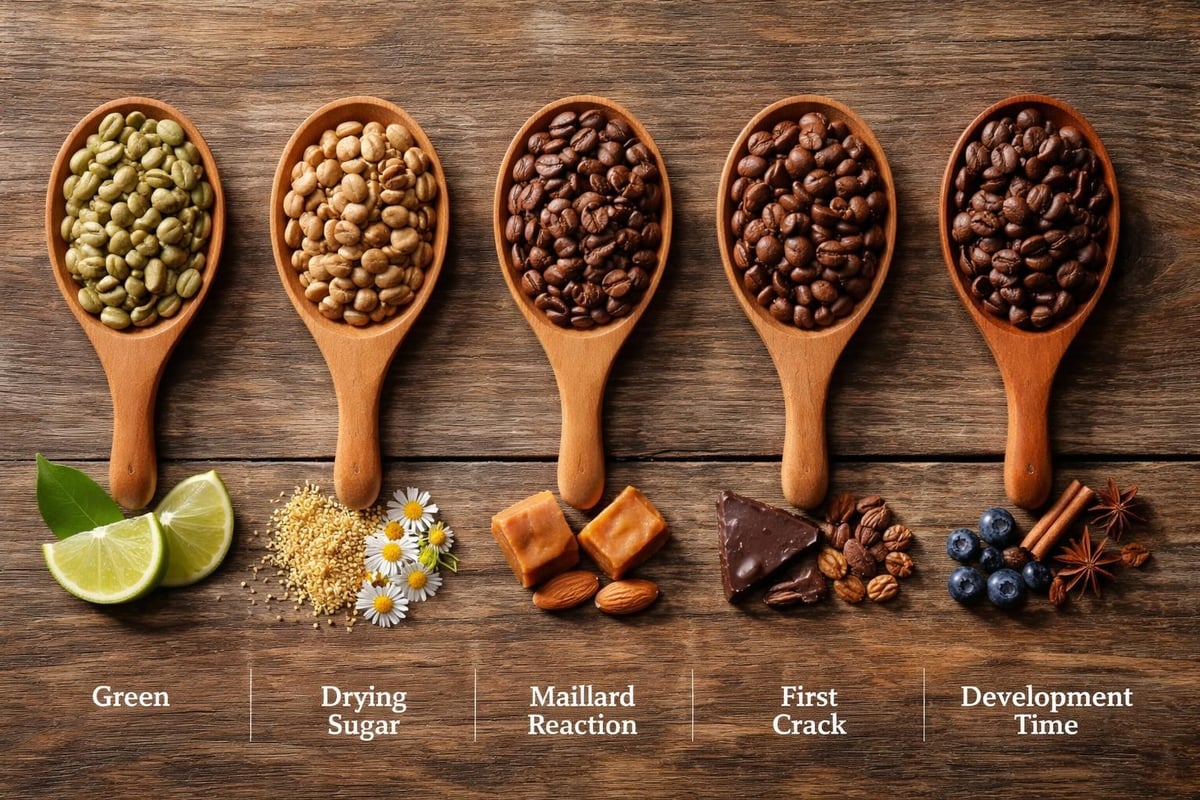
Small-batch roasting plays a critical role in maintaining these quality standards. By roasting in smaller quantities, roasters can closely monitor temperature profiles, development time, and first crack timing to extract the optimal flavor potential from each bean variety. This meticulous approach ensures that every batch meets the exacting standards that specialty coffee consumers expect.
Sourcing Practices That Define Shelter Specialty Coffee
Responsible sourcing forms the foundation of shelter specialty coffee operations. Unlike commodity coffee purchasing, which focuses primarily on volume and price, shelter specialty coffee prioritizes direct relationships, transparency, and sustainable farming practices that support origin communities.
| Sourcing Approach | Commodity Coffee | Shelter Specialty Coffee |
|---|---|---|
| Pricing Model | Market-based fluctuating rates | Premium pricing with quality incentives |
| Farmer Relationships | Intermediary-based transactions | Direct trade partnerships |
| Quality Focus | Basic standards acceptance | Rigorous quality selection |
| Sustainability | Variable commitment | Core operational principle |
| Traceability | Limited or generic | Complete farm-level tracking |
Direct Trade and Farmer Partnerships
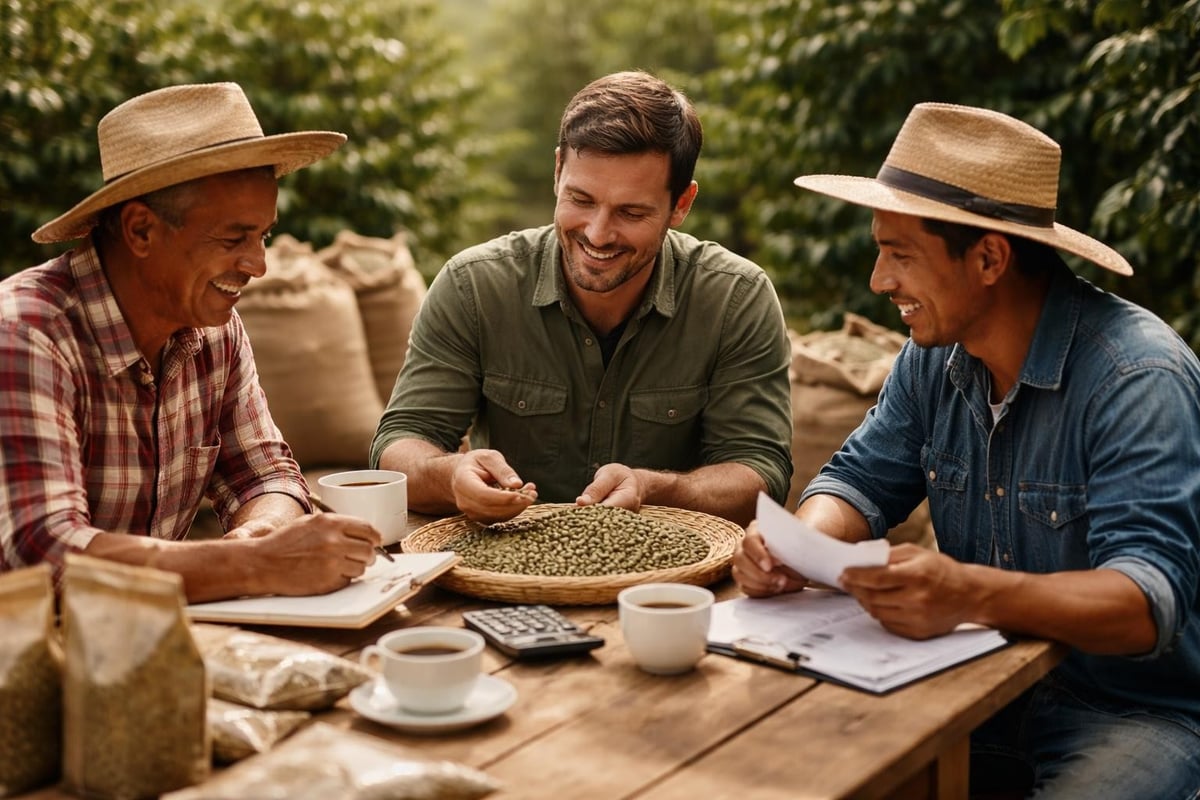
Direct trade relationships allow roasters to work closely with specific farms and cooperatives, creating partnerships that benefit both parties. These arrangements typically involve visiting origin farms, understanding local challenges, and collaborating on quality improvement initiatives. The National Coffee Association reports that direct trade relationships have grown significantly, with more roasters seeking transparent supply chains.
For roasters building their shelter specialty coffee program, establishing these relationships requires:
- Initial farm visits to assess quality potential and establish personal connections
- Quality premium agreements that reward farmers for exceptional beans
- Multi-year contracts providing stability and encouraging investment in quality
- Technical support sharing knowledge about processing and drying techniques
- Regular communication maintaining relationships throughout the year
These practices align with Fairtrade International principles while often going beyond minimum standards to create truly collaborative partnerships.
Roasting Philosophy for Shelter Specialty Coffee
The roasting process transforms green coffee beans into the aromatic, flavorful product consumers recognize. For shelter specialty coffee, roasting philosophy centers on highlighting inherent bean characteristics rather than masking them with dark roast profiles. This approach requires precision, expertise, and deep understanding of how different origins respond to heat application.
Roast Profile Development
Each origin and processing method demands unique roast profile development. Ethiopian natural-process beans require different treatment than washed Colombian coffees. Roasters developing shelter specialty coffee offerings must invest time in sample roasting, cupping, and profile refinement to unlock each bean's potential.
Profile development stages include:
- Charge temperature establishment
- Drying phase monitoring (until yellowing)
- Maillard reaction control (browning development)
- First crack timing and temperature
- Development time ratio optimization
- Drop temperature selection
Small-batch roasting equipment provides the control necessary for this precision work. Unlike large industrial roasters that prioritize consistency across massive volumes, small-batch systems allow roasters to adjust profiles for specific lots, crop seasons, and even individual bags when necessary.
Building a Shelter Specialty Coffee Product Line
Creating a compelling shelter specialty coffee product line requires strategic thinking about variety, accessibility, and consumer preferences. The goal is offering diverse options while maintaining quality consistency across all offerings. Velours de Paris Coffee exemplifies this approach with carefully curated selections ranging from single origins to thoughtfully crafted blends.
Single Origin Offerings
Single origin coffees showcase the unique terroir and characteristics of specific growing regions. These offerings appeal to coffee enthusiasts seeking distinctive flavor experiences and traceable sourcing stories. When building a single origin lineup, consider representing diverse flavor profiles:
- African origins (Ethiopia, Kenya, Rwanda) offering bright acidity and fruit-forward notes
- Central American coffees (Guatemala, Costa Rica, Honduras) providing chocolate and nut characteristics
- South American selections (Colombia, Brazil, Peru) delivering balanced, approachable profiles
- Asian coffees (Indonesia, India, Papua New Guinea) presenting earthy, full-bodied complexity
Each origin should come with detailed information about the specific farm or cooperative, processing method, elevation, and tasting notes. This transparency builds trust and educates consumers about the diversity within specialty coffee.
Strategic Blend Development
While single origins highlight specific regional characteristics, blends offer roasters the opportunity to create consistent, balanced profiles that appeal to broader audiences. Shelter specialty coffee blends should still maintain high quality standards, using only specialty-grade beans in thoughtful combinations.
For newcomers to specialty coffee, offerings like the breakfast blend provide approachable entry points. These blends typically combine beans from multiple origins to create smooth, balanced cups that work well with various brewing methods. The key is maintaining quality while ensuring accessibility.
Seasonal blend development keeps product lines fresh and allows roasters to showcase limited-availability beans. Holiday blends, summer cold brew blends, and other seasonal offerings create excitement and encourage repeat purchases throughout the year.
Flavor Profiles and Consumer Education
Educating consumers about flavor complexity represents a crucial component of shelter specialty coffee success. Many coffee drinkers have limited experience with specialty-grade beans and need guidance understanding tasting notes, processing methods, and brewing variables that affect final cup quality.
Developing Flavor Literacy
The specialty coffee industry uses a standardized flavor wheel to describe coffee characteristics, but most consumers find this overwhelming initially. Effective consumer education breaks down flavor into accessible categories:
- Sweetness levels (caramel, chocolate, honey, fruit sugars)
- Acidity types (citrus brightness, wine-like notes, crisp apple)
- Body descriptions (light and tea-like, medium and smooth, heavy and syrupy)
- Finish characteristics (clean, lingering, evolving)
According to Perfect Daily Grind, successful specialty coffee retailers invest in staff training and customer education to build appreciation for quality coffee. This investment pays dividends through increased customer loyalty and willingness to pay premium prices for exceptional beans.
Processing Methods and Their Impact
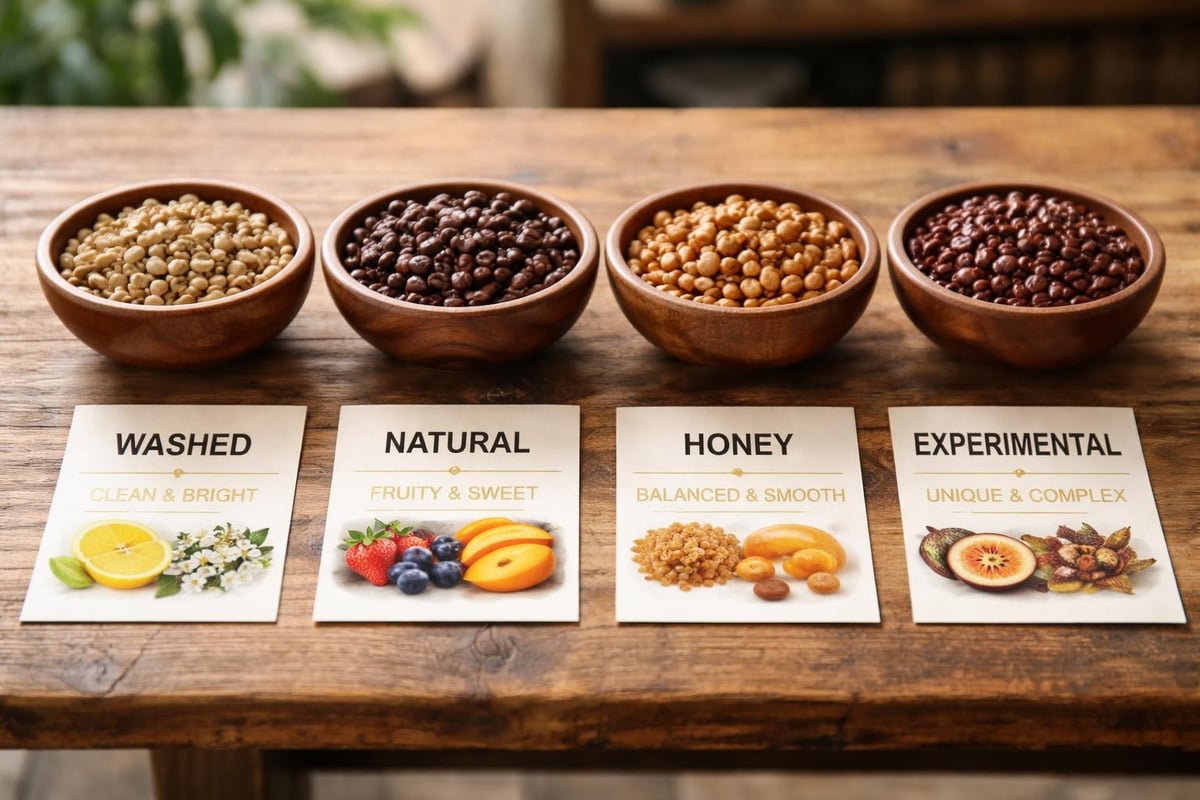
Coffee processing significantly influences final cup characteristics, making it essential knowledge for shelter specialty coffee roasters and their customers. The method used to remove coffee cherries from beans affects flavor, body, and acidity in distinct ways.
| Processing Method | Description | Flavor Impact | Common Origins |
|---|---|---|---|
| Washed/Wet | Cherries removed before drying | Clean, bright, high acidity | Central America, East Africa |
| Natural/Dry | Cherries dry on beans | Fruity, heavy body, lower acidity | Ethiopia, Brazil |
| Honey/Pulped Natural | Partial cherry removal | Balanced sweetness and body | Costa Rica, El Salvador |
| Experimental | Anaerobic, carbonic maceration | Unique, intense flavors | Various innovative farms |
Understanding these processing methods helps roasters select appropriate beans for different product offerings and communicate distinctive characteristics to customers. Resources like Coffee Research Institute provide detailed technical information about how each method affects bean chemistry and flavor development.
Sustainability and Environmental Stewardship
Environmental responsibility forms a cornerstone of shelter specialty coffee values. Climate change poses significant threats to coffee production, with rising temperatures, unpredictable rainfall, and increased pest pressure affecting growing regions worldwide. Roasters committed to shelter specialty coffee principles must consider environmental impact throughout their operations.
Sustainable Growing Practices
Supporting farms that employ sustainable agriculture protects coffee's future while preserving ecosystems. Coffee & Conservation highlights the importance of shade-grown coffee, which maintains forest canopy, supports biodiversity, and produces higher-quality beans than sun-grown alternatives.
Key sustainable practices include:
- Shade-grown cultivation preserving native tree species
- Organic farming eliminating synthetic pesticides and fertilizers
- Water conservation in processing operations
- Soil health management through composting and cover crops
- Agroforestry integration supporting diverse plant species
Roasters can amplify their impact by choosing origin partners who prioritize these practices and communicating these values to consumers who increasingly make purchasing decisions based on environmental considerations.
Roastery Operations Sustainability
Beyond origin sustainability, shelter specialty coffee roasters must examine their own operational footprint. Energy-efficient roasting equipment, renewable energy sources, sustainable packaging materials, and waste reduction initiatives all contribute to environmental responsibility.
Small-batch roasting inherently reduces waste by allowing precise production matching demand. This approach minimizes the risk of beans aging past their peak freshness, which would require disposal. Additionally, many small roasters implement composting programs for chaff and defective beans, further reducing environmental impact.
Packaging and Freshness Preservation
Proper packaging protects the considerable investment made in sourcing, roasting, and developing exceptional shelter specialty coffee. Once roasted, coffee begins degassing and gradually loses volatile aromatic compounds that contribute to flavor complexity. Effective packaging slows this degradation while communicating brand values visually.
Packaging Material Selection
The packaging material choice balances freshness preservation, environmental responsibility, and visual appeal. Common options include:
- Kraft paper bags with one-way valves allowing CO2 release while preventing oxygen entry
- Recyclable aluminum bags providing superior barrier properties
- Compostable bio-based materials offering environmental benefits with adequate protection
- Reusable containers for bulk programs and retail locations
One-way degassing valves represent essential technology for whole bean packaging, allowing fresh-roasted coffee to release carbon dioxide without exposure to oxygen that accelerates staling. For ground coffee, which stales more rapidly due to increased surface area, nitrogen flushing can extend shelf life.
Creating Community Through Shelter Specialty Coffee
The "shelter" concept extends to creating welcoming spaces and communities around coffee. Whether operating retail locations, offering online sales, or supplying wholesale accounts, shelter specialty coffee roasters should foster connection and belonging among customers, staff, and origin partners.
Retail Experience Design
Physical retail spaces provide opportunities to create the shelter atmosphere that defines this approach. Thoughtful design elements include:
- Comfortable seating encouraging extended visits
- Educational displays about origin stories and processing methods
- Tasting bars for cupping and coffee education
- Community event spaces for gatherings and workshops
- Visible roasting operations connecting customers to the craft
These elements transform coffee purchasing from transactional to experiential, building loyalty that extends beyond product quality alone.
Marketing Shelter Specialty Coffee Effectively
Communicating shelter specialty coffee values requires authentic storytelling that resonates with target audiences. Modern coffee consumers, particularly those willing to pay premium prices for exceptional quality, seek brands that align with their values and provide transparency about sourcing and production.
Content Strategy Development
Effective content marketing for shelter specialty coffee includes:
- Origin stories featuring farmers, cooperatives, and growing regions
- Roasting insights explaining profile development and quality control
- Brewing guides helping customers achieve optimal results at home
- Sustainability updates documenting environmental and social initiatives
- Seasonal offerings highlighting limited-availability beans and special blends
This content should appear across multiple channels including websites, social media platforms, email newsletters, and in-store materials. Consistency in messaging and visual branding reinforces shelter specialty coffee positioning.
For those new to specialty coffee, creating accessible entry points encourages exploration. Promotional offers like introductory discounts help potential customers overcome price hesitation and experience quality differences firsthand.
Building Customer Loyalty Programs
Repeat customers form the foundation of sustainable specialty coffee businesses. Loyalty programs should reward frequent purchases while encouraging exploration of different offerings. Effective programs might include:
- Points-based systems offering free products or discounts
- Subscription services providing regular deliveries at reduced prices
- Early access to limited-edition releases for loyal customers
- Educational events and cuppings exclusively for program members
- Referral incentives encouraging word-of-mouth marketing
According to industry research, customer acquisition costs significantly exceed retention costs, making loyalty programs valuable investments for shelter specialty coffee operations.
Brewing Education and Customer Support
Even the finest shelter specialty coffee fails to impress if brewed incorrectly. Comprehensive brewing education ensures customers experience the full flavor potential roasters work so hard to develop. This education should cover multiple brewing methods to accommodate different preferences and equipment availability.
Brewing Method Guidance
Different brewing methods highlight different coffee characteristics. Providing guidance for popular approaches helps customers achieve consistent results:
| Brewing Method | Best For | Key Variables | Recommended Starting Ratio |
|---|---|---|---|
| Pour Over | Clean, bright profiles | Water temperature, pour rate, grind size | 1:16 coffee to water |
| French Press | Full-bodied coffees | Steep time, grind coarseness | 1:15 coffee to water |
| Espresso | Concentrated flavor | Pressure, temperature, time | 1:2 coffee to beverage |
| Cold Brew | Smooth, low-acid coffee | Steep duration, grind size | 1:5 coffee to water |
The science behind coffee extraction, detailed by resources like Coffee Chemistry, helps explain why these variables matter. Water temperature affects extraction efficiency, grind size determines surface area exposed to water, and brew time controls how many compounds dissolve into the final cup.
Pricing Strategy for Premium Positioning
Shelter specialty coffee commands premium pricing justified by superior quality, ethical sourcing, and small-batch roasting. However, pricing must balance profitability with market positioning and customer perception. Understanding the value proposition helps roasters communicate why their products cost more than commodity alternatives.
Cost Structure Analysis
Premium pricing reflects actual cost differences throughout the supply chain:
- Green coffee costs running two to five times commodity prices
- Small-batch roasting requiring more labor and attention per pound
- Quality control involving extensive cupping and sample roasting
- Sustainable packaging materials costing more than basic options
- Direct trade premiums paying farmers above market rates
Transparent communication about these costs builds customer understanding and appreciation for pricing. Rather than competing on price, shelter specialty coffee roasters should emphasize value through quality, ethics, and experience.
Quality Control and Consistency
Maintaining consistency across roast batches while preserving the unique characteristics of different origins requires rigorous quality control protocols. Professional cupping, detailed record-keeping, and systematic evaluation ensure every bag meets established standards before reaching customers.
Cupping Protocol Implementation
Regular cupping sessions provide objective quality assessment and profile verification. Coffee Review demonstrates professional evaluation methodology that roasters can adapt for internal use:
- Sample preparation grinding immediately before evaluation
- Dry fragrance assessment evaluating ground coffee aromatics
- Wet aroma evaluation after hot water addition
- Breaking the crust assessing aromatics released from steep
- Tasting across temperatures as coffee cools from hot to warm to room temperature
- Scoring multiple attributes including acidity, body, flavor, and aftertaste
Documentation from these sessions creates valuable reference data for maintaining consistency and identifying when adjustments to roast profiles become necessary due to crop changes or equipment variations.
Shelter specialty coffee represents more than just premium beans and expert roasting-it embodies a commitment to quality, sustainability, and community that resonates with discerning consumers in 2026. By focusing on direct trade relationships, environmental stewardship, and transparent operations, roasters can build authentic brands that stand out in an increasingly crowded marketplace. Whether you're exploring single origins, discovering complex blends, or seeking your next favorite coffee experience, Velours de Paris Coffee offers carefully curated selections roasted in small batches to deliver exceptional flavor and freshness in every cup.