

Roma Specialty Coffee: A Deep Dive Into Quality
The coffee scene in Rome has experienced a remarkable transformation over the past decade, evolving from traditional espresso bars to a thriving specialty coffee movement. Roma specialty coffee represents more than just a geographical designation; it embodies a fusion of Italy's rich coffee heritage with contemporary third-wave coffee principles. As global coffee consumption reaches new heights and discerning consumers increasingly seek exceptional quality, understanding the nuances of specialty coffee in one of the world's most iconic coffee cities offers valuable insights for coffee enthusiasts and industry professionals alike.
The Evolution of Specialty Coffee Culture in Rome
Rome's coffee culture has deep historical roots, with traditional espresso bars serving as social hubs for generations. However, the emergence of roma specialty coffee signifies a significant departure from conventional practices. The specialty coffee market continues to expand globally, and Rome's adoption of specialty coffee principles demonstrates how traditional coffee cultures can adapt while honoring their heritage.
The shift toward specialty coffee in Rome reflects broader consumer trends favoring transparency, quality, and sustainability. Modern Roman coffee enthusiasts now seek detailed information about origin, processing methods, and roasting profiles. This transformation has created opportunities for roasters who prioritize small-batch production and meticulous sourcing practices.
Key Characteristics Defining Roma Specialty Coffee
Several distinctive elements characterize the roma specialty coffee movement:
- Direct trade relationships with coffee farmers in origin countries
- Light to medium roasting profiles that highlight terroir and varietal characteristics
- Advanced brewing methods including pour-over, Aeropress, and cold brew
- Transparent sourcing practices with traceability to specific farms or cooperatives
- Educational initiatives teaching consumers about coffee quality assessment
These characteristics represent a significant evolution from traditional Italian roasting, which typically favored darker profiles and robusta blends. The specialty coffee approach emphasizes arabica beans, precise roasting, and brewing methods that extract nuanced flavors.
Understanding the Specialty Coffee Grading System
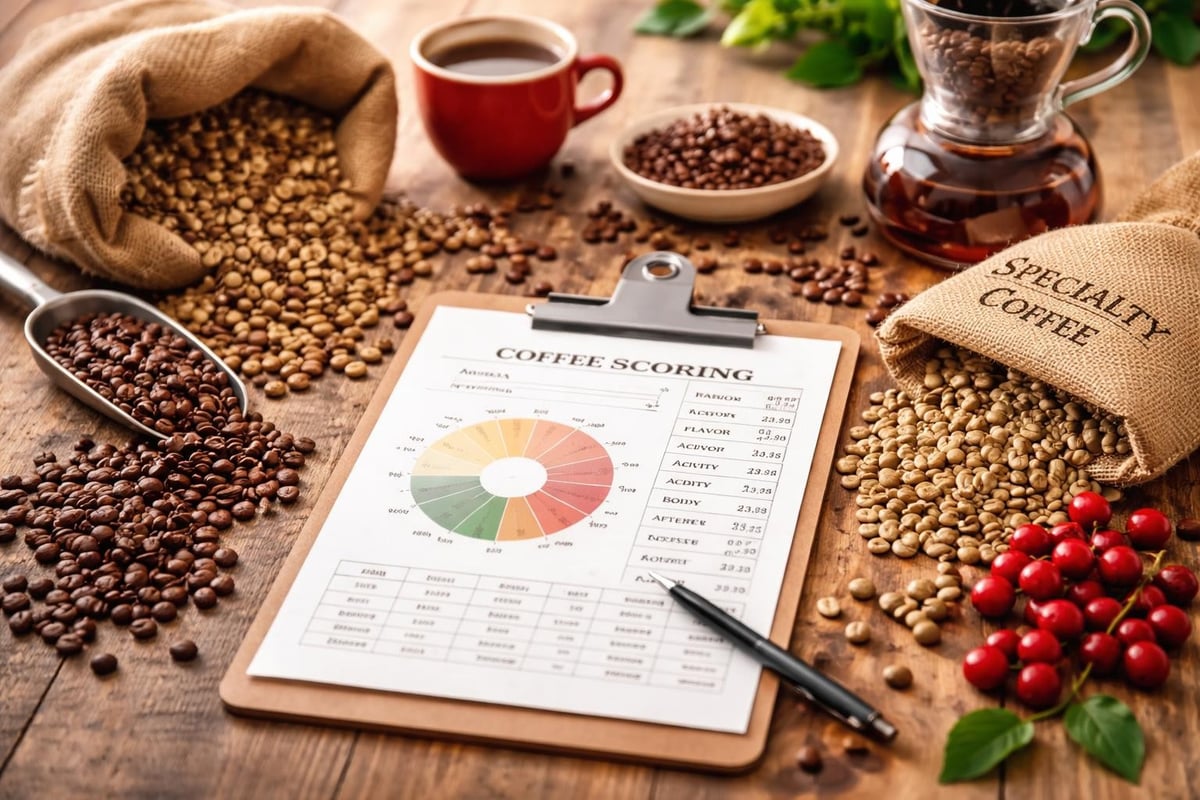
The Specialty Coffee Association (SCA) establishes rigorous standards that define what qualifies as specialty coffee. Beans must score 80 points or higher on a 100-point scale, evaluated by certified Q graders who assess attributes including aroma, flavor, aftertaste, acidity, body, balance, and overall quality.
Roma specialty coffee roasters adhere to these international standards while incorporating Italian sensibilities. This creates a unique position in the market where traditional espresso preparation meets specialty coffee quality benchmarks. The result is espresso that maintains the concentrated intensity expected in Rome while showcasing complex flavor profiles from exceptional beans.
The Scoring Breakdown
| Score Range | Classification | Quality Indicators |
|---|---|---|
| 90-100 | Outstanding | Exceptional complexity, clarity, and balance |
| 85-89.99 | Excellent | Distinct characteristics with notable quality |
| 80-84.99 | Very Good | High quality with clear positive attributes |
| Below 80 | Commercial | May have defects or lack distinction |
This grading system ensures consistency and quality across the specialty coffee industry. For roma specialty coffee, achieving these scores requires careful attention at every stage, from cultivation through final preparation.
Sourcing Strategies for Premium Coffee Beans
The foundation of exceptional roma specialty coffee begins with sourcing decisions. Specialty coffee consumption has reached unprecedented levels, driving demand for traceable, high-quality beans from specific regions and farms.
Successful specialty coffee programs typically employ multiple sourcing strategies:
Direct Trade Partnerships: Establishing long-term relationships with specific farms allows roasters to influence quality at the source, ensure fair compensation, and secure consistent supply of exceptional beans.
Regional Specialty Lots: Working with importers who specialize in micro-lots from renowned coffee regions provides access to limited quantities of outstanding beans with unique flavor profiles.
Competition-Grade Coffees: Purchasing beans that performed well in origin country competitions guarantees exceptional quality and often introduces consumers to innovative processing methods.
For businesses like those offering single origin coffee, these sourcing strategies enable the delivery of distinctive coffees that tell compelling stories about their origins.
Roasting Approaches That Define Roma Specialty Coffee
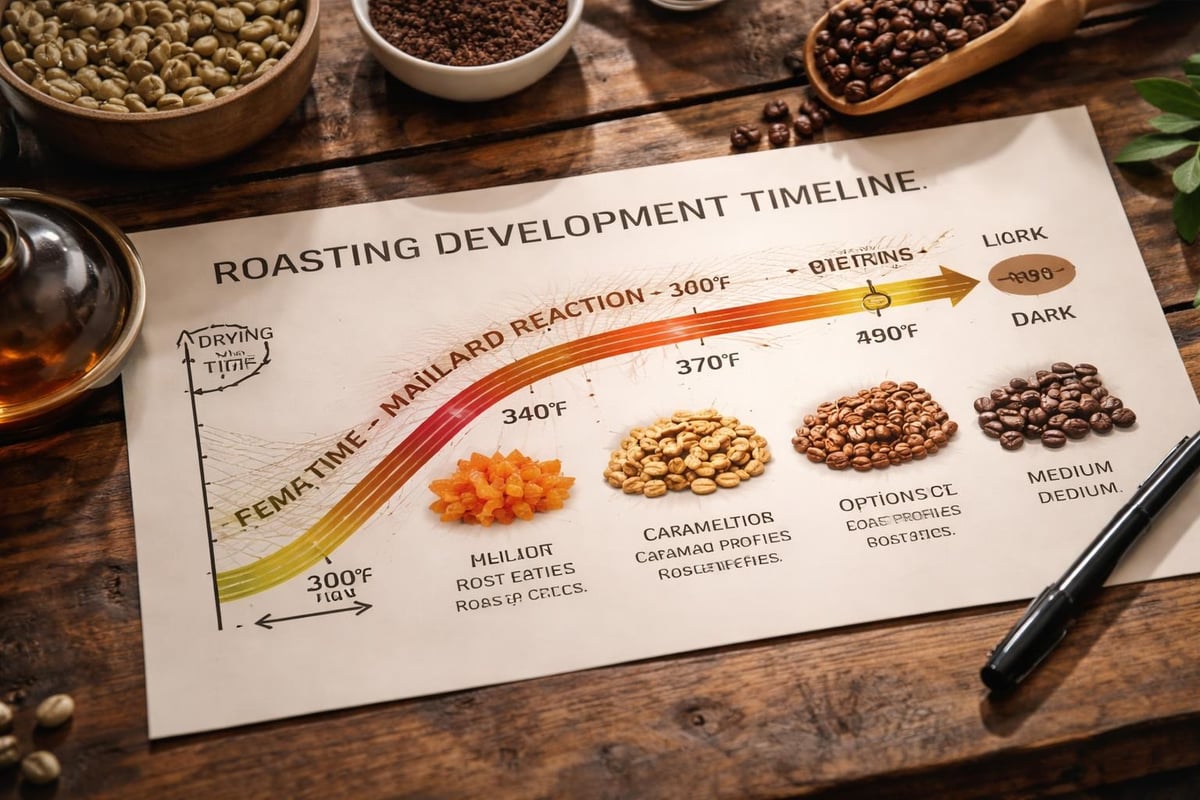
The roasting philosophy separates roma specialty coffee from traditional Italian approaches. While conventional Italian roasting typically develops beans to second crack and beyond, specialty coffee roasters generally stop development earlier to preserve origin characteristics and complex acidity.
Roasting Profile Comparison
| Roast Level | Development Time | Flavor Characteristics | Best Applications |
|---|---|---|---|
| Light | 10-12 minutes | Bright acidity, floral notes, origin-forward | Filter coffee, pour-over |
| Medium | 12-14 minutes | Balanced acidity and body, caramel sweetness | Espresso, drip coffee |
| Medium-Dark | 14-16 minutes | Lower acidity, chocolate notes, fuller body | Traditional espresso |
| Dark | 16+ minutes | Minimal acidity, roast-forward, heavy body | Classic Italian espresso |
Roma specialty coffee roasters often position themselves in the light to medium range, occasionally venturing into medium-dark territory for espresso blends that satisfy local preferences while maintaining specialty standards. This approach requires precise temperature control and careful monitoring of roast development.
Small-batch roasting, a cornerstone of specialty coffee practice, allows for meticulous attention to each coffee's unique characteristics. Roasters can adjust profiles based on bean density, moisture content, and desired flavor outcomes, ensuring consistency across batches while maximizing quality potential.
Brewing Methods Elevating the Roma Specialty Coffee Experience
The roma specialty coffee movement has introduced diverse brewing methods beyond traditional espresso machines. Each preparation technique extracts different flavor compounds, offering varied experiences from the same beans.
Pour-Over Methods: Techniques like V60, Chemex, and Kalita Wave provide clarity and brightness, highlighting acidity and delicate flavor notes that might be overshadowed in espresso preparation.
Immersion Brewing: French press and Aeropress create fuller-bodied cups with pronounced texture, ideal for showcasing coffees with heavier body and chocolate notes.
Cold Brew: Extended extraction at cold temperatures produces smooth, low-acid coffee with natural sweetness, perfect for warm Roman summers. Those exploring cold brew options find this method particularly appealing.
Espresso: When prepared with specialty-grade beans and proper technique, espresso remains the pinnacle of coffee preparation, concentrating flavors into a small, intense serving.
Optimal Brewing Parameters
Different brewing methods require specific parameters to extract optimal flavors:
- Grind size: Adjusted from coarse (French press) to fine (espresso)
- Water temperature: Typically between 195°F and 205°F for hot brewing
- Brew time: Ranging from 25-30 seconds for espresso to 12-24 hours for cold brew
- Coffee-to-water ratio: Generally 1:15 to 1:17 for most methods, 1:2 for espresso
- Water quality: Filtered water with balanced mineral content enhances extraction
Understanding these parameters allows coffee professionals and enthusiasts to replicate consistent results and experiment with flavor profiles.
The Business Landscape of Roma Specialty Coffee
The Roman specialty coffee scene has grown substantially, with numerous establishments prioritizing quality over convenience. This growth reflects broader market dynamics, as the specialty coffee shops market is projected to experience significant expansion through 2029.
For coffee roasters and retailers, several factors influence success in the specialty coffee market:
Brand Differentiation: With increasing competition, establishing a unique identity through distinctive sourcing, roasting style, or customer experience becomes essential.
Education and Engagement: Consumers invest in specialty coffee when they understand what makes it valuable. Tastings, brewing workshops, and transparent communication about sourcing build customer loyalty.
Product Diversity: Offering multiple options allows customers to explore different origins and flavor profiles. Collections featuring coffee blends alongside single origins cater to varied preferences.
Pricing Strategy: Specialty coffee commands premium pricing, but customers must perceive value. Clear communication about quality factors, sourcing practices, and roasting expertise justifies higher price points.
New coffee enthusiasts often appreciate introductory offers that lower the barrier to entry. Save 10% use code: WELCOME10 provides an accessible way for customers to experience premium coffee quality without significant financial commitment, building relationships that often lead to long-term patronage.
Market Trends Shaping the Future of Specialty Coffee
The specialty coffee industry continues evolving rapidly, with several trends particularly relevant to roma specialty coffee and businesses serving discerning coffee consumers.
Sustainability and Traceability: Consumers increasingly demand transparent supply chains and environmentally responsible practices. Specialty coffee roasters respond by highlighting direct trade relationships, organic certifications, and carbon-neutral shipping options.
Experimental Processing Methods: Innovations like anaerobic fermentation, carbonic maceration, and honey processing create distinctive flavor profiles that appeal to adventurous consumers seeking novel experiences.
Micro-Lot Offerings: Limited-availability coffees from specific farms or processing lots create excitement and encourage customers to try new offerings regularly, maintaining engagement with specialty coffee brands.
The U.S. specialty coffee market demonstrates strong growth patterns that influence global trends. American consumer preferences often forecast international developments, making U.S. market analysis valuable for specialty coffee businesses worldwide.
Emerging Consumer Preferences
| Preference Category | Consumer Priority | Business Implications |
|---|---|---|
| Sustainability | Environmental and social responsibility | Transparent sourcing, certifications |
| Convenience | Easy preparation without quality sacrifice | Coffee pods and capsules options |
| Customization | Personalized flavor experiences | Flavored coffee selections |
| Health Consciousness | Lower caffeine without flavor compromise | Quality decaf coffee alternatives |
Understanding these preferences allows specialty coffee businesses to develop product lines that meet evolving consumer demands while maintaining quality standards.
Challenges Facing the Specialty Coffee Industry
Despite robust growth, roma specialty coffee and the broader specialty coffee market face several significant challenges that impact producers, roasters, and consumers.
Price Volatility: Climate change and economic policies contribute to fluctuating coffee prices, creating uncertainty for both farmers and roasters. Specialty coffee's emphasis on quality often provides some insulation from commodity price swings, but significant increases in green coffee costs still impact retail pricing.
Competition Intensity: As specialty coffee grows more popular, new chains and independent shops increase competitive pressure. Differentiation becomes crucial for survival in crowded markets.
Supply Chain Complexity: Maintaining direct trade relationships and ensuring consistent quality across harvests requires significant resources and expertise. Small roasters particularly struggle with the logistics of importing green coffee directly.
Consumer Education: While specialty coffee awareness has grown, many consumers still lack understanding of what justifies premium pricing. Effective education requires ongoing investment in content, events, and customer service.
Addressing these challenges requires strategic planning, operational excellence, and clear communication with customers about value proposition. Businesses that successfully navigate these obstacles position themselves for sustainable growth in the expanding specialty coffee market.
Creating a Specialty Coffee Program for Your Business
Whether operating a cafe, restaurant, or online retail operation, developing a successful specialty coffee program requires careful planning and execution. Roma specialty coffee provides an excellent framework for quality-focused coffee programs.
Step 1: Define Your Quality Standards: Establish clear criteria for bean selection, including minimum cupping scores, origin preferences, and processing methods that align with your brand identity.
Step 2: Develop Supplier Relationships: Identify importers or direct trade partners who can provide consistent access to high-quality beans that meet your specifications.
Step 3: Invest in Equipment: Quality roasting equipment, proper storage solutions, and appropriate brewing devices are non-negotiable for specialty coffee programs.
Step 4: Train Your Team: Staff must understand what makes your coffee special and communicate that value to customers. Regular cupping sessions and education maintain expertise.
Step 5: Build Your Product Range: Offer diverse options that cater to different preferences while maintaining quality consistency. Explore offerings through specialty coffee collections to understand market possibilities.
Step 6: Develop Your Brand Story: Communicate your sourcing philosophy, roasting approach, and quality commitment through multiple channels, creating emotional connections with customers.
The Role of Technology in Specialty Coffee Quality
Modern roma specialty coffee businesses leverage technology throughout the production and retail process. Advanced roasting software enables precise profile control and repeatability, ensuring consistency across batches. Data logging allows roasters to analyze and refine their approaches continuously.
Customer-facing technology also plays an important role. E-commerce platforms enable specialty coffee roasters to reach customers beyond their immediate geographic area, expanding market potential significantly. Subscription services create recurring revenue while introducing customers to diverse offerings regularly.
Social media and digital marketing allow specialty coffee businesses to share their stories, educate consumers, and build communities around their brands. Behind-the-scenes content showing sourcing trips, roasting processes, and brewing techniques creates transparency that resonates with specialty coffee consumers.
Quality control technology, including moisture meters, density sorters, and advanced cupping tools, helps maintain consistency and identify defects before they reach customers. Investment in these technologies differentiates serious specialty coffee operations from those treating quality as secondary.
Flavor Profiles and Tasting Notes in Specialty Coffee
Understanding and communicating flavor profiles represents a crucial skill for specialty coffee professionals. Roma specialty coffee encompasses diverse flavor possibilities depending on origin, processing, and roasting approach.
African Coffees: Typically offer bright acidity, floral aromatics, and fruit-forward flavors ranging from berries to citrus. Ethiopian coffees particularly exemplify these characteristics.
Central American Coffees: Generally provide balanced profiles with chocolate notes, mild acidity, and nutty undertones. These coffees often form the foundation of approachable blends.
South American Coffees: Frequently feature medium body, caramel sweetness, and mild acidity. Colombian and Brazilian coffees anchor many espresso blends with their consistency and versatility.
Asian Coffees: Often present earthy, herbal, and sometimes spicy characteristics with heavy body and low acidity. Sumatran and Indonesian coffees provide distinctive flavor experiences.
Developing vocabulary to describe these flavors helps customers understand what to expect and allows them to identify preferences. Using the SCA flavor wheel provides standardized terminology that facilitates communication across the industry.
Building Customer Loyalty Through Quality and Experience
The specialty coffee market's growth creates opportunities but also intensifies competition. Building lasting customer relationships requires more than exceptional coffee; it demands memorable experiences and consistent value delivery.
Consistency: Customers expect their favorite coffee to taste the same with each purchase. Rigorous quality control, detailed roasting records, and proper storage ensure repeatability.
Discovery: Regular introduction of new origins, processing methods, or limited releases keeps customers engaged and encourages repeat purchases. Seasonal offerings and micro-lots create excitement around your brand.
Education: Providing brewing tips, origin stories, and tasting notes empowers customers to achieve better results at home, increasing satisfaction and perceived value.
Community: Creating spaces (physical or digital) where coffee enthusiasts connect builds loyalty beyond transactional relationships. Events, tastings, and social media engagement foster community.
Accessibility: While maintaining quality standards, offering various price points and product formats ensures specialty coffee remains accessible to customers at different stages of their coffee journey.
Businesses that view each customer interaction as an opportunity to deepen relationships rather than simply complete transactions build sustainable competitive advantages in the specialty coffee market.
The roma specialty coffee movement demonstrates how traditional coffee cultures can evolve while honoring their heritage, creating exciting opportunities for coffee professionals and enthusiasts. By focusing on quality at every stage from sourcing through preparation, specialty coffee delivers exceptional experiences that justify premium pricing and build lasting customer relationships. Velours de Paris Coffee specializes in crafting premium coffee beans sourced from the world's finest regions, offering single origin selections, expertly developed blends, and flavored coffees that all share the common thread of small-batch roasting for exceptional flavor and freshness. Whether you're exploring specialty coffee for the first time or seeking to elevate your existing coffee program, premium beans roasted with expertise provide the foundation for unforgettable coffee experiences.