

Understanding Roasted Price in 2026 Coffee Market
The specialty coffee industry continues to evolve with increasingly sophisticated consumers who understand that quality comes with a corresponding investment. Understanding roasted price dynamics has become essential for both coffee producers and consumers who want to make informed decisions about their coffee purchases. The pricing structure for roasted coffee beans reflects a complex interplay of factors ranging from green coffee costs to roasting techniques, packaging choices, and market positioning strategies that define premium offerings in today's competitive landscape.
The Foundation of Roasted Coffee Pricing
The roasted price begins long before beans enter the roaster, starting at origin where farmers cultivate, harvest, and process green coffee. Global green coffee prices fluctuate based on numerous factors including weather patterns, political stability in growing regions, and international commodity markets. Specialty-grade beans command premium prices at origin because they represent the top tier of coffee production, typically scoring 80 points or above on the Specialty Coffee Association's 100-point scale.
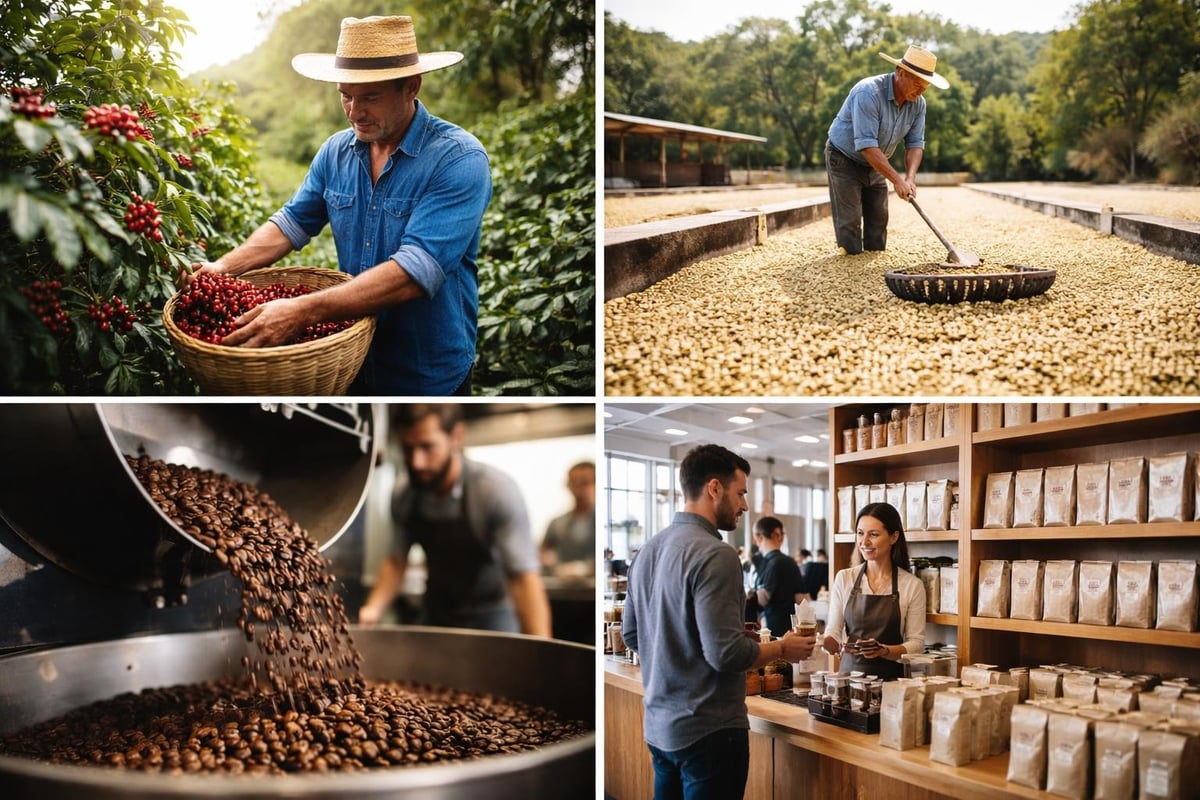
Transportation and importation costs add another layer to the final roasted price structure. Coffee must travel thousands of miles from growing regions in Latin America, Africa, and Asia to roasting facilities worldwide. Import duties, shipping expenses, and currency exchange rates all influence the landed cost of green coffee before it ever reaches the roasting stage.
Green Coffee Cost Variables
Several specific factors affect green coffee acquisition costs:
- Origin premiums for highly sought-after regions like Ethiopian Yirgacheffe or Panamanian Geisha
- Processing method expenses with washed, natural, and honey-processed coffees each carrying different price points
- Certification costs for organic, Fair Trade, Rainforest Alliance, or Direct Trade programs
- Crop quality variations year to year based on growing conditions
- Farm size and structure with micro-lots commanding significantly higher prices than commodity-grade offerings
The roasted coffee market continues expanding as consumers increasingly prioritize specialty and traceable coffee experiences, which directly impacts pricing structures across the industry.
Roasting Process Impact on Price
The roasting operation itself represents a substantial cost center that influences the final roasted price. Small-batch roasting, which defines specialty coffee operations, requires significant investment in equipment, skilled labor, and quality control systems. Professional-grade roasting machines can cost anywhere from $15,000 for entry-level equipment to over $100,000 for commercial-scale precision roasters.
Energy consumption during roasting adds measurable expense to each batch. Natural gas or electric roasters must reach temperatures between 370°F and 540°F, maintaining precise heat curves throughout the roasting process. Batch sizes matter considerably in the economics of roasting, with smaller batches allowing for greater quality control but increasing per-pound production costs.
| Cost Factor | Small-Batch Impact | Large-Batch Impact |
|---|---|---|
| Equipment utilization | Lower efficiency | Higher efficiency |
| Labor per pound | Higher cost | Lower cost |
| Quality control | More precise | Less individualized |
| Energy per pound | Higher expense | Lower expense |
| Waste percentage | Typically lower | Potentially higher |
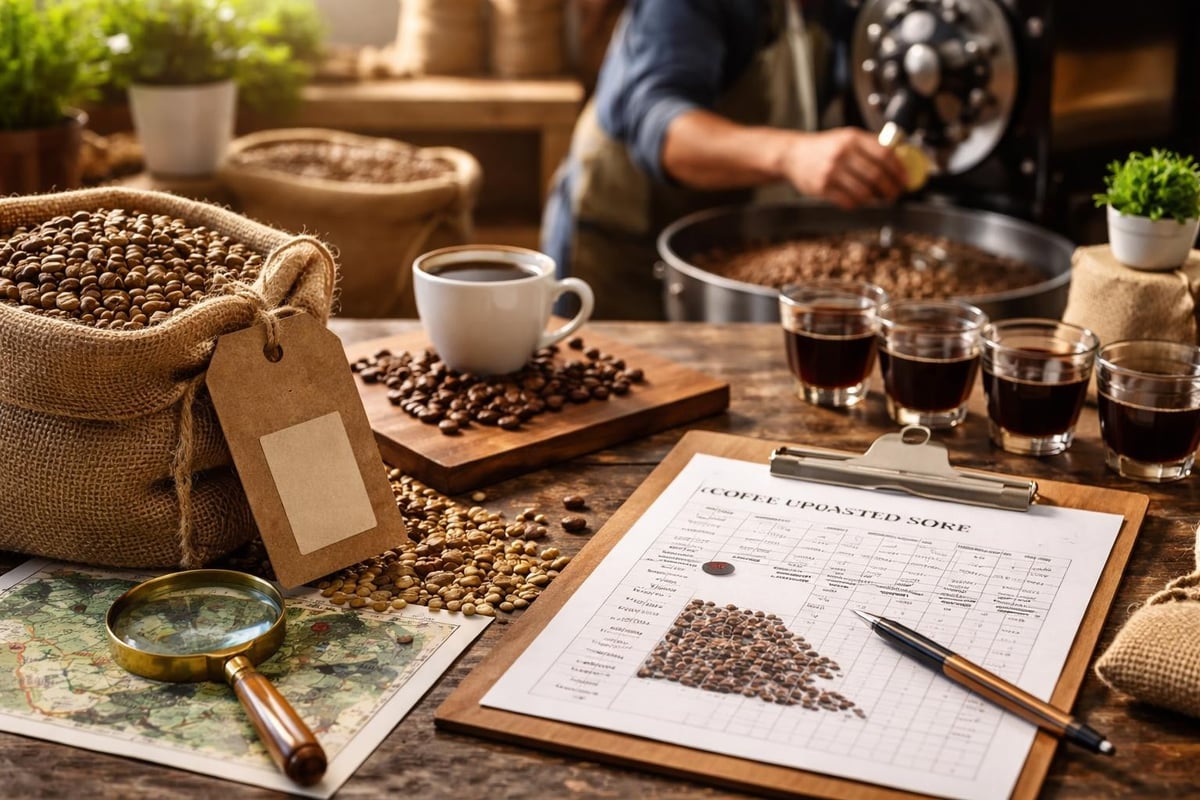
Quality assurance protocols add further expense to specialty roasting operations. Professional cuppers evaluate each roast batch, equipment requires regular calibration and maintenance, and consistency testing demands both time and expertise. These quality investments directly contribute to roasted price but ensure the exceptional flavor profiles that specialty coffee consumers expect.
Market Positioning and Brand Value
Brand positioning significantly influences roasted price structures within the specialty coffee market. Established roasters with strong reputations can command premium pricing based on their track record of quality and consistency. New entrants must balance competitive pricing with the need to maintain margins sufficient for business sustainability.
The rising coffee culture among millennials has expanded the market for premium roasted coffee, creating opportunities for differentiated pricing strategies. Consumers willing to pay premium prices seek distinctive flavor experiences, origin transparency, and alignment with their values regarding sustainability and fair compensation for farmers.
Price Positioning Strategies
Successful specialty roasters employ various approaches to roasted price positioning:
- Ultra-premium positioning with limited-edition micro-lots priced above $30 per pound
- Premium everyday offerings ranging from $18 to $25 per pound for exceptional quality
- Accessible specialty pricing between $14 and $18 per pound to attract new specialty coffee consumers
- Subscription discounts offering 10-15% savings for committed customers
- Volume incentives for customers purchasing multiple bags or larger quantities
Customer education plays a crucial role in justifying roasted price premiums. When consumers understand the value chain from farmer to cup, they better appreciate why specialty single-origin coffee costs more than commodity alternatives found in supermarkets.
Supply Chain Challenges and Price Volatility
The coffee industry faces ongoing supply chain complexities that create roasted price volatility. Volatile green coffee prices and supply chain disruptions present ongoing challenges that directly impact production costs and profit margins throughout the roasted coffee market. Climate change increasingly affects coffee-growing regions, with unpredictable weather patterns threatening crop yields and quality.
Transportation disruptions witnessed during recent global events demonstrated how quickly roasted price can be affected by external factors. Container shortages, port congestion, and increased shipping costs added substantial expense to coffee imports. These challenges particularly impact small-batch roasters who lack the purchasing power and storage capacity of larger competitors.
Currency fluctuations between the US dollar and currencies in coffee-producing nations create additional pricing uncertainty. When the dollar weakens against currencies like the Brazilian real or Colombian peso, green coffee becomes more expensive for US roasters. These macro economic factors influence roasted price in ways beyond any individual roaster's control.
Packaging and Presentation Costs
Packaging represents another significant component of roasted price that consumers often overlook. Specialty coffee requires packaging that preserves freshness while communicating brand identity and product information. Valve-sealed bags with one-way degassing valves prevent oxygen exposure while allowing carbon dioxide to escape, extending shelf life and maintaining flavor integrity.
Premium packaging materials cost substantially more than basic alternatives:
| Packaging Type | Cost Per Unit | Shelf Life | Environmental Impact |
|---|---|---|---|
| Basic paper bag | $0.15-0.30 | 2-3 weeks | Moderate |
| Valve bag (standard) | $0.40-0.70 | 6-8 weeks | Higher |
| Premium valve bag | $0.75-1.25 | 8-12 weeks | Variable |
| Compostable packaging | $1.00-1.75 | 6-8 weeks | Lower |
| Tin containers | $2.50-5.00 | 12+ weeks | Reusable |
Sustainable packaging options increasingly influence roasted price structures as environmentally conscious consumers demand alternatives to traditional materials. Compostable bags, recyclable tins, and biodegradable labels typically cost more but align with the values of specialty coffee consumers willing to pay premium prices for products that minimize environmental impact.
Retail Channel Pricing Dynamics
The sales channel significantly affects final roasted price to consumers. Direct-to-consumer sales through roaster websites or cafés eliminate wholesale margins, potentially offering better value while maintaining roaster profitability. Wholesale relationships with cafés, grocery stores, or online retailers require price structures that accommodate distributor margins while remaining competitive at retail.
Direct sales models allow roasters to maintain closer margins on roasted price. For customers looking to experience premium coffee while managing costs, exploring coffee sample packs provides an accessible entry point to specialty offerings. Many roasters now offer subscription services with modest discounts to reward customer loyalty and ensure predictable revenue streams.
Wholesale pricing typically ranges from 40-50% of suggested retail price, requiring roasters to factor these margins into their cost structures. A coffee retailing at $20 per bag might wholesale for $10-12, meaning the roaster must cover all production costs and maintain profitability within that wholesale price point. This reality explains why roasted price varies substantially between direct purchases and retail store offerings.
Labor and Operational Expenses
Skilled labor represents one of the largest ongoing expenses in specialty coffee roasting operations. Professional roasters require extensive training and experience to develop consistent roasting profiles that bring out optimal flavors in different coffee origins. Master roasters with years of experience command salaries reflecting their expertise, and this labor cost necessarily factors into roasted price structures.
Beyond roasting itself, specialty coffee operations require staff for quality control, packaging, customer service, marketing, and business administration. Small-batch roasters typically operate with lean teams where individuals wear multiple hats, but labor costs still represent 25-35% of total operational expenses for most specialty roasting businesses.
Operational Cost Components
Understanding the full scope of operational expenses clarifies roasted price justification:
- Facility rent and utilities averaging $3,000-10,000 monthly depending on location and scale
- Equipment maintenance and replacement reserves
- Insurance coverage for product liability and business operations
- Inventory carrying costs for green coffee storage
- Marketing and customer acquisition expenses
- Technology infrastructure for e-commerce and business management
- Regulatory compliance and licensing requirements
The roasted coffee market growth continues driven by rising demand for specialty offerings and expanding coffee shop culture, creating both opportunities and competitive pressures that influence pricing strategies.
Seasonal Variations and Limited Releases
Seasonal variations in coffee availability create natural roasted price fluctuations throughout the year. Coffee harvests occur at different times depending on geography, with most origins having primary and sometimes secondary harvests. Peak freshness occurs within months of harvest, and truly exceptional lots may command premium pricing when first available.
Limited-release coffees from competition lots or experimental processing methods often carry substantially higher roasted price tags. Auction lots from prestigious competitions like Cup of Excellence can cost hundreds of dollars per pound at origin, resulting in retail prices exceeding $50-100 per pound for consumers. These ultra-premium offerings serve niche markets but demonstrate the upper bounds of specialty coffee pricing.
Seasonal flavored coffee offerings provide another pricing dimension, with holiday blends or limited-edition flavors sometimes commanding premium prices based on novelty and limited availability. Smart consumers can find value by purchasing seasonally appropriate offerings when they're most abundant.
Certification and Sustainability Premiums
Third-party certifications add measurable costs to roasted price but provide valuable assurances about production methods and social responsibility. Organic certification requires farmers to follow strict protocols for soil management, pest control, and processing, with certification bodies charging fees for inspection and verification. These costs pass through the supply chain, typically adding $2-5 per pound to roasted price.
Fair Trade certification ensures minimum prices for farmers and community development premiums, directly increasing green coffee costs. Direct Trade relationships, while not formally certified, often involve even higher premiums paid to farmers in exchange for exceptional quality and transparent partnerships. Consumers increasingly value these certifications, viewing the roasted price premium as worthwhile investment in ethical sourcing.
| Certification Type | Cost Impact | Primary Benefit | Consumer Appeal |
|---|---|---|---|
| Organic | +$2-4/lb | Environmental standards | High |
| Fair Trade | +$1-3/lb | Farmer compensation | Very high |
| Rainforest Alliance | +$1-2/lb | Sustainability | Moderate |
| Direct Trade | +$3-6/lb | Quality + transparency | High |
| Bird Friendly | +$2-3/lb | Habitat preservation | Moderate |
Sustainability investments extend beyond formal certifications to include carbon-neutral shipping, renewable energy for roasting operations, and community development programs at origin. These commitments require financial investment that influences roasted price but increasingly differentiate premium brands in competitive markets.
Competitive Analysis and Market Research
Understanding competitive roasted price positioning requires ongoing market analysis. Specialty roasters must monitor pricing from direct competitors, evaluate value propositions, and adjust their strategies based on market conditions. Market concentration and innovation characterize the roasted coffee industry, with continuous product and process improvements driving differentiation.
Price transparency has increased dramatically with e-commerce, allowing consumers to easily compare roasted price across multiple roasters. This transparency creates pressure for competitive pricing while rewarding roasters who effectively communicate their value propositions. Successful specialty roasters focus less on being the cheapest option and more on clearly articulating why their roasted price delivers exceptional value.
Regional pricing variations reflect local market conditions, with urban areas typically supporting higher roasted price points than rural markets. Cost of living differences, competition density, and consumer demographics all influence optimal pricing strategies for specialty coffee businesses.
Building Value Beyond Price
The most successful specialty roasters build value propositions that transcend simple roasted price comparisons. Customer education about coffee origins, processing methods, and roasting techniques helps consumers appreciate quality differences that justify premium pricing. Transparency about sourcing relationships and farmer partnerships creates emotional connections that support higher price points.
Exceptional customer service adds intangible value that influences purchase decisions beyond roasted price alone. Responsive communication, personalized recommendations, and hassle-free returns build customer loyalty that reduces price sensitivity. Many specialty coffee consumers develop strong preferences for specific roasters based on consistent quality and positive experiences rather than simply seeking the lowest price.
For those new to specialty coffee or looking to explore different options while being mindful of budget, taking advantage of introductory offers can provide excellent value. Customers exploring premium coffee can save 10% using code WELCOME10 on their first order from Velours de Paris Coffee, making it easier to experience small-batch roasted excellence at an accessible price point.
Future Trends in Coffee Pricing
Looking ahead through 2026 and beyond, several trends will likely influence roasted price structures. Climate change continues threatening traditional growing regions, potentially reducing supply and increasing prices for certain origins. Technological advances in roasting equipment and process control may improve efficiency and consistency, potentially moderating some cost pressures.
Consumer demand for transparency and traceability continues growing, with blockchain and other technologies enabling unprecedented supply chain visibility. These systems require investment but could justify premium roasted price by providing verifiable proof of quality and ethical sourcing claims that increasingly matter to specialty coffee consumers.
The intensifying competition in the roasted coffee market driven by innovation and evolving consumer demands creates both challenges and opportunities for pricing strategies. Successful roasters will balance quality investments with pricing accessibility to build sustainable businesses serving discerning coffee enthusiasts.
Subscription models and direct-to-consumer sales channels will likely expand, potentially offering more favorable roasted price structures by eliminating intermediary margins. The growth of specialty coffee offerings reflects broader market trends toward premiumization and quality-focused consumption patterns.
Understanding the factors that determine roasted price empowers consumers to make informed decisions about their coffee purchases while appreciating the value delivered by specialty roasters. From sustainable sourcing practices to small-batch roasting excellence, the premium you pay reflects genuine quality and ethical business practices throughout the supply chain. Velours de Paris Coffee brings together exceptional beans from the world's finest regions with meticulous small-batch roasting to deliver outstanding flavor in every cup, making the investment in quality coffee truly worthwhile for discerning enthusiasts seeking the perfect brew.