

Roasted Fresh Coffee: The Art of Peak Flavor
The difference between mediocre coffee and an exceptional cup often comes down to a single critical factor: freshness. Roasted fresh coffee represents the pinnacle of coffee craftsmanship, where carefully selected beans are transformed at their peak moment to deliver maximum flavor, aroma, and complexity. Understanding what makes freshly roasted coffee superior requires exploring the science behind roasting, the timeline of flavor degradation, and the practices that preserve coffee's most desirable qualities from roaster to cup.
The Science Behind Fresh Coffee Roasting
Coffee roasting triggers hundreds of chemical reactions that fundamentally alter green coffee beans. Heat transforms the cellular structure, releases oils, and creates the aromatic compounds that define coffee's character. This process begins at approximately 350°F and continues through various stages until reaching temperatures between 400-450°F for most roast profiles.
Chemical Transformations During Roasting
The Maillard reaction stands as one of the most important chemical processes during roasting. This reaction between amino acids and reducing sugars creates melanoidins, which contribute to coffee's brown color and complex flavor notes. Simultaneously, caramelization of sugars produces sweetness and body, while pyrolysis breaks down organic material to release volatile aromatic compounds.
Key chemical changes include:
- Formation of over 800 volatile aromatic compounds
- Release of carbon dioxide gas trapped within bean structure
- Development of oils that carry flavor molecules
- Creation of nutty and roasted aromas from pyrazine compounds
- Reduction of chlorogenic acids that affect acidity
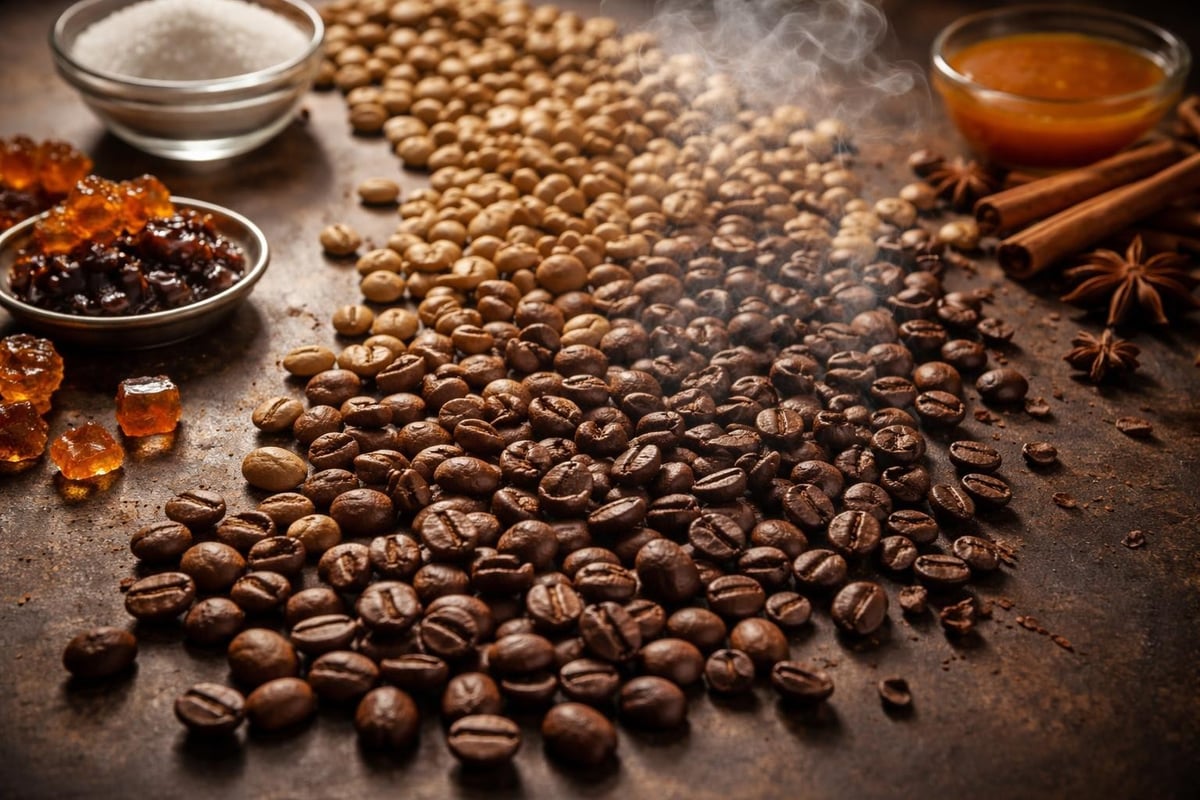
Fresh roasting preserves these delicate compounds at their most vibrant state. Within hours of roasting, beans begin releasing carbon dioxide while simultaneously absorbing oxygen, which initiates oxidation and flavor degradation. This is precisely why roasted fresh coffee tastes dramatically different from beans that have sat on shelves for weeks or months.
Timing Matters: The Freshness Window
The moment beans exit the roaster marks the beginning of a race against time. Coffee reaches its flavor peak within a specific window, and understanding this timeline helps coffee enthusiasts maximize their experience.
The Degassing Period
Immediately after roasting, beans release significant amounts of carbon dioxide. This degassing process continues intensely for the first 24-48 hours, then gradually decreases over the following weeks. Many roasters recommend waiting 2-7 days after roasting before brewing to allow this initial gas release to stabilize, which prevents uneven extraction and overly sharp flavors.
| Time Period | Bean Condition | Flavor Profile |
|---|---|---|
| 0-2 days | Heavy degassing | Often too sharp, grassy notes |
| 3-14 days | Peak freshness | Optimal complexity and balance |
| 15-30 days | Good quality | Noticeable but acceptable |
| 30+ days | Declining | Flat, stale, losing character |
Optimal consumption windows vary by roast level:
- Light roasts: 5-21 days post-roast
- Medium roasts: 4-14 days post-roast
- Dark roasts: 3-10 days post-roast
Darker roasts have a shorter optimal window because the roasting process creates more surface oils and porous structures that accelerate oxidation. This makes fresh roasted coffee particularly crucial for dark roast enthusiasts who want to experience rich, bold flavors without bitterness from rancid oils.
Small-Batch Roasting Advantages
Commercial large-scale roasting operations often prioritize efficiency and shelf stability over peak flavor. Small-batch roasting, by contrast, focuses on precision and freshness, creating opportunities for superior quality control and faster delivery to consumers.
Precision Temperature Control
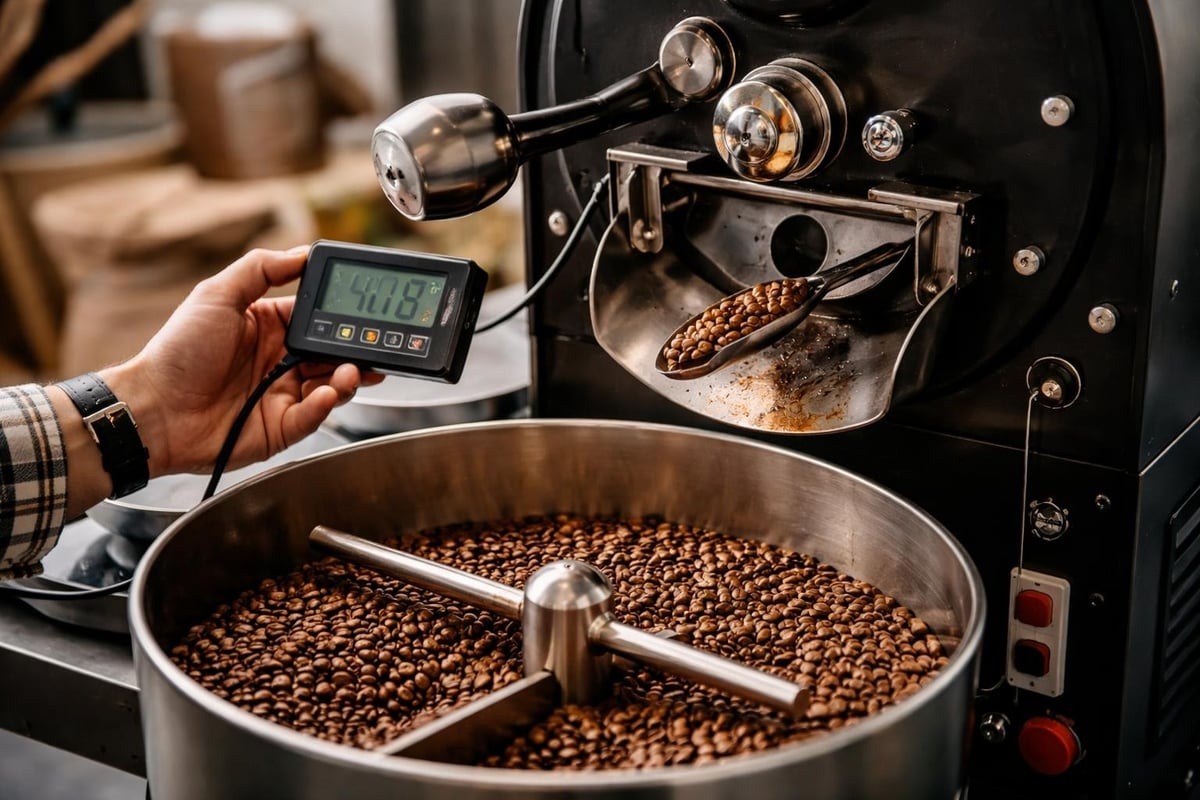
Small batches allow roasters to monitor and adjust temperature curves with exceptional accuracy. Each origin and variety responds differently to heat application, and small-batch methods enable roasters to develop customized profiles that highlight each coffee's unique characteristics. This attention to detail ensures that roasted fresh coffee expresses its full potential rather than conforming to generic roasting standards.
Temperature profiling in small batches permits roasters to:
- Control the rate of rise throughout the roast
- Adjust airflow for even heat distribution
- Time the first and second cracks precisely
- Develop specific flavor notes intentionally
- Minimize defects and inconsistencies
Reduced Inventory Time
When coffee roasters produce smaller quantities more frequently, beans spend less time in storage before reaching customers. This model aligns perfectly with the freshness requirements of premium coffee. Many specialty roasters now operate on a roast-to-order basis, ensuring customers receive beans within days of roasting rather than weeks or months after production.
Storage Practices That Preserve Freshness
Even perfectly roasted coffee loses quality rapidly without proper storage. Storing roasted coffee beans correctly protects against the four primary enemies of freshness: oxygen, light, heat, and moisture.
Packaging Technologies
Modern coffee packaging has evolved significantly to extend freshness windows. One-way degassing valves allow carbon dioxide to escape while preventing oxygen ingress, protecting roasted fresh coffee from oxidation during the critical post-roast period.
Effective packaging options include:
- Foil-lined bags with one-way valves
- Vacuum-sealed containers
- Nitrogen-flushed packages
- Airtight tins with rubber seals
| Storage Method | Freshness Duration | Best For |
|---|---|---|
| Original valve bag | 2-4 weeks | Daily use quantities |
| Airtight container | 3-5 weeks | Home storage after opening |
| Vacuum sealed | 6-8 weeks | Unopened storage |
| Freezer (properly sealed) | 2-3 months | Long-term backup supply |
When you want to enjoy roasted fresh coffee at its absolute best, purchasing smaller quantities more frequently proves far superior to buying large amounts that gradually deteriorate. For those new to specialty coffee, exploring sample packs provides an excellent way to experience different origins and roast levels while maintaining optimal freshness.
Many coffee enthusiasts save 10% on their first purchase using special welcome offers, making it easier to try multiple varieties without committing to large quantities. Starting with a new coffee routine has never been more accessible or rewarding.
The Home Roasting Movement
Interest in home roasting coffee has surged as coffee lovers seek ultimate control over freshness and flavor profiles. While requiring investment in equipment and learning, home roasting delivers unmatched freshness since consumption happens just days after roasting.
Equipment Options for Home Roasters
Home roasting equipment ranges from simple stovetop methods to sophisticated automated machines. Each approach offers different levels of control, capacity, and consistency:
- Popcorn poppers: Entry-level, limited control
- Stovetop roasters: Manual, requires attention
- Dedicated home roasters: Automated temperature control
- Sample roasters: Professional-quality for enthusiasts
- Modified drum roasters: Maximum capacity and control
The learning curve for home roasting involves understanding bean behavior during different roast stages, developing consistent techniques, and recognizing when beans reach desired roast levels by sound, smell, and visual cues. However, the reward of drinking coffee roasted just days earlier makes the effort worthwhile for dedicated enthusiasts.
Comparing Fresh Versus Stale Coffee
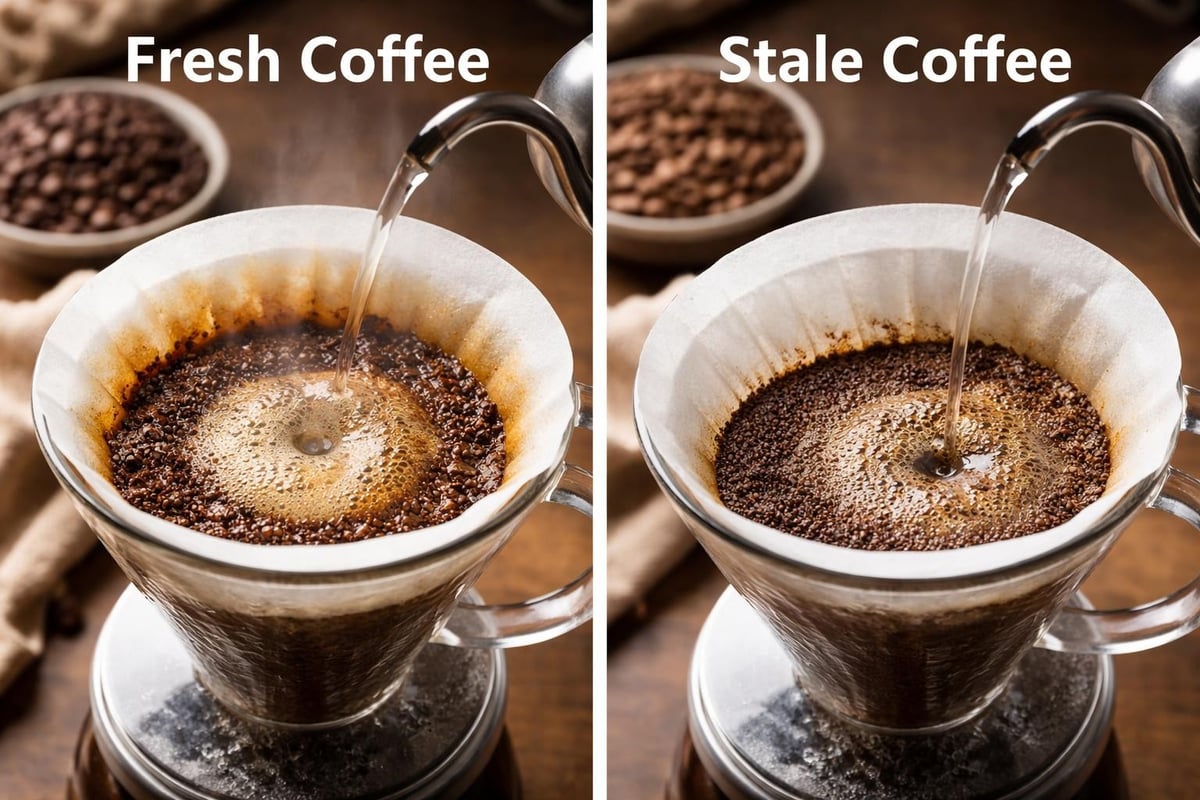
The sensory difference between roasted fresh coffee and stale beans becomes immediately apparent in side-by-side comparisons. Fresh coffee exhibits vibrant acidity, complex aromatics, and layered flavor notes that evolve throughout the cup. Stale coffee, by contrast, tastes flat, one-dimensional, and often develops papery or cardboard-like off-flavors.
Aroma Indicators
Fresh coffee releases intense, pleasant aromas when the bag opens and when ground. These aromatics include fruity, floral, nutty, chocolatey, or spicy notes depending on origin and roast level. Stale coffee produces weak, muted, or musty aromas that fail to stimulate the senses.
Freshness indicators to assess:
- Strong aroma when opening the bag
- Visible oils on dark roast beans (within 2 weeks of roasting)
- Coffee blooms and expands during brewing
- Crema formation in espresso
- Flavor complexity and clarity in the cup
Professional cupping protocols always specify roasted fresh coffee for evaluation because only recently roasted beans accurately represent a coffee's true character. Understanding why roasted-to-order coffee tastes better helps consumers appreciate the value proposition of purchasing from roasters who prioritize freshness over convenience.
Regional Sourcing and Roasting Timing
Coffee's journey from farm to cup involves multiple stages, and roasting timing significantly impacts the final product quality. Green coffee beans can maintain quality for months when properly stored, but once roasted, the clock starts ticking immediately.
Single-Origin Seasonality
Single-origin coffees reflect specific terroir and seasonal harvest cycles. Responsible roasters time their purchases to coincide with harvest seasons, ensuring green beans arrive fresh for roasting. This synchronization between harvest, import, and roasting creates optimal conditions for producing exceptional roasted fresh coffee.
Different growing regions harvest at various times throughout the year:
- Central America: November through March
- South America: April through September
- East Africa: October through December (main crop)
- Indonesia: Year-round with regional variations
By sourcing green coffee shortly after harvest and roasting in small batches as needed, specialty roasters maintain freshness throughout the entire supply chain. This farm-to-cup approach ensures consumers receive coffee that honors both the farmer's work and the roaster's craft.
Brewing Methods and Freshness Requirements
Different brewing methods place varying demands on coffee freshness. Espresso, with its high-pressure extraction and concentrated flavors, particularly benefits from roasted fresh coffee. Pour-over methods highlight clarity and nuance, which also depend heavily on bean freshness for optimal results.
Espresso-Specific Considerations
Espresso preparation amplifies both positive and negative characteristics in coffee. Fresh beans produce rich crema, balanced extraction, and layered flavor profiles. Stale beans yield thin, pale crema and bitter, astringent shots lacking sweetness and complexity.
Optimal freshness for espresso:
- Allow 5-10 days post-roast for degassing
- Use within 14-21 days of roasting
- Adjust grind size as beans age
- Monitor crema quality as a freshness indicator
Filter coffee methods like pour-over, French press, or drip brewing also showcase roasted fresh coffee beautifully. These methods extract coffee more gently than espresso, highlighting delicate aromatics and flavor clarity that disappear as beans age.
The Economics of Fresh Coffee
Premium roasted fresh coffee commands higher prices than commodity coffee for valid reasons. Small-batch roasting, rapid delivery logistics, and higher quality green beans all contribute to increased costs. However, the superior sensory experience justifies the investment for discerning coffee drinkers.
Value Proposition Analysis
When comparing coffee costs, calculating price per exceptional cup rather than price per pound provides better perspective. A slightly more expensive bag of fresh, expertly roasted beans delivers far more enjoyment than cheaper, stale alternatives that sit unused because they fail to satisfy.
| Coffee Type | Price/lb | Cups/lb | Cost/Great Cup | Satisfaction |
|---|---|---|---|---|
| Fresh specialty | $18-24 | 30-35 | $0.60-0.80 | Excellent |
| Grocery store | $8-12 | 25-30 | Varies | Poor-Fair |
| Commercial blend | $10-15 | 28-32 | $0.35-0.55 | Fair-Good |
Subscription services and loyalty programs from specialty roasters help manage costs while ensuring consistent access to roasted fresh coffee. Many roasters offer flexible delivery schedules that align with consumption patterns, preventing waste while maintaining peak freshness.
Quality Markers in Fresh Roasted Coffee
Identifying truly fresh coffee requires looking beyond marketing claims to objective quality markers. Reputable roasters provide transparency about roasting dates, sourcing information, and flavor profiles.
Essential Information to Seek
Transparent roasters provide:
- Specific roast dates (not just "best by" dates)
- Origin details and farmer information
- Roast level descriptions
- Tasting notes and brewing recommendations
- Storage and freshness guidance
Customer reviews on platforms like Trustpilot offer insights into roaster reliability, shipping speed, and actual product freshness. Consistent positive feedback regarding freshness and flavor quality indicates a roaster's commitment to excellence.
Visual inspection also reveals freshness clues. Fresh roasted beans appear plump and uniform with visible oils on darker roasts. Stale beans look dull, dry, and may show uneven coloring or shriveled appearance.
Exploring Flavor Profiles Through Fresh Coffee
The full spectrum of coffee flavors only emerges in roasted fresh coffee. From bright, fruity Ethiopian naturals to rich, chocolatey Brazilian pulped naturals, each origin and processing method creates unique flavor signatures that fade as beans age.
Variety in Roast Levels
Coffee blends and single origins both benefit from fresh roasting, though they serve different purposes. Blends combine multiple origins to create balanced, consistent flavor profiles, while single origins showcase distinctive regional characteristics.
Light roasts preserve origin character and acidity, medium roasts balance origin notes with developed sweetness, and dark roasts emphasize body and roasted flavors. Freshness matters across all roast levels, though the specific optimal window varies as discussed earlier.
Exploring flavored coffee varieties also demonstrates how freshness impacts the integration of natural and flavored notes. Fresh beans absorb and retain flavor oils more effectively, creating harmonious profiles rather than artificial-tasting additions.
Professional Versus Consumer Roasting Standards
Commercial roasters face different constraints than home roasters, but leading specialty roasters maintain rigorous freshness standards regardless of scale. Understanding these standards helps consumers identify roasters who prioritize quality over shelf stability.
Industry Best Practices
Professional specialty roasters typically follow these freshness guidelines:
- Roast multiple times weekly in small batches
- Ship within 24-48 hours of roasting
- Use proper packaging with degassing valves
- Label products with specific roast dates
- Educate customers about optimal consumption windows
These practices distinguish specialty roasters from commercial operations that prioritize extended shelf life and mass distribution. The specialty coffee movement has elevated consumer expectations, making roasted fresh coffee increasingly accessible to enthusiasts who previously lacked access to quality beans.
Roasted fresh coffee represents the intersection of agricultural excellence, roasting expertise, and optimal timing that delivers exceptional sensory experiences in every cup. By understanding the science of roasting, recognizing freshness indicators, and choosing roasters who prioritize quality over convenience, coffee enthusiasts can consistently enjoy coffee at its absolute peak. Velours de Paris Coffee specializes in small-batch roasting that honors these principles, sourcing premium beans from the world's finest regions and roasting them to perfection. Explore their collection of specialty coffees to discover how true freshness transforms your daily coffee ritual into something extraordinary.