

Rain Specialty Coffee: Sustainable Sourcing Excellence
The specialty coffee industry has witnessed a transformative shift toward sustainability and environmental responsibility over the past decade. Among the most significant developments is the emergence of rain specialty coffee, a certification standard that has redefined how coffee is grown, sourced, and enjoyed. This certification represents more than just a label on a bag of beans-it embodies a comprehensive commitment to protecting ecosystems, supporting farming communities, and delivering exceptional quality to discerning coffee enthusiasts who care about the impact of their daily cup.
Understanding Rain Specialty Coffee Certification
Rain specialty coffee refers to beans that meet the rigorous standards established by the Rainforest Alliance certification program. This internationally recognized seal guarantees that coffee has been produced following strict environmental, social, and economic criteria designed to create positive outcomes for farmers and the planet alike.
The certification process involves comprehensive assessments of farming operations, focusing on biodiversity conservation, water protection, soil health, and fair treatment of workers. Farms must demonstrate their commitment to sustainable practices through documented procedures and regular third-party audits. These requirements ensure that rain specialty coffee represents the highest standards of responsible production.
The Environmental Impact
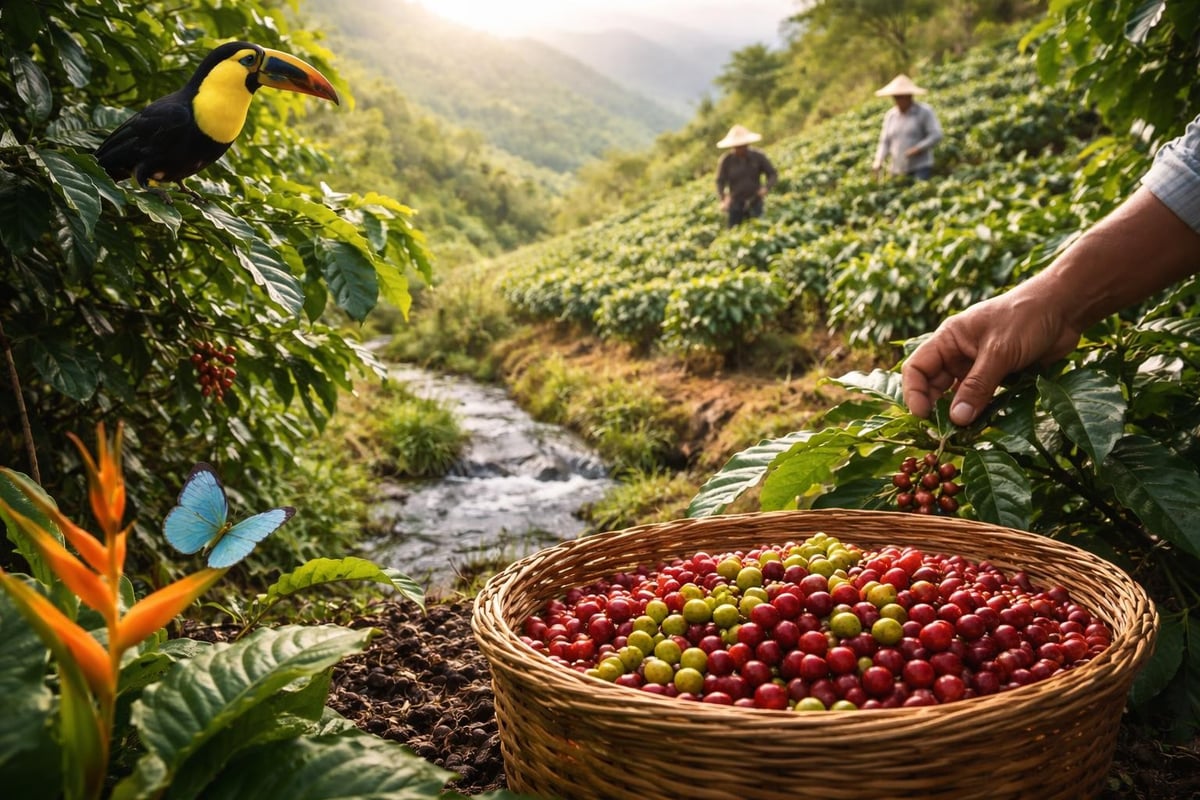
When you choose rain specialty coffee, you support farming methods that actively protect natural resources and wildlife habitats. Certified farms implement shade-growing techniques that preserve forest canopy, creating homes for migratory birds and native species while preventing soil erosion.
Key environmental benefits include:
- Protection of water resources through reduced chemical runoff
- Preservation of biodiversity in coffee-growing regions
- Carbon sequestration through forest conservation
- Reduction in synthetic pesticide and fertilizer use
- Soil health improvement through organic matter management
The regenerative coffee farming approach goes beyond sustainability by actively restoring ecosystems that have been degraded by conventional agriculture.
Social and Economic Dimensions of Rain Specialty Coffee
Beyond environmental stewardship, rain specialty coffee certification addresses the critical social challenges facing farming communities. Coffee producers often struggle with economic instability, limited access to resources, and market volatility that threatens their livelihoods.
The certification program establishes minimum standards for worker welfare, including safe working conditions, fair wages, and access to education and healthcare. Farmers receive training on improved agricultural techniques, business management, and climate adaptation strategies that build long-term resilience.
| Benefit Category | Impact on Farmers | Timeline |
|---|---|---|
| Income Stability | Premium pricing and market access | Immediate |
| Training Programs | Improved yields and quality | 1-2 years |
| Community Development | Schools, healthcare facilities | 3-5 years |
| Climate Resilience | Adaptation techniques and resources | Ongoing |
These investments create meaningful improvements in quality of life while ensuring that coffee farming remains viable for future generations. The challenges facing coffee farmers are substantial, but certification programs provide pathways toward sustainable solutions.
Quality Characteristics of Rain Specialty Coffee
Rain specialty coffee isn't just about doing good-it delivers exceptional taste that appeals to even the most discerning palates. The sustainable farming practices that define this certification directly contribute to superior flavor profiles and consistency.
Flavor Development Through Sustainable Practices
Shade-grown coffee develops more slowly than sun-grown varieties, allowing cherries to mature fully and develop complex sugars that translate into nuanced flavors. The biodiversity maintained on certified farms contributes to soil health, which directly impacts the nutrients available to coffee plants.
Coffee enthusiasts consistently note distinct characteristics in rain specialty coffee:
- Enhanced sweetness from properly ripened cherries
- Cleaner cup profiles due to reduced chemical residues
- Distinctive terroir expression from healthy soil ecosystems
- Consistent quality through standardized processing methods
- Extended shelf life from optimal harvesting practices
Velours de Paris Coffee recognizes these quality advantages in their sourcing decisions. Their single origin offerings include beans from certified sustainable farms that exemplify the premium characteristics associated with rain specialty coffee.
Sourcing and Supply Chain Transparency
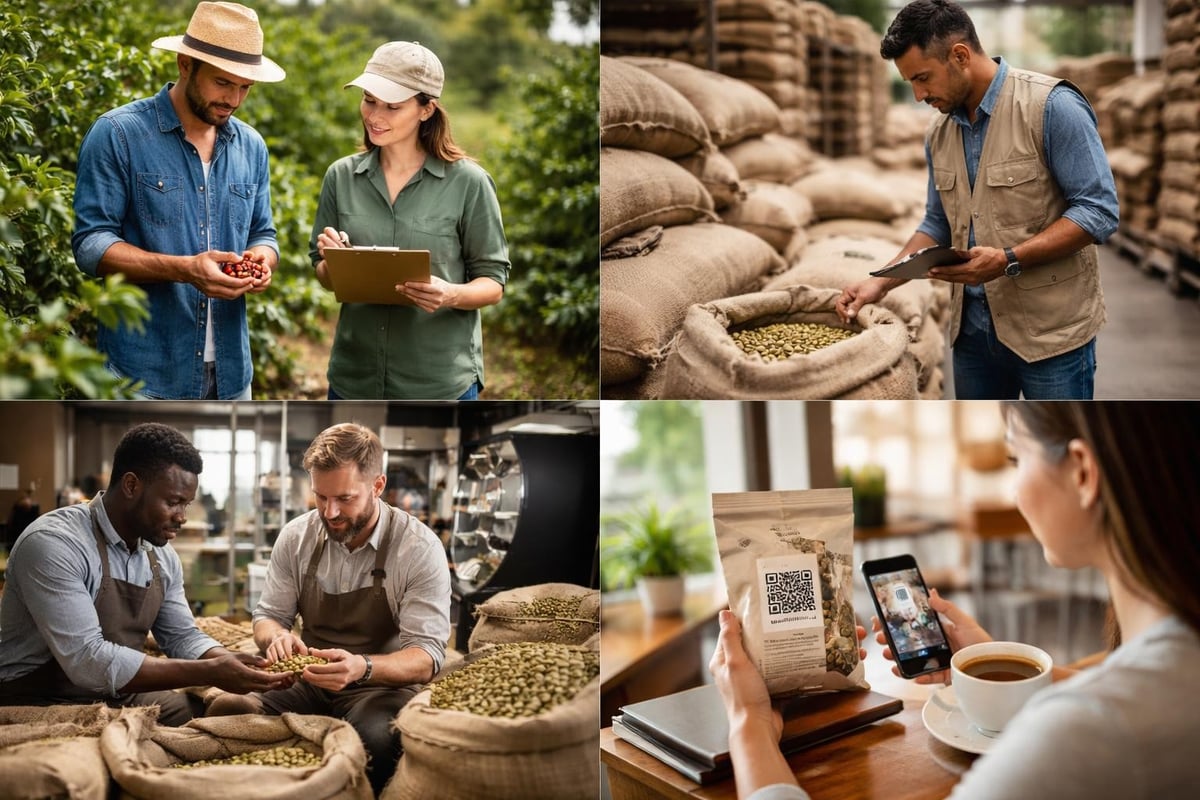
The certification process creates unprecedented transparency throughout the coffee supply chain. Roasters and consumers can trace their beans back to specific farms or cooperatives, understanding exactly where and how their coffee was produced.
This traceability matters for multiple reasons. It enables roasters to build direct relationships with producers, ensuring fair pricing and consistent quality year after year. For consumers, it provides confidence that their purchasing decisions support ethical and sustainable practices.
The Role of Certifying Bodies
Third-party verification organizations conduct regular audits to ensure compliance with rain specialty coffee standards. These assessments cover hundreds of criteria across environmental protection, social responsibility, and farm management practices.
Audit components include:
- Soil and water conservation measures
- Waste management systems
- Worker housing and facilities
- Chemical usage and storage
- Wildlife habitat preservation
- Record-keeping and documentation
Farms that fail to meet standards receive guidance on improvements needed to achieve certification, creating a framework for continuous advancement rather than simple pass-fail evaluation.
Geographic Origins and Regional Variations
Rain specialty coffee comes from diverse growing regions worldwide, each offering unique flavor characteristics shaped by climate, altitude, and processing traditions. Understanding these regional distinctions helps coffee lovers appreciate the breadth of options available under the certification umbrella.
Latin American Origins
Countries like Guatemala, Costa Rica, and Colombia produce significant volumes of certified sustainable coffee. Guatemala Rainforest Alliance certified coffee exemplifies the bright acidity and chocolate notes characteristic of Central American beans grown at high altitudes under forest canopy.
These regions benefit from volcanic soil, consistent rainfall, and established cooperative structures that facilitate certification adoption. The combination of ideal growing conditions and sustainable practices produces beans that command premium prices in specialty markets.
African and Asian Producers
African nations including Ethiopia, Kenya, and Rwanda contribute distinctive rain specialty coffee with fruit-forward profiles and wine-like complexity. Asian producers in Indonesia and Vietnam offer earthier, fuller-bodied options that appeal to different taste preferences.
| Region | Flavor Profile | Typical Processing | Growing Altitude |
|---|---|---|---|
| Central America | Bright, chocolate, nutty | Washed | 1200-1800m |
| South America | Balanced, sweet, caramel | Natural/Washed | 1000-2000m |
| East Africa | Fruity, floral, complex | Washed | 1400-2200m |
| Indonesia | Earthy, herbal, full-bodied | Semi-washed | 800-1600m |
Roasting and Preparation Considerations
Rain specialty coffee requires thoughtful roasting approaches that honor the quality inherent in sustainably grown beans. Roasters must balance profile development with preservation of the unique characteristics that distinguish these coffees from conventional options.
Light to medium roasts typically showcase the nuanced flavors developed through careful cultivation and processing. These roast levels preserve origin characteristics and highlight the clean, sweet profiles common in certified sustainable coffee.
For roasters like Velours de Paris Coffee who work with premium beans, understanding the relationship between sustainable farming and roast development is crucial. Their small-batch roasting approach ensures that each bean's potential is fully realized while maintaining the integrity of carefully sourced coffee.
Brewing Methods That Highlight Quality
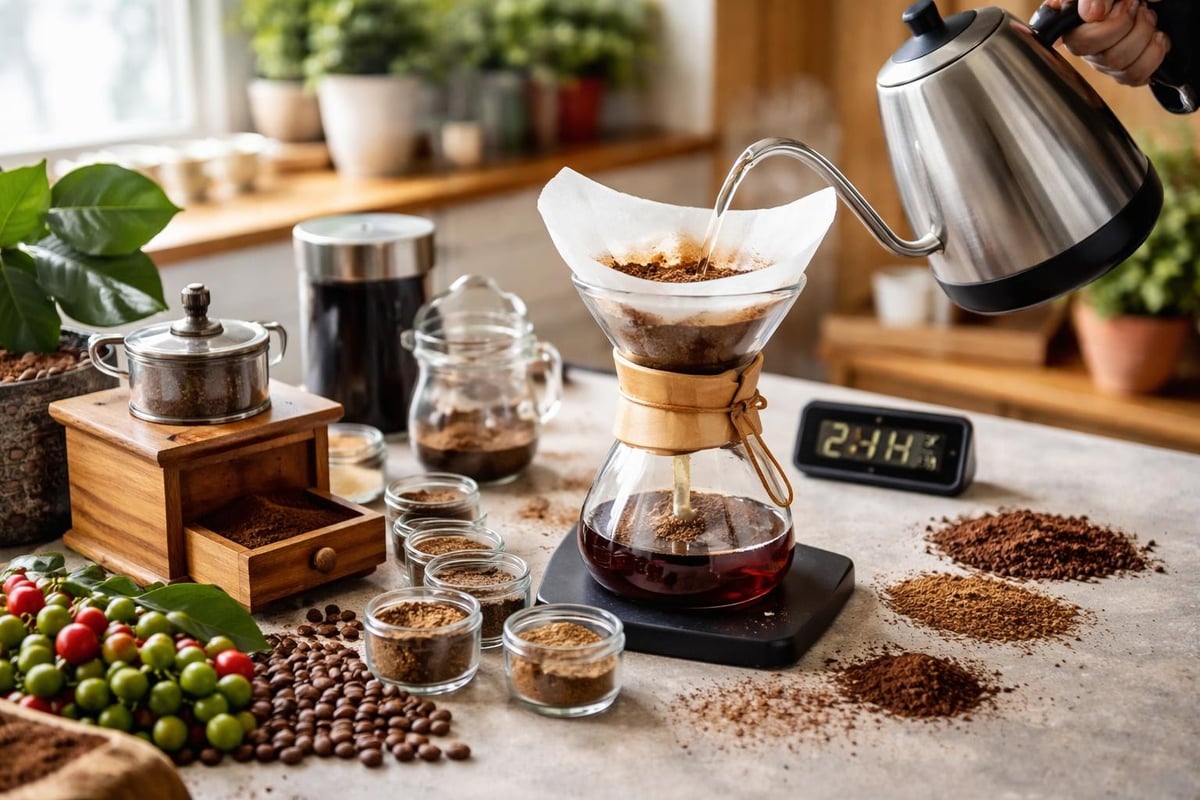
Different preparation methods emphasize various aspects of rain specialty coffee quality. Pour-over techniques excel at revealing clarity and complexity, while immersion methods like French press showcase body and sweetness.
Recommended brewing parameters:
- Water temperature: 195-205°F (90-96°C)
- Grind size: Adjusted to brewing method
- Coffee-to-water ratio: 1:15 to 1:17
- Brew time: Method-dependent
- Water quality: Filtered, mineral-balanced
The exceptional quality of rain specialty coffee makes it suitable for espresso preparation as well. Single-origin espressos from certified farms deliver distinct flavor experiences that showcase terroir and sustainable farming practices.
Market Growth and Consumer Demand
The specialty coffee market has experienced explosive growth in consumer awareness regarding sustainability and ethical sourcing. Rain specialty coffee certification provides a trusted framework that simplifies purchasing decisions for environmentally conscious coffee drinkers.
Market research indicates that consumers increasingly prioritize sustainability alongside quality when selecting coffee. This shift has created strong demand for certified options, encouraging more producers to pursue certification and more roasters to seek sustainably sourced beans.
Finding Certified Products
The Rainforest Alliance Coffee Labs directory helps consumers locate brands offering certified products, making it easier to support sustainable coffee production through everyday purchasing decisions.
For those seeking premium quality alongside sustainability credentials, exploring offerings from dedicated specialty roasters provides the best combination of exceptional taste and verified ethical sourcing. Many roasters now proudly feature certification information on their packaging and websites, demonstrating their commitment to transparency.
To experience the difference that sustainable sourcing makes in your daily cup, new customers can save 10% using code WELCOME10 on their first order from Velours de Paris Coffee.
The Future of Sustainable Coffee Production
Rain specialty coffee represents a significant step toward a more sustainable coffee industry, but ongoing challenges require continued innovation and commitment. Climate change poses increasing threats to traditional growing regions, making adaptive farming practices more critical than ever.
The coffee industry must address water scarcity, rising temperatures, and extreme weather events that threaten production stability. Certification programs are evolving to include climate adaptation training and support for farmers facing these unprecedented challenges.
Regenerative Agriculture Integration
The next frontier in sustainable coffee involves regenerative practices that go beyond minimizing harm to actively improving ecosystem health. These approaches focus on building soil carbon, enhancing biodiversity, and creating resilient agricultural systems capable of withstanding climate variability.
Regenerative practices include:
- Cover cropping between coffee rows
- Composting and organic fertilization
- Agroforestry integration
- Water harvesting and conservation
- Native species reintroduction
These methods represent an evolution of the principles underlying rain specialty coffee certification, pushing the industry toward even greater environmental benefits while maintaining economic viability for producers.
Certification Verification and Consumer Confidence
Understanding how to verify rain specialty coffee claims helps consumers make informed decisions and avoid greenwashing. Legitimate certification involves third-party verification, transparent traceability, and adherence to published standards accessible for public review.
Look for specific certification marks on packaging rather than vague sustainability claims. Research the certifying organization's standards and audit procedures to understand what the seal guarantees. This due diligence ensures your purchasing power supports genuine sustainable practices rather than marketing narratives.
The specialty coffee community plays a crucial role in maintaining certification integrity by demanding transparency and accountability from roasters and importers. Educated consumers drive market standards upward by consistently choosing verified sustainable options over uncertified alternatives.
Rain specialty coffee represents the convergence of environmental responsibility, social equity, and exceptional quality in the specialty coffee industry. By understanding the comprehensive standards behind certification and the tangible benefits it delivers to farming communities and ecosystems, coffee enthusiasts can make purchasing decisions that align their values with their daily rituals. Whether you're drawn to the superior flavor profiles developed through sustainable farming or motivated by the positive impact on coffee-growing regions, rain specialty coffee offers a meaningful way to elevate your coffee experience. Explore the carefully curated selection at Velours de Paris Coffee, where every small-batch roast reflects a commitment to sourcing premium beans that honor both exceptional taste and sustainable production practices.