

Ora Specialty Coffee: Premium Quality & Craft Roasting
The specialty coffee movement has transformed how consumers experience their daily brew, elevating coffee from a simple caffeine delivery system to an artisanal craft worthy of careful attention and appreciation. Among the establishments making waves in this refined world, ora specialty coffee represents a commitment to excellence that resonates with discerning coffee enthusiasts seeking authentic flavor profiles and transparent sourcing practices. This dedication to quality mirrors the broader industry shift toward small-batch roasting, direct trade relationships, and meticulous attention to every detail from farm to cup.
Understanding the Ora Specialty Coffee Philosophy
The foundation of ora specialty coffee rests on three core principles that distinguish it from conventional coffee operations. First, sourcing beans exclusively from regions known for producing coffee that scores 80 points or higher on the 100-point scale established by specialty coffee grading standards ensures every bag meets rigorous quality benchmarks. Second, maintaining direct relationships with farmers creates transparency throughout the supply chain while supporting sustainable farming practices. Third, employing precise roasting techniques that highlight each bean's unique characteristics rather than masking them with overly dark roasts preserves the nuanced flavors that make specialty coffee exceptional.
Quality Grading Standards
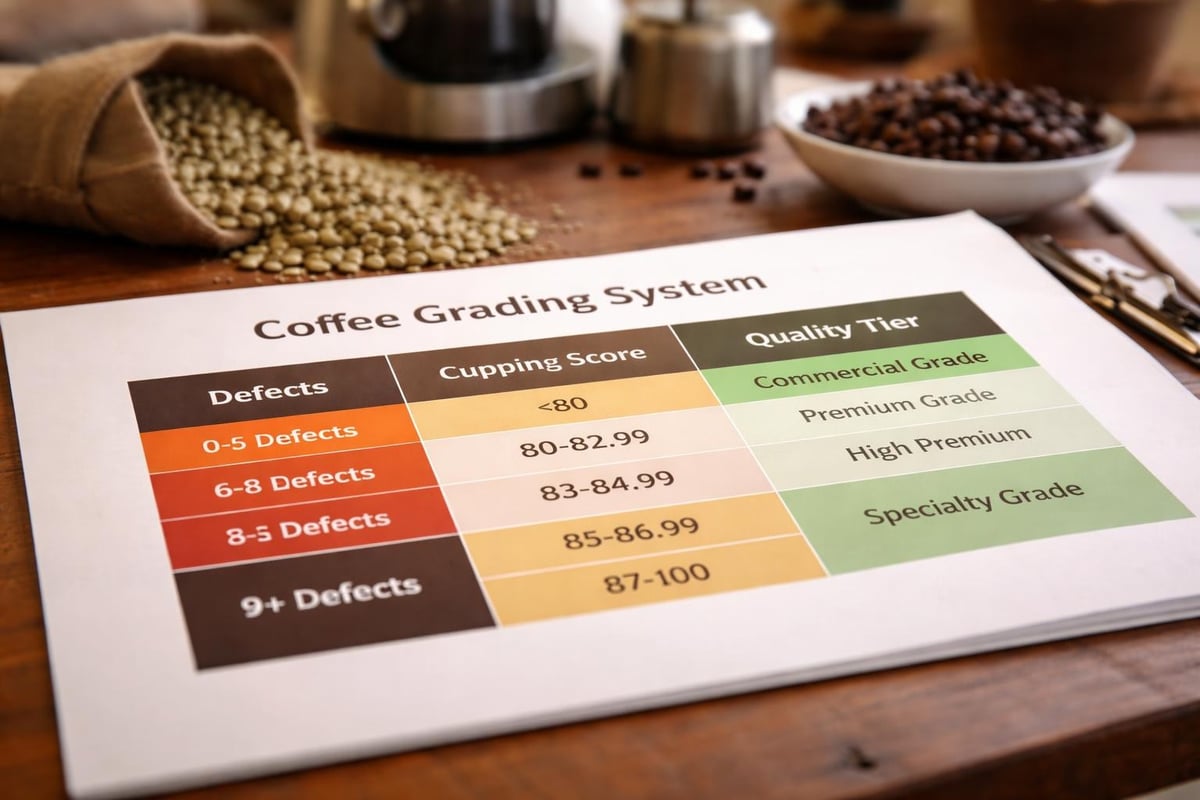
The National Coffee Association's 2025 Specialty Coffee Report establishes clear criteria that separate specialty grade coffee from commercial grade offerings. These standards evaluate green coffee beans based on defect counts, moisture content, and bean size consistency.
Key Grading Factors:
- Zero primary defects in a 350-gram sample
- Maximum five secondary defects per sample
- No quakers (underdeveloped beans) present
- Uniform bean size within specified parameters
- Moisture content between 9-13 percent
Ora specialty coffee adheres to these stringent requirements, ensuring that only the highest quality beans enter the roasting process. This commitment to excellence begins at origin, where experienced buyers evaluate coffee lots before purchase.
Sourcing Practices That Define Excellence
Geographic origin plays a crucial role in determining coffee flavor profiles, with each growing region imparting distinct characteristics based on altitude, soil composition, climate patterns, and processing methods. Ora specialty coffee focuses on establishing partnerships with farms in prime coffee-growing regions across Ethiopia, Colombia, Guatemala, Kenya, and Indonesia.
The direct trade model employed by ora specialty coffee bypasses traditional commodity markets, allowing roasters to pay premium prices directly to farmers who invest in quality-focused cultivation practices. This approach benefits everyone in the supply chain.
| Region | Flavor Profile | Altitude Range | Harvest Season |
|---|---|---|---|
| Ethiopia | Floral, fruity, wine-like | 1,500-2,200m | October-December |
| Colombia | Balanced, nutty, caramel | 1,200-2,000m | April-June |
| Guatemala | Chocolate, spice, full-bodied | 1,300-2,000m | December-March |
| Kenya | Bright, complex, berry notes | 1,400-2,100m | October-December |
| Indonesia | Earthy, herbal, syrupy | 1,000-1,800m | May-September |
Building Sustainable Relationships
Sustainability extends beyond environmental concerns to encompass economic viability for farming communities. Ora specialty coffee invests in long-term partnerships that provide farmers with predictable income, technical support for improving cultivation practices, and access to specialty markets willing to pay premium prices for exceptional quality.
These relationships also facilitate traceability, allowing customers to know exactly where their coffee originated and how it reached their cup. This transparency builds trust and creates meaningful connections between consumers and producers.
Roasting Techniques and Flavor Development
The roasting process represents the most critical stage in developing the complex flavors locked within green coffee beans. Ora specialty coffee employs skilled roasters who understand the science behind heat transfer, chemical reactions, and timing precision required to achieve optimal results.
Small-batch roasting allows for greater control over each roast profile, ensuring consistency while accommodating the unique characteristics of different bean varieties and processing methods. Unlike large commercial roasters that prioritize efficiency over quality, specialty roasters treat each batch as an individual craft project.
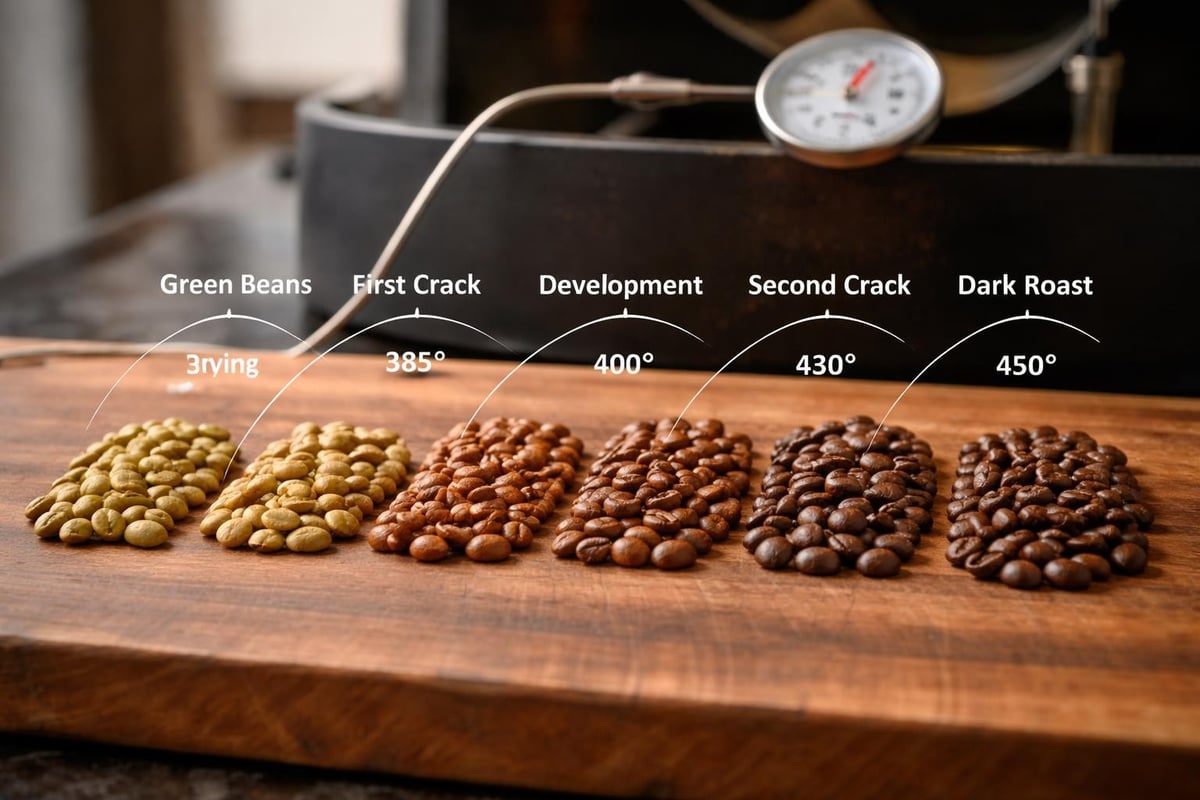
The Roasting Timeline
First Crack Stage (typically 8-11 minutes):
- Internal temperature reaches approximately 385°F
- Beans expand and release moisture
- Light roasts finish shortly after first crack
- Preserves delicate floral and fruity notes
Development Phase (11-14 minutes):
- Maillard reactions create complex flavor compounds
- Medium roasts develop balanced sweetness
- Body increases while maintaining acidity
- Ideal for highlighting origin characteristics
Second Crack Territory (beyond 14 minutes):
- Oil migration to bean surface begins
- Darker roasts emphasize roast character
- Origin flavors become less pronounced
- Body and bitterness increase significantly
Ora specialty coffee typically focuses on light to medium roast profiles that showcase terroir and processing methods rather than obscuring them with heavy roast development. This philosophy aligns with specialty coffee culture's emphasis on celebrating rather than masking origin characteristics.
Brewing Methods That Maximize Quality
Even perfectly sourced and expertly roasted beans require proper brewing techniques to deliver their full potential. Ora specialty coffee recognizes that extraction methods, water quality, grind size, and brew ratios all significantly impact the final cup quality.
Different brewing devices suit different coffee styles and personal preferences. Pour-over methods like V60 and Chemex produce clean, bright cups that highlight delicate flavor notes. Immersion brewers such as French press and AeroPress create fuller-bodied coffee with more pronounced texture. Espresso machines concentrate flavors into intense, syrupy shots that form the foundation for milk-based beverages.
Optimal Brewing Parameters
- Water Temperature: 195-205°F for most methods
- Grind Size: Matched to brew time (fine for espresso, medium for pour-over, coarse for French press)
- Coffee-to-Water Ratio: 1:15 to 1:17 by weight for balanced extraction
- Brew Time: 2-4 minutes for pour-over, 4 minutes for French press, 25-30 seconds for espresso
- Water Quality: Filtered water with balanced mineral content
Understanding these variables empowers coffee enthusiasts to replicate café-quality results at home. Many specialty coffee roasters, including Velours de Paris Coffee, provide detailed brewing guides with their products to help customers achieve optimal extraction.
The Melbourne Specialty Coffee Scene
Australia has emerged as a global leader in specialty coffee culture, with Melbourne particularly renowned for its vibrant café scene and exacting standards. Ora Specialty Coffee in Kew exemplifies the city's commitment to coffee excellence, offering meticulously prepared beverages alongside a welcoming atmosphere that encourages customers to slow down and appreciate their coffee experience.
The café's approach emphasizes education alongside service, with baristas who can articulate the origins, processing methods, and flavor profiles of each offering. This knowledge sharing transforms casual coffee drinkers into informed enthusiasts who develop deeper appreciation for the complexity behind each cup.
Melbourne's Coffee Culture Influences:
- Strong flat white tradition showcasing espresso quality
- Emphasis on single-origin offerings and seasonal rotations
- Highly trained baristas with competition-level skills
- Customer expectations for consistently excellent preparation
- Innovative brewing methods alongside classic techniques
This culture extends beyond individual cafés to create a community of coffee professionals who continuously push boundaries and raise industry standards. Collaborative events, cuppings, and workshops foster knowledge exchange that benefits the entire specialty coffee ecosystem.
Flavor Profile Exploration and Cupping
Professional cupping sessions provide structured methodology for evaluating coffee quality and identifying specific flavor characteristics. Ora specialty coffee uses cupping protocols established by specialty coffee organizations to maintain quality control and develop roast profiles that highlight each coffee's strengths.
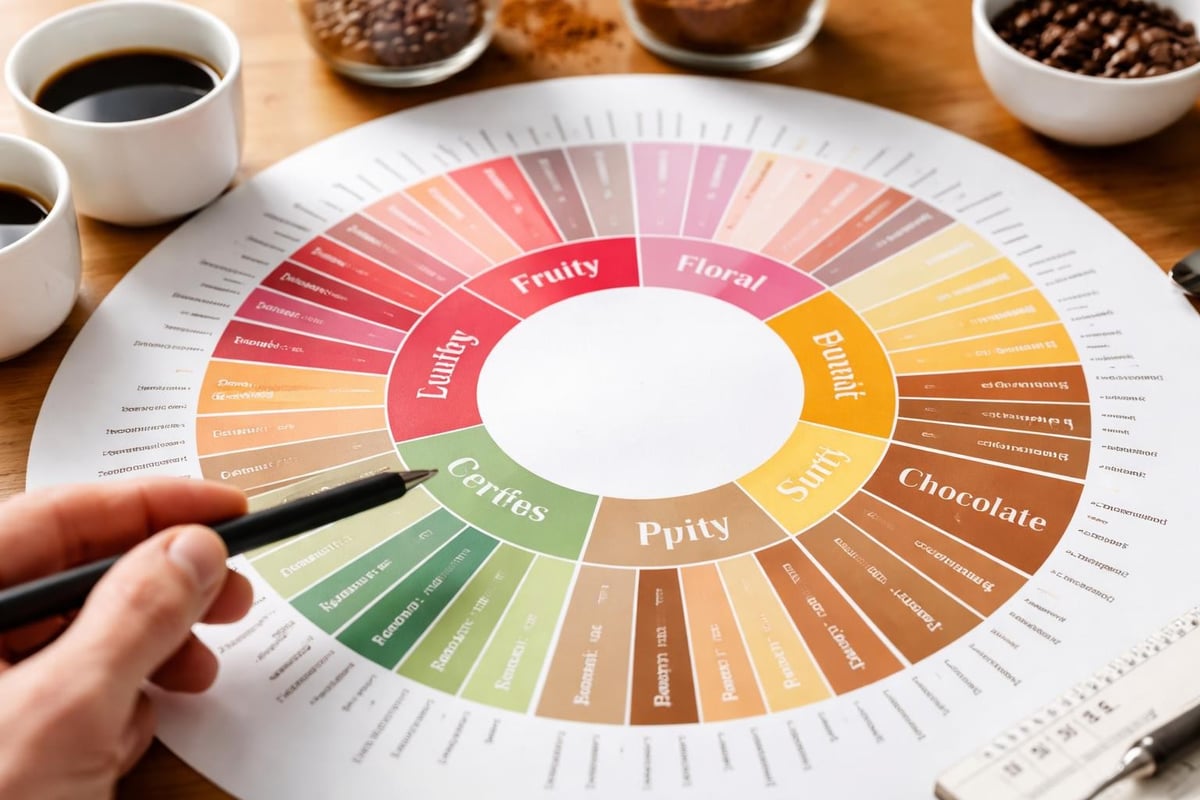
The cupping process involves grinding samples to a standardized size, steeping them in precisely heated water, breaking the crust of grounds that forms on the surface, and systematically evaluating aroma, flavor, acidity, body, and aftertaste. Tasters score each attribute on a scale that contributes to the overall quality rating.
Common Flavor Categories
| Category | Descriptors | Origin Examples |
|---|---|---|
| Fruity | Berry, citrus, stone fruit, tropical | Ethiopian, Kenyan |
| Floral | Jasmine, rose, lavender, honeysuckle | Ethiopian, Panamanian |
| Sweet | Caramel, honey, brown sugar, vanilla | Colombian, Brazilian |
| Nutty | Almond, hazelnut, peanut, walnut | Brazilian, Peruvian |
| Chocolate | Dark chocolate, cocoa, milk chocolate | Central American |
| Spicy | Cinnamon, clove, pepper, cardamom | Indonesian, Indian |
Developing the ability to identify these flavors requires practice and exposure to diverse coffee samples. Many specialty coffee roasters offer sample packs that allow enthusiasts to compare different origins and processing methods side by side, accelerating flavor recognition skills.
Processing Methods and Their Impact
How coffee cherries are processed after harvest dramatically influences the final cup profile. Ora specialty coffee works with farms employing various processing methods to offer diverse flavor experiences throughout their lineup.
Natural (Dry) Processing involves drying whole cherries in the sun, allowing the fruit to impart sweetness and fruity flavors to the beans inside. This method produces coffee with heavy body, lower acidity, and pronounced fruit notes. Ethiopian naturals exemplify this style with their wild berry and wine-like characteristics.
Washed (Wet) Processing removes the cherry fruit before drying, resulting in cleaner, brighter coffee that more clearly expresses terroir and varietal characteristics. Colombian and Central American coffees frequently use this method to showcase balanced acidity and clarity.
Honey Processing represents a middle ground, removing some but not all of the fruit mucilage before drying. This technique creates coffee with moderate sweetness, balanced body, and complexity that combines elements of both natural and washed profiles.
Experimental processing methods continue emerging as producers seek to differentiate their offerings and create unique flavor profiles. Anaerobic fermentation, extended fermentation, and hybrid processing techniques push boundaries while requiring careful execution to avoid defects.
The Economic Reality of Specialty Coffee
Premium pricing reflects the substantial investments required throughout the specialty coffee supply chain. Farmers implementing quality-focused practices face higher labor costs, lower yields from selective harvesting, and significant infrastructure investments for processing equipment and drying facilities.
Roasters purchasing specialty grade coffee pay multiples of commodity market prices, sometimes exceeding $5 per pound for exceptional microlots compared to conventional coffee trading around $2 per pound. This premium compensates farmers for quality while incentivizing continued improvement.
Small-batch roasting operations carry higher per-pound production costs than industrial roasters, with specialized equipment, skilled labor, and careful quality control contributing to final retail pricing. Consumers paying premium prices receive coffee roasted within days of purchase rather than months-old beans sitting in warehouse distribution systems.
Value Proposition Breakdown
- Green coffee cost: 30-40% of retail price for specialty grade
- Roasting and packaging: 20-25% including labor and materials
- Operating expenses: 25-30% covering rent, utilities, equipment
- Profit margin: 10-15% for sustainable business operations
Understanding these economics helps consumers appreciate why specialty coffee commands higher prices than supermarket offerings while delivering substantially superior quality and flavor experiences.
Industry Trends Shaping 2026
The specialty coffee landscape continues evolving as consumer preferences shift and producers experiment with innovative approaches. Several key trends characterize the current market environment according to specialty coffee market trends for 2025 discussed by industry experts.
Climate Adaptation has become urgent as traditional coffee-growing regions face temperature increases and changing precipitation patterns. Farmers are experimenting with heat-resistant varietals, adjusting altitudes, and implementing shade-growing techniques to maintain quality despite environmental challenges.
Technology Integration enables greater precision throughout the supply chain, from soil sensors monitoring farm conditions to data-driven roasting software that ensures consistency. Blockchain verification systems provide transparent traceability that builds consumer confidence in sourcing claims.
Sustainability Certifications continue proliferating, though some specialty coffee advocates question whether third-party certifications adequately measure direct trade relationships' actual impact. Many roasters emphasize relationship transparency over certification labels.
Ready-to-Drink Expansion brings specialty coffee quality to convenient formats, with cold brew, nitro coffee, and premium canned beverages introducing specialty standards to on-the-go consumption occasions previously dominated by conventional coffee products.
Educational Initiatives and Community Building
Specialty coffee's growth depends on educating consumers about quality markers, brewing techniques, and the value proposition behind premium pricing. Ora specialty coffee participates in this educational mission through workshops, tastings, and accessible information sharing.
Specialty coffee lab events create opportunities for enthusiasts to deepen their knowledge through hands-on learning experiences guided by experienced professionals. These sessions cover topics ranging from basic brewing fundamentals to advanced sensory analysis and roasting theory.
Many specialty roasters maintain educational resources on their websites, offering brewing guides, origin information, and processing method explanations that empower customers to make informed purchasing decisions. Coffee collections often include detailed tasting notes and preparation recommendations that enhance the drinking experience.
Building community around shared appreciation for quality coffee creates loyal customer relationships that transcend transactional exchanges. Regular customers develop preferences for specific origins, processing methods, and roast levels as they explore diverse offerings and refine their palates.
Home Roasting and the Enthusiast Market
A growing segment of specialty coffee enthusiasts purchases green coffee beans for home roasting, seeking complete control over freshness and roast development. This practice requires significant investment in equipment and learning but offers unparalleled customization and the satisfaction of mastering a complex craft.
Entry-level home roasters start around $300, while advanced models with precise temperature control and data logging capabilities exceed $1,000. Roasting small batches ensures maximum freshness, with most home roasters processing 4-8 ounces per batch compared to commercial roasters handling 25-pound batches or larger.
Home Roasting Advantages:
- Absolute freshness with coffee consumed within days of roasting
- Complete control over roast level and development
- Cost savings on green coffee compared to roasted beans
- Educational value from understanding roasting chemistry
- Ability to experiment with custom blends
The learning curve can be steep, with early attempts often producing uneven roasts or underdeveloped flavors. However, dedicated enthusiasts find the journey rewarding as they develop skills that deepen their coffee appreciation.
Global Perspectives on Specialty Coffee
While specialty coffee originated in Western markets, the movement has spread globally with local adaptations reflecting regional preferences and cultural contexts. Organizations like the Specialty Coffee Association of Indonesia promote quality standards while honoring traditional preparation methods and flavor preferences specific to their markets.
Asian specialty coffee markets emphasize lighter roasts and delicate processing methods that highlight floral and fruity notes, contrasting with European preferences for slightly darker roasts with more developed sweetness. Middle Eastern markets blend specialty coffee culture with traditional preparation methods, creating unique fusion experiences.
This global expansion benefits producing countries by creating domestic markets for their highest quality coffee rather than exporting all specialty grade beans. Local roasters in origin countries increasingly offer exceptional quality while supporting their agricultural sectors through value-added processing.
The diversity of perspectives enriches specialty coffee culture, preventing it from becoming monolithic while maintaining core quality standards that define the category. Regional variations in flavor preferences, brewing methods, and café culture create a vibrant global community united by commitment to excellence.
If you're ready to experience the difference that careful sourcing and small-batch roasting create, consider exploring premium offerings with an exclusive discount. Those seeking to elevate their daily coffee ritual can Save 10% use code: WELCOME10 on their first order, making it easier to discover how exceptional coffee transforms the everyday drinking experience into something truly special.
Espresso and Milk-Based Beverages
While filter coffee showcases transparency and clarity, espresso concentrates flavors into intense 1-2 ounce shots that form the foundation for lattes, cappuccinos, and other milk-based beverages. Ora specialty coffee recognizes that espresso preparation requires different approaches than filter brewing, with specific grind sizes, precise tamping pressure, and carefully calibrated extraction times.
The best espresso blends balance complexity with enough body and sweetness to complement steamed milk without becoming overwhelmed. Single-origin coffees can produce extraordinary espresso when selected for characteristics that shine under pressure extraction, though blending remains popular for creating consistent profiles that perform reliably across different brewing conditions.
Espresso Fundamentals:
- Grind size approaching table salt fineness
- 18-20 grams of coffee for double shot
- 25-30 second extraction time
- 2:1 brew ratio (36-40 gram yield)
- Proper tamping creating level, compressed puck
Milk steaming technique significantly impacts beverage quality, with properly textured microfoam creating silky mouthfeel that integrates seamlessly with espresso rather than sitting as distinct foam layer. Temperature control prevents scalding milk while developing sweetness through lactose caramelization.
Seasonal Offerings and Limited Releases
Coffee harvest cycles create natural seasonality, with fresh crop arrivals throughout the year as different regions complete their picking seasons. Ora specialty coffee capitalizes on this rhythm by offering seasonal selections that showcase peak freshness and unique processing experiments from partner farms.
Limited release coffees generate excitement among enthusiasts while allowing roasters to feature exceptional microlots that arrive in quantities too small for year-round availability. These special offerings often come from competition-level farms producing experimental lots with unconventional processing methods or rare varietals.
Rotating selections encourage customers to explore diverse flavor profiles rather than settling into repetitive purchasing patterns. This exploration builds palate sophistication while keeping the coffee experience dynamic and engaging throughout the year.
Many specialty roasters maintain core offerings alongside seasonal rotations, balancing consistency for customers seeking familiar favorites with variety for adventurous drinkers eager to try something new. Coffee blends often provide year-round availability while single origins rotate based on harvest schedules and lot availability.
The specialty coffee movement continues raising standards across the industry, with establishments like ora specialty coffee leading through commitment to quality sourcing, expert roasting, and customer education that transforms casual coffee drinking into genuine appreciation for craftsmanship. Whether you're just beginning to explore specialty coffee or seeking to deepen your existing knowledge, understanding these principles helps you identify truly exceptional coffee and make informed purchasing decisions. Velours de Paris Coffee shares this dedication to excellence, offering premium small-batch roasted beans sourced from the world's finest growing regions to deliver exceptional flavor and freshness in every cup you brew.