

Olla Specialty Coffee: A Revolution in Mobile Brewing
The specialty coffee landscape continues to evolve with innovative approaches to serving exceptional brews. Among these developments, olla specialty coffee represents both a connection to traditional brewing methods and a modern interpretation of premium coffee service. This concept bridges cultural heritage with contemporary coffee culture, offering coffee enthusiasts unique experiences that honor time-tested preparation techniques while meeting today's quality standards. Understanding what makes this approach distinctive helps coffee lovers and businesses alike appreciate the depth and versatility within the specialty coffee industry.
The Heritage Behind Olla Coffee Traditions
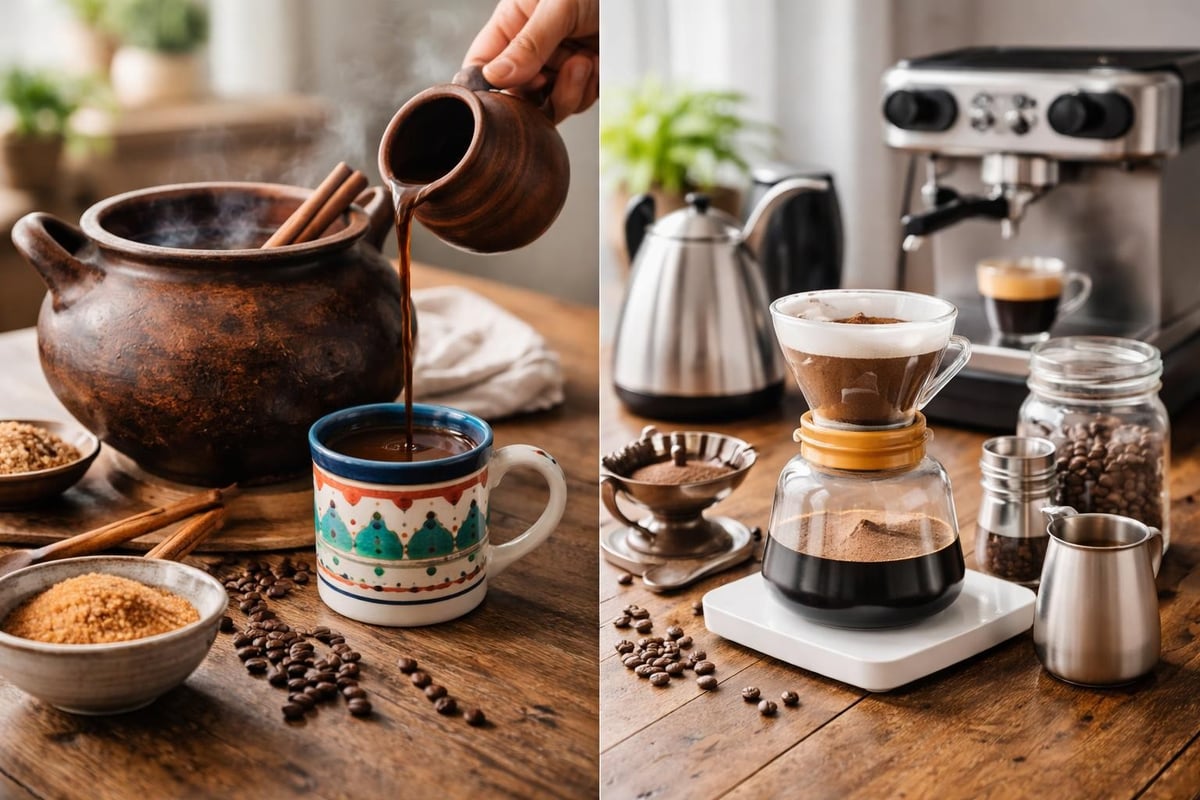
The term "olla" carries significant meaning in coffee history, particularly within Mexican culture where café de olla represents a beloved traditional brewing method. This preparation technique dates back centuries, utilizing clay pots to create distinctive flavor profiles that metal vessels cannot replicate. The clay material imparts subtle earthy notes while the brewing process incorporates cinnamon sticks and piloncillo, an unrefined cane sugar that adds complexity to the final cup.
Traditional brewing methods inform modern specialty coffee practices in meaningful ways. When specialty roasters understand these cultural foundations, they can source and roast beans that honor traditional flavor profiles while meeting contemporary quality standards. The connection between heritage and innovation creates opportunities for unique coffee experiences that resonate with customers seeking authentic, culturally significant beverages.
Cultural Significance in Modern Coffee Service
Clay pot brewing represents more than just a preparation method. It embodies community, tradition, and the social aspects of coffee consumption that predate the modern coffee shop era. Many specialty coffee businesses now incorporate elements of this heritage into their service models, recognizing that customers value the stories and cultural context behind their beverages.
Key elements of traditional olla preparation include:
- Use of unglazed clay pots that enhance flavor through porous interaction
- Incorporation of warming spices like cinnamon and star anise
- Sweetening with natural cane sugar rather than refined alternatives
- Communal serving practices that emphasize sharing and connection
- Low-temperature brewing that extracts different compounds than high-pressure methods
Mobile Specialty Coffee Services Transform Events
The olla specialty coffee concept has evolved beyond traditional brewing to encompass innovative mobile service models. OLLA Specialty Coffee in Singapore exemplifies this modern interpretation, bringing premium coffee experiences directly to customers at weddings, corporate events, and private gatherings. This mobile approach addresses the growing demand for high-quality coffee service outside traditional café settings.
Mobile coffee services require the same attention to quality and precision as brick-and-mortar establishments. Professional baristas transport commercial-grade equipment, fresh beans, and specialized tools to create café-quality beverages in diverse locations. The flexibility of mobile services allows specialty coffee to reach audiences who might not otherwise experience the craftsmanship and flavor profiles that define premium coffee culture.
Equipment and Quality Standards
Maintaining specialty coffee standards in mobile settings demands careful planning and investment in appropriate equipment. Professional mobile coffee operations utilize portable espresso machines, precision grinders, and temperature-controlled storage to ensure consistency. The beans must be freshly roasted and properly stored during transport, and water quality remains crucial regardless of location.
Essential components for mobile specialty coffee service:
- Commercial-grade portable espresso machines with consistent pressure
- High-quality burr grinders with adjustable settings for different brew methods
- Temperature-controlled milk systems for perfect microfoam
- Clean water filtration to maintain flavor integrity
- Proper storage containers to preserve bean freshness during events
The mobile coffee services for weddings offered by specialty providers demonstrate how premium coffee can enhance special occasions. Couples increasingly view quality coffee service as an essential element of their events, replacing or supplementing traditional bar services with artisanal coffee bars that create memorable experiences for guests.
Quality Bean Selection for Specialty Coffee
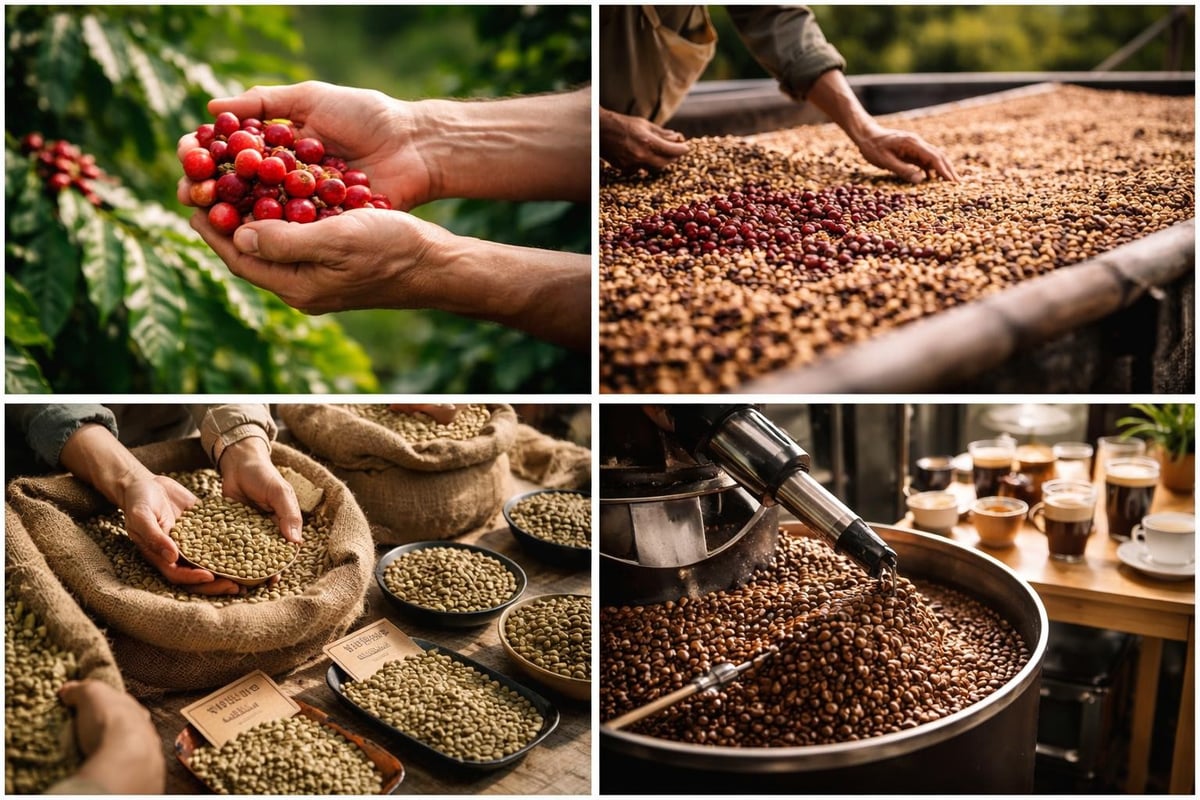
Whether preparing traditional café de olla or operating mobile specialty services, bean selection forms the foundation of exceptional coffee. Single-origin beans from specific growing regions offer distinct flavor profiles that complement different preparation methods. Understanding origin characteristics helps roasters and baristas select appropriate beans for intended brewing techniques.
For those interested in exploring premium options, specialty coffee collections provide curated selections that showcase regional characteristics. Premium beans undergo rigorous grading processes, ensuring only the highest quality reaches consumers. These standards include evaluation of bean size, defect count, moisture content, and cup quality through professional tasting protocols.
| Origin Region | Flavor Profile | Best Brewing Method |
|---|---|---|
| Ethiopian | Floral, fruity, tea-like | Pour-over, light roast |
| Colombian | Balanced, nutty, caramel | Espresso, medium roast |
| Brazilian | Chocolatey, low acidity | French press, dark roast |
| Guatemalan | Spicy, cocoa, bright | Olla brewing, medium roast |
| Kenyan | Bold, berry notes, wine-like | Cold brew, medium-light roast |
Roast Profiles for Different Applications
Roast development significantly impacts how beans perform in various brewing methods. Lighter roasts preserve origin characteristics and acidity, making them ideal for methods that highlight nuance. Darker roasts develop body and sweetness while reducing acidity, suiting traditional preparations like café de olla brewing where spices play prominent roles.
Small-batch roasting allows for greater control over development curves and flavor outcomes. Roasters can adjust time and temperature profiles to accentuate specific characteristics, creating beans optimized for particular brewing methods or flavor preferences. This precision distinguishes specialty coffee from commercial alternatives that prioritize consistency over character.
Brewing Methods That Define Specialty Standards
Multiple brewing techniques fall under the olla specialty coffee umbrella, each offering unique advantages and flavor outcomes. Understanding these methods helps coffee enthusiasts select appropriate approaches for their preferences and available equipment. From traditional clay pot brewing to modern alternatives, each technique extracts different compounds and creates distinct sensory experiences.
The French press method for café de olla offers an accessible alternative to traditional clay pots while maintaining many flavor characteristics. This immersion brewing technique allows spices and coffee to steep together, creating rich, full-bodied results. The metal mesh filter permits more oils and fine particles through compared to paper filters, contributing to enhanced mouthfeel and texture.
Comparative Brewing Techniques
Different brewing methods suit various contexts and preferences. Cold brew extracts different compounds than hot methods, reducing acidity while emphasizing sweetness. Pour-over techniques offer precision and clarity, highlighting specific flavor notes. Traditional olla brewing creates unique profiles through clay interaction and low-temperature extraction.
Brewing method characteristics:
- Clay pot (olla): Earthy undertones, full body, low acidity, traditional spice integration
- French press: Rich texture, bold flavor, sediment presence, robust mouthfeel
- Pour-over: Clean cup, bright acidity, flavor clarity, lighter body
- Cold brew: Smooth finish, natural sweetness, low acidity, concentrated flavor
- Espresso: Intense flavor, crema formation, versatile base, quick preparation
Those exploring coffee blends will find that different roast combinations suit specific brewing methods. Blends balance characteristics from multiple origins, creating complexity and consistency that works well across various preparation techniques.
The Coffee Omakase Experience
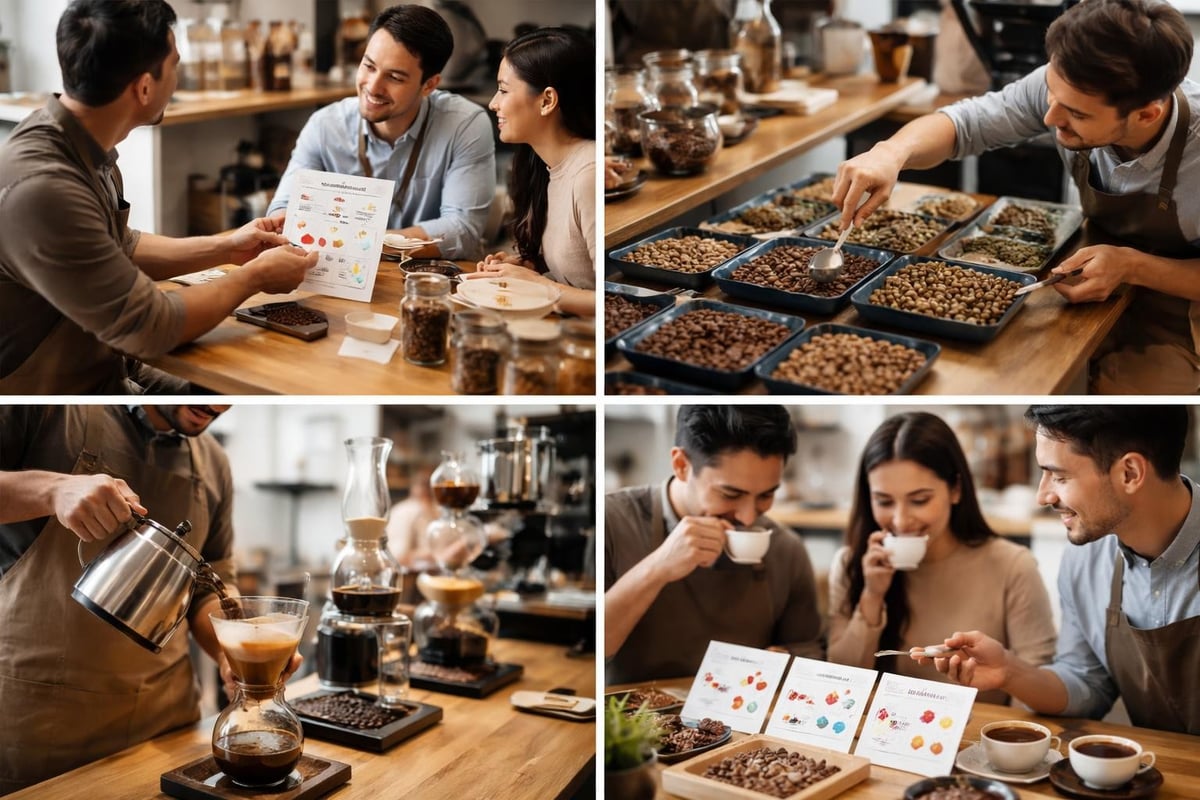
Innovation within olla specialty coffee includes unique service concepts like the "Coffee Omakase" experience. This approach, highlighted by specialty providers, allows baristas to curate personalized tasting journeys for customers. Similar to Japanese omakase dining, coffee professionals select and prepare multiple brews based on customer preferences, showcasing their expertise and the versatility of specialty beans.
Omakase-style coffee service elevates the customer experience beyond simple beverage provision. Baristas explain origin stories, processing methods, and flavor notes while preparing each cup with precision. This educational component helps customers develop deeper appreciation for specialty coffee while creating memorable interactions that build brand loyalty.
Personalization in Specialty Coffee Service
Understanding customer preferences allows specialty coffee providers to create tailored experiences. Some prefer bright, acidic profiles while others favor chocolatey, smooth characteristics. Professional baristas assess these preferences through conversation and initial tastings, then select appropriate beans and brewing methods to match individual palates.
Elements of personalized coffee experiences:
- Preference assessment through guided tasting
- Bean selection based on flavor profile preferences
- Brewing method optimization for desired characteristics
- Educational components explaining choices and techniques
- Adjustments based on real-time customer feedback
This level of personalization distinguishes specialty coffee from commodity alternatives, justifying premium pricing through enhanced value and experience. For newcomers to specialty coffee, taking advantage of promotions like Save 10% use code: WELCOME10 provides an accessible entry point to explore premium options without significant initial investment.
Event Coffee Services and Business Opportunities
Mobile specialty coffee services represent growing business opportunities within the broader coffee industry. Private event services cater to corporate functions, birthday celebrations, and community gatherings where quality coffee enhances the overall experience. These services require different business models than traditional cafés, emphasizing flexibility, premium equipment, and professional staff.
The event coffee market continues expanding as organizations recognize quality coffee's role in creating positive experiences. Corporate clients particularly value specialty coffee services for employee events, client meetings, and conferences where beverage quality reflects organizational standards. This B2B market segment offers higher margins and consistent volume compared to individual consumer sales.
Building a Mobile Coffee Business
Establishing a successful mobile specialty coffee operation requires strategic planning and investment. Initial capital covers equipment, vehicle modifications, licensing, and insurance. Marketing efforts must reach event planners, corporate coordinators, and individuals planning special occasions. Quality consistency across diverse locations demands robust systems and well-trained staff.
| Business Component | Investment Level | Timeline to ROI |
|---|---|---|
| Equipment & Vehicle | $15,000-$40,000 | 12-18 months |
| Licensing & Insurance | $2,000-$5,000 | Ongoing annual |
| Initial Marketing | $3,000-$8,000 | 6-12 months |
| Staff Training | $1,500-$4,000 | 3-6 months |
| Bean Inventory | $1,000-$3,000 | Monthly rotation |
Those interested in joining this industry segment can explore career opportunities with established mobile coffee providers to gain experience before launching independent ventures. Working within existing operations provides valuable insights into logistics, customer service, and quality maintenance that inform future business decisions.
Flavor Development and Spice Integration
Traditional olla specialty coffee relies heavily on spice integration to create signature flavor profiles. Cinnamon serves as the primary spice, contributing warmth and subtle sweetness that complements coffee's natural characteristics. Other additions include star anise, clove, and orange peel, each contributing distinct aromatic compounds that enhance complexity.
Spice selection and proportion require careful consideration to avoid overwhelming coffee's inherent flavors. Professional roasters and baristas understand how different spices interact with various bean origins and roast levels. Light roasts with bright acidity may pair well with citrus and floral spices, while darker roasts with chocolatey notes complement warming spices like cinnamon and nutmeg.
Creating Balanced Flavor Profiles
Achieving balance between coffee and additives demands precision and experience. Too much spice masks origin characteristics, while insufficient quantities fail to create the intended profile. Many specialty roasters now offer flavored coffee options that incorporate spices during or after roasting, providing convenient alternatives to traditional olla preparation while maintaining quality standards.
Spice pairing guidelines for specialty coffee:
- Cinnamon: Universally compatible, enhances sweetness, medium to dark roasts
- Cardamom: Pairs with bright, fruity origins, light to medium roasts
- Nutmeg: Complements chocolatey profiles, medium to dark roasts
- Clove: Strong flavor, use sparingly, dark roasts only
- Vanilla: Enhances sweetness, works across all roast levels
The comprehensive guide to café de olla provides detailed information about traditional spice combinations and their cultural significance. Understanding these foundations helps modern specialty coffee professionals create innovative variations while respecting cultural heritage.
Quality Control and Consistency Standards
Maintaining consistency across different service contexts presents unique challenges for olla specialty coffee providers. Mobile operations face additional variables compared to stationary cafés, including fluctuating ambient temperatures, varying water sources, and changing electrical conditions. Professional operators develop standardized protocols that account for these variables while maintaining quality benchmarks.
Quality control begins with bean selection and continues through every preparation step. Water temperature must remain within specific ranges, grind size requires adjustment based on brewing method, and extraction times need precise monitoring. Professional baristas use refractometers to measure total dissolved solids, ensuring each cup meets predetermined specifications regardless of location or conditions.
Training and Skill Development
Barista training programs focus on both technical skills and customer interaction capabilities. Technical competencies include espresso extraction, milk steaming, pour-over techniques, and equipment maintenance. Customer service training addresses communication, preference assessment, and creating positive experiences that encourage repeat business and referrals.
Core barista competencies for specialty coffee service:
- Espresso extraction principles and troubleshooting
- Milk steaming techniques for various drink types
- Alternative brewing method proficiency
- Sensory evaluation and cupping protocols
- Customer engagement and education skills
- Equipment maintenance and cleaning procedures
- Bean storage and inventory management
Continuous education keeps baristas current with industry developments and emerging techniques. Many specialty coffee professionals pursue certifications through organizations like the Specialty Coffee Association, demonstrating commitment to excellence and professional development.
Sourcing and Supply Chain Considerations
Ethical sourcing practices form essential components of specialty coffee operations. Direct trade relationships between roasters and producers ensure fair compensation while providing quality assurance and traceability. These partnerships support sustainable farming practices and economic stability in growing regions, aligning with values increasingly important to specialty coffee consumers.
Supply chain transparency allows businesses to share origin stories with customers, creating emotional connections that enhance perceived value. Customers appreciate knowing their coffee purchases support specific farming communities and sustainable practices. This transparency differentiates specialty coffee from commodity alternatives where origin details remain obscure and production conditions questionable.
Building Sustainable Supply Relationships
Long-term relationships with coffee producers provide multiple benefits for specialty roasters. Consistent supply of high-quality beans, advance notice of harvest timing, and opportunities to request specific processing methods all result from established partnerships. Producers benefit from predictable demand and fair pricing that enables investment in quality improvements and sustainable practices.
For businesses seeking to showcase their commitment to quality, offering single-origin coffee selections demonstrates transparency and allows customers to experience distinct regional characteristics. These offerings educate consumers about coffee diversity while supporting direct relationships with producing communities.
Storage and Freshness Management
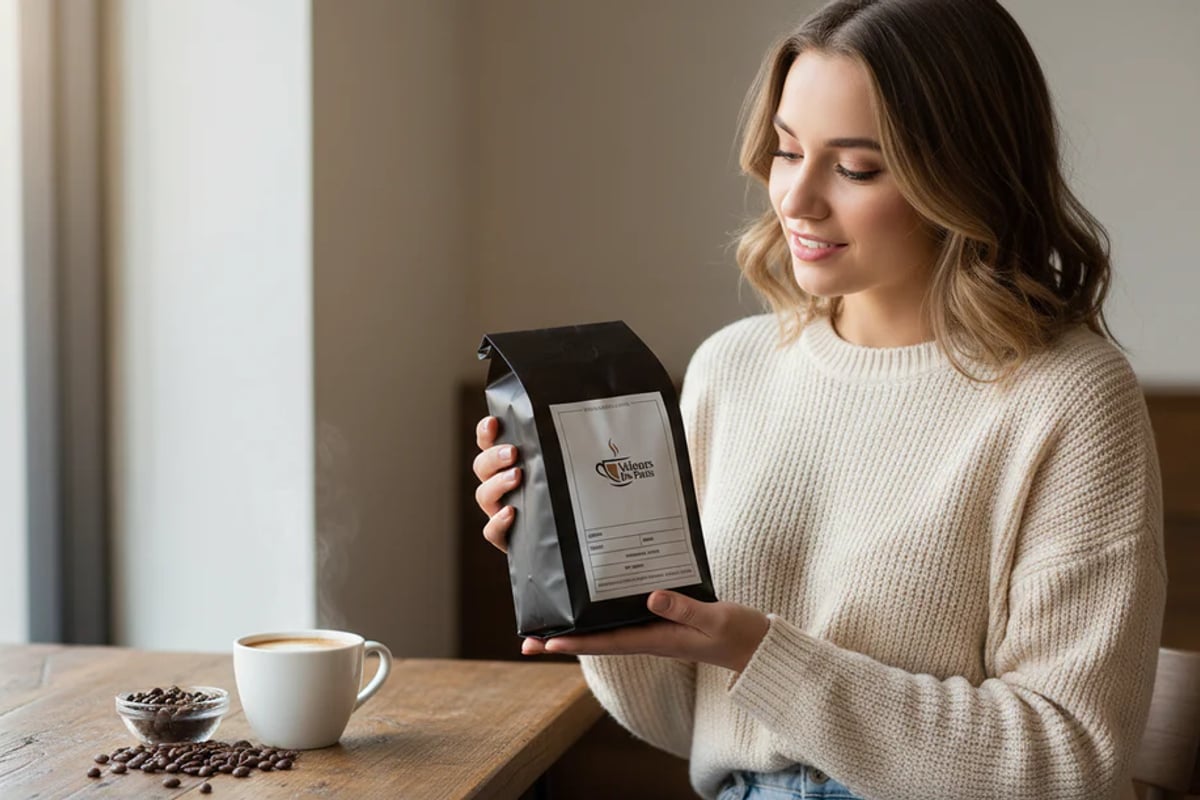
Proper bean storage significantly impacts final cup quality, particularly for mobile operations where environmental controls may be limited. Coffee beans begin losing optimal freshness immediately after roasting, with degradation accelerating upon exposure to oxygen, light, heat, and moisture. Specialty coffee providers implement strict storage protocols to preserve quality from roasting through final preparation.
Nitrogen flushing, one-way valve bags, and opaque containers protect beans during storage and transport. Temperature stability prevents condensation that damages bean structure and accelerates staling. Professional operations rotate inventory based on roast dates, ensuring beans remain within optimal freshness windows typically spanning two to four weeks post-roast for most preparation methods.
Storage best practices for specialty coffee:
- Store in airtight containers with one-way CO2 valves
- Maintain consistent temperatures between 60-75°F
- Protect from direct light exposure with opaque containers
- Minimize oxygen exposure through proper sealing
- Use beans within 2-4 weeks of roast date for optimal flavor
- Avoid refrigeration which causes condensation and odor absorption
Understanding these fundamentals helps both businesses and consumers maximize their specialty coffee investments, ensuring each cup delivers the intended flavor experience regardless of preparation context or timing.
Exploring olla specialty coffee reveals the rich intersection of tradition, innovation, and quality that defines modern specialty coffee culture. Whether through traditional brewing methods or contemporary mobile services, commitment to excellence and cultural appreciation elevates coffee from commodity to craft. Velours de Paris Coffee brings this dedication to every batch, offering premium beans sourced from the world's finest regions and roasted in small batches to ensure exceptional flavor and freshness that honors both heritage and innovation in every cup.