

Lacafei Specialty Coffee: Premium Beans & Roasting Guide
The specialty coffee industry has experienced remarkable growth over the past decade, with consumers increasingly seeking premium, ethically sourced beans that deliver exceptional flavor profiles. Lacafei specialty coffee represents this evolution in coffee culture, where quality trumps convenience and every cup tells a story of craftsmanship, origin, and meticulous attention to detail. Understanding what distinguishes specialty coffee from commercial-grade alternatives empowers both roasters and consumers to make informed decisions about their coffee investments. This comprehensive guide explores the essential elements that define lacafei specialty coffee, from bean selection and sourcing practices to roasting techniques and market positioning.
Understanding the Specialty Coffee Classification System
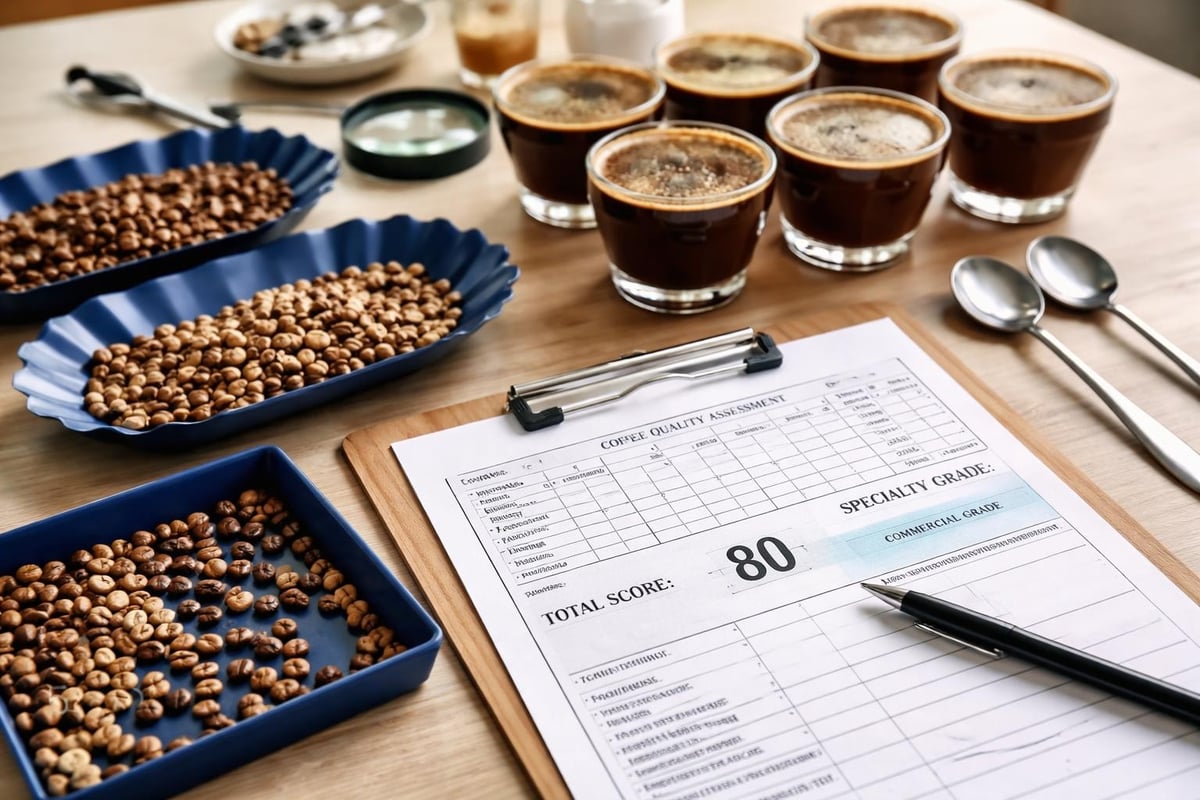
The Specialty Coffee Association has established rigorous standards for grading coffee beans based on a 100-point scale. Beans scoring 80 points or higher qualify as specialty grade, distinguishing them from commercial or commodity coffee.
Quality Metrics That Define Excellence
Lacafei specialty coffee must meet specific criteria across multiple evaluation dimensions. Professional Q-graders assess green coffee beans for physical defects, moisture content, and uniformity before they ever reach the roasting stage.
Key evaluation factors include:
- Absence of primary defects (black beans, severe insect damage, foreign matter)
- Minimal secondary defects (broken beans, hull/husk fragments, minor insect damage)
- Consistent bean size and density within each lot
- Optimal moisture content between 10-12%
- Clean cup profile without off-flavors or taints
The third-wave coffee movement has elevated consumer awareness about these quality distinctions, creating market demand for transparency in sourcing and roasting practices. Specialty roasters now routinely share detailed information about origin, processing method, and flavor notes with their customers.
| Grade Level | Point Score | Defect Count | Market Position |
|---|---|---|---|
| Specialty | 80-100 | 0-5 secondary | Premium retail |
| Premium | 75-79.99 | 6-8 secondary | Quality brands |
| Exchange | 60-74.99 | Higher defects | Commercial |
| Below Standard | <60 | Significant | Instant/low-grade |
Sourcing Strategies for Premium Coffee Beans
Successful specialty coffee programs begin with strategic relationships at origin. Lacafei specialty coffee roasters invest significant time building direct trade partnerships with farmers and cooperatives who prioritize quality over quantity.
Direct trade relationships provide multiple advantages beyond simple cost considerations. Roasters gain access to micro-lots with distinctive flavor profiles, receive detailed information about cultivation practices, and contribute to sustainable farming communities through fair compensation.
Geographic Diversity and Flavor Development
Coffee terroir profoundly influences cup characteristics, making origin selection a critical decision for specialty roasters. Different growing regions produce beans with signature flavor profiles shaped by altitude, soil composition, climate patterns, and processing methods.
Notable specialty coffee regions and their characteristics:
- Ethiopia: Floral, fruity notes with wine-like acidity and bergamot complexity
- Colombia: Balanced sweetness, mild acidity, chocolate and nut undertones
- Kenya: Bright acidity, blackcurrant notes, full body with citrus highlights
- Guatemala: Spicy chocolate notes, apple-like acidity, medium to full body
- Brazil: Low acidity, nutty sweetness, heavy body, chocolate flavors
- Costa Rica: Clean profile, bright acidity, honey sweetness, citrus notes
The specialty coffee market trends show continued growth in consumer appreciation for single-origin offerings that highlight these regional distinctions. Roasters who educate customers about origin characteristics build loyalty and justify premium pricing.
Processing methods further differentiate lacafei specialty coffee offerings. Washed processing emphasizes clean, bright flavors. Natural processing creates fruity, complex profiles. Honey processing delivers balanced sweetness with moderate body.
Small-Batch Roasting Techniques and Profile Development
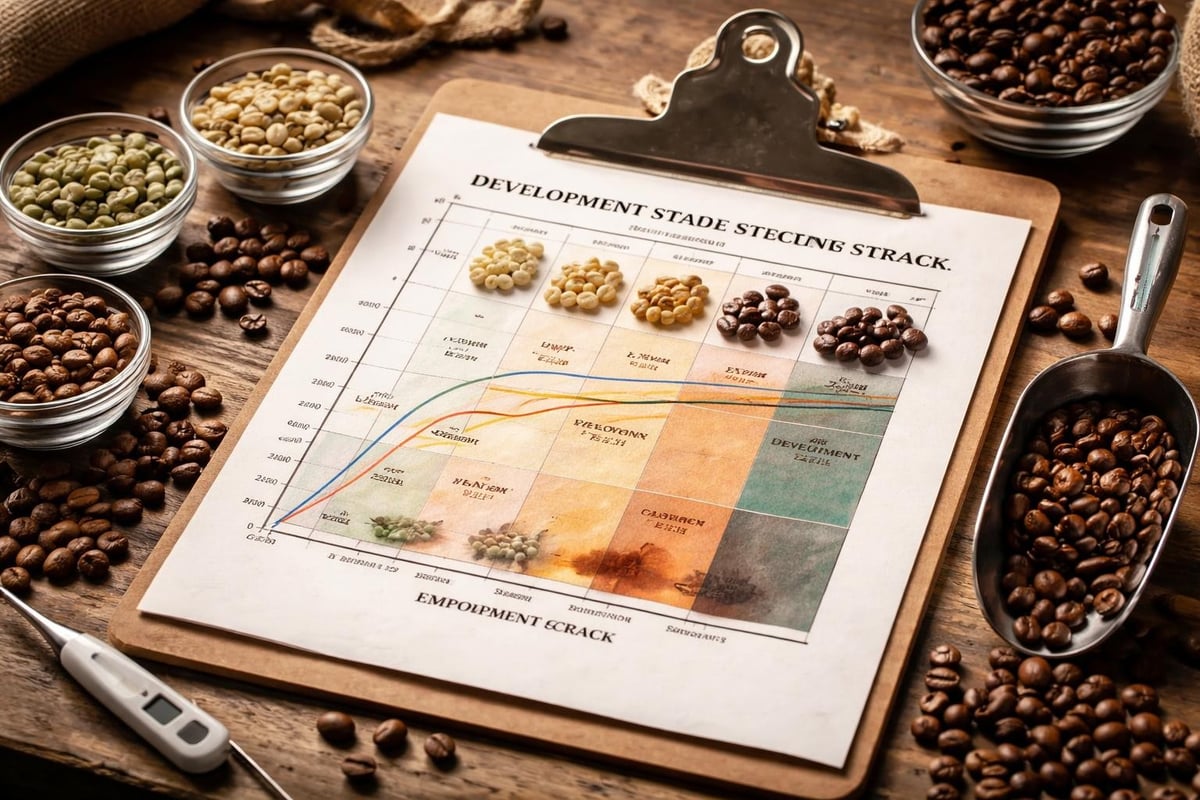
The transformation from green bean to aromatic roasted coffee requires precise temperature control, timing expertise, and deep understanding of chemical reactions occurring throughout the roasting cycle. Specialty roasters view this process as both science and art.
Roast Profile Customization
Lacafei specialty coffee demands customized roast profiles that highlight each origin's inherent characteristics rather than imposing a uniform roasting style across all beans. Ethiopian beans might require gentler development to preserve delicate floral notes, while Brazilian beans can handle more aggressive profiles that develop chocolate richness.
Temperature management throughout the roasting cycle determines final flavor outcomes. The initial drying phase removes moisture. The Maillard reaction phase develops complex flavors and aromas. First crack signals structural changes as beans expand. Development time after first crack fine-tunes acidity, sweetness, and body.
Critical roasting phases and objectives:
- Drying phase (0-5 minutes): Remove moisture, prepare beans for chemical reactions
- Maillard reaction (5-9 minutes): Develop brown color, create flavor precursors, build complexity
- First crack (9-11 minutes): Structural expansion, initial development of roasted character
- Development time (1-3 minutes post-crack): Fine-tune acidity, sweetness, body balance
- Cooling: Rapid temperature reduction to lock in desired profile
Small-batch roasting provides quality advantages that large commercial operations cannot replicate. Batch sizes of 15-30 pounds allow roasters to make real-time adjustments based on bean behavior, environmental conditions, and subtle variations between lots from the same origin.
Market Positioning and Consumer Education
The National Coffee Association specialty coffee data demonstrates that consumer willingness to pay premium prices correlates directly with education about quality indicators and origin stories. Successful specialty coffee businesses invest heavily in customer education through multiple channels.
Building Value Perception
Lacafei specialty coffee commands premium pricing only when consumers understand the quality differentiators justifying the investment. Transparent communication about sourcing costs, quality standards, and roasting expertise builds trust and loyalty.
Many specialty roasters now provide detailed product descriptions including farm names, processing methods, altitude, varietals, and cupping notes. This transparency resonates with consumers who view coffee as an artisanal product worthy of the same consideration as fine wine or craft spirits.
For businesses looking to introduce customers to premium coffee experiences, offering sampler packages provides low-risk entry points. Velours de Paris Coffee creates curated collections that showcase diverse flavor profiles, helping newcomers discover their preferences while building appreciation for quality distinctions. New customers can explore these offerings and save 10% with code WELCOME10 on their first purchase, making premium coffee more accessible.
| Education Method | Implementation | Customer Impact |
|---|---|---|
| Origin stories | Website content, packaging inserts | Emotional connection, value justification |
| Tasting notes | Detailed flavor descriptors | Expectation setting, sensory awareness |
| Brewing guides | Multi-format instructions | Success rate, satisfaction |
| Sourcing transparency | Farm photos, direct trade details | Trust, ethical alignment |
| Staff training | Knowledgeable recommendations | Confidence, appropriate selection |
Flavor Profile Development and Consistency
Achieving consistent flavor delivery batch after batch represents one of the greatest challenges in specialty coffee roasting. Lacafei specialty coffee customers expect reliability alongside excellence, creating pressure to maintain quality standards despite natural variations in agricultural products.
Quality Control Protocols
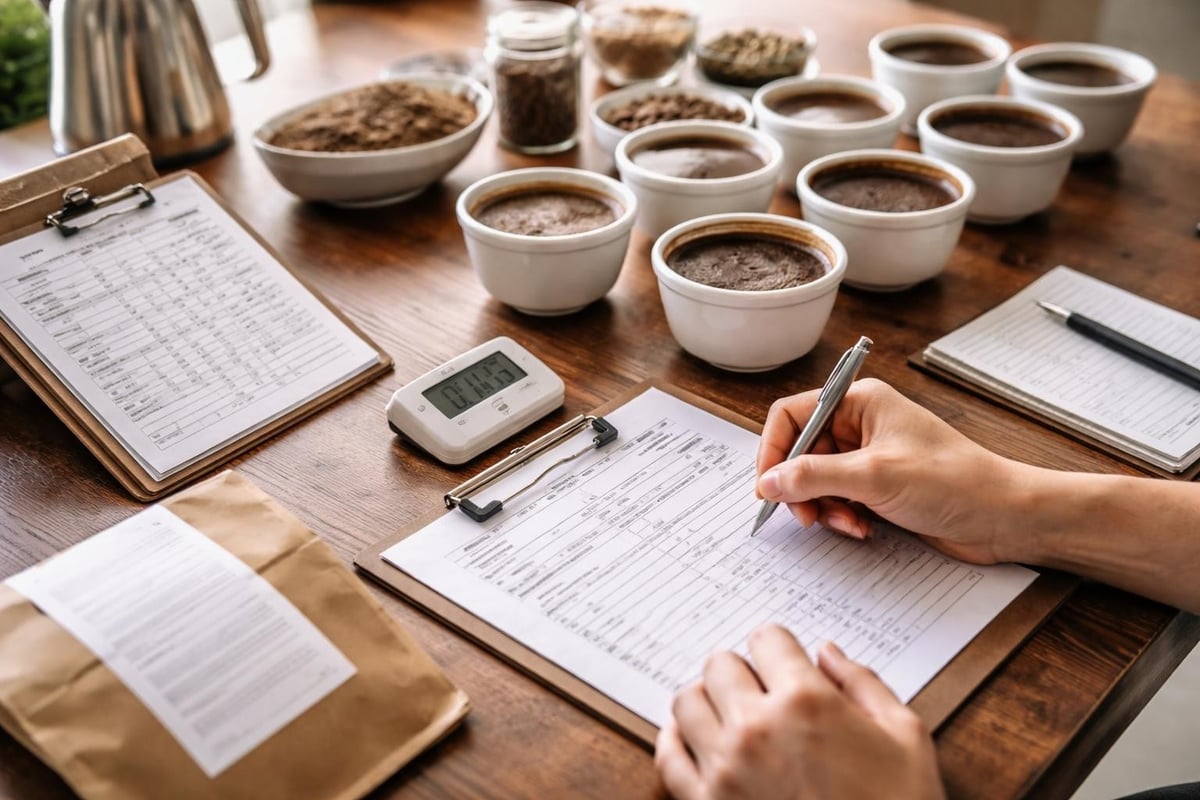
Professional cupping sessions serve as the primary quality control mechanism for specialty roasters. These standardized evaluation protocols identify defects, verify roast profile accuracy, and ensure consistency across production batches.
Essential cupping evaluation criteria:
- Fragrance/Aroma intensity and quality
- Flavor complexity and balance
- Aftertaste length and pleasantness
- Acidity brightness and type
- Body weight and texture
- Uniformity across cups from same batch
- Clean cup (absence of defects)
- Sweetness level and character
- Overall balance and integration
Roasters maintain detailed records linking green coffee lots, roast profiles, cupping scores, and customer feedback. This data-driven approach enables continuous improvement and rapid problem identification when quality issues arise.
Emerging Trends Shaping Specialty Coffee
The specialty coffee sector continues evolving as consumer preferences shift and new processing innovations emerge. Current specialty coffee trends indicate growing interest in experimental processing methods, rare varietals, and sustainability certifications.
Innovation in Processing and Varietals
Lacafei specialty coffee producers increasingly experiment with fermentation techniques, extended drying periods, and hybrid processing methods that create unique flavor profiles. Carbonic maceration, anaerobic fermentation, and thermal shock processing represent cutting-edge approaches borrowed from winemaking.
Rare coffee varietals like Gesha (Geisha), Pacamara, and SL-28 command extraordinary prices when properly cultivated and processed. These specialty offerings appeal to coffee enthusiasts seeking novel experiences and limited-edition releases.
Trending specialty coffee categories include:
- Experimental fermentation coffees with wine-like complexity
- Rare heirloom varietals from specific micro-regions
- Competition-grade lots from Cup of Excellence auctions
- Carbonic maceration processing for fruit-forward profiles
- Extended fermentation naturals with intense berry notes
Sustainability certifications increasingly influence purchasing decisions, particularly among younger consumers. Organic, Rainforest Alliance, Fair Trade, and Bird-Friendly certifications communicate environmental and social responsibility commitments that align with consumer values.
Equipment Investment and Technical Infrastructure
Producing exceptional lacafei specialty coffee requires significant investment in roasting equipment, quality control tools, and storage infrastructure. Professional-grade roasters with precise temperature control, data logging capabilities, and consistent heat distribution form the foundation of quality programs.
Essential Equipment Categories
Specialty roasters need reliable equipment across multiple operational areas. Sample roasters allow profile development without wasting commercial quantities of expensive beans. Production roasters must deliver consistency across batch sizes while providing adequate capacity for business growth.
Quality control equipment includes cupping stations with standardized brewing devices, precision scales, moisture meters, and sample storage systems. Green coffee storage requires climate-controlled environments maintaining optimal temperature and humidity levels to prevent degradation.
| Equipment Type | Investment Level | Quality Impact |
|---|---|---|
| Sample roaster | $3,000-$8,000 | Profile development precision |
| Production roaster (15kg) | $30,000-$60,000 | Batch consistency, capacity |
| Cupping equipment | $2,000-$5,000 | Quality assessment accuracy |
| Green storage | $5,000-$15,000 | Bean preservation, shelf life |
| Packaging systems | $3,000-$10,000 | Freshness protection |
Packaging technology significantly affects product shelf life and customer experience. Valve-sealed bags with one-way degassing valves prevent oxygen exposure while allowing CO2 release from freshly roasted beans. Nitrogen flushing extends freshness by displacing oxygen before sealing.
Building Customer Relationships Through Education
The specialty coffee industry statistics reveal that educated customers spend significantly more per transaction and demonstrate higher retention rates. Successful specialty roasters view education as core business strategy rather than marketing expense.
Multi-Channel Educational Approaches
Lacafei specialty coffee businesses leverage diverse platforms to share knowledge and build community. In-person events like public cuppings, brewing workshops, and origin presentations create memorable experiences that strengthen customer connections.
Digital content including blog posts, brewing tutorials, and origin documentaries extends educational reach beyond local markets. Social media platforms provide opportunities for daily engagement, customer questions, and real-time updates about new offerings.
Effective educational content formats:
- Brewing guides: Step-by-step instructions for various preparation methods
- Origin profiles: Stories about farming communities, processing innovations, regional characteristics
- Roasting insights: Behind-the-scenes content explaining profile decisions and quality control
- Tasting workshops: Guided sensory training developing customer palate awareness
- Sustainability stories: Transparent communication about environmental and social impact
Regular communication through newsletters and blog updates keeps specialty coffee enthusiasts informed about seasonal offerings, limited releases, and educational content. This ongoing engagement maintains brand awareness between purchases and builds anticipation for new products.
Seasonal Offerings and Limited Releases
Agricultural cycles and harvest timing create natural opportunities for seasonal specialty coffee releases. Lacafei specialty coffee roasters who align product launches with harvest calendars deliver maximum freshness while educating customers about coffee's agricultural nature.
Managing Inventory and Freshness
Green coffee maintains optimal quality for 6-12 months under proper storage conditions, creating planning challenges for roasters balancing freshness, variety, and inventory investment. Strategic purchasing requires forecasting demand while remaining flexible enough to acquire exceptional micro-lots when opportunities arise.
Limited-release offerings generate excitement and urgency that drive purchasing decisions. Competition lots, experimental processing runs, and rare varietal small batches command premium prices from collectors and enthusiasts seeking unique experiences.
Roasters increasingly offer subscription services delivering rotating selections that introduce customers to diverse origins and processing styles. These programs build recurring revenue while expanding customer palate awareness through curated variety.
Competitive Differentiation in Crowded Markets
As specialty coffee adoption expands, competition intensifies across all market segments. Lacafei specialty coffee businesses must identify unique value propositions that distinguish their offerings from increasing alternatives.
Specialization Strategies
Some roasters focus exclusively on single origins from specific regions, developing deep expertise and exclusive relationships that competitors cannot easily replicate. Others emphasize rare varietals, experimental processing, or competition-grade lots that appeal to advanced enthusiasts.
Flavor profile specialization represents another differentiation approach. Roasters might focus on bright, acidic profiles for filter brewing or develop darker roasts optimized for espresso preparation. Clear positioning helps customers self-select appropriate offerings.
Differentiation approaches include:
- Geographic specialization (exclusively African coffees, Latin American focus)
- Processing method expertise (natural processing specialists, experimental fermentation)
- Roast style consistency (exclusively light roasts, espresso-focused profiles)
- Sustainability leadership (certified organic, direct trade emphasis, environmental initiatives)
- Educational content leadership (comprehensive brewing resources, sensory training programs)
Businesses exploring diverse flavor profiles through flavored specialty coffee options can attract customers transitioning from commercial brands while maintaining quality standards through premium base beans and natural flavoring processes.
Lacafei specialty coffee represents a commitment to excellence that extends from farm relationships through final cup delivery. Successful specialty roasters combine rigorous quality standards with transparent communication and ongoing customer education to build sustainable businesses in this competitive market. Whether you're seeking single-origin excellence, expertly crafted blends, or flavored specialty options, Velours de Paris Coffee delivers premium beans roasted in small batches to ensure exceptional freshness and flavor in every cup.