

Dash Specialty Coffee: What It Means for 2026
The specialty coffee landscape continues to evolve rapidly in 2026, with new terminology and concepts emerging that reflect changing consumer expectations and industry innovations. One phrase gaining traction is "dash specialty coffee," which captures the intersection of speed, precision, and uncompromising quality. This concept represents more than just a quick cup of coffee-it embodies the modern demand for exceptional flavor delivered efficiently, whether through streamlined brewing methods, rapid roasting techniques that preserve nuanced characteristics, or the ability to serve premium coffee quickly without sacrificing the artisanal standards that define specialty-grade beans. Understanding this trend is essential for coffee roasters, café owners, and enthusiasts who want to stay ahead in an increasingly competitive market.
Understanding the Dash Specialty Coffee Concept
The term "dash specialty coffee" encompasses several interpretations within the coffee industry, all centered around efficiency meeting excellence. At its core, this concept challenges the traditional notion that quality coffee requires extensive time and elaborate preparation. Instead, it demonstrates that proper technique, superior beans, and modern equipment can deliver outstanding results quickly.
Key components of dash specialty coffee include:
- Rapid extraction methods that preserve flavor complexity
- Quick-serve specialty coffee formats for busy consumers
- Streamlined roasting processes that maintain bean integrity
- Efficient supply chains delivering fresh coffee fast
- Express brewing techniques perfected for consistency
The rise of dash specialty coffee reflects broader consumer trends documented by industry research. According to data from the National Coffee Association, specialty coffee consumption has reached a 13-year high among American adults, surpassing traditional coffee for the first time. This surge indicates consumers value quality but also expect convenience.
Speed Without Compromise
Traditional specialty coffee culture often emphasizes slow, methodical preparation. The dash specialty coffee movement proves that speed and quality aren't mutually exclusive. Professional baristas now achieve exceptional espresso shots in 25-30 seconds, while modern pour-over devices can produce complex, balanced cups in under three minutes.
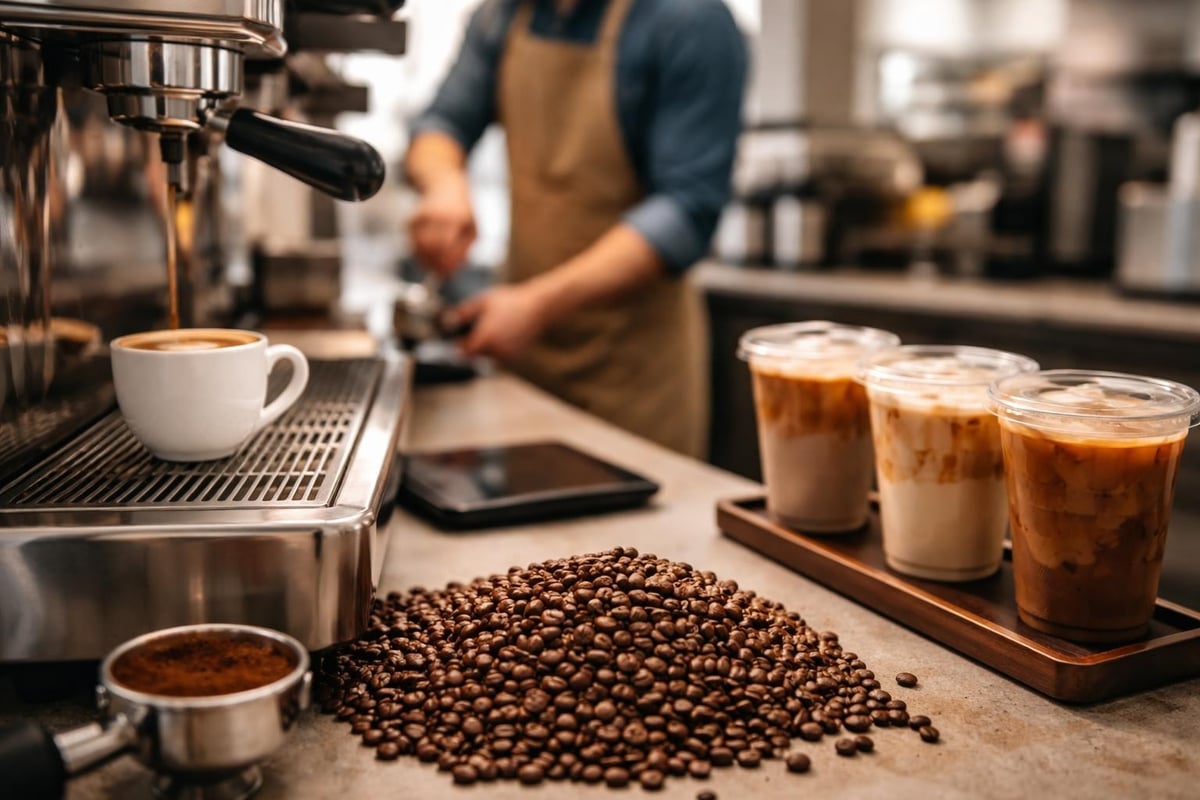
This efficiency extends beyond brewing. Small-batch roasters have refined their processes to move beans from roaster to customer within days rather than weeks, preserving volatile aromatic compounds that dissipate over time. For businesses like those offering specialty coffee, maintaining this freshness while scaling production requires sophisticated logistics and quality control.
Market Growth and Consumer Demand
The specialty coffee market is experiencing unprecedented expansion. Market analysis from Grand View Research projects substantial growth driven by increasing consumer sophistication and willingness to pay premium prices for superior products. The dash specialty coffee concept fits perfectly within this expansion, addressing consumers who refuse to choose between convenience and quality.
| Market Segment | Growth Driver | Dash Coffee Application |
|---|---|---|
| Quick-serve cafés | Time-constrained consumers | Streamlined specialty drinks |
| Home brewing | Quality-conscious buyers | User-friendly premium equipment |
| Office coffee | Workplace satisfaction | Pod systems with specialty beans |
| Retail packaged | Gift market expansion | Premium single-serve options |
Modern consumers have developed discerning palates while maintaining busy schedules. They recognize inferior coffee instantly but won't spend 15 minutes preparing each cup. This creates opportunities for roasters who can deliver coffee blends and single origin coffee optimized for quick preparation methods without compromising the flavor profiles that define specialty-grade products.
Technology Enabling Speed
Technological advancements have made dash specialty coffee possible. Precision grinders achieve consistent particle size in seconds. Smart brewing devices maintain optimal temperature and timing automatically. Espresso machines with advanced pressure profiling extract maximum flavor in minimal time.
Technological innovations supporting dash specialty coffee:
- Variable temperature kettles reaching precise heat in under 60 seconds
- Commercial espresso machines with pre-infusion capabilities
- Automated pour-over systems replicating expert technique
- App-connected brewers enabling remote operation and monitoring
- Flash-cooling technology for instant cold brew preparation
These tools democratize specialty coffee, allowing anyone to achieve professional-quality results quickly. They also enable cafés to maintain high standards during peak rush periods when speed becomes critical.
Roasting Techniques for Quick-Serve Quality
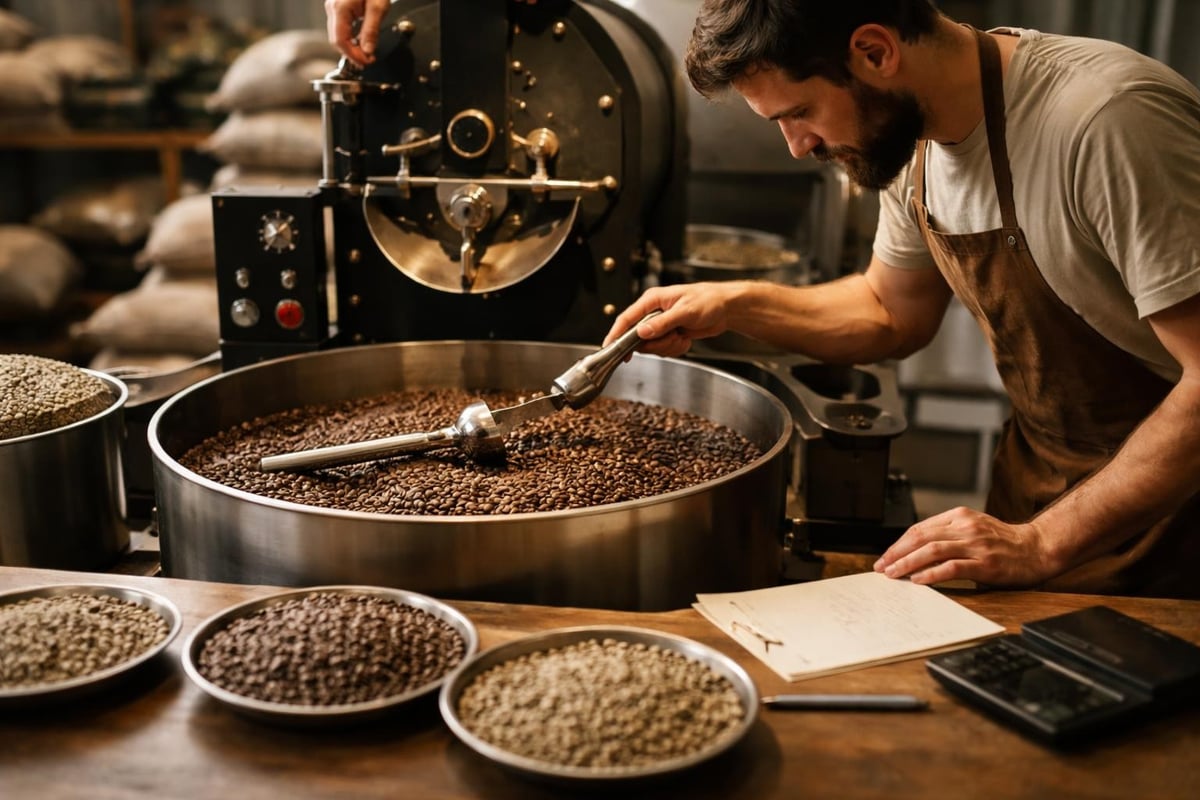
Small-batch roasting remains fundamental to dash specialty coffee excellence. Unlike mass-market coffee roasted weeks or months before consumption, specialty roasters prioritize freshness as a non-negotiable quality factor. The challenge lies in scaling production while maintaining the artisanal attention that distinguishes specialty beans.
Profile Development and Consistency
Roast profile development requires balancing multiple variables: temperature curves, airflow, drum speed, and batch size. For dash specialty coffee applications, roasters develop profiles that emphasize bright acidity and complex aromatics-characteristics that shine through even in quick preparation methods.
Consistency between batches is equally crucial. When customers expect the same exceptional cup every time, roasters must document and replicate profiles precisely. Modern roasting software tracks every variable, ensuring batch-to-batch uniformity that builds customer trust and loyalty.
The demand for flavored coffee within the specialty segment presents unique challenges. Adding flavor components while maintaining bean integrity requires careful timing and technique, particularly when optimizing for quick brewing methods that might over-extract certain flavor notes.
Brewing Methods Optimized for Speed
Different brewing methods suit dash specialty coffee applications depending on context and consumer preferences. Each method has unique advantages when properly executed with quality beans.
Espresso-Based Drinks
Espresso remains the foundation of quick specialty coffee service. A properly dialed-in espresso shot delivers concentrated flavor in 25-30 seconds, serving as the base for cappuccinos, lattes, and americanos. The key is proper equipment, fresh beans ground immediately before extraction, and skilled technique.
Espresso optimization factors:
- Grind size adjusted for 1:2 brew ratio
- Water temperature between 195-205°F
- Pressure profile managing pre-infusion and extraction
- Fresh beans within 7-21 days post-roast
- Clean equipment free from residue buildup
Pour-Over Precision
Pour-over methods like V60 or Chemex produce clean, nuanced cups highlighting specific bean characteristics. While traditionally slower, modern techniques and equipment reduce brew time to 2-3 minutes without sacrificing clarity or complexity.
Single-Serve Systems
Coffee pods and capsules represent the ultimate dash specialty coffee format-individual portions brewed in under a minute. Quality concerns have historically plagued this category, but specialty roasters now offer coffee pods containing freshly roasted, properly sourced beans that maintain flavor through innovative packaging.
The advantage of single-serve systems extends beyond speed. They provide portion control, eliminate waste from stale coffee, and allow variety without purchasing multiple full bags. For offices and hospitality settings, they deliver consistency impossible with traditional bulk brewing.
If you're looking to experience premium quality in a convenient format, you can save on your first order with special pricing available for new customers.
Sourcing and Sustainability in Fast Coffee
Dash specialty coffee doesn't compromise on sourcing ethics or environmental responsibility. The specialty coffee movement has always emphasized direct trade relationships, fair compensation for farmers, and sustainable agricultural practices. These principles remain central even when optimizing for speed and convenience.
| Sourcing Priority | Impact on Quality | Impact on Speed |
|---|---|---|
| Direct trade relationships | Ensures premium bean selection | Streamlines supply chain |
| Seasonal harvest timing | Captures peak flavor development | Requires flexible inventory |
| Rapid processing | Preserves volatile compounds | Reduces time from farm to roaster |
| Transparent traceability | Builds consumer trust | Enables storytelling and education |
Current trends in the specialty coffee industry show increasing consumer interest in origin stories and sustainable practices. Roasters who can communicate their sourcing philosophy while delivering quick, convenient products gain competitive advantage.
Environmental Considerations
Packaging represents a significant sustainability challenge for dash specialty coffee, particularly single-serve formats. Progressive roasters are adopting compostable pods, recyclable materials, and minimal packaging designs that reduce environmental impact without compromising freshness.
Transportation speed also matters. Expedited shipping from origin to roaster preserves bean quality but increases carbon footprint. Balancing these concerns requires strategic decisions about sourcing regions, shipping consolidation, and inventory management.
Quality Control and Customer Education
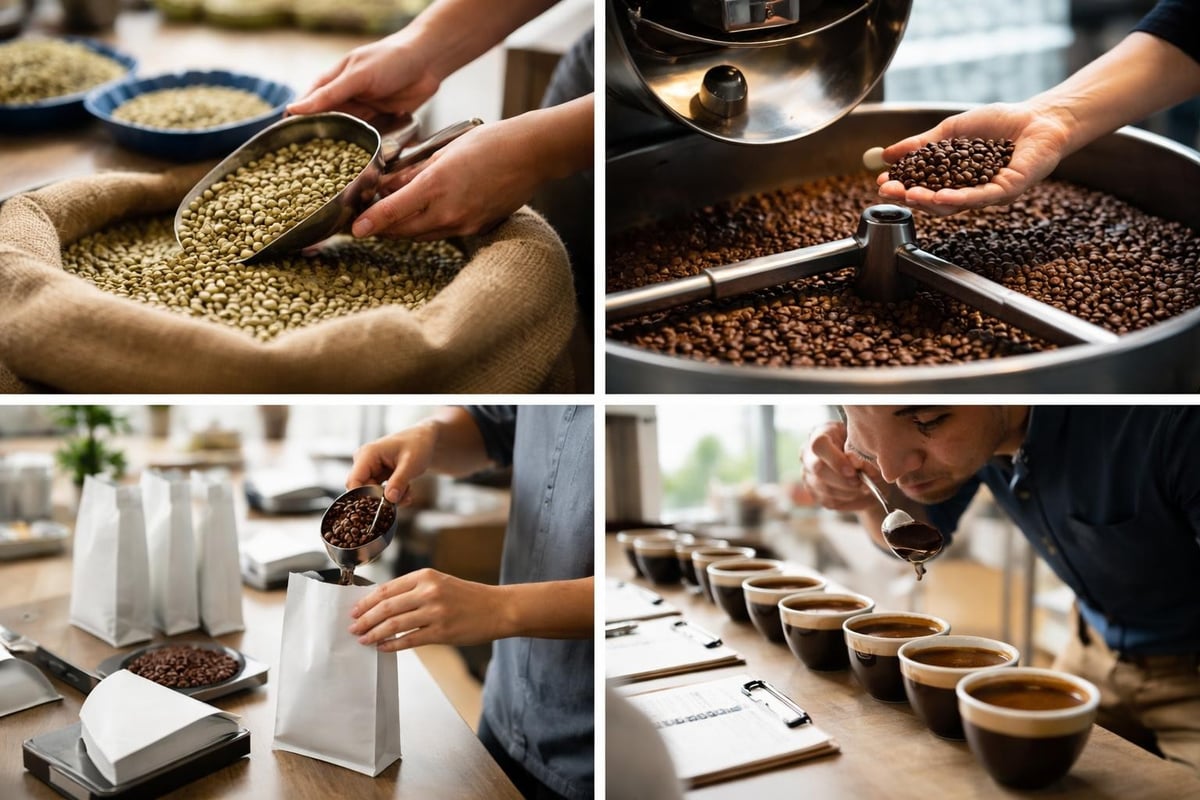
Maintaining specialty-grade standards in quick-serve contexts demands rigorous quality control. Every step from green bean selection through final brewing must meet exacting specifications.
Quality checkpoints for dash specialty coffee:
- Green bean grading according to Specialty Coffee Association standards
- Sample roasting to evaluate potential before full production
- Cupping sessions identifying optimal roast profiles
- Packaging integrity testing for freshness preservation
- Brewing trials confirming performance across methods
Customer education amplifies these quality efforts. Many consumers don't understand what distinguishes specialty coffee from commercial-grade products. Teaching them about origin characteristics, processing methods, and proper brewing technique builds appreciation and justifies premium pricing.
Educational content should address common misconceptions, particularly the belief that quick preparation inevitably means inferior quality. Demonstrating how proper technique and superior beans produce excellent results in minimal time helps customers understand the dash specialty coffee value proposition.
Flavor Profile Development
Developing distinctive flavor profiles that perform well in quick-brewing applications requires understanding coffee chemistry and extraction dynamics. Different compounds extract at different rates, and brew time significantly impacts final cup characteristics.
Acidity and Brightness
Bright, acidic coffees often excel in dash specialty coffee applications. Their lively character cuts through milk in espresso drinks and provides complexity in quick pour-overs. African coffees with their characteristic fruit-forward profiles work particularly well.
Body and Mouthfeel
While lighter-bodied coffees brew quickly, some consumers prefer fuller mouthfeel. Achieving substantial body in fast extraction requires careful bean selection and roast development. Indonesian coffees and certain South American varieties naturally provide this characteristic.
Sweetness Balance
Sweetness balances acidity and bitterness, creating pleasant, approachable cups. In quick extractions, developing sweetness without over-extraction requires precise grind size, water temperature, and timing. Roasters can emphasize inherent bean sweetness through profile development that highlights caramelization without burning.
The versatility of coffee blends allows roasters to engineer specific flavor outcomes. Combining beans with complementary characteristics creates consistent profiles that perform reliably across brewing methods and preparation speeds.
Business Applications and Service Models
Dash specialty coffee concepts enable new business models and service approaches. Understanding these applications helps roasters and café owners position their offerings effectively.
High-Volume Cafés
Busy urban cafés serve hundreds of customers daily, many during concentrated rush periods. Implementing dash specialty coffee principles-streamlined workflows, efficient equipment, pre-portioned ingredients-maintains quality while managing volume. Staff training emphasizes consistency and speed without shortcuts that compromise flavor.
Subscription Services
Home delivery subscriptions have exploded in popularity, with market forecasts predicting continued expansion. Subscription models succeed when they deliver fresh, properly packaged coffee on predictable schedules. Offering variety through sample packs or monthly rotations keeps customers engaged while introducing them to different origins and roast styles.
Office and Hospitality
Corporate offices and hotels represent significant opportunities for dash specialty coffee. These environments demand consistency, convenience, and quality that impresses guests or employees. Single-serve systems loaded with specialty-grade coffee meet these requirements while simplifying inventory and preparation.
Future Trends and Innovations
The specialty coffee industry continues evolving rapidly. Several emerging trends will shape dash specialty coffee development over the coming years.
Anticipated developments include:
- Nitrogen-infused ready-to-drink specialty coffee
- AI-powered brewing devices learning individual preferences
- Blockchain-verified supply chains ensuring authenticity
- Zero-waste packaging becoming industry standard
- Hyper-local micro-roasting reducing delivery times
Consumer preferences are shifting toward experiences that combine premium quality with environmental consciousness and social responsibility. According to recent specialty coffee market analysis, younger consumers particularly prioritize sustainability and transparency alongside flavor quality.
Technology Integration
Smart devices will increasingly personalize coffee experiences. Imagine brewing equipment that remembers your preferred strength, automatically orders replacement beans before you run out, and adjusts extraction parameters based on ambient humidity. These innovations enhance the dash specialty coffee concept by removing friction while maintaining quality.
Transparent Supply Chains
Consumers increasingly demand transparency about coffee origins, farmer compensation, and environmental impact. Technologies enabling farm-to-cup traceability will become standard, allowing customers to verify claims about direct trade relationships and sustainable practices. This transparency builds trust essential for premium pricing in competitive markets.
Dash specialty coffee represents the evolution of the specialty movement into the modern age, where quality-conscious consumers demand excellence without sacrificing convenience. By embracing efficient techniques, investing in proper equipment, and maintaining uncompromising standards from sourcing through brewing, roasters can meet this demand successfully. Whether you're exploring premium options for your café, office, or home brewing setup, Velours de Paris Coffee delivers the exceptional quality and freshness that define true specialty coffee, with carefully sourced beans roasted in small batches to ensure every cup meets the highest standards.