

Coffee from America: Origins, Regions & Premium Beans
The specialty coffee industry in America has evolved dramatically over the past decades, transforming from a nation of instant coffee drinkers into sophisticated consumers who appreciate origin, processing methods, and roasting techniques. When discussing coffee from america, we must consider both the limited domestic cultivation in Hawaii and U.S. territories as well as the thriving roasting and specialty coffee culture that has positioned American roasters among the world's finest. Understanding this landscape helps coffee enthusiasts appreciate the complexity and craftsmanship behind their daily cup.
The Geography of American Coffee Production
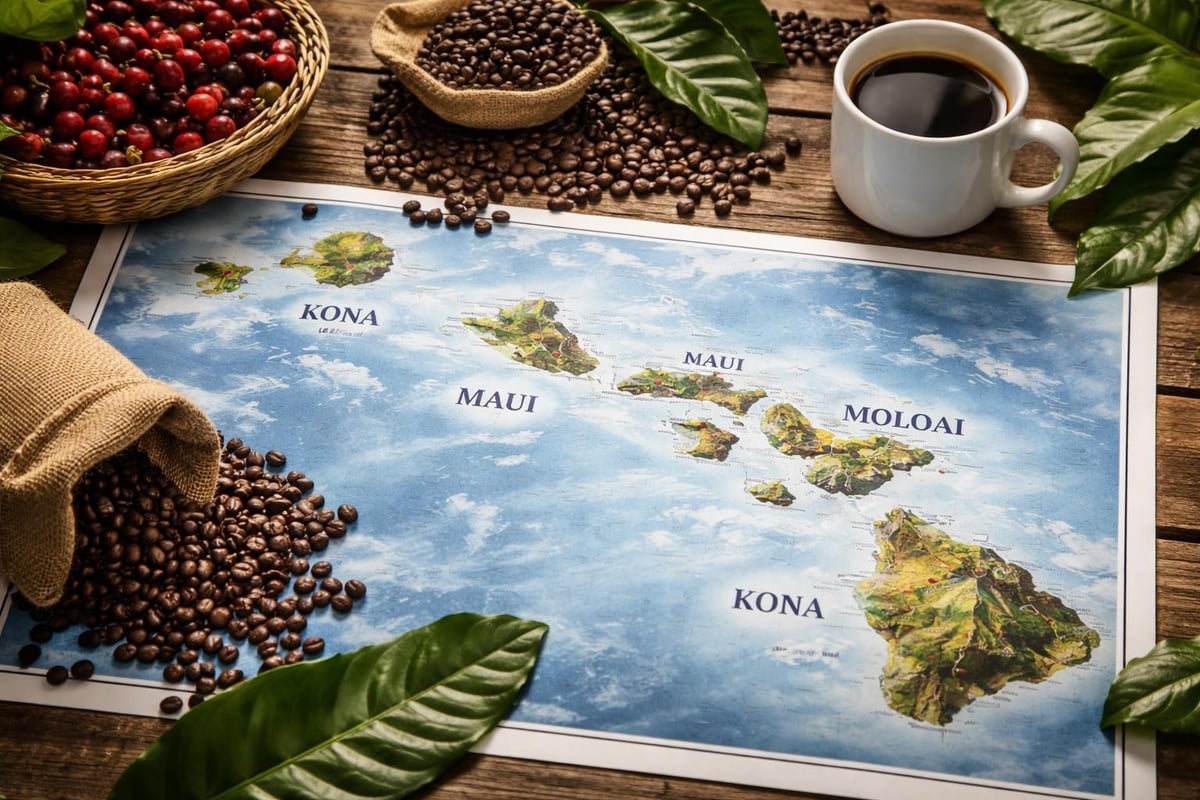
Coffee from america primarily originates from Hawaii, where unique microclimates create ideal growing conditions for Arabica beans. The volcanic soil, consistent rainfall, and moderate temperatures of the Hawaiian Islands produce some of the most sought-after coffee in the world, particularly Kona coffee from the Big Island's western slopes.
Hawaiian Coffee Regions
Hawaii remains the only U.S. state with commercial coffee production, and the state's contribution to domestic coffee production represents a small but prestigious segment of the market. Each island offers distinct flavor profiles shaped by elevation, soil composition, and local weather patterns.
Key Hawaiian coffee regions include:
- Kona: The gold standard of coffee from america, known for smooth body and bright acidity
- Maui: Produces beans with balanced sweetness and medium body
- Kauai: Offers unique terroir with subtle fruity notes
- Molokai: Small-scale production with artisanal character
- Oahu: Emerging farms focusing on experimental processing methods
The limited production volume of Hawaiian coffee commands premium prices, with genuine Kona coffee often selling for $30-$50 per pound at retail. This scarcity has also led to blending practices, where some products contain only 10% Kona beans yet market themselves as Kona coffee.
Puerto Rico's Coffee Heritage
Beyond Hawaii, Puerto Rico maintains a rich coffee cultivation history dating back to the 18th century. The island's mountainous regions, particularly Yauco, Adjuntas, and Lares, produce high-quality Arabica beans with distinctive characteristics. While production declined significantly during the 20th century, recent revival efforts have reestablished Puerto Rican coffee as a boutique offering within the broader category of coffee from america.
The American Roasting Revolution
While domestic cultivation remains limited, the United States has emerged as a global leader in specialty coffee roasting and innovation. The coffee production industry in the U.S. has experienced significant growth, with thousands of small-batch roasters establishing operations across the country.
Third Wave Coffee Movement
The specialty coffee movement transformed American coffee culture beginning in the early 2000s. This shift emphasized transparency in sourcing, precise roasting techniques, and brewing methods that highlight origin characteristics. American roasters pioneered direct trade relationships with farmers worldwide, creating sustainable supply chains that benefit both producers and consumers.
| Roasting Approach | Characteristics | Flavor Impact |
|---|---|---|
| Light Roast | Preserves origin flavors | Bright acidity, fruity notes |
| Medium Roast | Balanced development | Sweetness, body, complexity |
| Dark Roast | Extended roasting time | Bold, roasted flavors, lower acidity |
This dedication to craft has positioned coffee from america as a benchmark for quality, even when the beans themselves originate from Ethiopia, Colombia, or Guatemala. The expertise lies in sourcing, roasting profiles, and quality control that American specialty roasters have perfected.
Market Dynamics and Consumer Trends
Americans consume approximately 400 million cups of coffee daily, making the United States one of the world's largest coffee markets. This massive consumption drives innovation and creates opportunities for premium offerings that cater to increasingly sophisticated palates.
Economic Impact
The economic impact of the coffee industry extends far beyond morning routines. The sector supports hundreds of thousands of jobs across roasting facilities, cafes, distribution networks, and retail operations. This economic significance has encouraged investment in technology, training, and infrastructure that elevates the entire industry.
Consumer preferences shaping coffee from america:
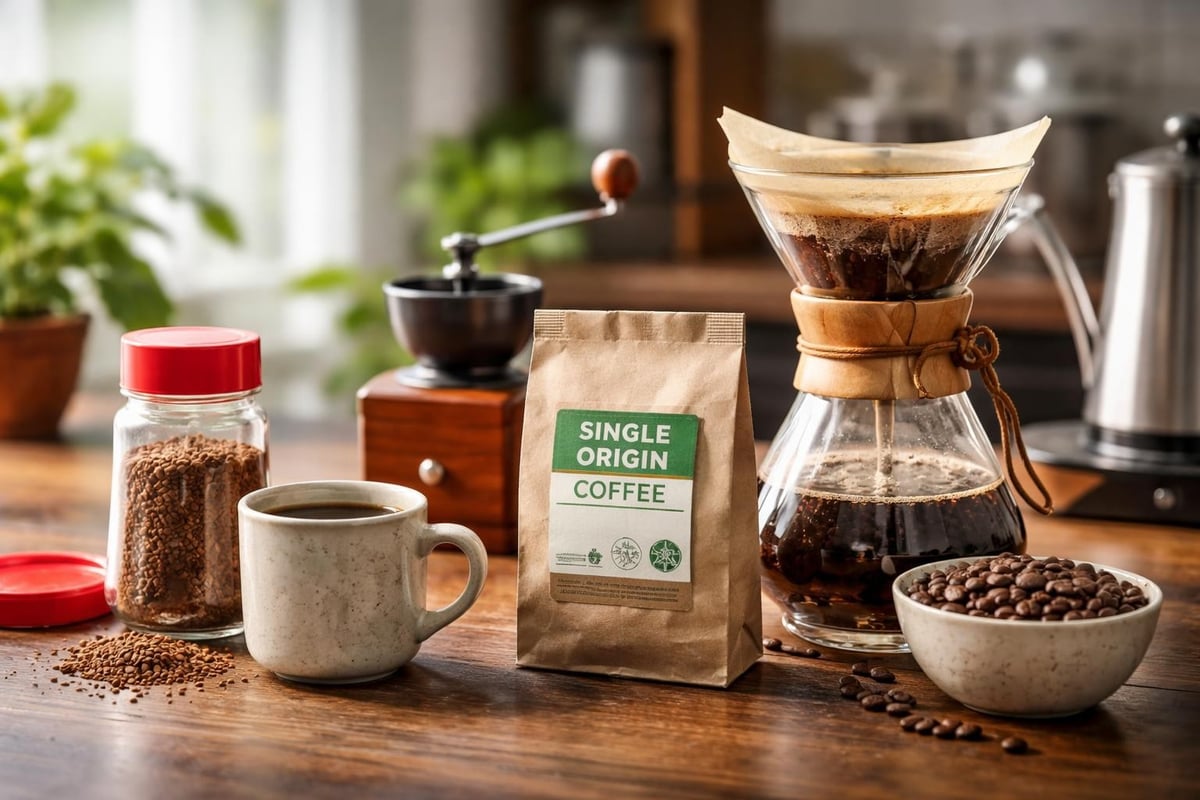
- Single origin transparency: Buyers want to know exact farm locations and processing methods
- Sustainability certifications: Organic, Fair Trade, and Rainforest Alliance labels influence purchasing decisions
- Brewing equipment: Home espresso machines and pour-over devices enable cafe-quality results
- Subscription services: Regular deliveries of freshly roasted beans maintain optimal freshness
- Cold brew popularity: Ready-to-drink and concentrate formats appeal to younger demographics
The specialty coffee segment continues expanding while commodity coffee sales decline, reflecting consumer willingness to pay premium prices for superior quality and ethical sourcing practices. For those exploring premium options, specialty coffee collections offer carefully curated selections that showcase diverse origins and roasting styles.
Regional Roasting Profiles Across America
Different regions of the United States have developed distinct roasting philosophies and preferences that influence the broader landscape of coffee from america. These regional variations reflect local tastes, water chemistry, and cultural influences that shape roasting decisions.
Pacific Northwest
Seattle established itself as America's specialty coffee capital, home to both large-scale operations and artisanal micro-roasters. The region favors lighter roasts that preserve origin characteristics, particularly for beans from Africa and Central America. The soft water profile in the Pacific Northwest influences extraction and has shaped local preferences for bright, complex coffees.
East Coast Tradition
East Coast roasters often embrace slightly darker profiles that provide consistency and boldness appreciated in traditional American coffee culture. This approach balances innovation with familiarity, creating approachable yet high-quality offerings. The concentration of population centers supports diverse roasting operations, from high-volume commercial facilities to neighborhood batch roasters.
Southern Innovation
The American South has experienced remarkable growth in specialty coffee culture, with cities like Atlanta, Nashville, and Austin becoming significant players. Southern roasters frequently experiment with processing methods and develop unique coffee blends that combine beans from multiple origins to create signature flavor profiles.
Midwest Craftsmanship
Midwestern roasters emphasize consistency and value, building loyal customer bases through reliable quality and community engagement. This region has seen particular growth in direct-to-consumer models that leverage lower operational costs compared to coastal cities.
Sourcing Excellence for American Roasters
The quality of coffee from america, in terms of roasted products, depends entirely on sourcing relationships and green bean selection. American roasters have pioneered transparent supply chains that ensure farmer profitability while securing premium beans.
Direct Trade Relationships
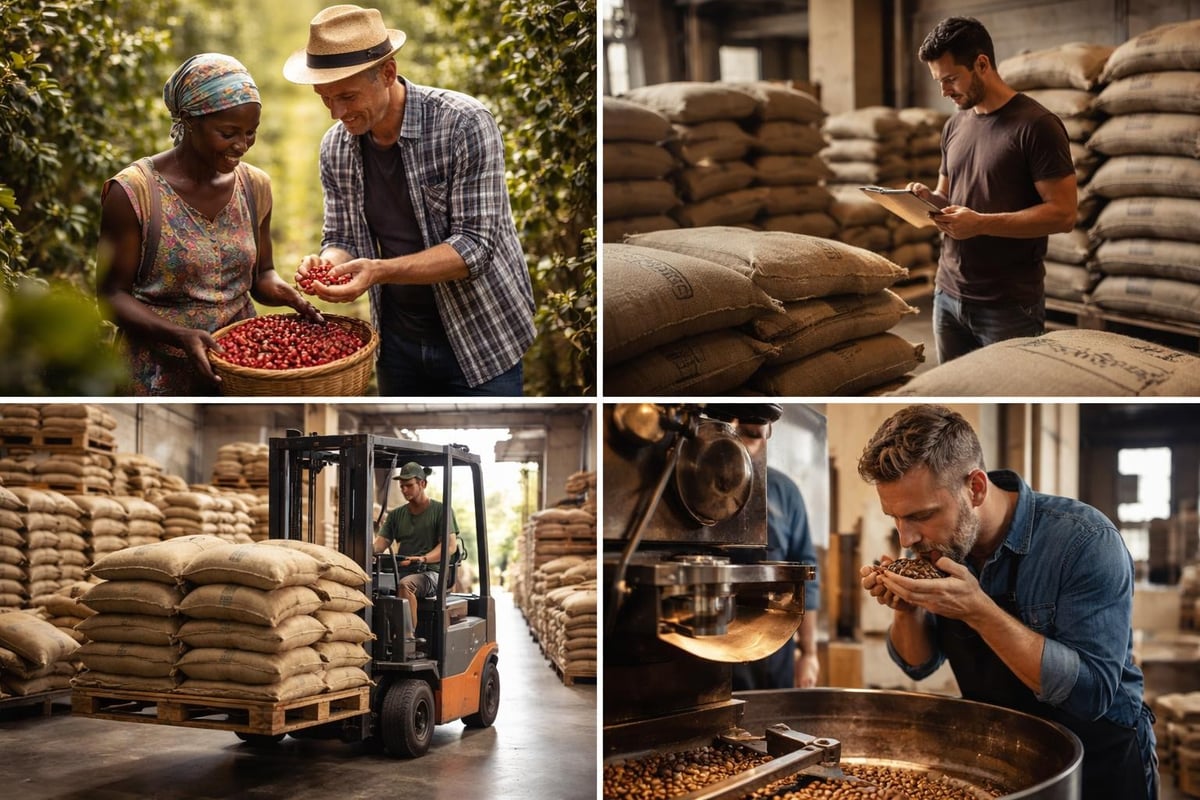
Many American roasters bypass traditional importers to work directly with producers, visiting farms annually and collaborating on cultivation practices. This direct trade model provides several advantages:
- Higher prices paid to farmers improve quality incentives and sustainability
- Detailed information about processing methods enhances roasting decisions
- Lot traceability enables micro-lot offerings with unique characteristics
- Long-term partnerships encourage investment in quality improvements
- Transparent pricing builds consumer trust and justifies premium positioning
Import Infrastructure
Despite minimal domestic cultivation, America's coffee import infrastructure ranks among the world's most sophisticated. Modern warehousing facilities maintain precise temperature and humidity control, preserving green bean quality during storage. This infrastructure enables roasters to source globally while ensuring freshness and consistency.
Quality Standards and Innovation
American coffee culture has established rigorous quality standards that define excellence in coffee from america. These benchmarks influence global practices and push the entire industry toward continuous improvement.
Cupping Protocols
The Specialty Coffee Association established standardized cupping protocols that enable objective quality assessment. Professional cuppers evaluate beans using consistent methodologies that score fragrance, aroma, flavor, aftertaste, acidity, body, balance, and overall impression. Beans scoring 80 points or above qualify as specialty grade.
| Quality Tier | Score Range | Characteristics |
|---|---|---|
| Specialty | 80-100 points | Distinctive attributes, no defects |
| Premium | 75-79.99 points | Some distinctive qualities |
| Exchange Grade | 70-74.99 points | Standard commercial quality |
| Below Standard | <70 points | Various defects present |
Roasting Technology
American roasters have embraced technology to achieve unprecedented precision and consistency. Modern roasting equipment features:
- Computerized profile control that replicates successful roasts exactly
- Real-time monitoring of bean temperature and environmental conditions
- Data logging that enables continuous improvement
- Energy efficiency reducing environmental impact
- Sample roasters for small-batch testing before full production
This technological sophistication allows roasters to maximize the potential of every bean, whether showcasing single origin coffee characteristics or creating harmonious blends.
The Home Brewing Movement
The quality of coffee from america extends beyond professional roasters to home enthusiasts who invest in equipment and education to replicate cafe experiences. This trend has driven demand for freshly roasted beans and created new market opportunities.
Equipment Proliferation
American consumers have embraced brewing devices ranging from simple pour-over cones to elaborate espresso machines costing thousands of dollars. This equipment proliferation reflects the maturation of coffee culture and willingness to invest in superior results.
Popular home brewing methods include:
- Pour-over: Hario V60, Chemex, and Kalita Wave for clean, nuanced cups
- French press: Full-bodied extraction highlighting coffee oils
- Espresso machines: Home models approaching commercial quality standards
- AeroPress: Versatile, portable brewing with quick extraction
- Cold brew systems: Extended steeping for smooth, low-acid concentrate
Educational Resources
The democratization of coffee knowledge has empowered consumers to make informed decisions about coffee from america. Online resources, workshops, and certifications provide training previously available only to industry professionals. This education creates more discerning customers who appreciate quality differences and support premium pricing.
Many specialty roasters now offer newcomers a chance to explore various profiles through samples and variety packs that showcase different origins, roast levels, and processing methods without committing to full-pound purchases.
Sustainability and Future Outlook
The future of coffee from america depends on addressing sustainability challenges that threaten global coffee production. Climate change impacts growing regions worldwide, while economic pressures discourage younger generations from continuing family farming traditions.
Environmental Initiatives
American roasters increasingly prioritize environmental responsibility through:
- Carbon-neutral operations offsetting emissions from roasting and shipping
- Compostable packaging reducing plastic waste throughout the supply chain
- Energy-efficient roasting minimizing resource consumption
- Water conservation in brewing and processing applications
- Regenerative agriculture support helping farmers implement sustainable practices
Market Projections
Industry analysis of the roasted coffee market indicates continued growth through 2035, driven by specialty segment expansion and premiumization trends. The market shows resilience despite economic fluctuations, as consumers prioritize quality coffee as an affordable luxury.
The increasing sophistication of American coffee culture creates opportunities for differentiation through origin storytelling, processing innovations, and exceptional quality. Roasters who invest in relationships, technology, and education position themselves to thrive in this evolving landscape.
Coffee from america represents more than geographic origin. It embodies a commitment to excellence, innovation, and sustainability that has transformed global coffee culture. Whether enjoying Hawaiian Kona's legendary smoothness or exploring complex flavored coffee creations from American roasters, consumers benefit from decades of refinement and passion.
The evolution of coffee from america demonstrates how dedication to quality and innovation can elevate an entire industry, creating value for producers, roasters, and consumers alike. Whether you're exploring premium Hawaiian beans or seeking expertly roasted selections from around the world, Velours de Paris Coffee offers carefully curated options that showcase the artistry and precision that define exceptional coffee experiences. Discover small-batch roasted perfection that honors both tradition and innovation in every cup.