

Coffee Beans Samples: Your Guide to Finding Perfect Roasts
Finding the perfect coffee can feel overwhelming with countless origins, roast levels, and flavor profiles available. Coffee beans samples offer a practical solution for discerning coffee enthusiasts and professionals alike, allowing you to explore different varieties without committing to large quantities. Whether you're a home brewer seeking your signature blend or a cafe owner evaluating suppliers, sampling provides the opportunity to make informed decisions based on actual taste rather than marketing descriptions. This approach has become essential in the specialty coffee industry, where quality and personal preference dictate purchasing decisions.
Understanding the Value of Coffee Sampling
Coffee beans samples serve multiple purposes beyond simple taste testing. They represent a risk-free method for discovering new origins, processing methods, and roasting techniques that might become your next favorite brew. For specialty coffee roasters, providing samples demonstrates confidence in their product quality and commitment to customer satisfaction.
The sampling process allows you to evaluate critical aspects of coffee that can't be determined from descriptions alone. Acidity levels, body texture, aromatic complexity, and finish all reveal themselves only through direct tasting. These sensory experiences form the foundation of informed purchasing decisions, particularly when investing in premium specialty coffees.
Financial Benefits of Sample Testing
Purchasing coffee beans samples makes financial sense for several compelling reasons:
- Minimize waste by avoiding full-bag purchases of coffees that don't match your preferences
- Compare multiple options simultaneously without significant financial investment
- Test brewing methods with different bean varieties before committing
- Evaluate freshness and roasting quality from new suppliers
- Experiment with origins you've never tried before
The cost-effectiveness becomes particularly apparent when exploring higher-end specialty coffees. A sample pack costing twenty dollars allows you to test four or five different varieties that might each cost fifteen to twenty-five dollars per full bag. This approach transforms coffee exploration from an expensive gamble into an affordable adventure.
Quality Assessment Through Professional Sampling
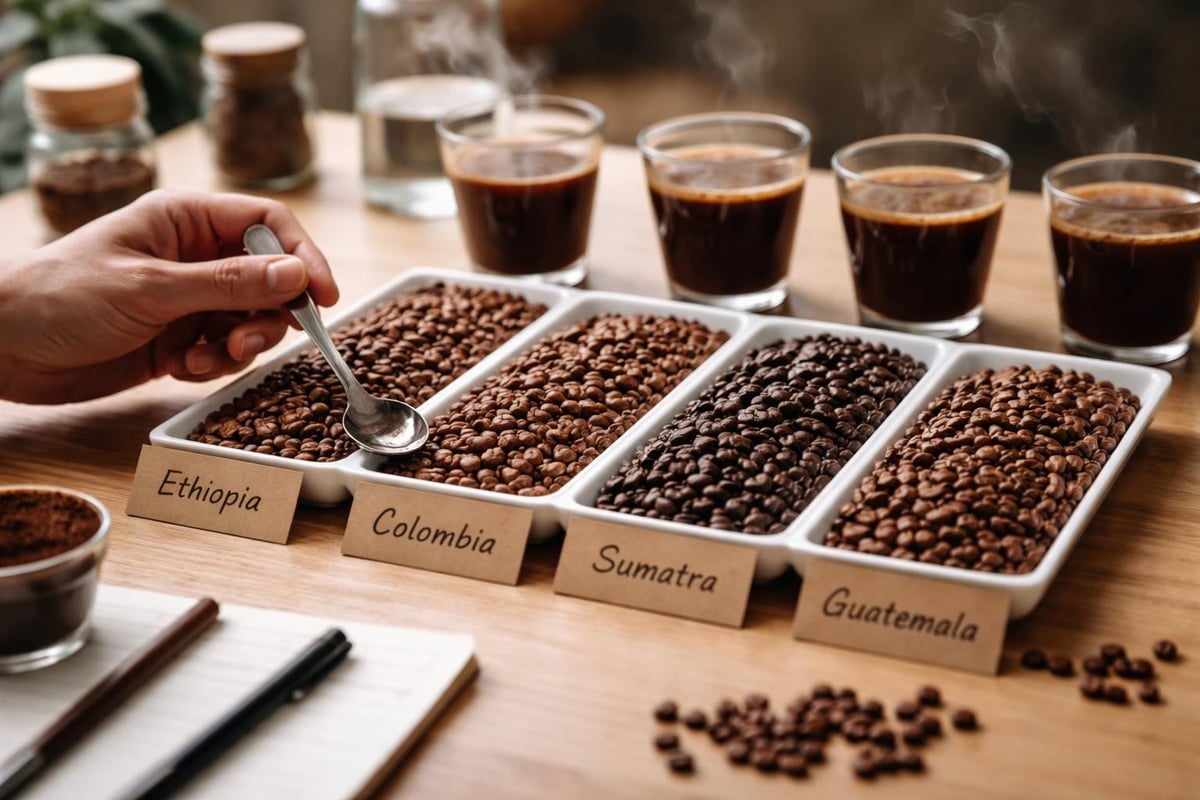
Professional coffee evaluation requires systematic approaches that coffee beans samples facilitate effectively. The Specialty Coffee Association has established standardized protocols for cupping, which many roasters adapt when creating sample offerings for customers. Understanding these quality markers helps you evaluate samples more objectively.
When assessing samples, professionals examine both physical bean characteristics and brewed qualities. Green coffee buyers often use proper sampling techniques to ensure representative evaluation of entire lots. This systematic approach prevents misleading impressions based on unrepresentative portions of a coffee shipment.
Key Evaluation Criteria
| Assessment Category | What to Examine | Why It Matters |
|---|---|---|
| Bean Appearance | Size uniformity, color consistency, defect presence | Indicates processing quality and sorting standards |
| Aroma | Dry grounds and brewed fragrance intensity | Reveals freshness and aromatic potential |
| Flavor Profile | Primary tastes, secondary notes, complexity | Defines overall character and appeal |
| Aftertaste | Length and pleasantness of finish | Separates exceptional from ordinary coffees |
| Body | Mouthfeel and texture weight | Affects brewing method compatibility |
Recent developments in coffee analysis have enhanced quality assessment capabilities. Researchers have created new methods to assess coffee blend composition, which proves particularly valuable when evaluating samples that claim specific varietal percentages. This scientific approach complements sensory evaluation, providing comprehensive quality verification.
Strategic Sampling for Different Coffee Types
Different coffee categories benefit from distinct sampling approaches. Single origin coffees showcase specific regional characteristics that samples can effectively highlight, while blends demonstrate how complementary origins create balanced profiles. Understanding these differences optimizes your sampling strategy.
For single origins, focus on terroir expression and varietal characteristics unique to that growing region. Ethiopian samples might emphasize floral and fruity notes, while Colombian samples often showcase balanced sweetness and nuttiness. These origin-specific traits become your evaluation benchmarks when comparing similar coffees from different roasters.
Blend Evaluation Strategy
Coffee blends require different assessment criteria than single origins. When evaluating blend samples, consider:
- Component harmony - How well individual origins complement each other
- Consistency potential - Whether the blend maintains character across roast batches
- Versatility - Performance across different brewing methods
- Value proposition - Quality relative to price point
- Distinctiveness - Unique characteristics that differentiate from competitors
Coffee blends often aim for year-round consistency, making sample evaluation crucial for understanding what to expect from future purchases. Reputable roasters maintain blend profiles even when substituting component origins due to seasonal availability.
Sample Size and Format Considerations
Coffee beans samples come in various sizes and formats, each serving different purposes. Standard sample sizes typically range from two to four ounces, providing enough coffee for multiple brewing tests without excessive commitment. This quantity allows you to experiment with grind settings, water ratios, and brewing temperatures to find optimal preparation methods.
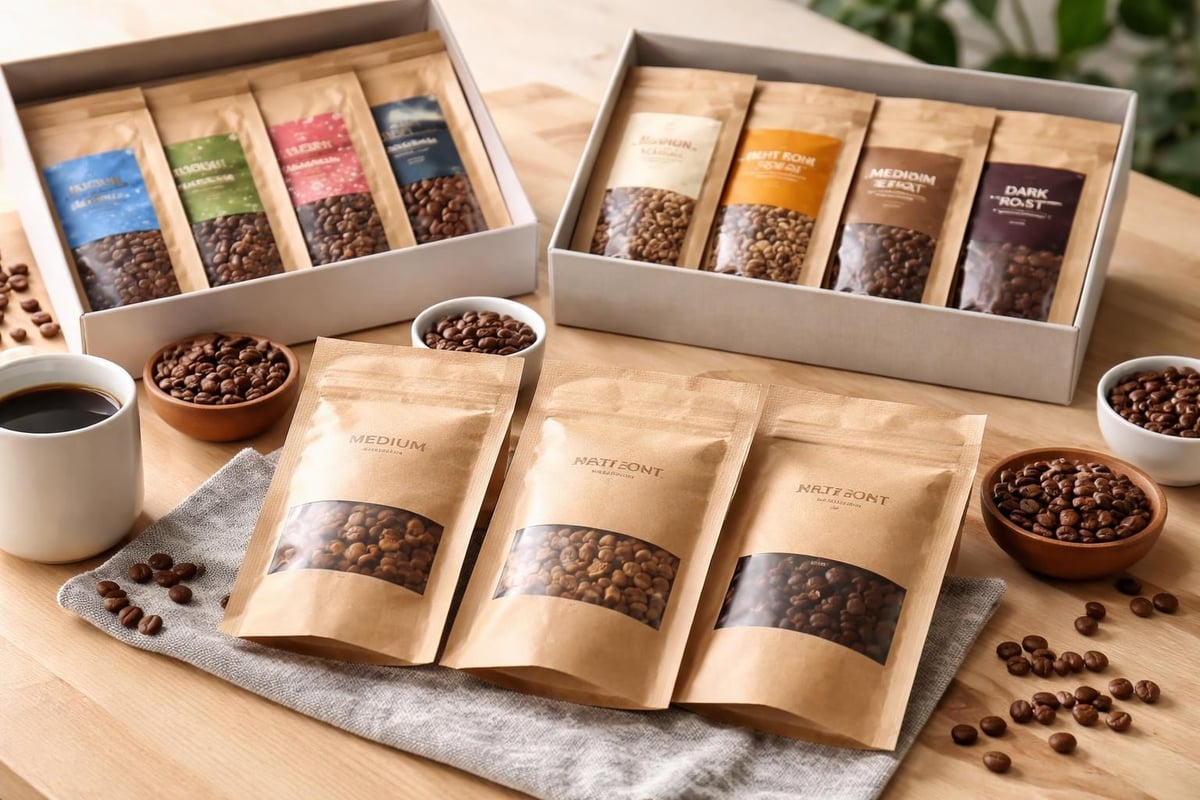
Some roasters offer whole bean samples while others provide pre-ground options. Whole bean samples preserve freshness longer and allow you to control grind size, though they require equipment investment. Pre-ground samples offer convenience but sacrifice some freshness and brewing flexibility.
Sample Pack Configurations
| Pack Type | Typical Contents | Best For |
|---|---|---|
| Origin Explorer | 4-6 different single origins | Discovering regional preferences |
| Roast Spectrum | Same origin at multiple roast levels | Understanding roast impact |
| Flavor Discovery | Curated selection of distinct profiles | Broadening taste experiences |
| Seasonal Selection | Current harvest offerings | Staying current with availability |
Sample packs provide structured exploration paths that introduce you to diverse coffee experiences. These curated collections often include tasting notes and brewing recommendations that enhance your evaluation process. Many specialty roasters design sample packs to tell stories about coffee-growing regions or processing innovations.
The Role of Freshness in Sample Evaluation
Freshness significantly impacts sample evaluation accuracy. Coffee beans samples should represent how the coffee performs at optimal freshness, typically within two to four weeks post-roast. This window allows degassing while maintaining peak flavor potential, giving you realistic expectations for regular purchases.
When ordering samples, verify roasting dates and shipping methods. Reputable specialty roasters often roast samples to order or maintain strict inventory rotation to ensure freshness. Stale samples misrepresent coffee quality and lead to inaccurate purchasing decisions.
Storage and Testing Timeline
Proper sample handling preserves coffee quality during your evaluation period:
- Immediate storage in airtight containers away from light and heat
- Testing within one week of receipt for most accurate assessment
- Multiple brewing sessions across several days to confirm impressions
- Consistent brewing parameters to isolate coffee characteristics from technique variables
- Note-taking to track observations and preferences systematically
Research on robusta coffee bean quality and taste attributes demonstrates how systematic evaluation reveals subtle quality differences. These same principles apply when assessing arabica samples, creating comprehensive understanding of coffee characteristics.
Building Your Personal Coffee Profile
Coffee beans samples enable you to develop a detailed understanding of your taste preferences. By sampling systematically across origins, processing methods, and roast levels, you create a personal flavor map that guides future purchases. This self-knowledge proves invaluable whether you're buying for home enjoyment or professional application.
Start by sampling broadly across major growing regions to identify general preferences. Do you prefer African coffees' bright acidity and fruit-forward profiles, or Latin American coffees' chocolate and nut characteristics? Perhaps Asian coffees' earthy, full-bodied nature appeals to your palate. These macro-level preferences narrow your exploration focus.
After identifying preferred regions, dive deeper into specific processing methods. Natural processed coffees often deliver intense fruit flavors and heavier body, while washed coffees typically showcase cleaner, more nuanced characteristics. Honey processed coffees fall somewhere between, offering sweetness complexity worth exploring through samples.
Specialty Coffee Sample Programs
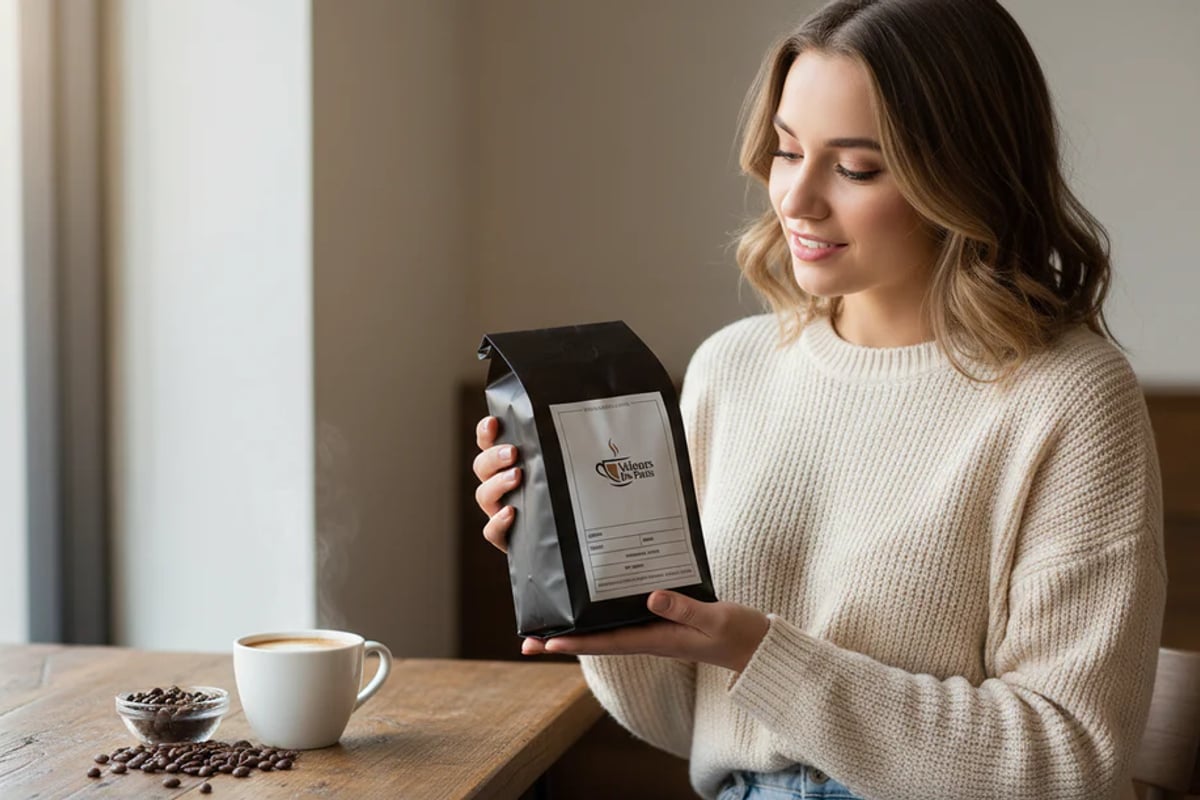
Many specialty roasters offer subscription programs that deliver coffee beans samples regularly, exposing you to seasonal offerings and limited releases. These programs remove decision paralysis while ensuring continuous exposure to high-quality coffees you might not otherwise discover. Subscription samples often include detailed information about origin, processing, and tasting notes that educate as they satisfy.
Velours de Paris Coffee understands the importance of exploration in finding your perfect cup. Their commitment to small-batch roasting and premium sourcing means each sample accurately represents the exceptional quality you'll receive in full-size purchases. New customers can explore their specialty coffee collection with confidence, and you can Save 10% use code: WELCOME10 on your first order to start your tasting journey with their carefully curated selections.
Sample Program Benefits
Professional sample programs provide advantages beyond simple taste testing:
- Access to limited-release coffees before public availability
- Educational materials about coffee origins and processing
- Curated selections matching stated flavor preferences
- Cost savings compared to purchasing individual samples
- Community connection with other coffee enthusiasts
These structured programs work particularly well for developing palate sophistication over time. Regular exposure to diverse, high-quality coffees trains your sensory perception to detect subtle differences that casual tasting might miss.
Commercial Applications of Coffee Sampling
Coffee shops, restaurants, and corporate offices benefit significantly from strategic sampling before bulk purchases. The financial stakes increase dramatically when buying commercial quantities, making thorough sample evaluation essential. A poor choice in a five-pound home purchase disappoints temporarily; the same mistake in a fifty-pound commercial order creates significant waste and expense.
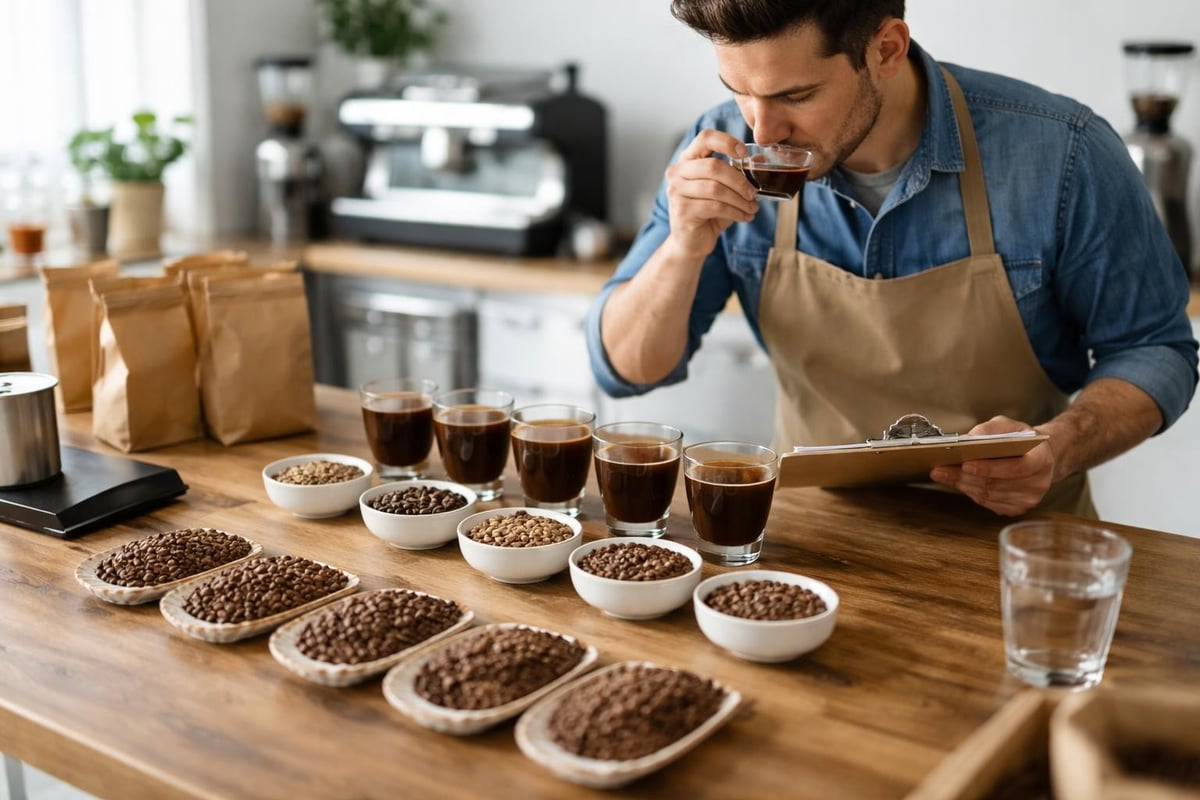
Commercial buyers should request samples that reflect actual production conditions. If you'll be purchasing five-bag lots, ensure samples come from the same harvest and processing batch. This verification prevents the common problem where samples represent higher quality than regular inventory.
Professional Sampling Protocol
| Step | Action | Purpose |
|---|---|---|
| 1 | Request samples from 3-5 potential suppliers | Compare competitive offerings |
| 2 | Blind taste test with staff members | Eliminate brand bias |
| 3 | Brew on actual service equipment | Test real-world performance |
| 4 | Evaluate consistency across multiple sample bags | Verify batch uniformity |
| 5 | Calculate cost per cup alongside quality ratings | Balance quality and profitability |
Professional establishments often conduct customer preference testing using samples before menu changes. Offering small tasting portions allows gathering feedback without full commitment, reducing risk when introducing new coffee offerings.
Sample-Based Coffee Education
Coffee beans samples serve as excellent educational tools for developing coffee knowledge and appreciation. Coffee classes, tasting events, and staff training programs all benefit from structured sample tasting that illustrates concepts discussed in theory. Experiencing the difference between natural and washed processing firsthand creates understanding that descriptions alone cannot achieve.
Home enthusiasts can create personal tasting flights using samples to host coffee parties or deepen their own knowledge. Comparing three to five coffees side-by-side highlights subtle differences in acidity, sweetness, and body that sequential tasting might obscure. This comparative approach accelerates learning and refines palate sensitivity.
Educational sampling works best with structured frameworks. Creating simple tasting scorecards helps track observations systematically across multiple coffees. Note categories might include aroma intensity, flavor descriptors, acidity level, body weight, and overall preference rating. These records become valuable references for future purchasing decisions.
Seasonal and Limited Release Sampling
Specialty coffee operates on harvest cycles that create seasonal availability for specific origins. Coffee beans samples allow you to experience limited releases and micro-lots that might sell out quickly in full-bag quantities. This access to rare coffees expands your understanding of coffee's incredible diversity and quality potential.
Seasonal samples often showcase peak-harvest coffees at their freshest, most expressive state. Ethiopian natural process coffees arriving in late spring, for example, display the vibrant fruit characteristics that make this origin famous. Sampling these seasonal offerings helps you understand how harvest timing impacts coffee quality and character.
Many specialty roasters feature rotating flavored coffee options alongside seasonal single origins. Sampling these innovations lets you discover unique profiles that might become new favorites without committing to flavors you're uncertain about.
Environmental and Ethical Considerations
Sample programs can support sustainable coffee sourcing when designed thoughtfully. Purchasing samples from roasters committed to direct trade relationships and environmental stewardship extends your values throughout the coffee supply chain. Many specialty roasters provide transparency about farm partnerships and sustainable practices, information worth considering during sample evaluation.
Smaller sample sizes reduce potential waste when exploration reveals coffees that don't match your preferences. This efficiency aligns with sustainability principles by minimizing the chance of discarding full bags of unsuitable coffee. The environmental impact of sampling remains significantly lower than trial-and-error purchasing of full quantities.
Some roasters offer sample programs that directly support coffee-farming communities through partnerships or profit-sharing arrangements. These ethical sourcing commitments add value beyond sensory quality, allowing your sample purchases to contribute positively to producer livelihoods.
Maximizing Sample Value
Strategic approaches to coffee beans samples yield better results than random selection. Begin by identifying your primary brewing method, as coffee characteristics interact differently with various preparation techniques. Samples that excel in pour-over might perform differently in espresso, while cold brew highlights different flavor attributes than hot brewing methods.
Consider exploring best-selling options first to understand what appeals to broader audiences before venturing into more experimental territory. These popular choices often represent crowd-pleasing profiles that balance quality and approachability.
Request samples of both lighter and darker roasts of the same origin to understand how roast development affects flavor expression. This comparison reveals your roast level preference while demonstrating coffee's versatility. Many coffee drinkers discover they prefer different roast levels for different brewing methods after systematic sample testing.
Coffee beans samples transform coffee exploration from guesswork into informed discovery, allowing you to develop sophisticated taste preferences while minimizing financial risk. The systematic evaluation of samples across origins, roast levels, and processing methods builds coffee knowledge that enhances every cup you brew. Whether you're beginning your specialty coffee journey or refining an already developed palate, sampling provides the foundation for confident purchasing decisions. Velours de Paris Coffee offers premium coffee beans sourced from the world's finest regions, all roasted in small batches to ensure exceptional flavor and freshness that makes every sample worth savoring.