

Coffee Bean Pods: The Ultimate Guide for 2026
The evolution of coffee consumption has brought remarkable convenience to millions of households worldwide, and coffee bean pods represent one of the most significant innovations in this transformation. These compact capsules combine the rich flavor profiles of premium coffee beans with the efficiency modern lifestyles demand. Understanding what coffee bean pods are, how they differ from traditional brewing methods, and which options align with your preferences can elevate your daily coffee experience while maintaining the quality you expect from specialty coffee.
Understanding Coffee Bean Pods and Their Components
Coffee bean pods are pre-portioned, sealed containers filled with ground coffee designed for specific brewing systems. Unlike traditional coffee beans that require measuring and grinding, these pods deliver consistent results with minimal effort. The encapsulation process locks in freshness immediately after roasting, preserving the volatile aromatics and oils that define exceptional coffee.
The Anatomy of Modern Coffee Pods
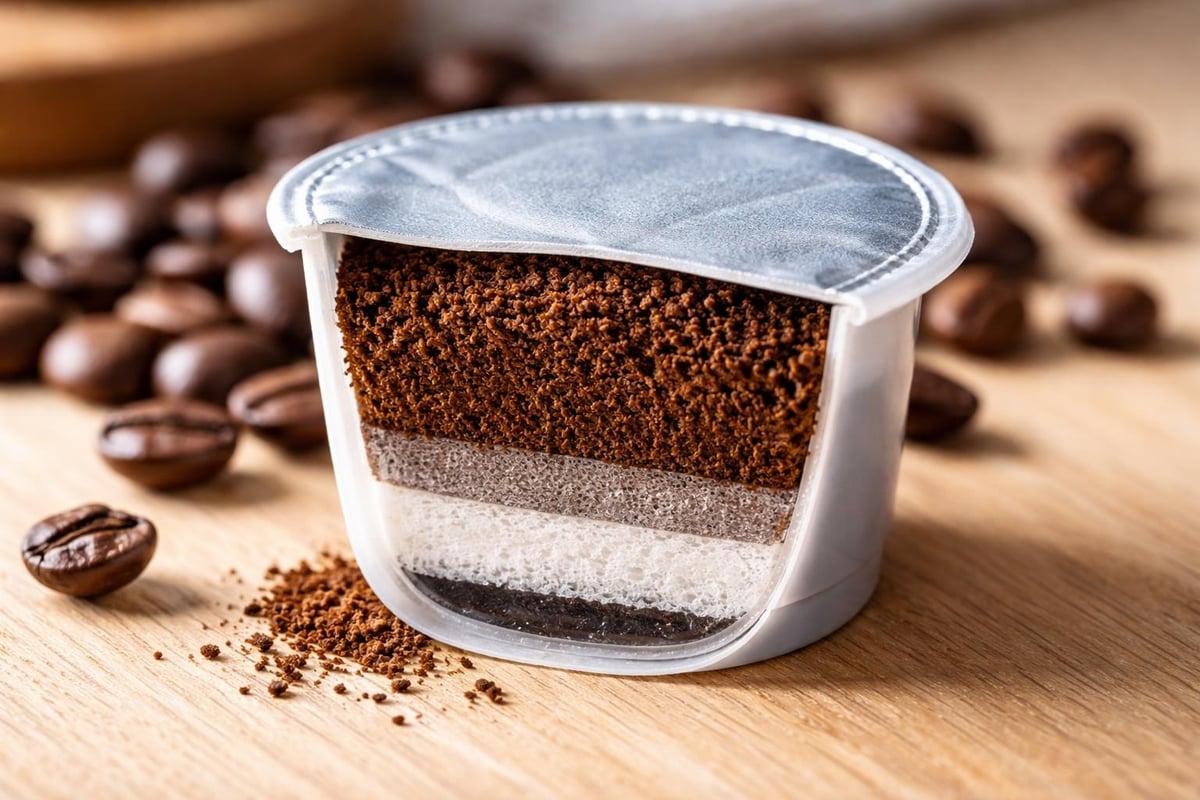
Each pod consists of several carefully engineered components working together. The outer casing, typically made from aluminum, plastic, or biodegradable materials, protects the coffee from oxygen, moisture, and light. Inside, finely calibrated ground coffee sits in precise portions, usually between 5 and 12 grams depending on the intended strength and brewing method.
Key structural elements include:
- Hermetically sealed outer shell
- Precisely ground coffee optimized for extraction time
- Filter layer that separates grounds from brewed coffee
- Air-tight seal maintaining freshness until use
- Compatible design for specific machine types
The grinding specification differs significantly from standard coffee preparations. Pod manufacturers calibrate the grind size to match the water pressure, temperature, and extraction time of compatible machines, ensuring optimal flavor extraction every time.
Types of Coffee Bean Pod Systems
The single-serve market has diversified considerably, with multiple competing standards each offering distinct advantages. Understanding these differences helps consumers make informed decisions about their coffee investments and daily brewing routines.
Proprietary Capsule Systems
Proprietary systems like Nespresso and Keurig K-Cup dominate the market, each with unique specifications and coffee selections. Nespresso capsules operate under high pressure (19 bars), creating espresso-style beverages with crema. The Easy Serving Espresso Pod standard, often abbreviated as E.S.E., offers a more universal approach to espresso pods, compatible with multiple machine brands.
K-Cup technology takes a different approach, designed for larger cup sizes ranging from 6 to 12 ounces. These pods contain more coffee and utilize lower pressure brewing, producing coffee closer to traditional drip methods. The variety available through specialty coffee pods has expanded dramatically, bringing craft roaster quality to convenient formats.
| Pod Type | Pressure | Typical Volume | Best For | Coffee Amount |
|---|---|---|---|---|
| Nespresso | 19 bars | 1.35 oz (espresso) | Espresso drinks | 5-6 grams |
| K-Cup | Lower | 6-12 oz | Regular coffee | 9-12 grams |
| E.S.E. | 15-20 bars | 1-2 oz | Espresso | 7 grams |
| Soft Pods | Variable | 6-8 oz | Drip-style | 8-10 grams |
Universal and Compatible Options
Third-party manufacturers have created compatible coffee bean pods that work with popular machines while offering different flavor profiles or price points. These alternatives provide consumers with broader choices beyond brand-specific offerings. Many specialty roasters now produce single-serve pods that maintain their signature roasting profiles while embracing convenient formats.
Quality Considerations in Coffee Bean Pods
The quality of coffee bean pods depends on multiple factors beyond simple convenience. Discerning coffee enthusiasts evaluate pods based on bean origin, roast date, grind consistency, and packaging integrity to ensure they receive the exceptional flavor they expect from specialty coffee.
Bean Selection and Roasting
Premium pod manufacturers start with high-quality green coffee beans sourced from renowned growing regions. The roasting process must be precisely controlled, as the coffee will be ground immediately after cooling and sealed within hours. This rapid processing from roaster to pod preserves maximum freshness, but only if executed properly.
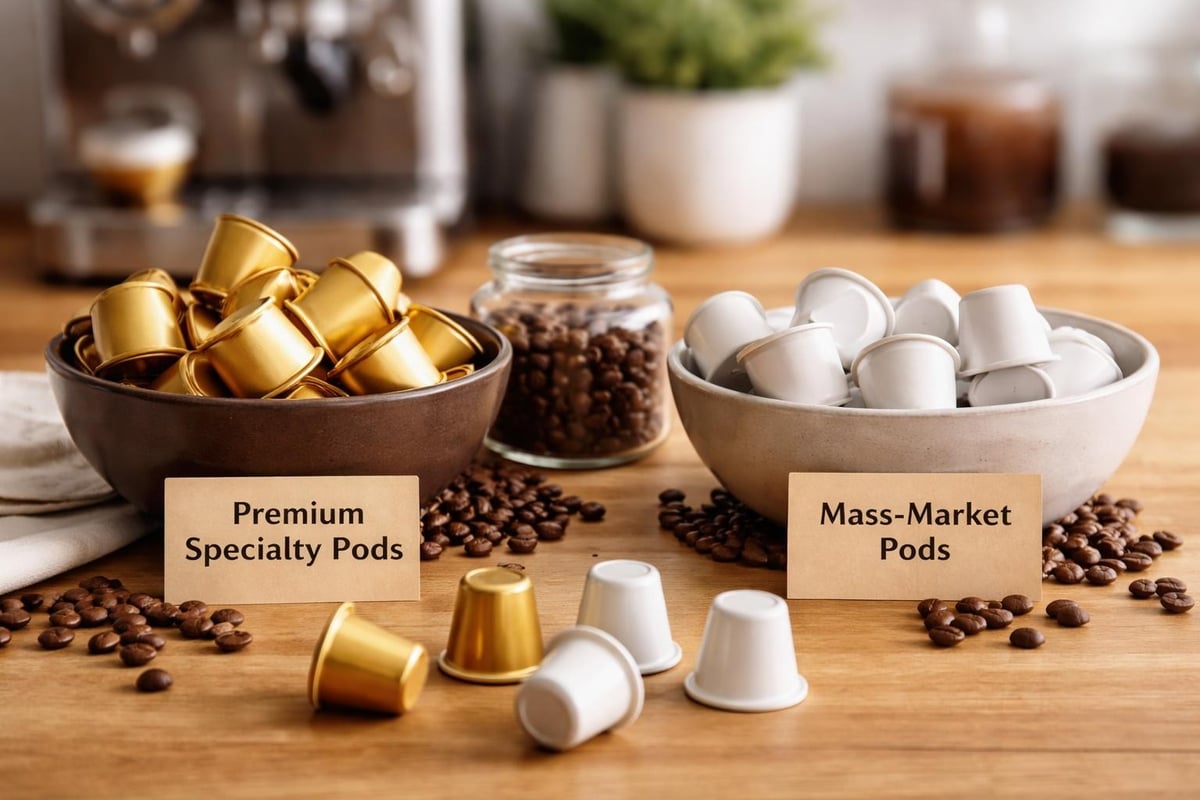
Small-batch roasting operations often produce superior coffee bean pods compared to mass-market alternatives. These artisanal approaches prioritize bean quality over volume, selecting specific varieties that showcase distinctive flavor characteristics. Whether you prefer the bright acidity of African Kahawa Blend or the smooth richness of Latin American Blend, pod format can preserve these nuanced profiles when properly executed.
Quality indicators to evaluate:
- Roast date clearly marked on packaging
- Origin information specifying bean source
- Sealed freshness packaging with nitrogen flush
- Grind consistency appropriate for pod type
- Transparent sourcing and quality certifications
Flavor Preservation Technology
The sealing technology used in coffee bean pods plays a crucial role in maintaining flavor integrity. Nitrogen flushing removes oxygen from the pod before sealing, preventing oxidation that degrades coffee quality. Aluminum capsules offer superior barrier properties compared to plastic alternatives, though environmental considerations may influence consumer preferences.
Recent innovations include compostable pods that maintain freshness while addressing sustainability concerns. Companies like Dripr have developed home-compostable options that don't compromise on flavor protection, representing a significant advancement in eco-conscious coffee pod technology.
Environmental Impact and Sustainable Alternatives
The convenience of coffee bean pods comes with environmental considerations that conscious consumers increasingly prioritize. Traditional plastic and aluminum pods create significant waste, with billions ending up in landfills annually. This reality has spurred innovation in sustainable pod development and reusable alternatives.
Compostable and Biodegradable Options
Manufacturers have responded to environmental concerns by developing pods from plant-based materials that break down naturally. These compostable coffee bean pods maintain the convenience factor while reducing environmental impact. However, consumers must understand the difference between industrially compostable and home-compostable options, as many require specific facilities to decompose properly.
Material science advances have enabled truly biodegradable pods that maintain freshness standards while offering guilt-free disposal. These innovations demonstrate that convenience and environmental responsibility need not be mutually exclusive in modern coffee consumption.
Reusable Pod Systems
For those who want complete control over their coffee while maintaining pod machine convenience, refillable coffee capsules offer an compelling solution. These reusable pods allow users to fill capsules with their preferred coffee, whether that's a specialty French Vanilla or a bold Italian Roast.
The reusable approach provides several advantages:
- Complete control over coffee selection and freshness
- Significant cost savings over time
- Dramatic reduction in waste generation
- Ability to experiment with different roasts and origins
- Maintains machine convenience without environmental guilt
Selecting Coffee Bean Pods for Your Preferences
Choosing the right coffee bean pods requires understanding your taste preferences, brewing habits, and quality expectations. The market offers overwhelming variety, from light breakfast blends to dark espresso roasts, flavored options to single-origin selections.
Matching Pods to Taste Profiles
Your ideal coffee bean pods should align with your flavor preferences and consumption patterns. Morning drinkers often prefer lighter, brighter coffees with higher acidity, while afternoon coffee enthusiasts might gravitate toward smoother, more balanced profiles. Those seeking specialty flavors can explore options like Cinnamon Hazelnut or seasonal selections.
| Flavor Profile | Roast Level | Origin Characteristics | Ideal Time |
|---|---|---|---|
| Bright & Fruity | Light-Medium | African, Central American | Morning |
| Balanced & Smooth | Medium | Colombian, Brazilian | Anytime |
| Bold & Rich | Medium-Dark | Indonesian, Sumatran | Afternoon |
| Intense & Strong | Dark | Italian, French roast | After dinner |
Exploring Flavor Innovation
The coffee pod market has embraced flavor innovation, moving beyond traditional profiles to include creative combinations. Festive coffee pod flavors demonstrate how manufacturers push boundaries while maintaining quality standards. Seasonal offerings provide variety without requiring separate coffee bean purchases or flavor syrup additions.
Even decaf coffee options have evolved significantly, with improved processing methods that preserve flavor while removing caffeine. This expansion means coffee bean pods can satisfy diverse preferences throughout the day.
Economic Analysis of Pod Coffee Consumption
Understanding the true cost of coffee bean pods requires analysis beyond per-pod pricing. While individual pods cost more than equivalent amounts of whole bean coffee, the equation becomes more complex when factoring in convenience, waste reduction, and consumption patterns.
Cost Breakdown and Comparison
Premium coffee bean pods typically range from $0.50 to $1.50 per serving, depending on quality and brand. Specialty roaster pods often command higher prices but deliver superior flavor and ethical sourcing. For new customers exploring premium options, promotional codes like WELCOME10 can reduce initial investment when trying single-serve coffee capsules.
Financial considerations include:
- Per-cup cost versus whole bean equivalent
- Elimination of wasted coffee from over-brewing
- Equipment investment and maintenance costs
- Storage space and shelf-life advantages
- Time savings valued at your hourly rate
Value Optimization Strategies
Savvy consumers can optimize their coffee bean pod expenses through strategic purchasing. Bulk buying reduces per-pod costs significantly, while subscription services often include discounts and free shipping. Comparing specialty roaster offerings against mass-market brands reveals that quality pods provide better value when measured by flavor satisfaction rather than pure cost.
Brewing Excellence with Coffee Bean Pods
Achieving optimal results from coffee bean pods requires understanding your machine's capabilities and following best practices. Even the highest-quality pods underperform when brewed incorrectly, while proper technique extracts maximum flavor from every capsule.
Machine Maintenance and Water Quality
Regular machine maintenance ensures consistent brewing performance. Descaling removes mineral buildup that affects water flow and temperature, both critical for proper extraction. Most manufacturers recommend descaling every three months, though frequency depends on water hardness and usage volume.
Water quality dramatically impacts final cup quality, even with pre-ground coffee bean pods. Filtered water removes chlorine and excessive minerals that interfere with flavor extraction. Temperature stability matters too, as variations affect extraction efficiency and taste consistency.
Extraction Timing and Cup Selection
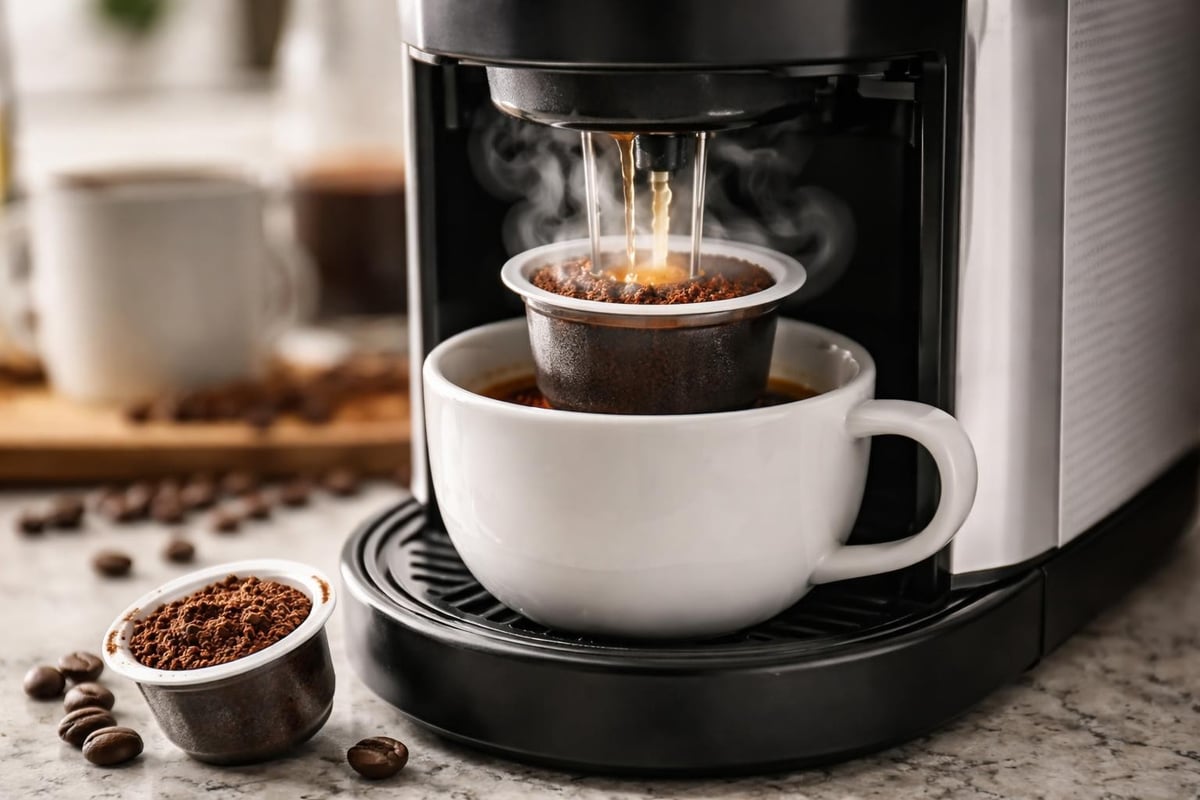
Different coffee bean pods require specific extraction times to achieve optimal flavor balance. Espresso pods extract quickly under high pressure, typically completing in 25-30 seconds. Longer extraction times can introduce bitterness, while shorter periods produce weak, sour coffee. Standard pods designed for larger volumes require proportionally longer extraction.
Cup preheating maintains beverage temperature and enhances aromatics perception. This simple step, often overlooked, significantly improves the sensory experience of pod coffee. Small details like these separate mediocre pod coffee from exceptional cups that rival traditional brewing methods.
Innovation and Future Trends
The coffee bean pod industry continues evolving, with technological advances addressing current limitations while expanding possibilities. Smart machine integration, improved sustainability solutions, and enhanced customization options represent the frontier of pod coffee innovation.
Technology Integration
Connected coffee machines now communicate with smartphones, allowing users to customize brewing parameters, schedule morning coffee, and reorder pods automatically. These smart systems learn user preferences over time, adjusting variables to deliver consistently excellent results. Voice assistant integration makes brewing even more convenient, requiring only a verbal command.
Precision brewing technology in newer machines allows users to adjust water temperature, pre-infusion time, and extraction pressure even when using standard coffee bean pods. This customization previously required manual espresso machines and significant expertise, now accessible through intuitive digital interfaces.
Specialty Coffee Democratization
Coffee bean pods have democratized access to specialty coffee, making small-batch roaster quality available to consumers without espresso expertise or significant equipment investment. This trend continues accelerating as more craft roasters like Velours de Paris Coffee embrace pod formats, recognizing that convenience and quality need not be mutually exclusive.
The barrier between specialty coffee culture and mainstream consumption continues dissolving. Consumers can now explore exotic blends and single-origin selections through pod formats that preserve the careful roasting and sourcing that define specialty coffee excellence.
Health and Wellness Considerations
Beyond convenience and flavor, coffee bean pods intersect with health and wellness trends reshaping beverage consumption. Understanding the nutritional aspects, caffeine content, and emerging functional coffee options helps consumers make informed choices aligned with their wellness goals.
Caffeine Content and Decaf Options
Standard coffee bean pods contain 60-150 milligrams of caffeine depending on coffee variety, roast level, and serving size. Darker roasts, contrary to popular belief, contain slightly less caffeine than lighter roasts due to longer roasting times that break down caffeine molecules. Consumers monitoring caffeine intake can select pods based on these specifications, choosing lighter or darker roasts accordingly.
Decaffeinated pod options have improved dramatically, with Swiss Water Process and CO2 extraction methods preserving flavor while removing caffeine. These advancement mean evening coffee enjoyment without sleep disruption concerns.
Functional Coffee Innovations
The wellness movement has inspired functional coffee bean pods incorporating adaptogens, mushrooms, and other beneficial ingredients. These enhanced formulations target specific benefits like focus enhancement, stress reduction, or immune support. While research continues on efficacy, consumer interest in functional beverages drives ongoing innovation in the pod coffee sector.
Coffee bean pods represent a sophisticated balance between convenience and quality, offering specialty coffee experiences without compromising busy lifestyles. Understanding pod types, quality indicators, sustainability options, and brewing best practices empowers you to select options that match your preferences and values. Whether you're exploring premium blends or seeking the perfect morning ritual, coffee bean pods deliver consistent excellence in every cup. Discover how Velours de Paris Coffee brings small-batch roasting expertise to convenient formats, ensuring you never sacrifice quality for convenience.