

Coffee Bean Coffee Cup: The Perfect Pairing Guide
The relationship between coffee beans and the cups that hold them represents more than simple practicality. Every detail from bean origin to cup material influences your sensory experience, transforming a routine beverage into a moment of refined pleasure. Understanding how to pair premium coffee beans with the right coffee cup creates an elevated drinking experience that honors the craftsmanship behind both elements. Whether you're exploring single origin varieties or carefully crafted blends, the vessel you choose matters as much as what fills it.
The Science Behind Coffee Bean Coffee Cup Interaction
Temperature retention forms the foundation of how your coffee bean coffee cup pairing affects flavor perception. Ceramic cups maintain heat longer than glass, allowing complex flavor compounds to develop gradually as you sip. Porcelain offers similar benefits while providing a smoother surface that doesn't interfere with delicate tasting notes found in specialty beans.
The shape of your cup determines how aromatic compounds reach your nose. Wide-brimmed cups expose more surface area, releasing volatile aromatics quickly but also cooling your coffee faster. Narrow openings concentrate aromas, intensifying the sensory experience with each sip.
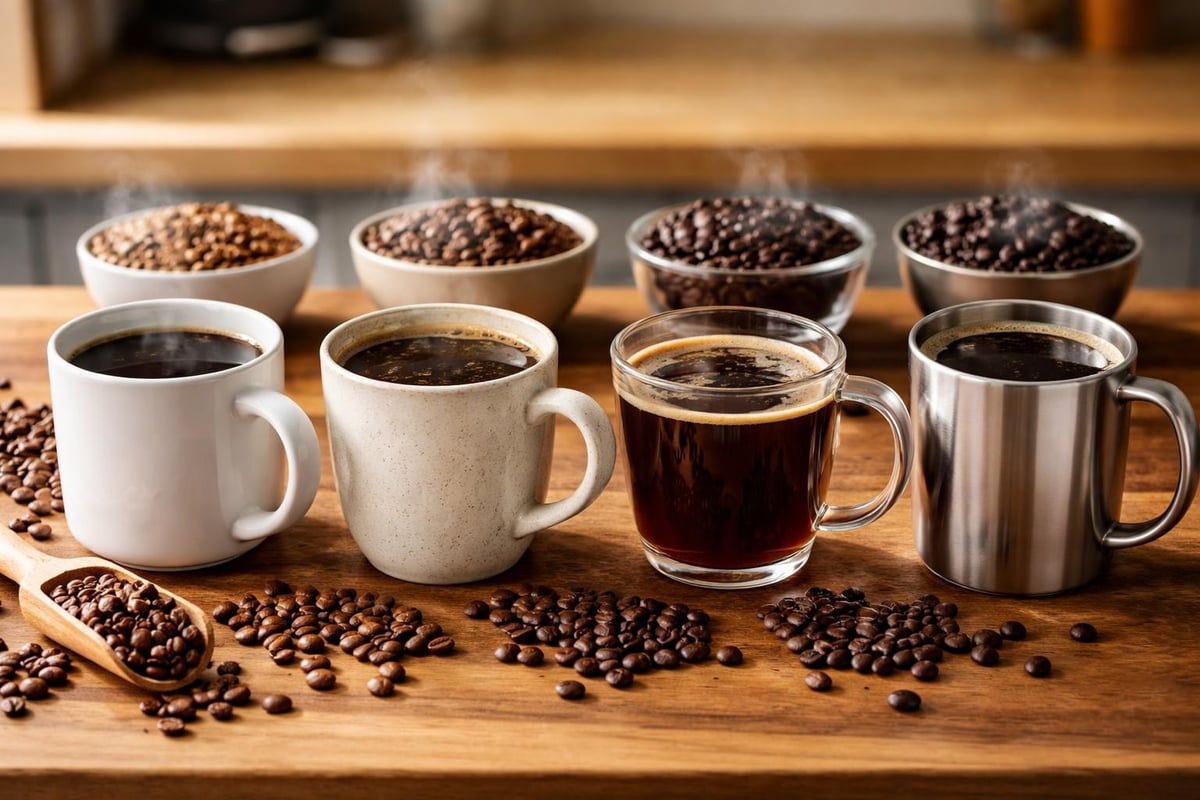
Material Impact on Flavor Profile
Different cup materials interact uniquely with coffee chemistry:
- Ceramic: Neutral flavor, excellent heat retention, ideal for medium to dark roasts
- Porcelain: Non-porous surface preserves subtle notes in light roasts
- Glass: Visual appeal allows color assessment, moderate heat retention
- Stainless steel: Superior heat retention, best for travel or prolonged drinking
- Clay: Porous material may absorb oils, developing unique character over time
The coffee bean itself contains hundreds of volatile compounds that react differently based on temperature and exposure to air. Your cup choice controls these variables, either enhancing or diminishing the roaster's intended flavor profile.
Matching Cup Size to Bean Characteristics
Single origin beans demand careful consideration when selecting cup size. A four-ounce cup suits concentrated espresso from Ethiopian Yirgacheffe beans, allowing you to appreciate floral and citrus notes before cooling alters the profile. Twelve-ounce cups work better for Brazilian beans with chocolatey, nutty characteristics that remain pleasant at cooler temperatures.
The National Coffee Association's comprehensive guide reveals how processing methods affect flavor concentration. Washed beans produce cleaner, brighter flavors that shine in smaller portions. Natural processed beans develop fruit-forward complexity that unfolds beautifully in larger servings.
Optimal Cup Volumes by Brewing Method
| Brewing Method | Ideal Cup Size | Bean Roast Level | Reasoning |
|---|---|---|---|
| Espresso | 2-3 oz | Medium to Dark | Concentrates intensity |
| Pour Over | 8-12 oz | Light to Medium | Showcases clarity |
| French Press | 12-16 oz | Medium to Dark | Handles body well |
| Cold Brew | 12-20 oz | Medium | Manages dilution |
Blend compositions require different approaches than single origins. A coffee blend designed for balance performs well across various cup sizes, while single origins may lose character outside their optimal serving volume.
Cup Design Elements That Enhance Bean Quality
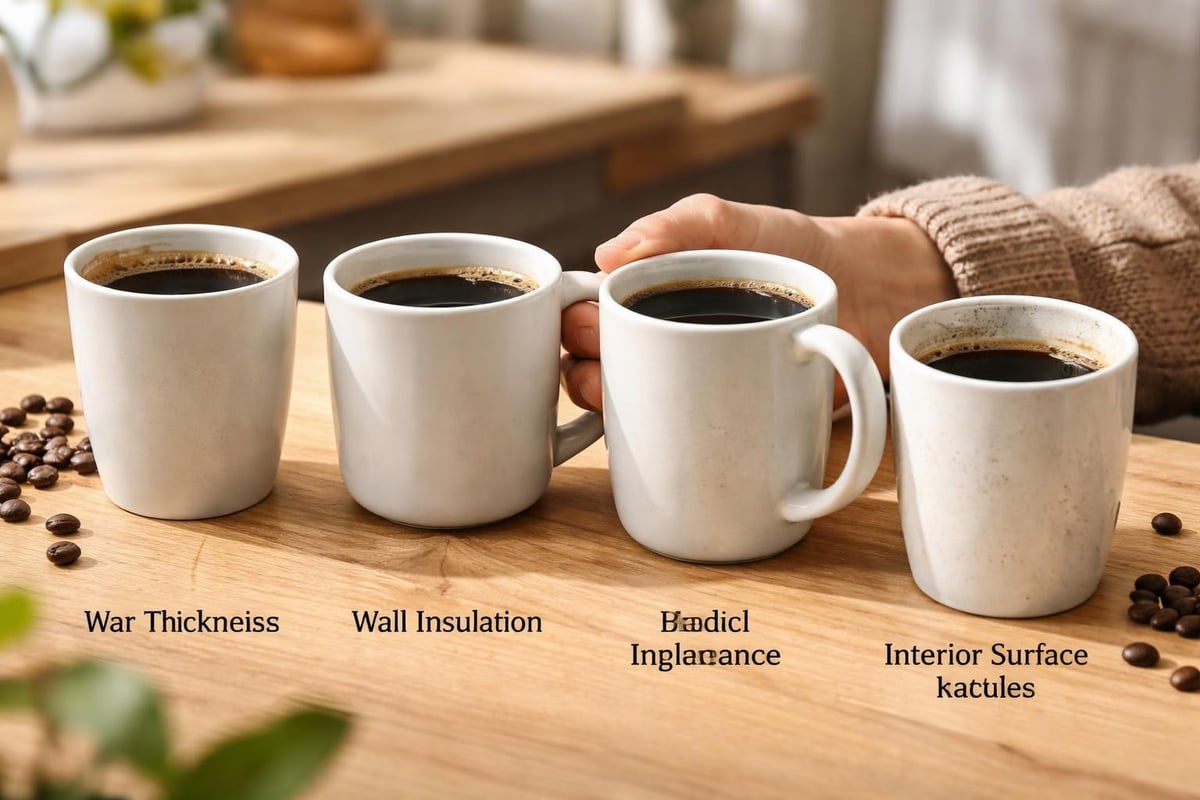
Wall thickness directly impacts your coffee bean coffee cup experience. Thick walls insulate better, maintaining optimal drinking temperature longer. Thin walls transfer heat faster, allowing you to assess temperature precisely but sacrificing retention time.
Handle design affects comfort and control, particularly when evaluating specialty beans. A well-proportioned handle lets you hold the cup without hand heat transferring through the walls, preventing premature warming of cold brew or cooling of hot coffee.
The interior surface texture matters more than most coffee drinkers realize. Smooth glazes prevent coffee oils from adhering, ensuring each cup tastes like your beans rather than yesterday's brew. Rough or porous interiors absorb compounds that can turn rancid, introducing off-flavors.
Rim Thickness and Lip Feel
The rim where coffee meets your lips influences perception dramatically:
- Thin rims deliver coffee directly to the tongue center, emphasizing sweetness and acidity
- Rolled rims spread liquid across more taste receptors, creating fuller body perception
- Flared rims direct aromatics toward the nose simultaneously with the first sip
- Straight rims provide neutral delivery, letting bean character speak without enhancement
Professional cuppers use standardized vessels to ensure consistency, but home enthusiasts can experiment with different rim profiles to discover how they interact with their favorite beans from specialty coffee collections.
Color Psychology and Coffee Perception
White cups remain the professional standard because they don't influence color perception. When evaluating bean quality, you need to assess crema color in espresso or brew clarity in pour-over without visual interference. Dark-colored cups can make coffee appear richer but hide potential defects.
Research shows that cup color affects perceived taste intensity. Coffee consumed from white cups tastes more bitter than identical coffee in clear or blue vessels. This psychological effect interacts with actual flavor compounds in your carefully selected beans.
The visual contrast between your coffee and cup creates expectations before the first sip. A light roast appearing golden-brown against white porcelain signals brightness and acidity. The same coffee in a dark mug might mislead your brain to expect heavier body.
Temperature Management Through Cup Selection
Preheating your coffee cup prevents thermal shock that strips delicate aromatics from high-quality beans. Pour hot water into your cup, let it sit for thirty seconds, then discard before adding fresh coffee. This simple step maintains optimal temperature 3-5 degrees longer.
Double-walled construction creates an insulating air gap that dramatically extends heat retention. These designs work exceptionally well for flavored coffee varieties where maintaining temperature helps volatile flavor compounds remain active throughout your drinking experience.
If you're exploring new beans and want to save while discovering your preferences, you can Save 10% use code: WELCOME10 on your first order. This allows you to experiment with various beans and cup pairings without significant investment.
Temperature Retention Comparison
| Cup Type | Initial Temp | After 5 Min | After 10 Min | After 15 Min |
|---|---|---|---|---|
| Thin Ceramic | 185°F | 160°F | 142°F | 128°F |
| Thick Ceramic | 185°F | 168°F | 154°F | 142°F |
| Double-Wall Glass | 185°F | 172°F | 162°F | 152°F |
| Stainless Steel | 185°F | 175°F | 168°F | 160°F |
The ideal drinking temperature ranges from 120°F to 140°F, where flavor compounds activate fully without burning your palate. Your coffee bean coffee cup combination should deliver coffee into this window and maintain it throughout consumption.
Cultural Traditions Influencing Cup Choice
Italian espresso culture employs small, thick-walled ceramic cups that concentrate heat and intensity. This tradition developed alongside dark roasted beans designed for powerful, quick consumption. The cup shape became inseparable from the coffee experience itself.
Japanese coffee culture embraces delicate porcelain with thin walls, reflecting the precision of light roast single origins popular in Tokyo cafes. These cups cool coffee faster, encouraging mindful, attentive drinking rather than casual consumption.
Scandinavian countries favor larger mugs for their lighter roasts, recognizing that these beans develop complexity as they cool. The coffee bean coffee cup relationship here prioritizes extended enjoyment over immediate intensity.
Practical Considerations for Daily Use
Dishwasher safety matters when building a cup collection for premium beans. High temperatures and harsh detergents degrade certain materials, affecting how they interact with coffee oils. Hand washing preserves cup integrity and prevents flavor contamination.
Storage also impacts cup performance. Stacking cups risks chipping rims, which disrupts smooth liquid flow and creates rough spots where coffee residue accumulates. Open shelving exposes cups to dust that can introduce off-flavors, particularly problematic for porous materials.
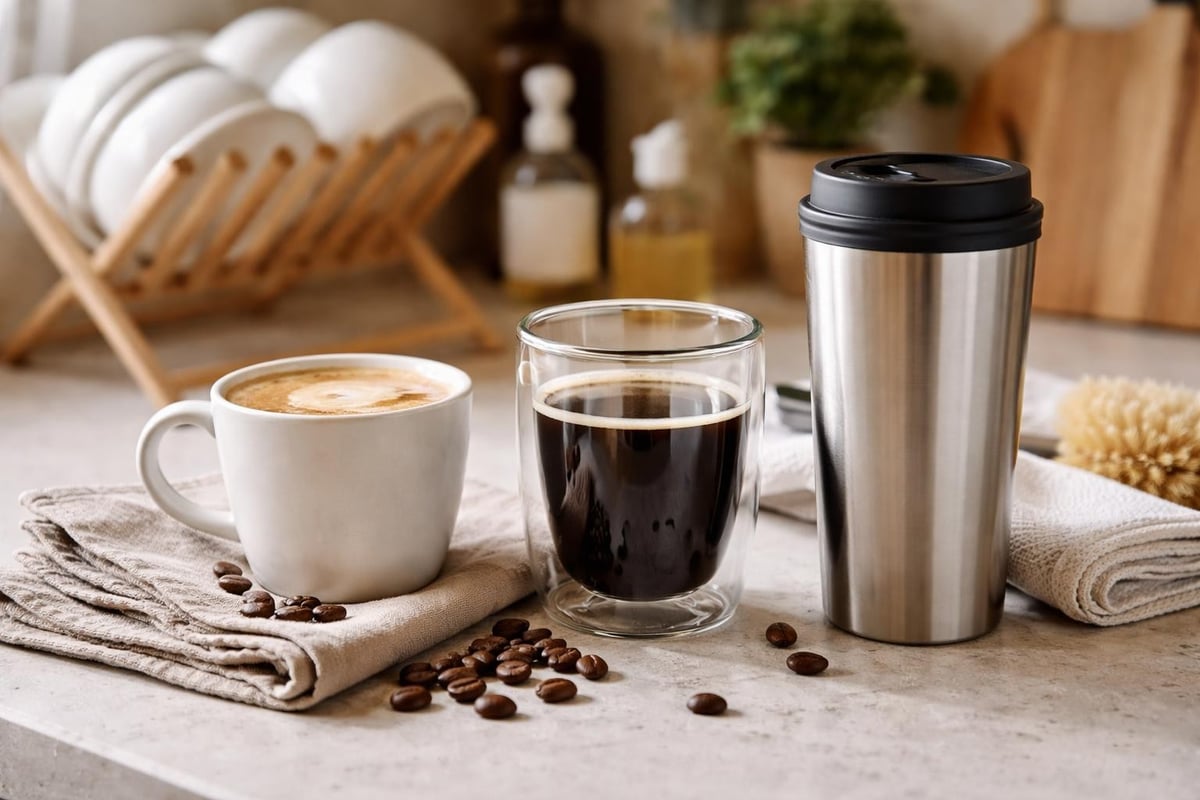
The number of cups you need depends on your drinking habits and household size. Dedicated cups for different bean types prevent flavor transfer and let you optimize each pairing. A minimum collection includes:
- Two espresso cups for concentrated single origins
- Two standard mugs for daily blend consumption
- Two specialty cups for tasting new beans
- Two thermal cups for extended drinking sessions
Evaluating Bean Quality Through Proper Cupping
Professional coffee evaluation requires standardized equipment, but home cupping benefits from understanding the principles. Use identical cups when comparing beans to eliminate variables. White ceramic bowls around six ounces work well for this purpose.
The cupping process reveals how different beans perform under controlled conditions. Grind samples identically, use the same water temperature, and time each steep precisely. Your coffee bean coffee cup setup for evaluation differs from daily drinking because assessment requires consistency over enjoyment.
Breaking the crust releases aromatic compounds trapped under grounds floating on the surface. The coffee cup you choose for this moment should have a wide mouth allowing your nose close to the liquid surface as you inhale deeply.
Home Cupping Protocol
- Measure 8.25 grams of coffee per 5 ounces of water
- Grind to medium-coarse consistency within 15 minutes of cupping
- Pour 200°F water directly onto grounds in your cup
- Wait four minutes without disturbing the crust
- Break the crust with a spoon, inhaling deeply as gases release
- Skim remaining grounds from the surface
- Slurp coffee from a spoon to aspirate it across your palate
- Evaluate at multiple temperatures as the cup cools
This methodical approach helps you understand how beans from different regions or processing methods express themselves, informing your daily coffee bean coffee cup choices.
Seasonal Considerations for Bean and Cup Pairing
Summer heat demands different strategies than winter cold. Iced coffee benefits from cups that don't sweat, keeping your hands dry and table clean. Glass or stainless steel with external insulation prevents condensation while maintaining beverage temperature.
Hot weather also changes your palate preferences. Bright, acidic beans served in smaller portions feel more refreshing than heavy, full-bodied roasts. Choose cups that cool coffee slightly faster, bringing it into the preferred drinking range quickly.
Winter encourages larger servings of warming, rich blends. Thick ceramic mugs that retain heat for fifteen minutes or longer let you savor coffee blends designed for comfort and depth. The prolonged drinking time allows complex flavors to evolve as temperature gradually decreases.
The Economics of Cup Investment
Premium cups cost more initially but deliver value through durability and enhanced enjoyment. A well-made porcelain cup lasts decades with proper care, averaging pennies per use. Cheap cups chip easily, stain permanently, and fail to showcase your beans properly.
Consider cost per enhanced experience rather than simple purchase price. If a superior cup makes each morning brew 10% more enjoyable, that compounds over hundreds or thousands of uses. The investment pays dividends in daily satisfaction.
Building your collection gradually allows you to test different styles without overwhelming initial expense. Start with one excellent cup for your primary bean preference, then expand as you discover what enhances your coffee experience most effectively.
Sustainable Cup Choices for Conscious Coffee Drinkers
Environmental impact extends beyond bean sourcing to cup selection. Durable, reusable cups prevent waste from disposable alternatives while often providing superior coffee experiences. A single quality ceramic cup replaces thousands of paper or plastic cups over its lifetime.
Local artisan pottery supports small businesses while offering unique pieces that enhance your coffee ritual. These handcrafted cups often feature superior thermal properties and develop character through use, creating a personal connection to your daily coffee bean coffee cup experience.
Materials matter for sustainability. Ceramic and porcelain production requires energy-intensive firing, but longevity offsets initial environmental costs. Recycled glass or sustainably harvested bamboo fiber cups offer lower-impact alternatives, though they may compromise some performance characteristics.
Advanced Pairing Strategies for Coffee Enthusiasts
Matching bean processing method to cup characteristics creates sophisticated pairings. Natural processed beans with fruit-forward profiles shine in cups with flared rims that direct aromatics toward your nose. Washed beans with clean, bright acidity benefit from straight-sided cups that deliver coffee neutrally.
Roast development influences ideal cup selection. Light roasts require cups that slow cooling, giving delicate flavors time to emerge. Dark roasts perform well in cups that cool slightly faster, preventing bitter compounds from becoming overwhelming as temperature drops.
Origin characteristics suggest specific cup choices. Ethiopian beans with floral, tea-like qualities deserve delicate porcelain that doesn't overpower subtle notes. Colombian beans with balanced profiles adapt to various cup styles, making them ideal for experimenting with different vessels.
Troubleshooting Common Pairing Issues
If your coffee tastes flat despite using quality beans, your cup may be too large. Oversized servings dilute flavor perception and cool before you finish drinking. Downsizing to a smaller cup often reveals the complexity you're missing.
Bitter aftertaste can result from porous cups absorbing and oxidizing coffee oils. Strip your cups by soaking in a solution of equal parts white vinegar and water for thirty minutes, then scrubbing thoroughly. This removes built-up residue affecting flavor.
Inconsistent temperature throughout drinking suggests inadequate preheating or thin cup walls. Switch to thicker ceramic or double-walled construction, and always preheat to stabilize thermal performance.
The connection between premium coffee beans and the cups that showcase them transforms daily coffee from routine to ritual. By understanding how materials, shapes, and sizes interact with different bean characteristics, you create drinking experiences that honor the craftsmanship behind every element. Whether you're exploring light roasts that demand precise temperature control or rich blends that evolve as they cool, the right coffee bean coffee cup pairing elevates each sip. Discover how Velours de Paris Coffee brings this philosophy to life through small-batch roasted beans sourced from the world's finest regions, each crafted to deliver exceptional flavor that deserves an equally exceptional cup.