

Coffee and Pods: Quality, Convenience, and Impact
The revolution in home coffee brewing has dramatically transformed how millions of people start their mornings. Single-serve systems have made espresso-quality beverages accessible to anyone with a machine and the right pods, but this convenience raises important questions about flavor integrity, environmental responsibility, and overall value. Understanding the full landscape of coffee and pods helps consumers make informed decisions that align with their priorities for taste, sustainability, and cost.
The Evolution of Pod-Based Coffee Systems
The journey from traditional brewing methods to modern pod systems represents a significant shift in coffee consumption patterns. Single-serve technology emerged in the late 1990s and quickly gained traction among consumers seeking convenience without sacrificing quality. These systems promised consistent results with minimal effort, eliminating variables like grind size, water temperature, and brewing time that often plagued home baristas.
Market Growth and Consumer Adoption
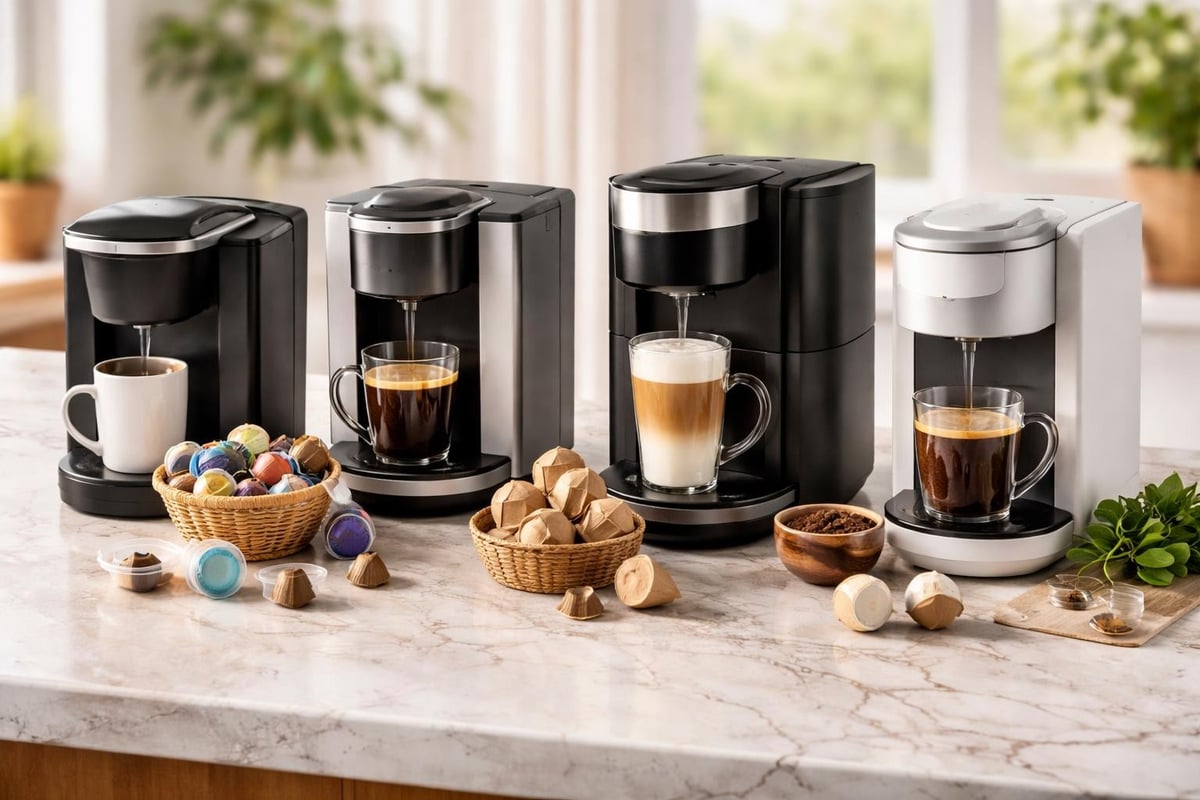
The pod coffee market has experienced remarkable expansion over the past two decades. By 2026, single-serve systems have become standard equipment in both residential kitchens and professional offices worldwide. This growth reflects changing lifestyles where time efficiency matters as much as beverage quality.
Several factors have driven this widespread adoption:
- Consistency: Each pod delivers predictable results without requiring brewing expertise
- Variety: Users can switch between different coffee types without cleaning equipment
- Speed: Most systems produce a cup in under two minutes
- Portion control: Pre-measured pods eliminate waste from brewing too much coffee
- Space efficiency: Compact machines suit small kitchens and office environments
Market research indicates that convenience remains the primary motivator, but quality expectations have risen significantly. Modern consumers want their coffee and pods to deliver café-level experiences at home.
Quality Considerations for Coffee Enthusiasts
The debate surrounding flavor quality in pod systems versus traditional brewing methods continues among coffee professionals and enthusiasts. While early pod offerings often contained inferior beans and suffered from staleness issues, the landscape has changed considerably. Premium roasters now recognize that coffee and pods can coexist with specialty-grade standards.
Freshness and Flavor Preservation
Pod technology has evolved to address one of coffee's greatest enemies: oxidation. Modern capsule designs incorporate several protective features that extend shelf life while maintaining flavor integrity. Hermetically sealed aluminum or specialized plastic barriers prevent oxygen, light, and moisture from degrading the coffee inside.
The grinding and sealing process matters tremendously. Coffee begins losing volatile aromatic compounds immediately after grinding, which is why freshness counts so heavily in specialty coffee. Quality pod manufacturers grind beans and seal them within hours, creating a micro-environment that preserves essential oils and flavors far longer than traditional packaging methods.
| Quality Factor | Traditional Brewing | Pod Systems |
|---|---|---|
| Grind Freshness | Degrades after opening bag | Sealed until brewing |
| User Control | Complete customization | Limited adjustability |
| Bean Selection | Unlimited options | Restricted to available pods |
| Flavor Consistency | Variable based on technique | Highly consistent |
| Peak Freshness Window | 2-4 weeks after roasting | 6-12 months sealed |
However, limitations exist. The pre-ground nature of pods means flavor profiles cannot be adjusted through grind size modifications. Extraction parameters remain fixed by the pod design, restricting the ability to compensate for different bean characteristics or personal preferences.
Specialty Coffee in Pod Format
The specialty coffee industry initially resisted pod systems, viewing them as incompatible with artisanal quality standards. This perspective has shifted as roasters discovered ways to deliver exceptional beans through single-serve formats. Small-batch roasters now offer pods featuring single-origin coffees and carefully crafted blends that meet rigorous quality benchmarks.
For businesses like Velours de Paris Coffee that prioritize premium sourcing and small-batch roasting, the challenge lies in maintaining their quality standards while accommodating consumer demand for convenience. Some specialty roasters have found success by offering both traditional whole bean options and carefully designed pod alternatives, allowing customers to choose based on their immediate needs without compromising on bean quality.
Environmental Impact and Sustainability Concerns
The environmental footprint of coffee and pods has generated considerable controversy and spurred significant innovation in recent years. Early single-serve systems created substantial waste streams, with billions of non-recyclable capsules ending up in landfills annually. This environmental cost prompted both consumer backlash and industry response.
Understanding the Carbon Footprint
Recent research has challenged some assumptions about pod sustainability. Studies comparing greenhouse gas emissions across brewing methods revealed surprising findings. Because pods contain precise coffee amounts and use exact water quantities, they can actually produce fewer emissions per cup than traditional methods where excess coffee and water often go to waste.
The complete lifecycle assessment considers multiple factors:
- Agricultural production: Growing, harvesting, and processing coffee beans
- Manufacturing: Creating pods, packaging, and machines
- Transportation: Shipping products from origin to consumer
- Usage: Energy and water consumed during brewing
- Disposal: Landfill impact, recycling potential, or composting
When consumers brew full pots but drink only one or two cups, wasting the remainder, traditional methods lose their environmental advantage. The environmental impact assessment must account for actual consumption patterns rather than theoretical efficiency.
Innovation in Sustainable Pod Design
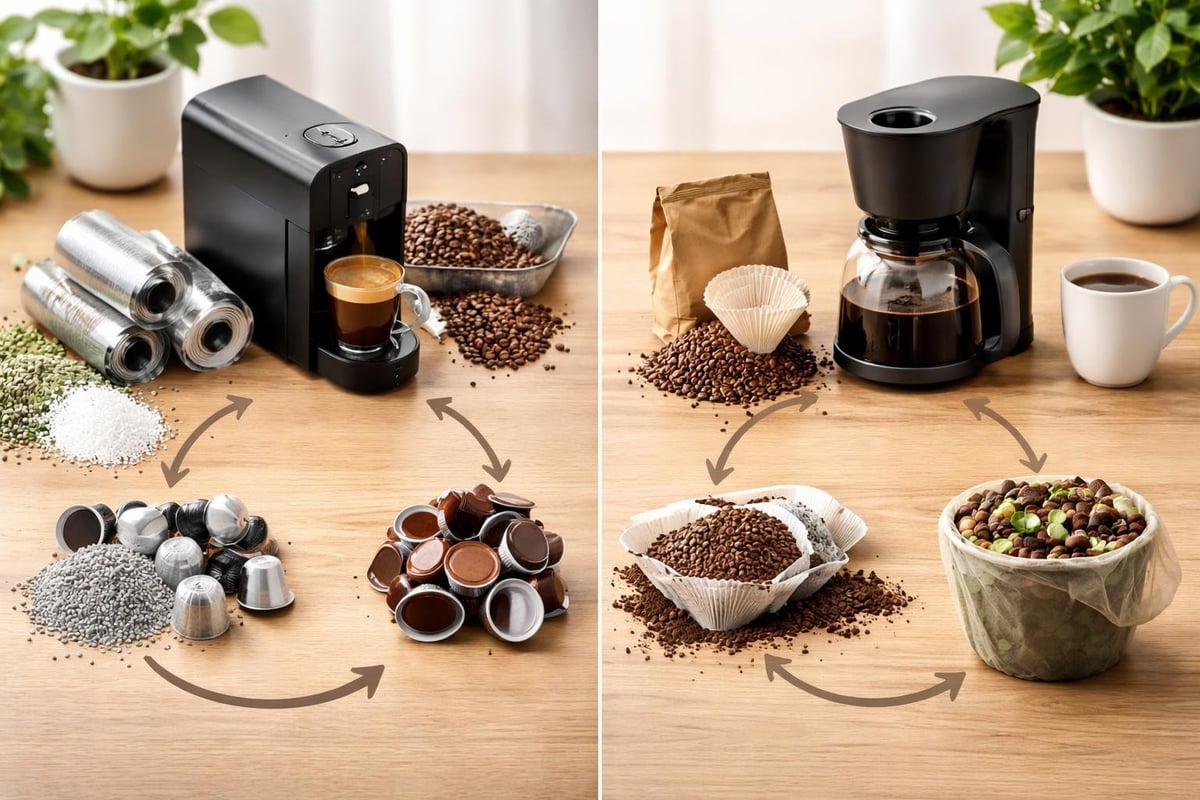
The industry has responded to environmental concerns with remarkable innovation. Recyclable aluminum pods, compostable materials, and even reusable capsule systems now provide alternatives to original plastic designs. Several major manufacturers have committed to making all their pods recyclable or compostable by specific target dates.
Current sustainable options include:
- Aluminum capsules that can be recycled through standard programs
- Plant-based compostable pods that break down in industrial facilities
- Biodegradable filters combined with recyclable outer shells
- Reusable stainless steel pods that consumers fill with their own coffee
- Return programs where manufacturers collect and recycle used pods
The environmental conversation continues evolving as new materials and systems emerge. Consumers increasingly prioritize brands that demonstrate genuine commitment to reducing waste and supporting circular economy principles.
Health and Safety Perspectives
Beyond environmental considerations, health questions surrounding coffee and pods deserve attention. Concerns range from plastic exposure to freshness-related quality issues, with varying levels of scientific support and practical relevance.
Microplastics and Chemical Exposure
The use of plastic components in some pod systems has raised questions about potential chemical migration into hot beverages. When water at near-boiling temperatures contacts plastic materials, the possibility exists for compounds to leach into the coffee. Research examining single-use plastic pods has investigated whether microplastics appear in brewed beverages.
Most reputable manufacturers use food-grade plastics specifically designed for high-temperature contact. These materials undergo testing to ensure they meet safety standards for hot beverage preparation. However, consumers seeking to minimize plastic exposure can choose aluminum capsules or systems that use primarily metal and paper components.
Coffee Freshness and Nutritional Value
The health implications of pod coffee extend beyond packaging materials to the coffee itself. Properly sealed pods preserve beneficial compounds like antioxidants and chlorogenic acids that contribute to coffee's health properties. These compounds degrade with oxygen exposure, making sealed pods potentially superior to stale pre-ground coffee from opened bags.
Key health considerations include:
- Antioxidant preservation: Sealed environments maintain polyphenol content longer
- Mycotoxin concerns: Quality control in pod production can reduce contamination risks
- Caffeine consistency: Standardized portions provide predictable caffeine intake
- Additive transparency: Premium pods typically contain only coffee without fillers
The quality of the coffee beans themselves matters far more than the delivery format for health outcomes. Specialty-grade beans roasted properly and sealed fresh offer superior nutritional profiles regardless of whether they're in pods or bags.
Cost Analysis and Value Proposition
Financial considerations play a significant role in choosing between traditional brewing and pod systems. The per-cup cost of coffee and pods typically exceeds that of conventionally brewed coffee, but the calculation becomes more nuanced when factoring in waste, convenience value, and actual consumption patterns.
Breaking Down the Economics
A straightforward price comparison shows pods costing significantly more per ounce than whole bean or ground coffee. However, this comparison ignores several variables that affect real-world value:
| Cost Factor | Traditional Method | Pod System |
|---|---|---|
| Initial Equipment | $20-$300 | $80-$400 |
| Coffee per Cup | $0.15-$0.50 | $0.40-$1.20 |
| Wasted Coffee | Often significant | Minimal |
| Time Investment | 5-10 minutes | 1-2 minutes |
| Cleanup Required | Moderate | Minimal |
When households brew full pots but consume only portions, waste can negate the apparent cost advantage of traditional methods. A pod system that eliminates waste while providing convenience may deliver better value despite higher nominal costs.
Premium Pods and Specialty Coffee
The market now includes premium pod options featuring specialty-grade beans that command higher prices but deliver exceptional quality. For consumers who would otherwise visit cafés regularly, these premium pods represent substantial savings while maintaining quality standards.
Velours de Paris Coffee understands that discerning customers seek both convenience and uncompromising quality. That's why when they do offer pod options, they apply the same rigorous sourcing and roasting standards that define their whole bean products, ensuring that convenience never comes at the expense of flavor excellence. For those exploring premium coffee options, save 10% with code WELCOME10 on your first order, whether you prefer traditional beans or convenient alternatives.
Choosing the Right System for Your Needs
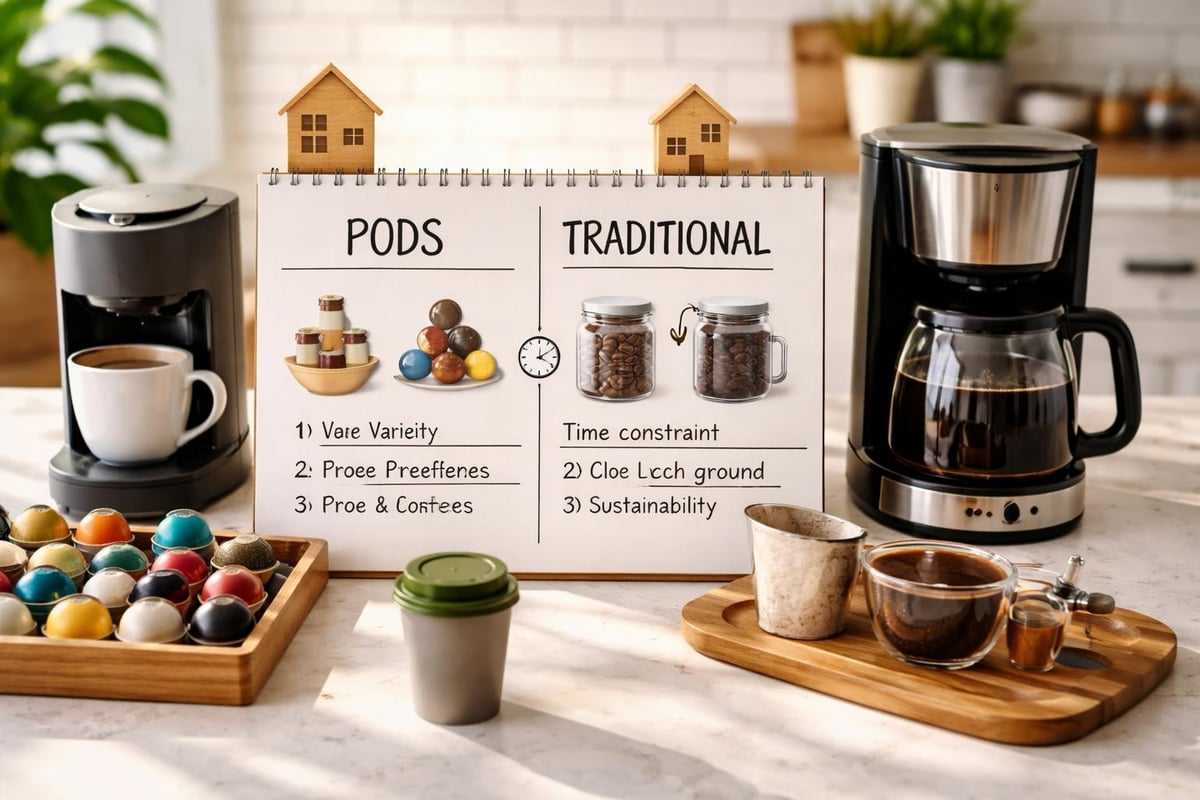
Selecting between traditional brewing methods and pod systems requires evaluating personal priorities, consumption patterns, and quality expectations. Neither approach is universally superior; the best choice depends on individual circumstances and values.
Matching Systems to Lifestyles
Different household situations favor different brewing approaches. Single-person households or those where individuals drink different coffee types often find pod systems ideal. Families with uniform preferences who consume multiple cups simultaneously may benefit more from traditional brewing.
Consider pod systems when:
- Household members have different coffee preferences
- Morning routines demand maximum efficiency
- Kitchen space is limited
- Consistency matters more than customization
- Exploring variety appeals more than committing to larger quantities
Traditional brewing works better when:
- Multiple people drink the same coffee simultaneously
- You enjoy the ritual of coffee preparation
- Cost per cup is a primary concern
- Maximum control over brewing parameters is desired
- Environmental impact is the highest priority
Quality Indicators for Pod Selection
When choosing coffee and pods, several factors indicate superior quality. The beans' origin and roast date matter just as much in pod format as in traditional packaging. Look for brands that prominently display sourcing information and roasting dates rather than generic "best by" dates that reveal nothing about actual freshness.
Premium pods typically feature:
- Transparency: Clear information about bean origin and roast profiles
- Freshness dating: Roast dates rather than just expiration dates
- Sustainable materials: Recyclable or compostable construction
- Specialty-grade beans: Beans meeting Specialty Coffee Association standards
- Small-batch production: Roasting in limited quantities for quality control
The specialty coffee industry increasingly recognizes that convenience and quality can coexist when roasters apply the same standards to pod production that they maintain for traditional offerings.
The Future of Coffee and Pods
Innovation continues reshaping the pod coffee landscape. Emerging technologies promise improvements in sustainability, flavor delivery, and user experience. Smart brewing systems that adjust parameters based on specific pod identifications represent one frontier. Completely biodegradable pods that maintain hermetic seals using plant-based materials offer another promising direction.
Technological Advancements
Next-generation systems may incorporate features currently found only in high-end espresso machines. Pressure profiling, temperature stepping, and pre-infusion capabilities could become standard in pod brewers, allowing more sophisticated extraction from sealed capsules. These advances would narrow the quality gap between pod systems and professional equipment.
The integration of subscription models and personalization algorithms helps consumers discover new coffees while ensuring they never run out of their favorites. This convenience factor particularly appeals to busy professionals who value both variety and reliability.
Industry Collaboration and Standards
As the pod market matures, industry collaboration on recycling infrastructure and material standards becomes crucial. Universal recycling programs that accept all pod types regardless of manufacturer would dramatically improve sustainability outcomes. Similarly, standardized compostability certifications help consumers make informed environmental choices.
The specialty coffee sector's growing involvement in pod production elevates quality expectations across the market. When premium roasters enter the pod space, they bring expertise in sourcing, roasting, and quality control that benefits all consumers.
The world of coffee and pods offers more complexity and nuance than simple convenience versus quality debates suggest. Modern pod systems can deliver exceptional coffee while addressing environmental concerns through innovative materials and design. For those seeking the perfect balance of premium quality, freshness, and flexibility, Velours de Paris Coffee provides expertly sourced and carefully roasted beans that honor both traditional craftsmanship and modern convenience. Whether you choose whole beans for weekend rituals or seek premium options for weekday efficiency, exceptional coffee starts with exceptional sourcing and roasting.