

Cafe Specialty: Elevating Coffee Culture in 2026
The modern coffee landscape has transformed dramatically over the past decade, with cafe specialty offerings becoming the gold standard for discerning consumers. What was once considered a niche market has evolved into a mainstream movement, reshaping expectations around quality, sourcing, and flavor complexity. Understanding what defines cafe specialty coffee and how to deliver exceptional experiences requires knowledge of everything from bean selection to brewing methodology. This comprehensive guide explores the essential elements that distinguish specialty coffee and provides actionable insights for creating memorable coffee experiences.
Understanding the Cafe Specialty Movement
The cafe specialty sector represents far more than just premium pricing or trendy branding. At its core, this movement emphasizes traceability, quality scoring, and an unwavering commitment to excellence at every stage of production. According to the National Coffee Association, specialty coffee must score 80 points or higher on a 100-point scale evaluated by certified tasters, ensuring only the finest beans earn this designation.
Quality Standards and Certification
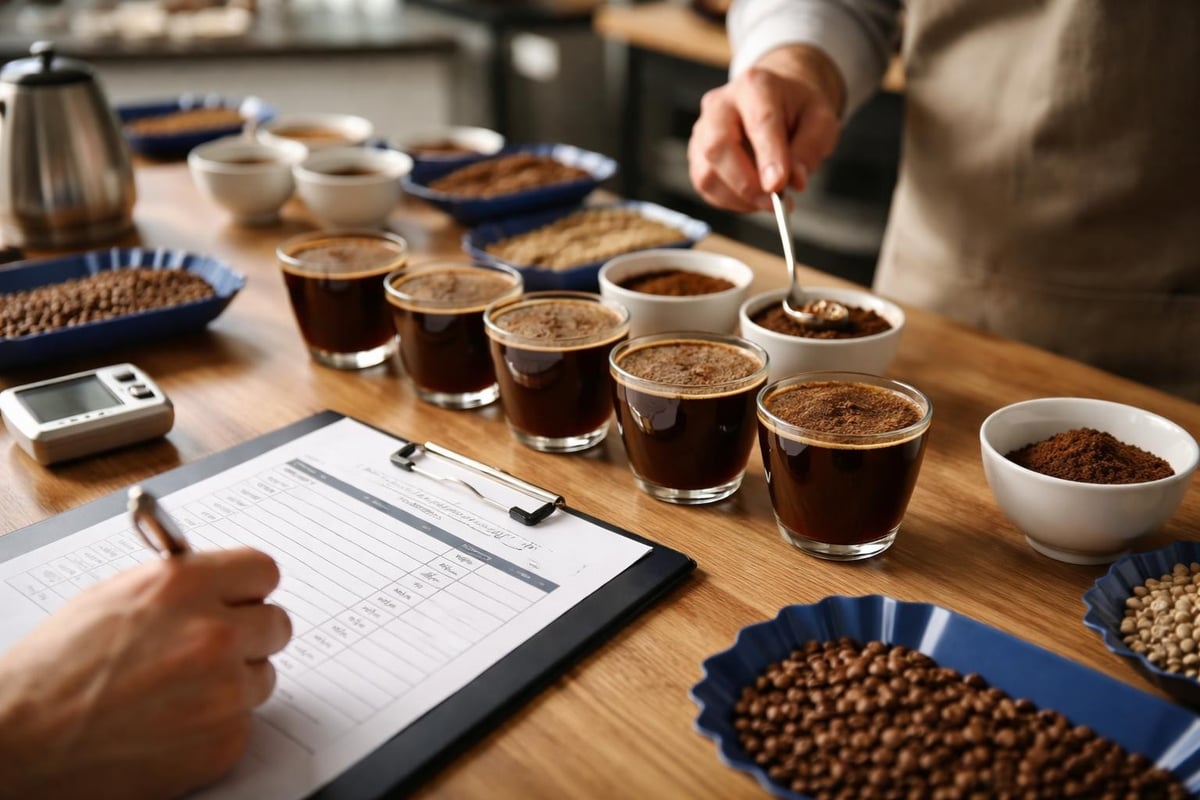
The Specialty Coffee Association has established rigorous criteria that govern what qualifies as specialty grade. These standards examine defect counts, bean size, moisture content, and cupping scores to ensure consistency and quality.
Key quality metrics include:
- Zero primary defects and fewer than five secondary defects per 350-gram sample
- Moisture content between 9-13 percent for optimal preservation
- Cupping scores of 80 or above across multiple sensory evaluations
- Proper documentation of origin, processing method, and varietal
The recent data from the National Coffee Association shows that 45% of American adults consumed specialty coffee in the past day, marking a 13-year high and demonstrating the growing consumer appreciation for quality.
Sourcing Excellence for Cafe Specialty Programs
The foundation of any successful cafe specialty program begins long before beans reach the roaster. Strategic sourcing relationships with producers create transparency and ensure consistent quality while supporting sustainable farming practices.
Direct Trade Relationships
Building direct connections with coffee farmers eliminates intermediaries and creates mutually beneficial partnerships. This approach allows cafes and roasters to pay premium prices directly to producers while gaining detailed information about cultivation practices, processing methods, and harvest timing.
| Sourcing Model | Price Premium | Quality Control | Relationship Depth |
|---|---|---|---|
| Direct Trade | 25-50% above market | Very High | Personal, ongoing |
| Fair Trade Certified | 10-20% minimum | Moderate | Certified standards |
| Traditional Import | Market rate | Variable | Transactional |
| Estate Partnerships | 30-60% premium | Highest | Exclusive, long-term |
Regional Characteristics
Different growing regions impart distinct flavor profiles that become signature elements of cafe specialty offerings. Ethiopian coffees often showcase floral and citrus notes, while Colombian beans typically present balanced sweetness with mild acidity. Understanding these regional characteristics helps create diverse menus that appeal to varied palates.
The specialty coffee market is projected to reach $81.8 billion by 2030, driven by consumers who seek these distinctive regional flavors and transparent sourcing practices.
Roasting Techniques That Define Quality
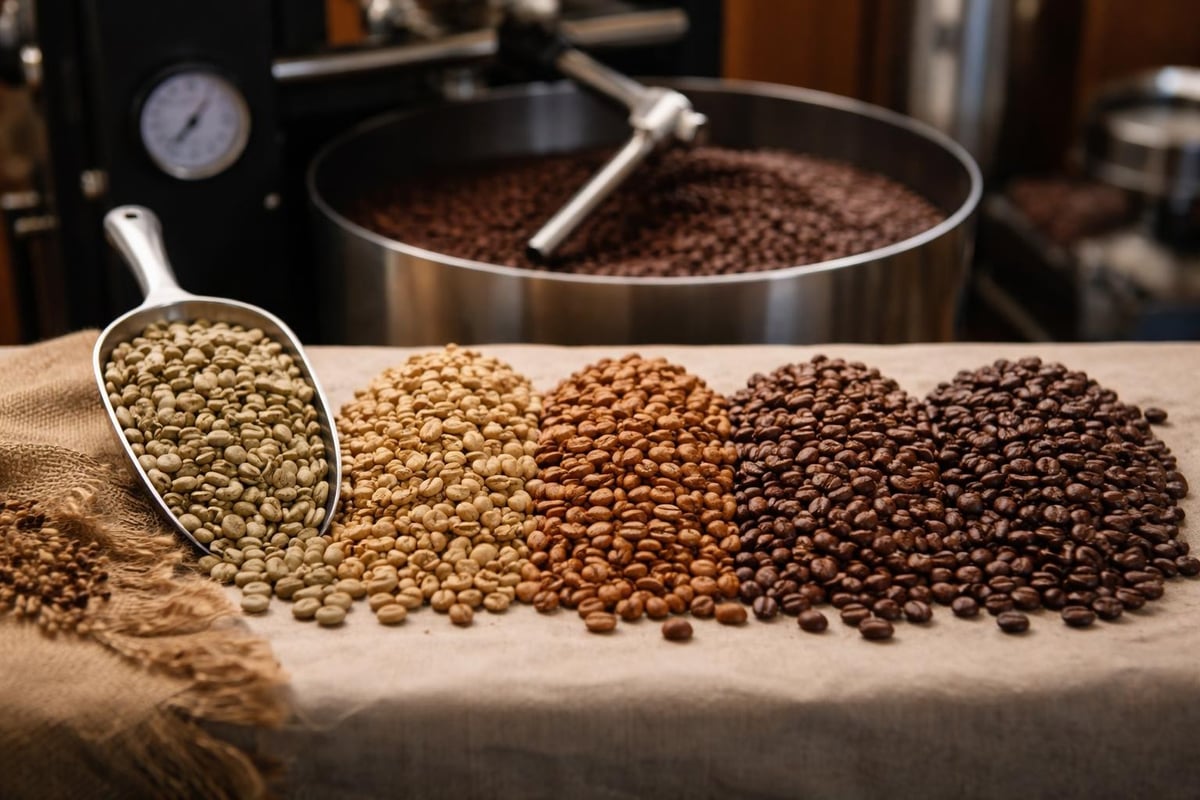
Roasting transforms green coffee beans into the aromatic product that customers experience, making it arguably the most critical step in developing cafe specialty character. Small-batch roasting allows precise control over temperature curves and development times, ensuring each origin's unique attributes shine through.
Profile Development
Creating optimal roast profiles requires understanding how different beans respond to heat application. Dense, high-altitude beans typically require longer roasting times to develop properly, while lower-density beans may scorch if subjected to the same parameters.
Essential roasting considerations:
- First crack timing and temperature control
- Development time ratio (typically 20-25% of total roast)
- Rate of rise adjustments throughout the roast
- End temperature selection based on intended brew method
- Cooling speed to halt Maillard reactions at the optimal moment
Small-batch roasting, as practiced by quality-focused roasters, enables experimentation and refinement that large-scale commercial roasting cannot match. This attention to detail creates the complexity and clarity that define exceptional specialty coffee.
Brewing Methods for Optimal Extraction
Even the finest cafe specialty beans will disappoint if brewing parameters fall short. Understanding extraction principles and how different methods highlight specific flavor characteristics empowers baristas to showcase each coffee's potential.
Pour-Over Precision
Manual brewing methods like pour-over offer unprecedented control over extraction variables. Water temperature, pour rate, grind size, and brew time all interact to determine which soluble compounds enter the final cup. Lighter roasts typically benefit from higher temperatures (200-205°F) to extract delicate flavors, while darker roasts perform well at slightly lower temperatures (195-200°F).
Espresso Extraction
Espresso represents the most technically demanding brewing method, requiring precise control of multiple variables simultaneously. The industry standard extraction time of 25-30 seconds for a double shot provides a starting point, but exceptional results require adjustment based on each coffee's unique characteristics.
| Brew Method | Grind Size | Water Temp | Brew Time | Best For |
|---|---|---|---|---|
| Pour-Over | Medium-Fine | 200-205°F | 3-4 min | Clarity, complexity |
| French Press | Coarse | 200°F | 4 min | Body, richness |
| Espresso | Fine | 200-203°F | 25-30 sec | Intensity, texture |
| Cold Brew | Extra Coarse | Room temp | 12-24 hrs | Smoothness, low acidity |
Customers seeking convenience without sacrificing quality appreciate coffee pods and capsules that preserve freshness while simplifying the brewing process.
Creating Memorable Cafe Specialty Experiences
Beyond technical excellence, successful cafe specialty programs create emotional connections through storytelling, education, and sensory engagement. Customers increasingly want to understand the narrative behind their coffee, from the farmer who grew it to the roaster who developed its profile.
Menu Design Strategies
Thoughtful menu architecture guides customers through options without overwhelming them. Organizing offerings by flavor profile, origin, or processing method helps customers make informed choices aligned with their preferences.
Effective menu elements include:
- Origin stories highlighting farmer partnerships and regional characteristics
- Tasting notes using accessible language rather than overly technical descriptors
- Processing method explanations (washed, natural, honey) and their flavor impacts
- Roast level indicators with clear descriptions of what to expect
- Seasonal rotations that showcase limited availability offerings
When customers discover favorites, offering sample packs allows them to explore variety while finding new preferences. For those seeking convenience, there's an opportunity to save with promotional codes when purchasing their chosen coffee selections.
Staff Training and Knowledge
Baristas serve as ambassadors for cafe specialty culture, translating technical expertise into engaging customer interactions. Comprehensive training programs should cover origin knowledge, processing methods, roasting techniques, and brewing science while emphasizing customer service skills.
Regular cupping sessions help staff develop palate recognition and vocabulary for describing flavors accurately. This knowledge transforms routine transactions into educational experiences that build customer loyalty and appreciation.
Flavor Profiles and Customer Preferences
Understanding how different customer segments approach cafe specialty selections enables more personalized recommendations and improved satisfaction. Some customers prioritize origin authenticity, while others seek specific flavor experiences regardless of provenance.
The Flavor Spectrum
Specialty coffee encompasses an enormous range of sensory experiences, from bright and tea-like Ethiopian varieties to chocolatey, nutty Brazilian coffees. Helping customers navigate this spectrum requires both systematic approaches and intuitive guidance.
Common flavor preferences:
- Fruit-forward and floral (typically lighter roasts, African origins)
- Chocolate and nutty (medium roasts, Central American coffees)
- Caramel and sweet (medium-dark roasts, balanced blends)
- Bold and earthy (darker roasts, Indonesian varieties)
The growing interest in flavored coffee demonstrates that cafe specialty need not exclude creative flavor additions when executed with quality base beans and natural ingredients.
Single Origins Versus Blends
The debate between single origin purity and artful blending represents one of cafe specialty culture's ongoing conversations. Both approaches offer distinct advantages depending on context and customer preferences.
Single Origin Advantages
Single origin offerings showcase the unique terroir and processing of specific farms or regions. These coffees appeal to customers interested in traceability and exploring how geography influences flavor. The transparency of single origin coffee creates storytelling opportunities that engage curious consumers.
Single origin benefits:
- Complete transparency regarding source and production methods
- Distinctive flavor profiles that reflect specific microclimates
- Educational value for customers exploring coffee diversity
- Direct support for individual farming communities
- Seasonal availability that creates anticipation and variety
Strategic Blending
Well-crafted coffee blends combine complementary origins to achieve flavor complexity and consistency. Master blenders select components that balance each other's characteristics, creating harmonious profiles that remain stable across harvest cycles.
| Aspect | Single Origin | Blends |
|---|---|---|
| Flavor Consistency | Varies seasonally | Highly consistent |
| Complexity | Origin-specific | Layered, balanced |
| Storytelling | Strong, specific | Creative, intentional |
| Price Point | Variable | More stable |
| Customer Appeal | Exploratory drinkers | Consistency seekers |
Sustainability and Ethical Considerations
Modern cafe specialty culture recognizes that quality and ethics are inseparable. Customers increasingly evaluate coffee choices through environmental and social responsibility lenses, expecting transparency about farming practices and fair compensation.
Environmental Stewardship
Specialty coffee production often aligns with environmentally sustainable practices, as quality beans typically come from shade-grown farms that preserve biodiversity. Supporting farmers who employ organic methods, water conservation, and soil health practices creates positive environmental impacts.
Fair Compensation Models
Paying premium prices for specialty grade coffee directly benefits farming communities when structured through transparent supply chains. This approach contrasts with commodity coffee markets where farmers receive minimal compensation regardless of quality improvements.
The specialty sector's emphasis on paying for quality creates economic incentives for farmers to invest in superior cultivation practices, processing infrastructure, and environmental stewardship.
Equipment and Technology Integration
Delivering consistent cafe specialty experiences requires appropriate equipment and increasingly, technological assistance. Modern coffee technology balances automation with craftsmanship, enhancing precision without eliminating the human element.
Essential Equipment Considerations
Quality equipment investments include:
- Commercial espresso machines with PID temperature control and pressure profiling
- Precision grinders with stepless adjustment and minimal retention
- Brewing devices that enable consistent water temperature and flow rate
- Scales accurate to 0.1 gram for precise dosing and yield measurement
- Water filtration systems that optimize mineral content for extraction
Data-Driven Consistency
Contemporary cafe specialty operations increasingly leverage technology to track extraction parameters, maintain equipment performance, and ensure consistency. Digital tools can monitor grinder settings, extraction times, and beverage temperatures while alerting staff to deviations from established standards.
This data-informed approach doesn't replace skill and sensory evaluation but provides objective feedback that accelerates learning and maintains quality standards during busy service periods.
Seasonal Offerings and Limited Releases
Creating anticipation through seasonal rotations and limited availability releases generates excitement and encourages regular customer visits. This strategy mirrors the agricultural reality of coffee production while capitalizing on consumers' fear of missing exceptional offerings.
Harvest Timing and Availability
Different growing regions harvest at different times throughout the year, creating natural opportunities for seasonal menus. Ethiopian coffees typically arrive in late winter and spring, while Central American harvests reach roasters in spring and early summer.
Highlighting these seasonal transitions educates customers about coffee's agricultural nature while introducing variety that prevents menu fatigue. Limited releases of exceptional microlots create special occasion purchases and word-of-mouth marketing.
Building Customer Education Programs
Sophisticated cafe specialty programs recognize that educated customers become loyal advocates. Structured education initiatives transform casual drinkers into passionate enthusiasts who understand and appreciate quality distinctions.
Workshop and Tasting Events
Regular cupping sessions, brewing workshops, and origin spotlights provide interactive learning experiences that deepen customer engagement. These events create community while positioning your cafe as an authority on coffee excellence.
Effective education programming:
- Monthly cupping sessions comparing different origins or processing methods
- Brewing technique workshops teaching home preparation methods
- Roaster visits or virtual meetings with coffee producers
- Seasonal tasting flights highlighting harvest variations
- Coffee and food pairing events demonstrating flavor interactions
The Future of Cafe Specialty
The specialty coffee sector continues evolving as consumer preferences shift and new innovations emerge. Understanding trajectory helps cafes position themselves for sustained relevance and growth.
Emerging Trends
Climate change impacts on coffee production are driving increased interest in climate-resilient varietals and alternative growing regions. Customers show growing interest in processing method experimentation, with anaerobic fermentation and carbonic maceration creating novel flavor profiles.
Technology integration will likely increase, with apps enabling pre-ordering, loyalty programs, and educational content delivery. However, the fundamental human connection that defines exceptional cafe specialty experiences will remain irreplaceable.
The emphasis on transparency and traceability will intensify as blockchain and other technologies enable farm-to-cup tracking. Customers will expect increasingly detailed information about their coffee's journey from cherry to cup.
Cafe specialty represents a commitment to excellence that encompasses every aspect of the coffee experience, from ethical sourcing and precise roasting to skillful brewing and engaging customer education. Success in this dynamic sector requires balancing technical expertise with genuine hospitality while maintaining unwavering quality standards. Velours de Paris Coffee delivers on this promise through small-batch roasting of premium beans sourced from the world's finest regions, offering exceptional single origins, carefully crafted blends, and distinctive flavored coffees that bring specialty coffee excellence to every cup. Explore the collection today to discover how true specialty coffee can elevate your daily ritual.