

Benefits of Coffee Beans: Health & Flavor Advantages
Coffee beans represent far more than just a morning ritual. These small, powerful seeds contain a complex array of compounds that deliver substantial health advantages while providing the rich flavors and aromas that coffee enthusiasts cherish. Understanding the benefit of coffee beans helps consumers make informed choices about their daily brew, from selecting premium single origin varieties to appreciating the science behind each cup. Whether you're exploring specialty coffee for the first time or deepening your appreciation for artisanal roasts, the nutritional and sensory properties of quality coffee beans deserve recognition.
Nutritional Powerhouse in Every Bean
Coffee beans pack an impressive nutritional profile that often surprises even regular coffee drinkers. A single coffee bean contains essential nutrients including B vitamins, potassium, magnesium, and manganese. These micronutrients survive the roasting process and transfer into your brewed cup, contributing to your daily nutritional intake.
The real benefit of coffee beans lies in their extraordinary antioxidant content. Coffee ranks among the top dietary sources of antioxidants in the American diet, surpassing many fruits and vegetables in antioxidant activity. These compounds, including chlorogenic acids and polyphenols, help combat oxidative stress in your body.
Essential Compounds and Their Functions
Coffee beans contain several bioactive compounds that work synergistically to deliver health benefits:
- Caffeine: The primary stimulant that enhances alertness and cognitive function
- Chlorogenic acids: Powerful antioxidants that may help regulate blood sugar levels
- Cafestol and kahweol: Diterpenes that show anti-inflammatory properties
- Trigonelline: A compound that contributes to coffee's aroma and may have neuroprotective effects
- Melanoidins: Formed during roasting, these compounds provide antioxidant and antimicrobial benefits
According to detailed nutritional analysis, coffee beans also contain trace amounts of essential minerals that support various bodily functions. The specific nutrient composition varies based on growing conditions, bean variety, and roasting technique.

Cognitive Enhancement and Mental Performance
One immediate benefit of coffee beans manifests in enhanced cognitive function. The caffeine content blocks adenosine receptors in your brain, reducing fatigue signals and increasing alertness. This mechanism explains why coffee improves focus, concentration, and mental clarity within 30 to 60 minutes of consumption.
Research demonstrates that moderate coffee consumption supports brain health beyond temporary alertness. Regular coffee drinkers show reduced risk of cognitive decline and neurodegenerative diseases. The combination of caffeine and antioxidants appears to protect brain cells from damage while supporting optimal neural function.
Memory and Learning Benefits
Coffee consumption positively impacts both short-term and long-term memory formation. Studies indicate that caffeine enhances memory consolidation, the process by which short-term memories become long-term memories. This benefit proves particularly valuable during learning activities or information-intensive tasks.
The neuroprotective properties extend to mood regulation as well. Coffee drinkers report lower rates of depression, potentially due to caffeine's influence on neurotransmitters like dopamine and serotonin. The ritual of brewing and enjoying premium coffee blends also provides psychological comfort and routine.
Metabolic Advantages and Physical Performance
The benefit of coffee beans extends significantly to metabolic health and physical capability. Caffeine increases metabolic rate by 3 to 11 percent, enhancing calorie burning even during rest periods. This thermogenic effect makes coffee a popular choice among athletes and fitness enthusiasts seeking natural performance enhancement.
Coffee consumption before exercise improves physical performance by mobilizing fatty acids from fat tissues. This process makes fat available as fuel, sparing glycogen stores for longer endurance. Athletes who consume coffee before workouts often report improved stamina and reduced perceived exertion.
| Performance Metric | Improvement Range | Mechanism |
|---|---|---|
| Endurance capacity | 12-19% | Fat mobilization, glycogen sparing |
| Power output | 5-8% | Enhanced muscle contraction |
| Focus during exercise | 15-20% | Reduced perception of effort |
| Recovery time | 10-15% faster | Improved glycogen replenishment |
Beyond athletic performance, coffee beans support everyday metabolic health. Research shows that regular coffee consumption correlates with reduced risk of type 2 diabetes, with each daily cup associated with a 7 percent decrease in risk.
Disease Prevention and Long-Term Health
Perhaps the most compelling benefit of coffee beans appears in disease prevention research. Multiple studies demonstrate that coffee consumption reduces risks for several serious health conditions. The protective effects stem from coffee's anti-inflammatory properties and its ability to neutralize harmful free radicals.
Cardiovascular Health Protection
Contrary to outdated concerns, moderate coffee consumption supports heart health. Research indicates that drinking three to five cups daily associates with reduced cardiovascular disease risk. The antioxidants in coffee beans help protect blood vessels from damage and may improve endothelial function.
Coffee also shows protective effects against stroke. Studies suggest that regular consumption reduces stroke risk by approximately 20 percent, though excessive intake may negate these benefits. The key lies in moderate, consistent consumption of quality coffee.
Liver Function and Protection
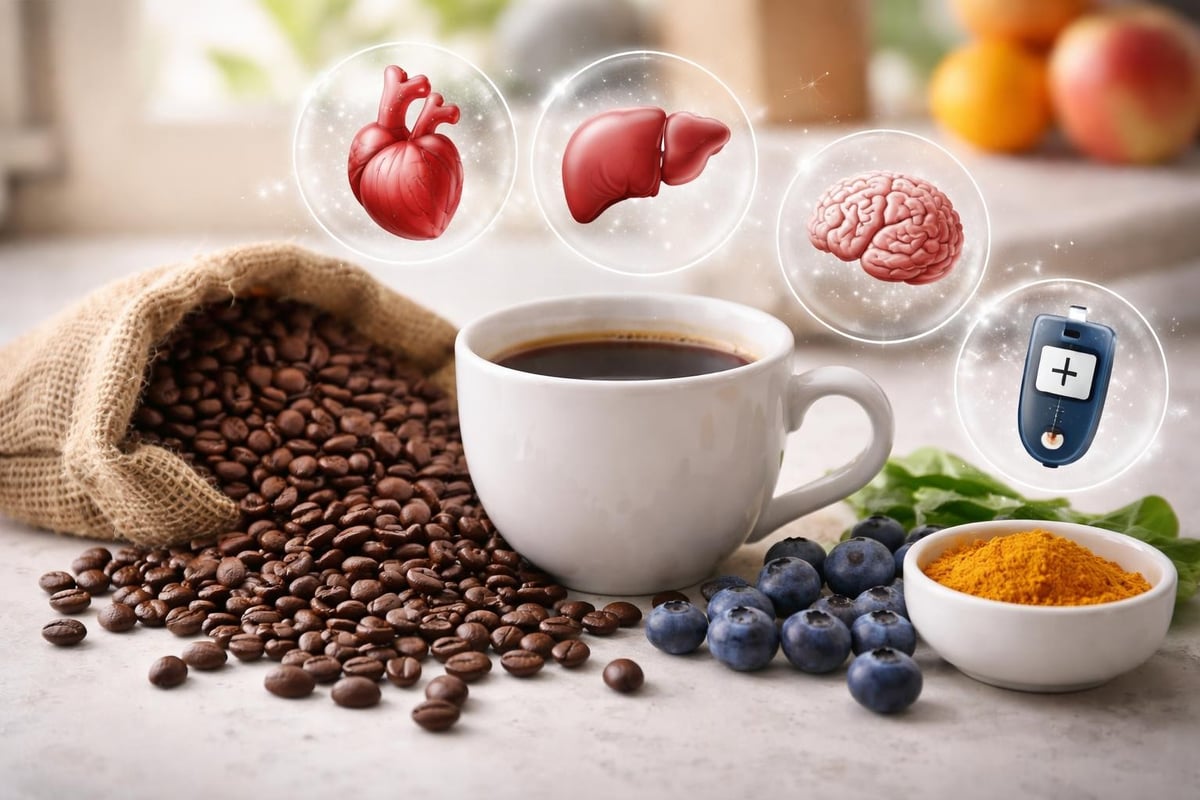
The liver receives remarkable benefits from coffee consumption. Coffee drinkers show significantly lower rates of liver disease, including cirrhosis and liver cancer. Medical research indicates that coffee consumption may reduce liver enzyme levels, suggesting improved liver function.
- Cirrhosis risk: Reduced by up to 80% with four cups daily
- Liver cancer risk: Decreased by approximately 40%
- Fatty liver disease: Lower incidence among regular coffee drinkers
- Hepatitis progression: Slowed disease advancement in affected individuals
The hepatoprotective compounds in coffee beans work through multiple pathways, including reducing inflammation and preventing fibrosis. This makes coffee a valuable dietary component for liver health maintenance.
Antioxidant Superiority and Cellular Protection
Coffee beans deliver one of the highest concentrations of antioxidants available in common beverages. These protective compounds neutralize free radicals that damage cells and contribute to aging and disease. The antioxidant capacity of coffee exceeds that of green tea, cocoa, and many fruits.
The specific antioxidants in coffee beans include polyphenols, hydrocinnamic acids, and chlorogenic acids. During roasting, these compounds undergo chemical changes that can actually increase certain antioxidant activities. This explains why different roast levels offer varying antioxidant profiles, allowing coffee enthusiasts to select specialty coffee based on preference and health goals.
Roast Level Impact on Antioxidants
| Roast Level | Chlorogenic Acids | Melanoidins | Overall Antioxidant Activity |
|---|---|---|---|
| Light | High | Low | Strong anti-inflammatory |
| Medium | Moderate | Moderate | Balanced antioxidant profile |
| Dark | Lower | High | Enhanced browning compounds |
Each roast level preserves different beneficial compounds, though all maintain significant antioxidant capacity. Light roasts retain more chlorogenic acids, while dark roasts develop melanoidins through the Maillard reaction. This diversity allows coffee drinkers to enjoy varied health benefits across different roast preferences.
Quality Matters for Maximum Benefits
Not all coffee beans deliver equal health advantages. The benefit of coffee beans depends heavily on cultivation practices, processing methods, and roasting techniques. Premium specialty coffee beans from reputable sources contain higher concentrations of beneficial compounds compared to commercial-grade alternatives.
Single-origin beans from specific regions offer distinct nutrient profiles based on soil composition, altitude, and climate. Ethiopian beans may present different antioxidant levels than Colombian or Indonesian varieties. This terroir effect influences not only flavor but also the health-promoting properties of your coffee.
Processing methods also impact nutritional content. Washed coffees undergo different fermentation processes than natural or honey-processed beans, affecting the preservation of certain compounds. Fresh roasting ensures volatile compounds and oils remain intact, maximizing both flavor and health benefits.
For coffee enthusiasts seeking premium quality, exploring options with new customer savings can make specialty coffee more accessible. Many roasters offer introductory discounts to help customers experience the difference that small-batch roasting and careful sourcing make in both taste and wellness benefits.
Caffeine Content and Optimal Consumption
Understanding caffeine content helps maximize the benefit of coffee beans while avoiding overconsumption. A typical coffee bean contains approximately 6 milligrams of caffeine, though this varies by variety. Arabica beans generally contain less caffeine than Robusta beans, affecting both flavor profile and stimulant intensity.
Brewed coffee typically contains 95 to 200 milligrams of caffeine per eight-ounce cup, depending on bean type, roast level, and brewing method. Consuming whole coffee beans delivers a more concentrated caffeine dose, which is why eating beans directly requires moderation.
Recommended Consumption Guidelines
- Moderate intake: Three to five cups daily (400mg caffeine maximum)
- Timing: Avoid consumption within six hours of bedtime
- Hydration: Maintain adequate water intake alongside coffee
- Individual tolerance: Adjust based on personal sensitivity
- Quality focus: Choose fresh, properly roasted beans
Most health benefits emerge from consistent, moderate consumption rather than excessive intake. The antioxidants and beneficial compounds accumulate over time, making daily coffee a long-term wellness strategy rather than a quick fix.
Flavor Compounds and Sensory Benefits
Beyond measurable health metrics, the benefit of coffee beans includes profound sensory satisfaction. Coffee contains over 1,000 aromatic compounds that create its complex flavor profile. These compounds develop during roasting as sugars caramelize and amino acids interact through the Maillard reaction.
The sensory experience of coffee contributes to psychological well-being and quality of life. The ritual of brewing, the aroma that fills your space, and the taste satisfaction all provide mental health benefits beyond the biochemical effects. This multisensory engagement explains why coffee culture thrives globally.
Different bean origins produce distinct flavor characteristics:
- African coffees: Bright acidity, floral notes, berry undertones
- Central American beans: Balanced profile, chocolate notes, nutty sweetness
- South American varieties: Smooth body, caramel flavors, mild acidity
- Asian coffees: Earthy tones, full body, herbal characteristics
Exploring flavored coffee options adds another dimension to the coffee experience, though pure single-origin beans showcase the natural complexity that terroir and processing create.
Sustainable Sourcing and Ethical Considerations
The benefit of coffee beans extends beyond individual health to environmental and social wellness. Sustainable coffee farming practices preserve ecosystems, protect biodiversity, and ensure fair compensation for farmers. Choosing ethically sourced coffee supports these broader benefits while often delivering superior bean quality.
Shade-grown coffee promotes forest conservation and provides habitat for migratory birds. Organic certification ensures beans grow without synthetic pesticides, reducing environmental impact and potential residue on finished products. Fair trade certifications guarantee farmers receive equitable prices, supporting community development in coffee-growing regions.
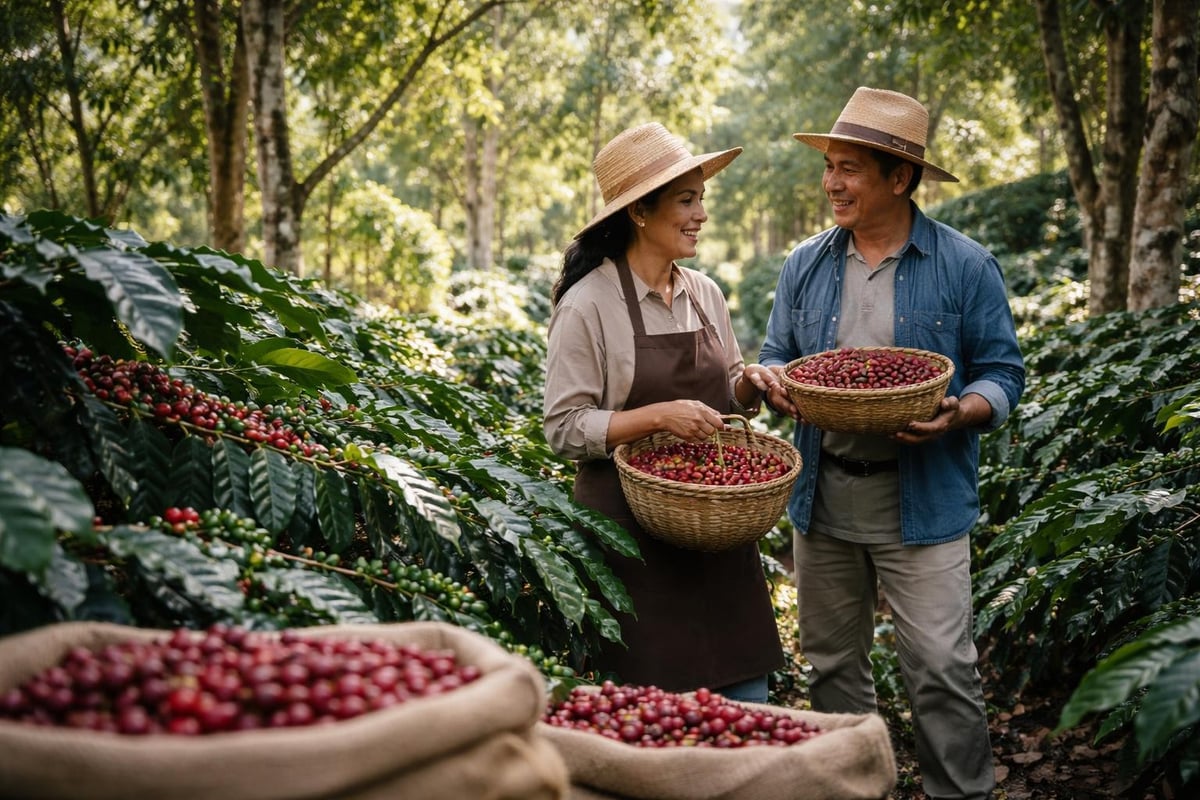
Premium roasters increasingly prioritize direct trade relationships, visiting farms and building long-term partnerships. These connections ensure quality control while supporting farmer livelihoods. When you purchase specialty coffee from dedicated roasters, you participate in a supply chain that values quality, sustainability, and ethical practices.
Freshness and Storage for Preserved Benefits
Maximizing the benefit of coffee beans requires proper storage and timely consumption. Coffee begins losing volatile compounds immediately after roasting, with noticeable degradation occurring within weeks. Antioxidants remain more stable but still diminish over time, especially when beans face oxygen, light, heat, or moisture.
Optimal storage practices include:
- Airtight containers: Prevent oxygen exposure that accelerates staling
- Cool, dark location: Avoid heat and light that degrade compounds
- Whole bean storage: Delay grinding until brewing to preserve freshness
- Small batch purchases: Buy quantities you'll consume within two to four weeks
- Avoid refrigeration: Moisture and odor absorption compromise quality
Fresh-roasted coffee from small-batch roasters provides maximum flavor and health benefits. The difference between fresh specialty beans and stale commercial coffee is substantial in both taste and nutritional value.
Brewing Methods and Compound Extraction
Different brewing methods extract varying compounds from coffee beans, affecting the benefit of coffee beans in your cup. Understanding these differences helps you optimize your brewing technique for health and flavor preferences.
| Brewing Method | Extraction Time | Oils Present | Antioxidant Level | Caffeine Content |
|---|---|---|---|---|
| French Press | 4-5 minutes | High | Very High | High |
| Pour Over | 3-4 minutes | Filtered | High | Medium-High |
| Espresso | 25-30 seconds | High | High (concentrated) | High (per ounce) |
| Cold Brew | 12-24 hours | Moderate | Very High | Variable |
Filtered methods like pour-over remove cafestol and kahweol, compounds that may raise cholesterol in sensitive individuals. Unfiltered methods like French press retain these oils along with additional antioxidants. Cold brew coffee extracts different compound ratios due to time and temperature variations, creating a unique flavor and health profile.
Individual Variations and Considerations
While the benefit of coffee beans proves substantial for most people, individual responses vary based on genetics, health status, and lifestyle factors. Some people metabolize caffeine rapidly, while others process it slowly, affecting tolerance and optimal consumption levels.
Certain conditions warrant modified coffee consumption. Pregnant women should limit intake to 200 milligrams of caffeine daily. People with anxiety disorders may experience exacerbated symptoms from caffeine. Those with acid reflux might choose low-acid coffee varieties or cold brew methods that produce less acidic beverages.
Genetic variations in adenosine receptors influence how caffeine affects sleep patterns and anxiety levels. Understanding your personal response helps you optimize timing and quantity for maximum benefits without negative effects. Health research indicates that listening to your body remains crucial when incorporating coffee into your wellness routine.
The remarkable benefit of coffee beans encompasses physical health, mental performance, disease prevention, and sensory pleasure. From powerful antioxidants to cognitive enhancement, quality coffee beans deliver measurable advantages that extend far beyond simple caffeine stimulation. Whether you prioritize health benefits, flavor exploration, or sustainable practices, selecting premium beans makes a significant difference in your coffee experience. Discover the exceptional quality and carefully sourced varieties available at Velours de Paris Coffee, where small-batch roasting preserves the natural compounds and complex flavors that make specialty coffee both delicious and beneficial.