

Aromatic Coffee Beans: Unlock Exceptional Flavor
The allure of aromatic coffee beans extends far beyond their caffeinated properties. For specialty coffee enthusiasts, the aroma represents the first encounter with quality, a sensory preview of the complexity waiting in every cup. These fragrant beans carry hundreds of volatile compounds that develop through careful cultivation, processing, and roasting-each step contributing to the final aromatic profile that distinguishes exceptional coffee from ordinary brews. Understanding what makes coffee beans aromatic empowers you to make informed purchasing decisions and elevate your daily coffee ritual.
The Science Behind Coffee Bean Aromatics
Aromatic coffee beans contain over 800 volatile compounds that contribute to their distinctive scent profiles. These compounds emerge through complex chemical reactions that begin at origin and intensify during roasting. The Maillard reaction, caramelization, and Strecker degradation are the primary processes responsible for transforming simple sugars and amino acids into the aromatic molecules that define coffee's character.
Chemical Composition and Volatile Compounds
The aromatic complexity of coffee beans stems from their chemical makeup. Key compound groups include:
- Aldehydes: Contribute fruity, green, and malty notes
- Ketones: Provide buttery and sweet characteristics
- Pyrazines: Create nutty, roasted, and earthy aromas
- Furans: Add caramel-like sweetness
- Phenolic compounds: Deliver spicy and smoky nuances
Research examining sensory aroma attributes reveals how these volatile compounds evolve from green coffee beans through roasting, grinding, and brewing. The transformation is remarkable-green beans possess grassy, vegetal aromas that bear little resemblance to the rich, complex scents we associate with roasted coffee.
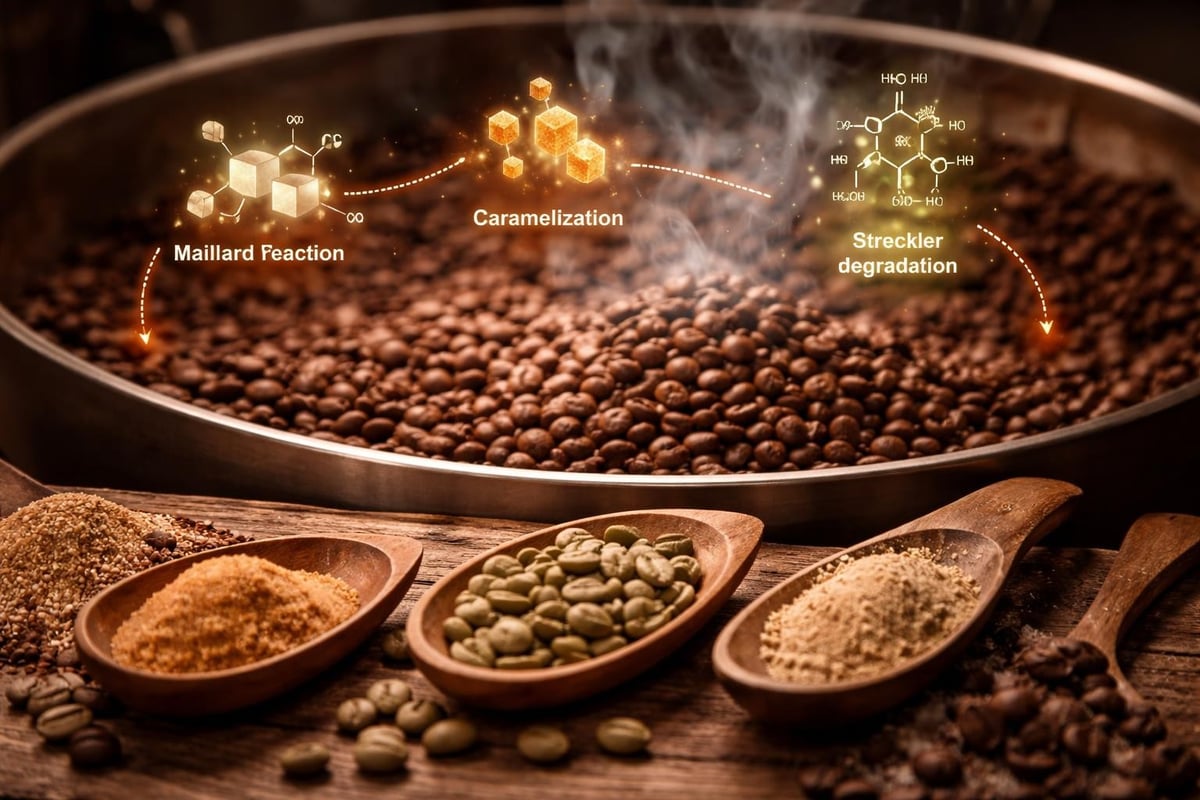
Temperature and duration during roasting dramatically influence which aromatic compounds develop and in what concentrations. Light roasts preserve more origin-specific aromatics, including floral and fruity notes, while darker roasts emphasize caramelized sugars and roasted characteristics. Studies on roasting duration demonstrate that even slight variations in roasting time significantly alter the aromatic profile.
Origin and Terroir Impact on Aromatic Profiles
Geography plays a fundamental role in shaping aromatic coffee beans. The concept of terroir-the environmental conditions in which coffee grows-encompasses altitude, soil composition, climate, and surrounding vegetation. These factors influence the development of precursor compounds in green beans that later transform into aromatic volatiles during roasting.
Regional Aromatic Signatures
Different coffee-growing regions produce beans with distinct aromatic characteristics that reflect their unique terroir:
| Region | Primary Aromatic Notes | Altitude Range |
|---|---|---|
| Ethiopian Highlands | Floral, jasmine, bergamot, blueberry | 1,500-2,200 meters |
| Colombian Andes | Caramel, chocolate, nutty, citrus | 1,200-2,000 meters |
| Sumatran Lowlands | Earthy, herbal, cedar, dark chocolate | 1,000-1,500 meters |
| Central American Highlands | Honey, stone fruit, almond, cocoa | 1,200-1,800 meters |
Single origin coffee offerings showcase these regional differences, allowing enthusiasts to experience how location shapes aromatic profiles. Ethiopian beans often exhibit pronounced floral aromatics due to higher concentrations of linalool and geraniol, while Indonesian varieties develop earthy, herbal notes from their processing methods and terroir.
Climate patterns also affect aromatic development. Beans grown at higher altitudes mature more slowly, allowing greater accumulation of sugars and acids that serve as precursors for aromatic compounds. The temperature differential between day and night at elevation contributes to denser bean structure, which retains volatiles more effectively during roasting.
Processing Methods and Aromatic Development
The journey from cherry to green bean significantly influences the aromatic potential of coffee. Processing methods-how farmers remove the fruit and dry the beans-create foundational aromatic characteristics that roasting later amplifies.
Traditional vs. Innovative Processing Techniques
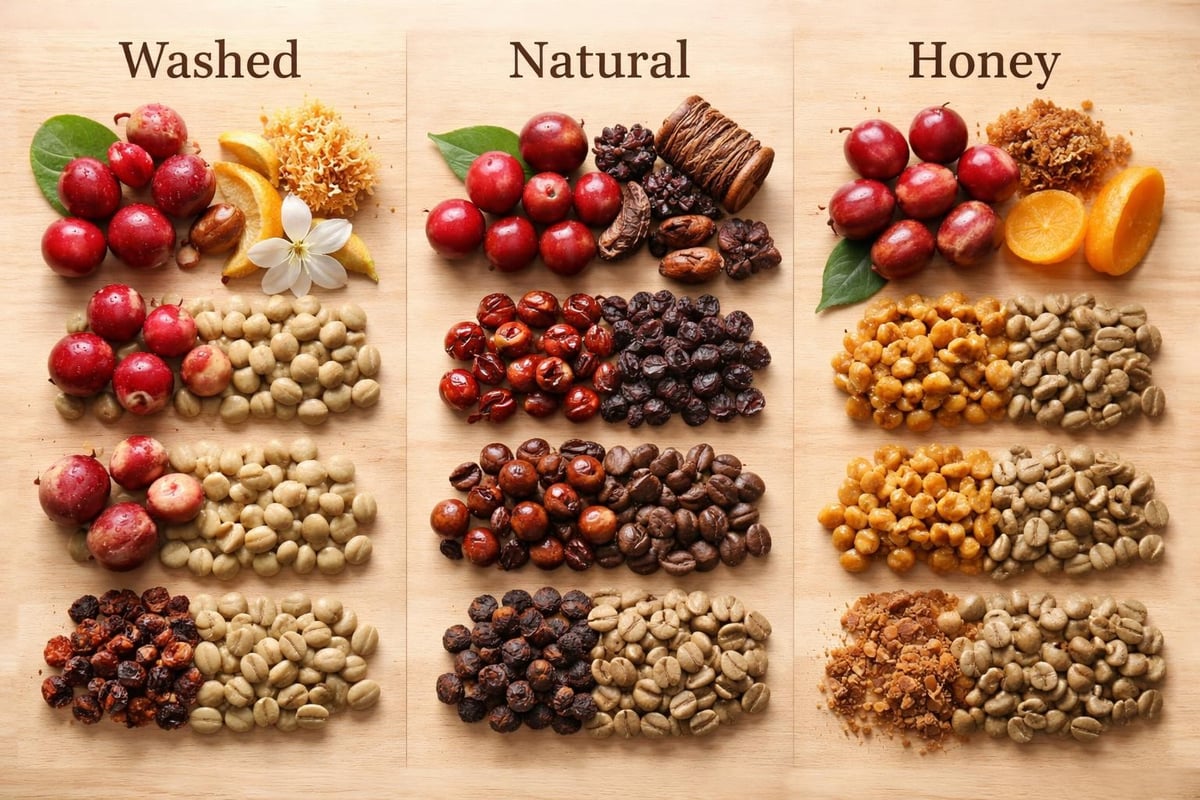
Washed (Wet) Processing
This method produces aromatic coffee beans with clean, bright profiles. After harvesting, the fruit is mechanically removed, and beans are fermented in water tanks before drying. The result emphasizes inherent bean characteristics with pronounced acidity and clarity in aromatic expression.
Natural (Dry) Processing
Cherries dry intact with the fruit still attached to the bean. This extended contact allows sugars to permeate the bean, creating aromatic profiles rich in fruit-forward, wine-like characteristics. Natural processed beans often exhibit heightened sweetness and complexity in their aromatic compounds.
Honey Processing
A hybrid approach that removes skin but leaves varying amounts of mucilage during drying. The sticky coating ferments against the bean, contributing unique aromatic characteristics that bridge washed and natural profiles.
Research on ohmic fermentation explores innovative processing methods that influence aromatic compound development. These experimental approaches demonstrate how controlled fermentation environments can enhance specific aromatic characteristics while maintaining consistency.
Fermentation's Role in Aroma Creation
Fermentation represents a critical phase where microorganisms break down sugars and pectins, creating precursor compounds that contribute to final aromatic profiles. Extended fermentation periods can introduce distinctive aromatic notes-from tropical fruit to floral essences-depending on microbial activity, temperature, and duration. However, excessive fermentation risks developing undesirable aromas, making precise control essential for quality results.
Roasting Profiles and Aromatic Expression
Roasting transforms aromatic coffee beans from their green state into the fragrant product ready for brewing. This thermal process represents the most dramatic aromatic development stage, where hundreds of chemical reactions occur simultaneously. Master roasters manipulate time, temperature, and airflow to highlight desired aromatic characteristics while minimizing defects.
Roast Level Impact on Aroma
Different roast levels produce distinct aromatic profiles:
- Light Roasts (City): Preserve origin characteristics with bright, acidic aromatics including floral, fruity, and tea-like notes
- Medium Roasts (Full City): Balance origin traits with developed sweetness, featuring caramel, chocolate, and nutty aromatics
- Medium-Dark Roasts (Vienna): Emphasize roast character with bittersweet chocolate, toasted nut, and slight smoky notes
- Dark Roasts (French/Italian): Dominant roast characteristics including carbon, smoky, and bittersweet aromatics
Analysis of roasting intensity shows how volatile compound composition changes with roast progression. Lighter roasts retain more aldehydes and esters responsible for fruity aromatics, while darker roasts develop higher concentrations of pyrazines and phenols that create roasted, smoky characteristics.
The specialty coffee collection at Velours de Paris Coffee demonstrates how small-batch roasting preserves aromatic integrity. Careful temperature control prevents scorching while ensuring even heat distribution, allowing beans to develop their full aromatic potential without burnt or bitter off-notes.
First Crack and Second Crack Phenomena
Physical changes during roasting provide audible cues about aromatic development:
First Crack occurs when internal bean pressure ruptures cell structures, releasing moisture and carbon dioxide. This stage marks the transition into light roast territory, where origin aromatics reach peak expression.
Second Crack indicates more advanced caramelization and the onset of pyrolysis. Beans entering this phase develop deeper, more roasted aromatic characteristics as sugars carbonize and oils migrate to the surface.
Understanding these milestones helps roasters target specific aromatic profiles. Stopping just after first crack preserves delicate floral and fruit notes, while extending roasting through second crack emphasizes bold, roasted aromatics.
Storage and Freshness Preservation
Even the most aromatic coffee beans lose their sensory appeal without proper storage. Aromatic compounds are volatile by nature-they dissipate when exposed to oxygen, light, heat, and moisture. Implementing appropriate storage practices maintains aromatic intensity from roasting through brewing.
Optimal Storage Conditions
Environmental Controls
| Factor | Optimal Condition | Why It Matters |
|---|---|---|
| Temperature | 15-20°C (59-68°F) | Prevents accelerated degradation |
| Humidity | Below 60% | Avoids moisture absorption |
| Light Exposure | Complete darkness | Prevents photo-oxidation |
| Oxygen Contact | Minimal (sealed container) | Slows oxidative deterioration |
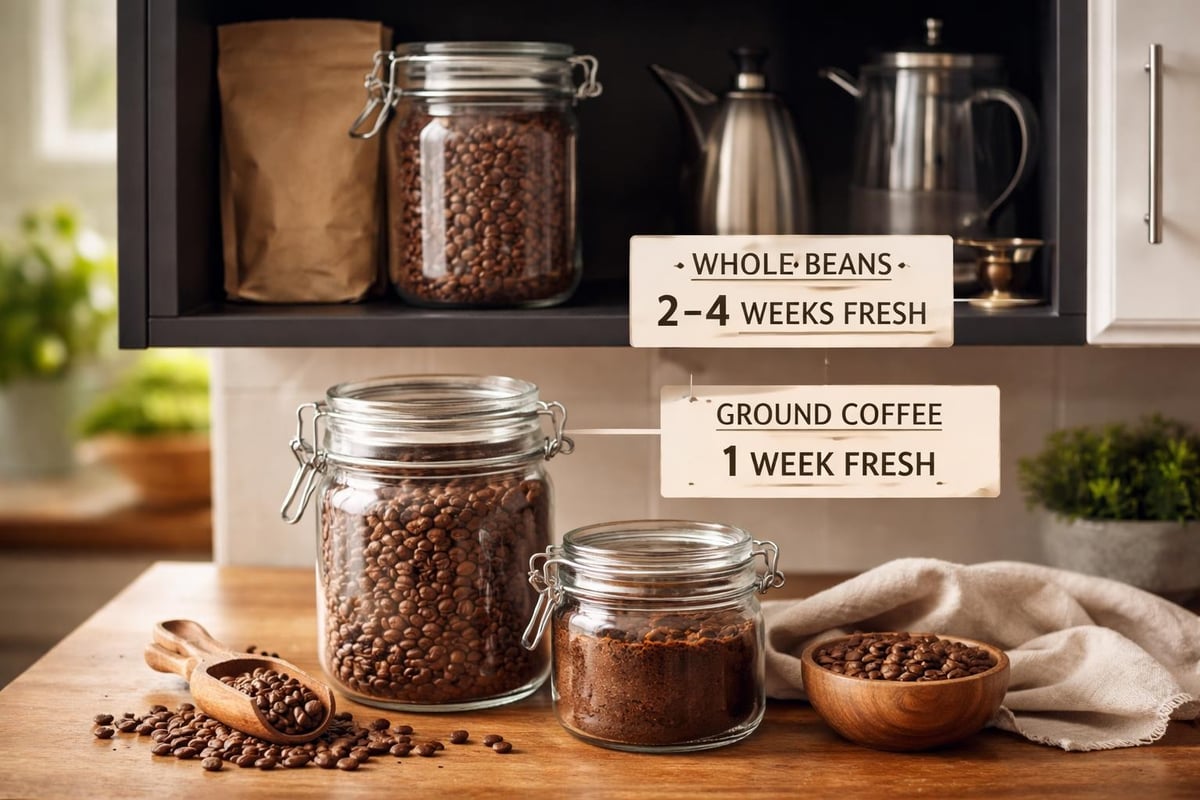
Whole bean coffee retains aromatic compounds significantly longer than ground coffee. The increased surface area from grinding accelerates volatile compound loss-aromatics can dissipate within minutes of grinding. For maximum aromatic preservation, grind beans immediately before brewing.
Research on polyphenol content and storage indicates that proper storage conditions help maintain not only aromatic compounds but also beneficial antioxidants. Beans stored in airtight containers away from environmental stressors preserve their aromatic profiles for weeks, while improperly stored beans become stale within days.
Degassing and Optimal Consumption Windows
Freshly roasted aromatic coffee beans undergo degassing-the release of carbon dioxide trapped during roasting. This process affects aromatic expression in brewing:
- Days 1-3 Post-Roast: Heavy degassing can interfere with extraction, producing inconsistent aromatics
- Days 4-14 Post-Roast: Optimal aromatic expression as degassing stabilizes and compounds integrate
- Days 15-30 Post-Roast: Peak aromatic complexity for most roast profiles
- Beyond 30 Days: Gradual aromatic decline as volatile compounds dissipate
For maximum aromatic enjoyment, source coffee from roasters who provide roast dates. Purchasing from coffee collections that emphasize freshness ensures you experience beans within their aromatic prime. Velours de Paris Coffee roasts in small batches to guarantee exceptional freshness, allowing customers to enjoy their coffee at peak aromatic potential. For those new to premium coffee, using Save 10% use code: WELCOME10 provides an accessible entry point to experience truly aromatic beans.

Varietal Differences in Aromatic Characteristics
Coffee species and cultivars exhibit inherent aromatic distinctions based on their genetic makeup. While processing and roasting significantly influence final aroma, the varietal foundation determines which aromatic compounds can develop and their potential intensity.
Arabica vs. Robusta Aromatic Profiles
Arabica (Coffea arabica) produces aromatic coffee beans celebrated for complexity and refinement. Higher lipid and sugar content creates more aromatic precursors, resulting in:
- Pronounced acidity that highlights bright, clean aromatics
- Floral and fruity volatile compounds
- Sweet, chocolate, and caramel notes when properly roasted
- Delicate, nuanced aromatic expression
Robusta (Coffea canephora) contains higher caffeine and chlorogenic acid levels, producing:
- Earthy, woody, and grain-like aromatics
- Less aromatic complexity overall
- Stronger, more persistent but less refined scent profiles
- Nutty and cocoa characteristics
Heirloom and Specialty Cultivars
Beyond the species divide, specific cultivars offer unique aromatic signatures. Ethiopian heirlooms like Gesha produce intensely floral, jasmine-like aromatics, while Bourbon varieties develop exceptional sweetness with honey and stone fruit notes. Typica cultivars balance brightness with chocolate undertones, creating versatile aromatic profiles suitable for various brewing methods.
Coffee blends often combine different varietals to create complex aromatic profiles that no single origin could achieve alone. Master blenders select beans with complementary aromatic characteristics-perhaps pairing a bright, floral Ethiopian with a chocolatey Brazilian to create balanced complexity.
Brewing Methods and Aromatic Release
The brewing process represents the final stage where aromatic coffee beans reveal their full potential. Different preparation methods extract and emphasize various aromatic compounds, influencing the sensory experience significantly.
Extraction Variables Affecting Aroma
Water temperature, contact time, and turbulence all impact which aromatic compounds dissolve and volatilize during brewing:
Espresso uses high pressure and temperature to rapidly extract concentrated aromatics, emphasizing caramelized and roasted notes while creating intense aromatic oils that form crema.
Pour-over methods provide precise control over extraction, allowing delicate aromatic compounds to shine. The slower, gentler process highlights floral and fruit notes while maintaining aromatic clarity.
French press immersion brewing extracts fuller-bodied aromatics with pronounced oils and sediment that carry aromatic compounds. This method emphasizes chocolate, nutty, and earthy notes.
Cold brew extracts aromatic compounds at low temperatures over extended periods, producing smooth, sweet aromatics while minimizing bitter, roasted characteristics.
Studies tracking aromatic volatile biomarkers through various stages reveal how brewing parameters affect final aromatic expression. Understanding these relationships allows coffee enthusiasts to select brewing methods that best showcase their beans' aromatic strengths.
Grind Size and Aromatic Optimization
Particle size distribution directly impacts aromatic extraction efficiency:
- Fine grinds: Maximize surface area for rapid aromatic release, ideal for espresso
- Medium grinds: Balance extraction speed and clarity, suited for drip and pour-over
- Coarse grinds: Slower aromatic extraction prevents over-extraction bitterness, perfect for French press and cold brew
Grinding immediately before brewing captures volatile aromatic compounds at their peak. The aromatic burst released during grinding-often called the "bloom"-represents some of the most fragrant moments in coffee preparation, though these compounds dissipate rapidly if not captured through prompt brewing.
Sensory Evaluation of Aromatic Coffee Beans
Professional coffee tasters use standardized protocols to evaluate aromatic characteristics, providing objective assessments of quality and distinctive features. Understanding these evaluation methods helps consumers appreciate the nuances in aromatic coffee beans and make informed selections.
Cupping Protocol and Aromatic Assessment
The cupping process involves:
- Dry Aroma Evaluation: Assessing freshly ground beans immediately after grinding
- Wet Aroma (Crust) Assessment: Evaluating aromatics released when hot water first contacts grounds
- Break Evaluation: Analyzing aromatic release when the crust is broken and stirred
- Aromatic Persistence: Noting how aromatics evolve as the coffee cools
Professional cuppers score aromatics on intensity, quality, and complexity. Exceptional aromatic coffee beans demonstrate distinct, pleasant characteristics that evolve interestingly as temperature changes, revealing different aromatic layers throughout the tasting.
Aromatic Descriptors and Flavor Wheels
The Coffee Taster's Flavor Wheel provides standardized vocabulary for aromatic description:
Floral Descriptors: Jasmine, rose, chamomile, lavender Fruity Descriptors: Berry, citrus, stone fruit, tropical Sweet Descriptors: Honey, caramel, chocolate, vanilla Nutty/Cocoa Descriptors: Almond, hazelnut, dark chocolate Spice Descriptors: Cinnamon, clove, pepper, cardamom Roasted Descriptors: Toast, smoky, tobacco, burnt
Developing familiarity with these descriptors enhances appreciation for aromatic complexity in specialty coffee. Research evaluating roasting levels demonstrates how specific aromatic compounds correspond to recognizable sensory experiences, validating the connection between chemical composition and perceived aroma.
Enhancing Aromatic Experience at Home
Coffee enthusiasts can optimize their aromatic experience through equipment choices, technique refinement, and mindful preparation. Small adjustments often yield significant improvements in aromatic expression and overall enjoyment.
Equipment Considerations
Grinders: Burr grinders produce consistent particle sizes that extract aromatics evenly, while blade grinders create uneven grounds leading to inconsistent aromatic extraction. Investing in quality grinding equipment protects your aromatic coffee beans' potential.
Water Quality: Minerals in water affect extraction efficiency and aromatic expression. Ideal brewing water contains 50-175 ppm total dissolved solids with balanced mineral content. Excessively hard or soft water compromises aromatic extraction.
Brewing Devices: Clean equipment prevents rancid oils from contaminating fresh aromatic compounds. Regular cleaning with appropriate solutions maintains aromatic purity across brewing sessions.
Technique Refinement
- Bloom Phase: Pre-wetting grounds releases trapped carbon dioxide, allowing water to access aromatic compounds more effectively
- Water Temperature: Optimal range of 90-96°C (195-205°F) extracts aromatics without scorching or under-extracting
- Brew Ratio: Standard 1:16 coffee-to-water ratio balances aromatic concentration with drinkability
- Timing Consistency: Repeatable brew times ensure consistent aromatic extraction
The flavored coffee collection demonstrates how natural flavoring can complement inherent bean aromatics, creating unique sensory experiences while maintaining the aromatic foundation of quality beans.
Understanding aromatic coffee beans empowers you to make selections that align with your preferences while appreciating the craftsmanship behind exceptional coffee. From origin characteristics through roasting artistry to brewing technique, each element contributes to the aromatic experience that makes specialty coffee extraordinary. Velours de Paris Coffee brings this expertise to every small-batch roast, sourcing premium beans from the world's finest regions and roasting them to highlight their unique aromatic profiles, ensuring each cup delivers the exceptional freshness and complexity that defines truly aromatic coffee.